
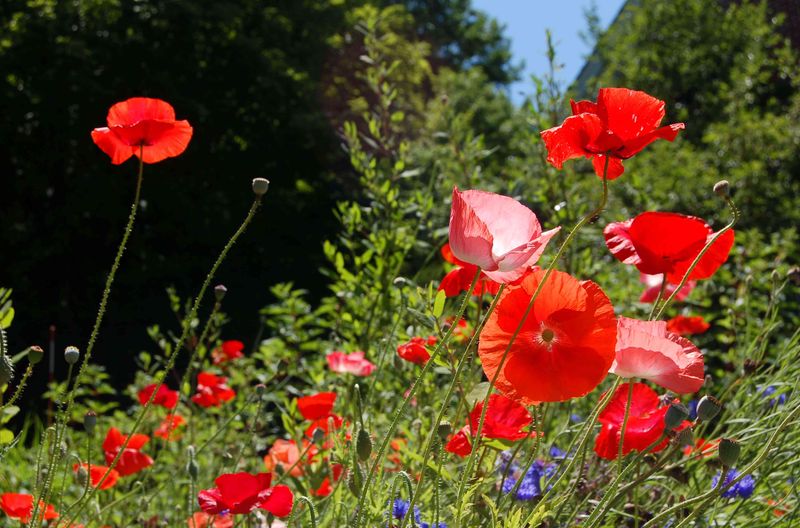
Fall is not just cleanup season. It is also the perfect time to plant flower seeds that wake up early and brighten the yard before summer flowers even get started.
For gardeners in the South, especially in places like Texas and much of Florida, sowing at the right time can mean stronger plants, earlier blooms, and less spring work. Here are 14 flower seeds worth planting now if you want your beds, borders, and porch pots to come alive with color first.
1. Larkspur
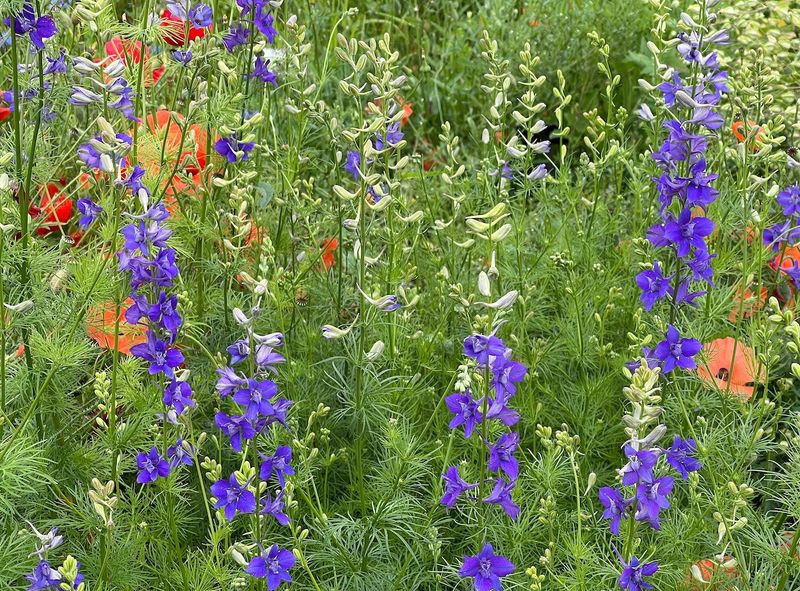
Few flowers make spring feel as magical as larkspur rising from cool soil with its tall, airy spires. When you sow it in fall, the seeds settle in through winter and often produce stronger, earlier plants than spring-sown ones, which matters in Southern gardens where heat can arrive fast.
Larkspur stands out because it brings height without looking stiff or heavy. The blooms have a soft, old-fashioned look that fits cottage beds, mailbox plantings, and mixed borders, and they pair beautifully with snapdragons, poppies, and bachelor buttons.
In Texas and the cooler parts of Florida, direct sowing in fall usually gives the best results because the seedlings enjoy mild winter weather and bloom before late spring warmth shortens the show.
Choose a spot with full sun and well-drained soil, then scatter seed lightly and avoid burying it too deeply. Once established, larkspur usually asks for very little beyond occasional water during dry spells.
If you want the kind of spring color that catches attention from the street and gives your garden a graceful vertical lift, this flower earns its place quickly.
2. Poppy
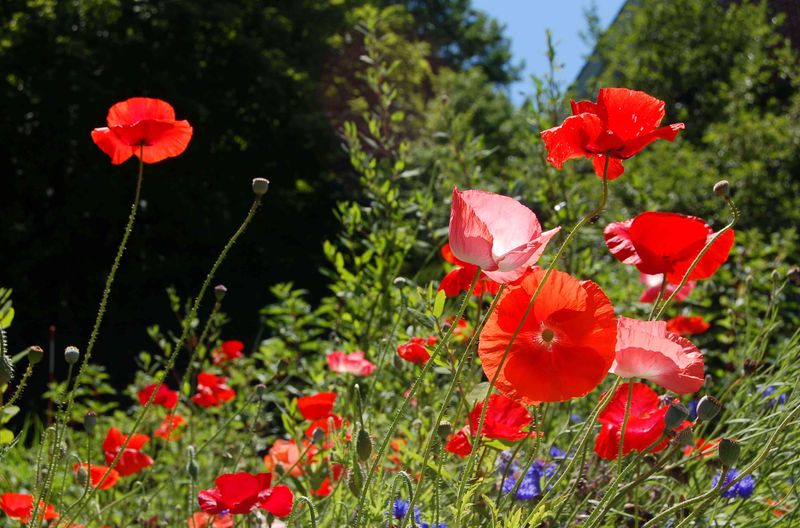
Nothing says cheerful quite like a patch of poppies dancing in the first warm breezes of spring. Their paper-thin petals look delicate, yet many poppies are surprisingly good at handling cool-season growth, which is why fall sowing often gives Southern gardeners a better display than waiting until spring.
Poppies deserve their own place on this list because they deliver a wildflower feeling that still looks intentional in home landscapes. The foliage stays low and tidy at first, then the buds rise and open in bursts of color that can wake up a sleepy bed almost overnight.
In Texas, especially, fall-sown poppies may settle in during winter and bloom before heat and humidity push them to finish. In Florida, they tend to do best in the cooler northern and central areas, with good drainage and full sun.
Scatter seed on bare soil and press it in rather than covering it heavily, since many poppies need light to germinate well. Try them in front-yard borders, curbside strips, or mixed beds where you want a soft, natural look.
Their short bloom season feels special precisely because it arrives so early and so brilliantly.
3. Sweet Alyssum
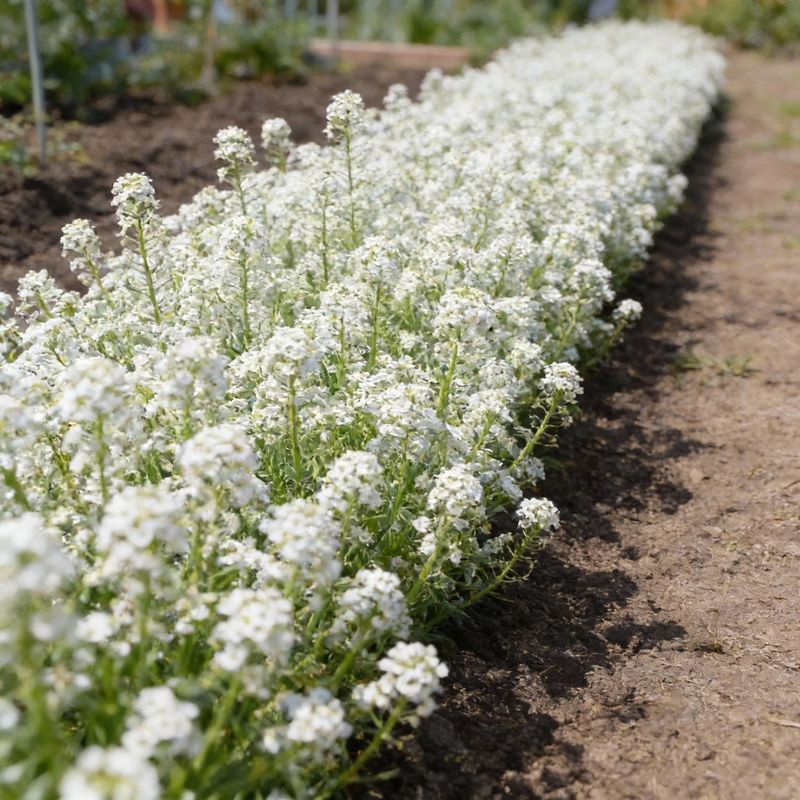
Right at the edge of a path or spilling over a pot, sweet alyssum brings the kind of detail that makes a garden feel finished. Fall sowing gives it a head start, so instead of waiting for spring seedlings to catch up, you get low clouds of bloom early in the season when color is still scarce.
What makes alyssum different is its combination of softness and usefulness. The tiny flowers create a gentle carpet effect, but they also attract helpful pollinators and can fill awkward spaces between larger plants with almost no fuss.
In Southern gardens, that early establishment matters because alyssum often blooms best during cool weather and may slow down once true heat settles in. For porch pots, border fronts, and raised beds near vegetables, it offers a tidy look that feels bright without being flashy.
Sow it where it will get sun to light shade, and keep the soil lightly moist until seedlings appear. Gardeners in Florida and Texas often appreciate how quickly it knits a planting together after winter.
If your spring beds usually look patchy while other flowers are still waking up, sweet alyssum is one of the easiest ways to smooth everything out with fragrance and color.
4. Calendula
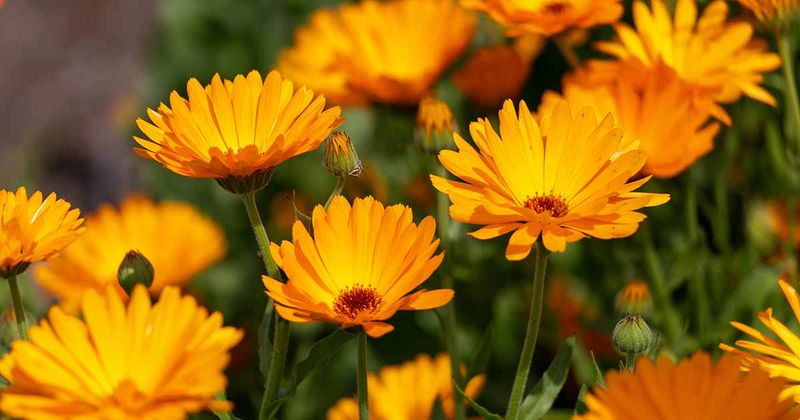
Golden petals on a cool spring morning can change the whole mood of a yard, and calendula does exactly that. Often called pot marigold, it is one of those hardworking flowers that looks sunny and friendly while also handling chilly weather better than many gardeners expect.
Calendula earns its spot because it combines bright color with real garden usefulness. The blooms come in warm shades of orange, apricot, and yellow that stand out beautifully against winter-tired landscapes, and the plants fit just as well in ornamental beds as they do beside herbs and vegetables.
In the South, fall sowing may help calendula bloom earlier and longer before late spring heat causes plants to fade. That makes it a smart pick for Texas gardens and for cooler parts of Florida where gardeners want dependable color during the mild season.
Direct sow seeds in full sun or light afternoon shade, especially in areas where spring warms quickly. Deadheading often keeps the show going, but even without much fuss, calendula usually gives an upbeat display.
For homeowners who want a flower that looks simple, welcoming, and practical at the same time, few fall-sown options work harder in spring beds and porch containers.
5. Bachelor Buttons
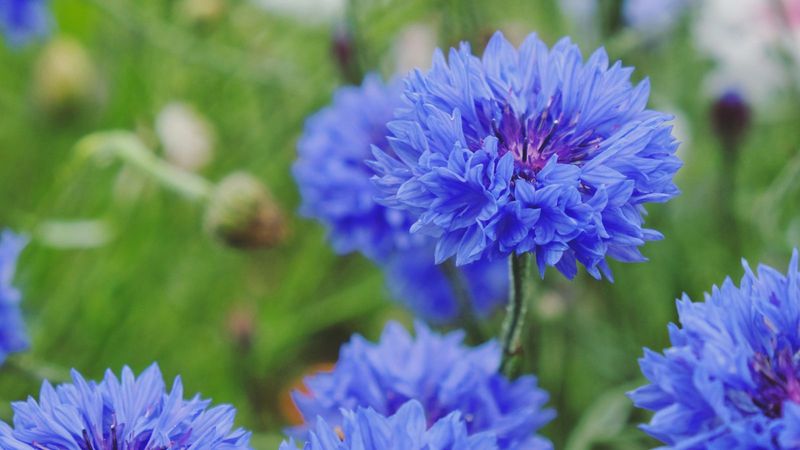
A sweep of bachelor buttons can make a garden look lively long before summer annuals are ready to shine. Their cool blue color is the real surprise, since true blue flowers are not common, and that alone makes them valuable when you are trying to build early spring contrast.
Bachelor buttons stand apart because they bring a relaxed, meadow-like charm without turning unruly in most home gardens. The upright stems and fringed blooms mix easily with poppies, larkspur, and snapdragons, yet they also look good on their own in a simple border.
In Southern states, fall-sown plants usually develop roots during mild weather and bloom before high heat cuts the season short. For Texas gardeners especially, that timing can mean fuller plants and more flowers than a spring sowing often provides.
Direct sow in full sun and do not pamper them too much, since overly rich soil can push leafy growth instead of blooms. They may also attract pollinators and work well as cut flowers for casual indoor bouquets.
If your yard needs a burst of crisp color that feels classic but not fussy, bachelor buttons bring an easy kind of spring beauty that never seems overdone.
6. Snapdragon
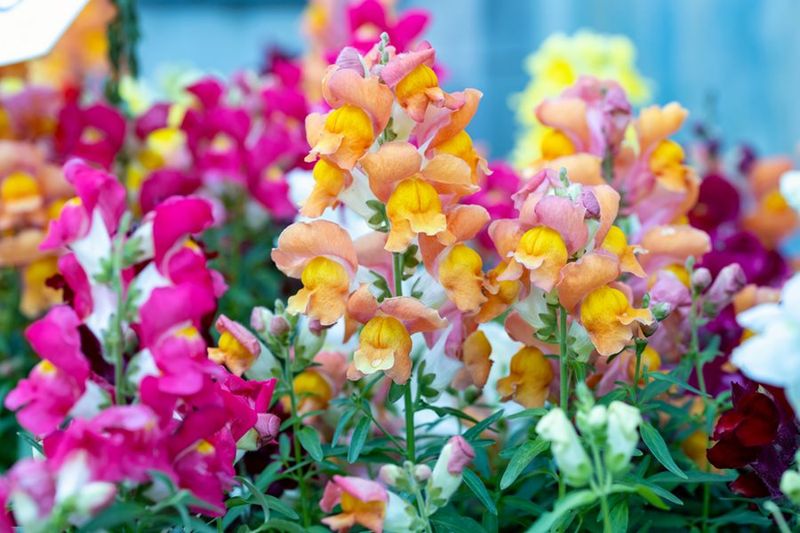
Gardeners who want structure as well as color often fall for snapdragons first. Their upright flower spikes add shape to spring beds, and when started in the cool season, they can bloom well before many warm-weather annuals even begin to fill out.
Snapdragons make this list because they bridge the gap between soft and bold. Up close, the flowers are full of detail and charm, but from a distance the plants read as clean vertical accents that sharpen the look of borders, entry beds, and porch containers.
In much of the South, especially Texas and North Florida, fall planting or sowing may give them stronger roots and a longer bloom period through cool weather. They often perform best when spring stays mild, then pause once intense heat arrives.
Use them in full sun with well-drained soil, and thin seedlings enough to allow good airflow. Taller varieties are especially useful near porches and walkways where you want color at eye level, while dwarf types suit pots and front-of-bed spots.
For homeowners trying to make a front yard look more polished early in the year, snapdragons deliver a neat, cheerful presence that reads intentional from the curb.
7. Sweet Pea
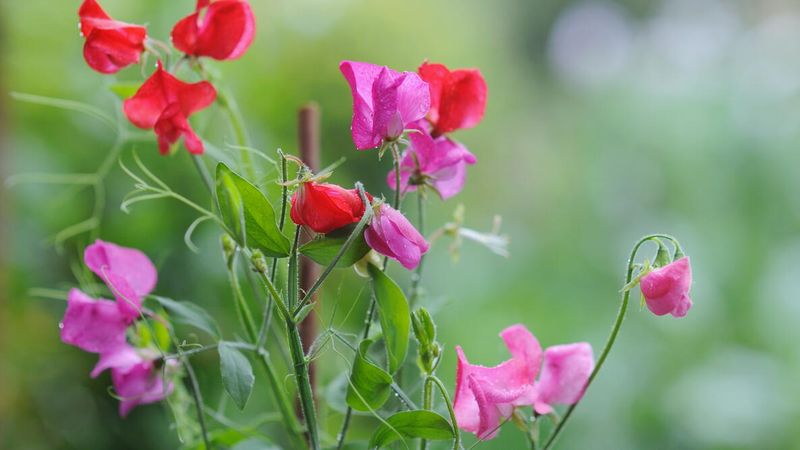
Climbing flowers always feel a little special, and sweet peas bring that charm early in the season when fences and trellises still look bare. Their fragrance is part of the appeal, but the bigger reason to sow them in fall is simple: they prefer cool growing conditions and often struggle if planted too late.
Sweet peas belong here because they add height in a completely different way from tall border flowers. Instead of upright spikes, they weave and wander, softening railings, arches, and support frames with fluttery blossoms in shades of pink, lavender, cream, and deep rose.
In Texas and the cooler parts of Florida, fall sowing may let roots develop during mild weather so plants can bloom before hot, humid days shorten the season. That early growth can make a noticeable difference in flower count.
Give sweet peas full sun and soil enriched with compost, then provide a trellis or netting from the start so vines can climb easily. Keeping flowers picked may encourage more buds and gives you fragrant stems for indoor arrangements.
If your spring garden needs movement, scent, and a touch of old-fashioned romance, sweet peas are hard to beat.
8. Nigella
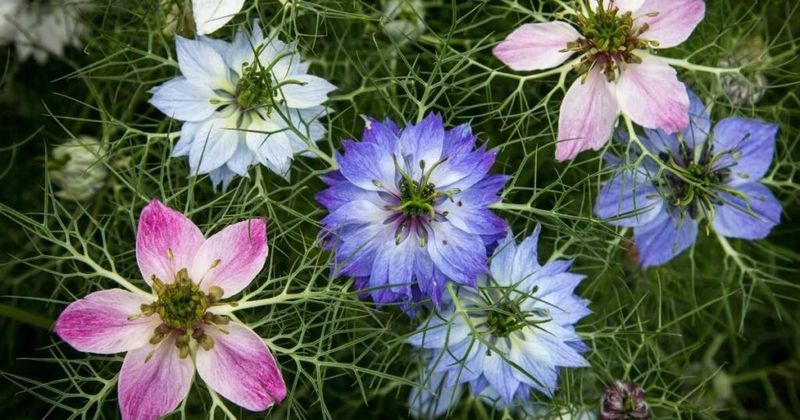
At first glance, nigella almost looks too delicate to be useful, but that is part of its charm. Also called love-in-a-mist, it threads fine, feathery foliage through spring beds and then opens starry blooms that seem to float above the greenery.
Nigella earns a section of its own because texture is its superpower. While many spring flowers compete mostly on color, this one changes the whole feel of a planting by adding softness and movement, making nearby blooms look even better.
Fall sowing works well because the seeds appreciate cool conditions, and established plants usually flower before Southern heat turns the garden into a different season. In Texas and northern parts of Florida, nigella can be especially useful in mixed borders where gardeners want something lighter than the usual bedding plant look.
Sow seed directly in full sun and resist transplanting if possible, since nigella prefers to grow where it lands. After bloom, the decorative seedpods extend the show and can be left for interest or cut for arrangements.
For a homeowner who wants a spring garden that feels layered rather than flat, nigella adds that airy in-between texture that makes even a small bed look thoughtfully planted.
9. Cornflower
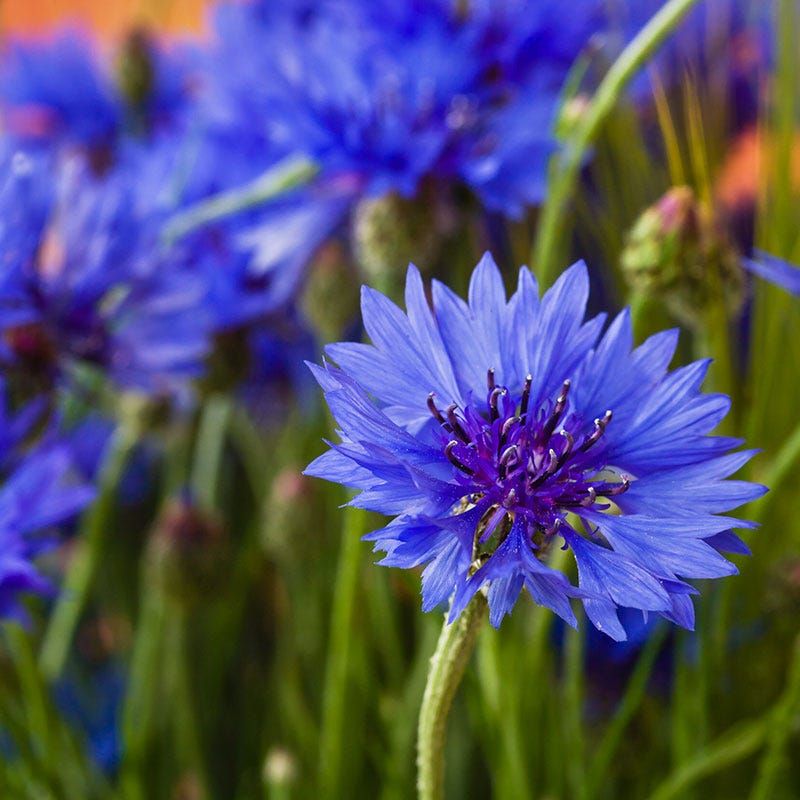
Blue can cool down a flower bed in the best possible way, and cornflower does it with almost no drama. Closely related to bachelor buttons, it still deserves separate attention here because many gardeners grow named mixes and color strains specifically for that striking spring palette.
The real draw of cornflower is how easily it freshens a bed full of warmer shades. When oranges, pinks, and yellows start competing, a strong blue flower gives the eye somewhere to rest, and that can make a front border look more balanced from the street.
Fall sowing usually helps cornflower settle in during mild weather, which may lead to earlier blooms and sturdier stems before Southern temperatures rise. In Texas, where spring can move quickly from pleasant to hot, that extra head start often matters.
Direct sow in full sun and moderately lean soil, then thin seedlings so air can move between plants. Cornflowers may attract bees and also make simple cut flowers that look fresh in jars and pitchers indoors.
If your spring yard tends to lean bright and busy, cornflower is the cooler note that keeps the whole display from feeling loud while still bringing plenty of cheerful color.
10. Annual Phlox
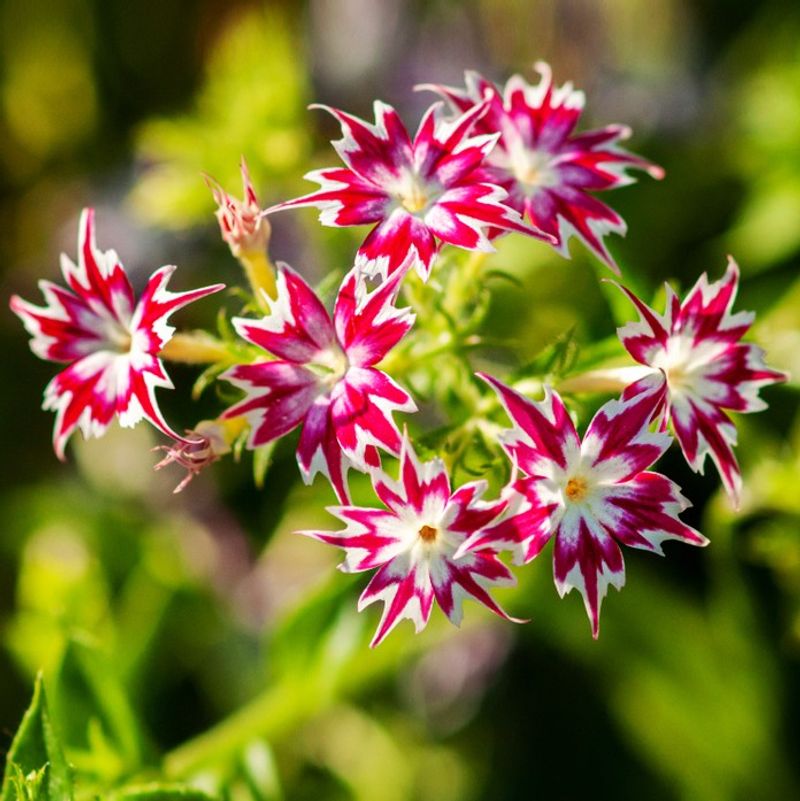
Sometimes a garden needs color that reads clearly from across the yard, and annual phlox does that job well. Its clustered blooms create bright patches that show up fast in spring beds, making it useful for gardeners who want visible payoff after winter without waiting for summer annuals.
Annual phlox is different from the more delicate fillers on this list because it forms stronger blocks of color. The plants stay manageable, but when grouped together they create a cheerful mass effect that works especially well near porches, walkways, and front borders where curb appeal matters most.
In Southern gardens, sowing in fall may help plants establish in cool weather and start blooming earlier in spring. Gardeners in Florida and Texas often appreciate flowers that can perform while the weather is still mild, before the harder stretch of heat and humidity begins.
Choose a sunny site with decent drainage and give seedlings enough room to avoid crowded growth. Shades range from soft pastels to richer reds and purples, so it is easy to match your home or existing plantings.
For anyone trying to brighten a visible area quickly and cleanly, annual phlox offers an easy, friendly burst of spring color that feels polished rather than wild.
11. Viola
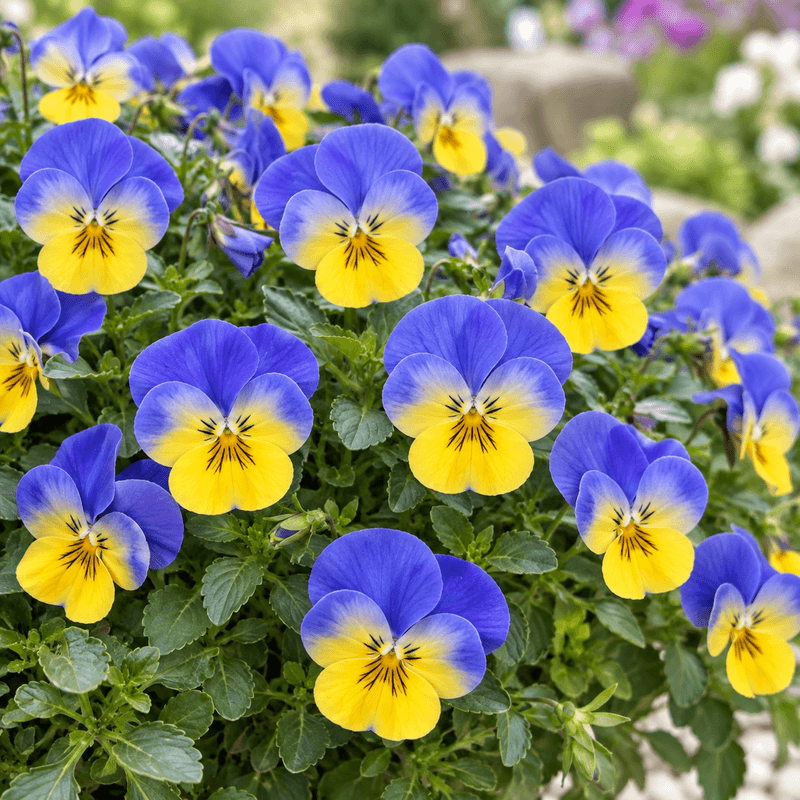
Small flowers can still make a big first impression, and violas prove it every spring. Their faces seem almost hand-painted, and because they handle cool conditions so well, they often start bringing color right when homeowners are most tired of looking at bare pots and dull beds.
Violas belong on this list because they are wonderfully flexible. You can tuck them into containers, edge a walkway, fill holes in a mixed bed, or brighten the front porch where guests see them up close.
In Southern climates, fall sowing or planting may help them establish before winter and bloom steadily through mild stretches. In much of Florida and Texas, they can be one of the most reliable cool-season color choices, especially where gardeners want a tidy look that does not require constant fussing.
Give them sun to part shade and keep the soil evenly moist but not soggy. Removing spent blooms may help keep plants neat and flowering longer, though many modern varieties continue nicely with minimal care.
If you want a flower that can soften hard edges, brighten containers, and add personality to entry spaces, violas bring an early spring welcome that feels both playful and dependable.
12. Forget-Me-Not
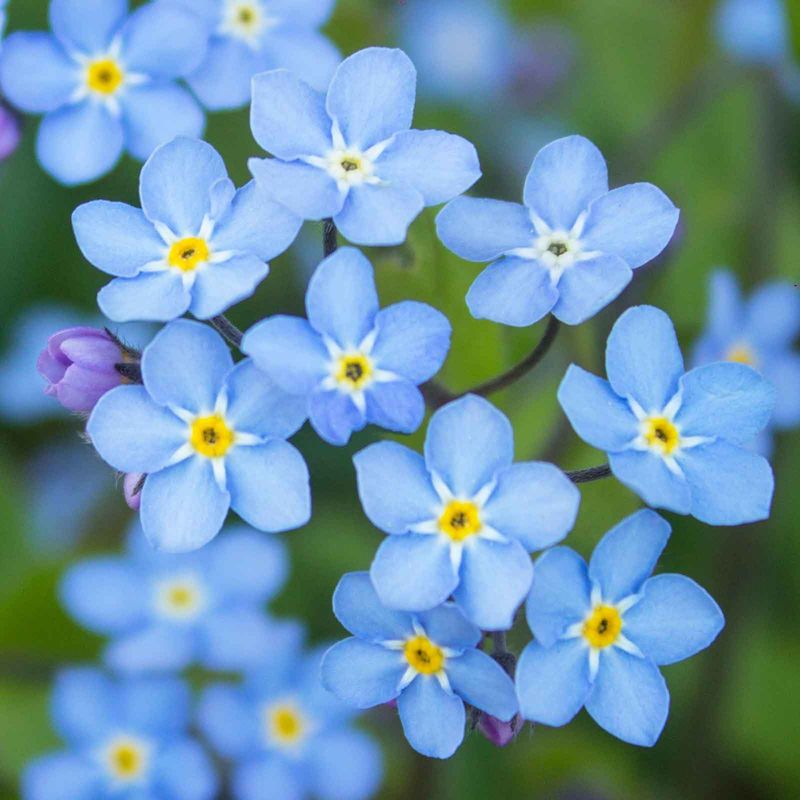
Forget-me-nots do not shout for attention, yet they often become the flowers people remember most. Their tiny blue blooms create a misty, storybook effect that feels especially welcome in early spring, when many yards still need a little softness around paths, shrubs, and porch beds.
What sets them apart is their ability to brighten lighter shade. Many spring annuals want full sun to perform well, but forget-me-nots can help fill those gentler spots under small trees or beside foundation plantings where morning light is available but afternoon sun is less intense.
In cooler parts of the South, fall sowing may allow young plants to settle in before spring bloom. Gardeners in North Florida and parts of Texas can use them to connect sunnier flower beds with shadier corners, creating a more natural flow through the yard.
Sow seeds on prepared soil and keep the area lightly moist until seedlings establish. Their color pairs beautifully with white alyssum, pink snapdragons, and yellow violas, especially in cottage-style plantings.
For homeowners who want an early spring flower with a calmer, more poetic mood, forget-me-nots offer a quiet kind of beauty that softens the whole landscape.
13. Iceland Poppy
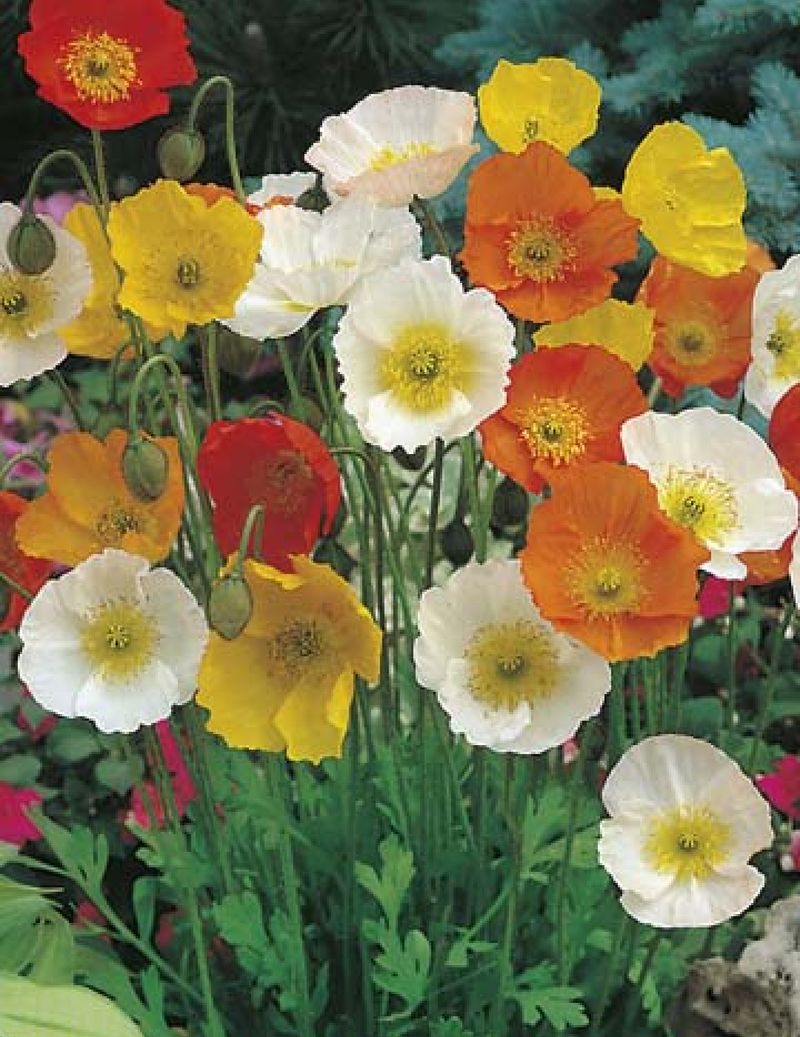
Pastel blooms floating on wiry stems give Iceland poppies a lighter, brighter look than many other spring flowers. They have the same papery magic people love in poppies, but the softer shades make them especially useful in beds where you want color that feels elegant rather than loud.
Iceland poppies deserve their own mention because they combine delicacy with strong visual impact. The flowers seem to glow in morning light, and when planted in groups they create a painterly effect that works beautifully in cottage gardens, porch borders, and cut-flower patches.
In Southern gardens, fall sowing may help them establish during cool weather so they can bloom before late spring heat starts stressing plants. Texas gardeners often get the best display by treating them as a cool-season annual rather than waiting until spring to start from seed.
Provide full sun, good drainage, and light, even moisture while plants are getting started. They do best where winter is mild but not overly wet, so raised beds or slightly elevated spots can help.
If your early spring garden needs a flower with an airy look and a surprising amount of grace, Iceland poppies bring a refined splash of color that feels fresh every single year.
14. Rocket Larkspur
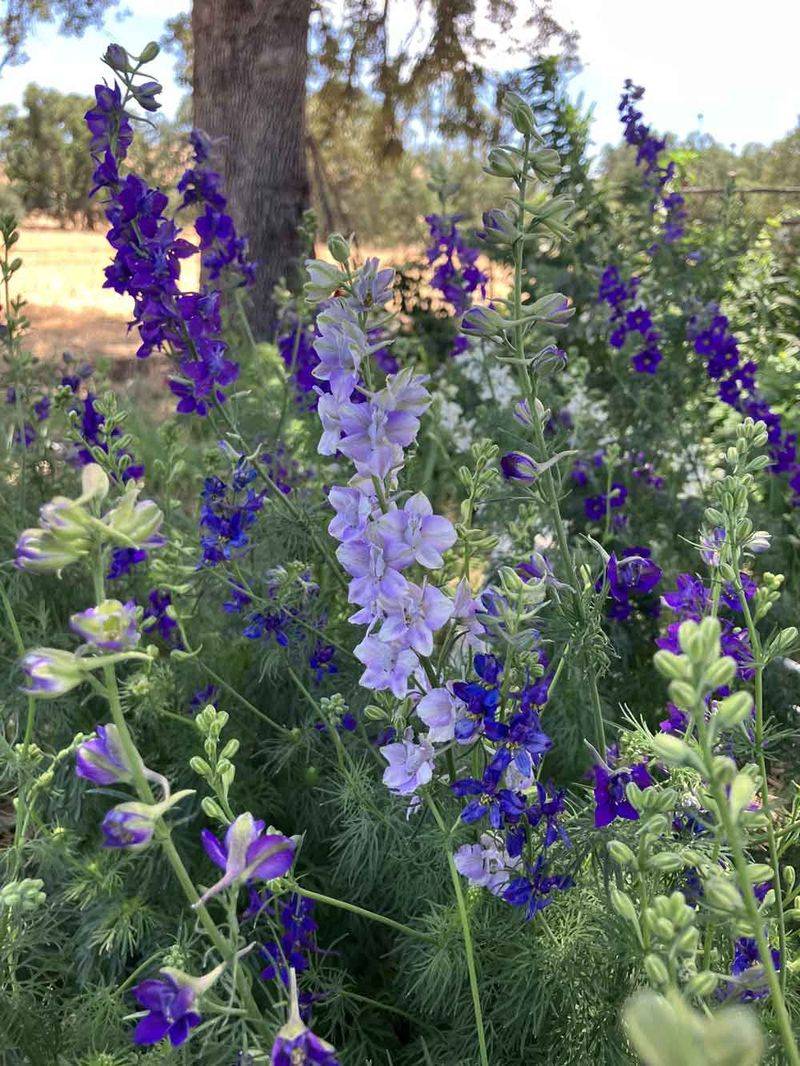
For gardeners who want spring flowers with real presence, rocket larkspur is hard to ignore. Taller and more dramatic than many cool-season bloomers, it sends up dense spires that can turn an ordinary border into something that feels full, layered, and a little theatrical.
Rocket larkspur stands out from standard larkspur because of its stronger vertical habit and showier flower spikes. That makes it especially useful at the middle or back of a bed, where it can anchor lower flowers and give the whole planting more depth.
In Southern regions, fall sowing often produces the best results because seedlings grow during the mild season and flower before early summer heat cuts them back. For Texas gardeners trying to build a spring display with height, this timing can be the difference between a decent showing and a memorable one.
Scatter seed in full sun, keep the area weed-free while seedlings are small, and avoid heavy fertilizer that can push weak growth. The stems also work nicely in cut arrangements, which adds value beyond the garden bed itself.
If your yard tends to look flat in late winter and early spring, rocket larkspur brings the kind of upward movement that changes the scene fast.