
A plant can look pretty in the nursery and still turn into a big headache at home. Some spread into lawns, climb onto fences, crack hardscape, or create safety problems for kids, pets, and neighbors.
In warm Southern yards, especially in Florida and Texas, a long growing season can make those problems show up fast. Knowing which plants cause the most trouble can save you money, time, and a lot of regret.
1. Running Bamboo
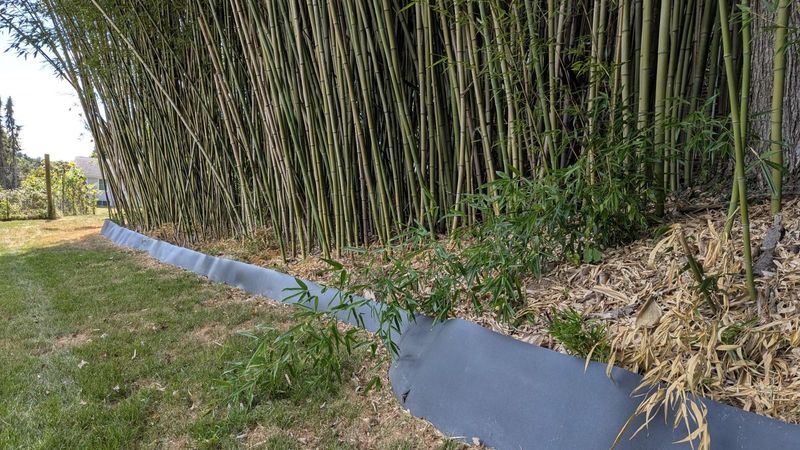
One small clump can turn into a neighborhood argument before a homeowner realizes what is happening. Running bamboo looks calm and architectural at first, but underground rhizomes can travel well beyond the spot where it was planted.
In Southern climates with long warm seasons, especially parts of Texas, that spread can be quick and expensive to stop. New shoots may pop up in lawns, vegetable beds, along foundations, and even on the other side of a fence.
Homeowners sometimes end up paying for root barriers, repeated digging, and damaged relationships with neighbors who never agreed to grow bamboo in their yards.
Another problem is scale. What begins as a privacy screen can become a dense stand that blocks access, crowds out other plants, and creates a messy cleanup job when leaves and dry canes build up.
During storms, tall canes may also lean, snap, or fall into shared spaces.
If you love the look, clumping bamboo is usually a safer choice than running kinds. Before planting any bamboo, check the label carefully, ask how it spreads, and plan for long-term control.
A beautiful screen is not worth a multi-year removal project.
2. Chinese Wisteria
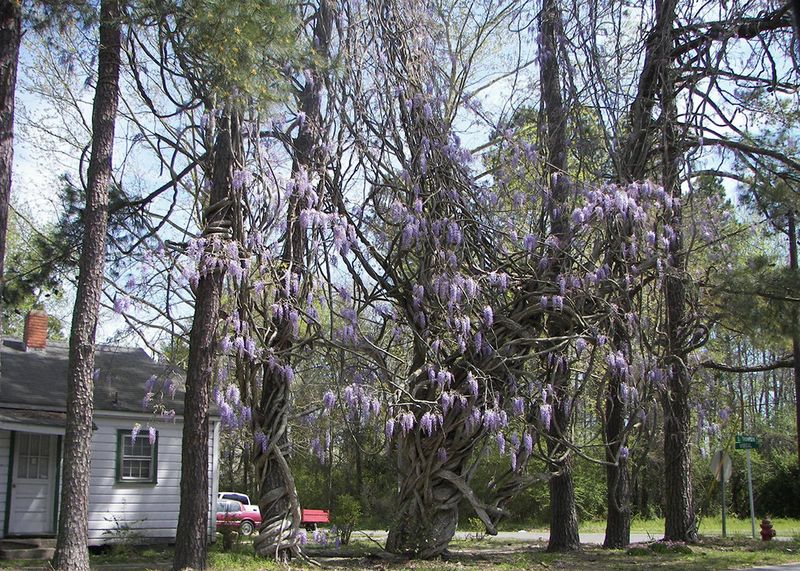
At bloom time, wisteria can make a yard look like a magazine cover. A few seasons later, that same vine may be twisting around gutters, shutters, railings, and young trees with a grip strong enough to cause real damage.
Chinese wisteria is one of those plants that fools people with beauty first and consequences later. In warm Southern conditions, it can grow with shocking speed, sending long runners into shrubs, up porches, and across fences.
Thick stems become woody over time, and they may squeeze tree trunks, pull on supports, or work into cracks around structures if left alone.
The maintenance burden surprises many homeowners most of all. This is not a plant you trim once and forget.
It often needs regular hard pruning to keep it from swallowing nearby plants and turning a tidy entry or pergola into a heavy, tangled mass. Seed pods and dropped stems can add to the mess.
American wisteria is often a better-behaved alternative for gardeners who want that romantic look. If Chinese wisteria is already in your yard, staying ahead of it with strong supports and strict pruning may help reduce trouble, but it rarely becomes a low-effort plant.
3. English Ivy
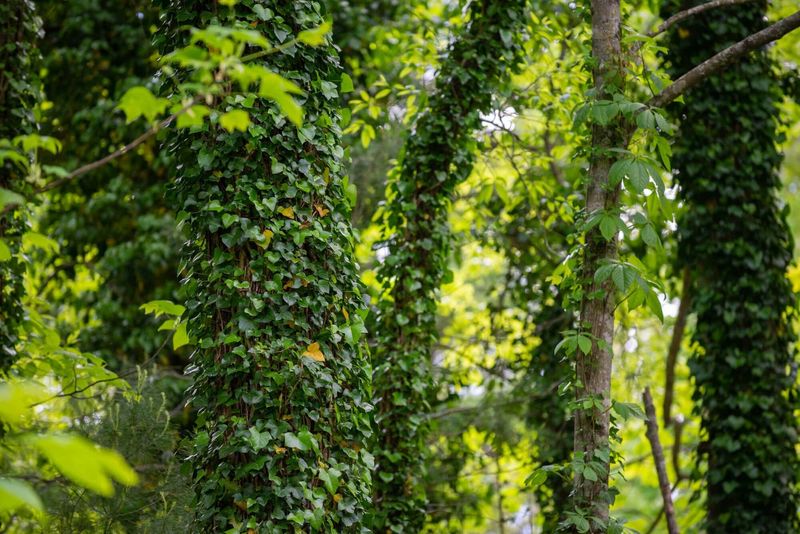
Plenty of old houses wear ivy like a charming green sweater, which is exactly why so many people give it a pass. The trouble starts when English ivy stops acting like decoration and starts behaving like a slow, stubborn invader.
Once established, it can creep across beds, climb fences, and attach itself to walls and tree trunks. On masonry, the clingy rootlets may work into weak mortar or trap moisture against surfaces.
On trees, a heavy covering can block light, add weight, and make storm damage more likely, which matters in windy, hurricane-prone parts of the South.
Wildlife concerns add another layer. Dense ivy growth can shelter pests such as rodents, and the plant itself spreads into natural areas where it may crowd out native groundcovers.
That matters for homeowners who back up to woods, drainage areas, or neighborhood greenbelts.
Removal is also more annoying than people expect. Pulling vines off a wall too fast can damage surfaces, while leaving roots in the soil often means it comes back.
If you want evergreen coverage without the same headaches, look into better-behaved regional groundcovers that fit Florida or Texas conditions more cleanly.
4. Mint
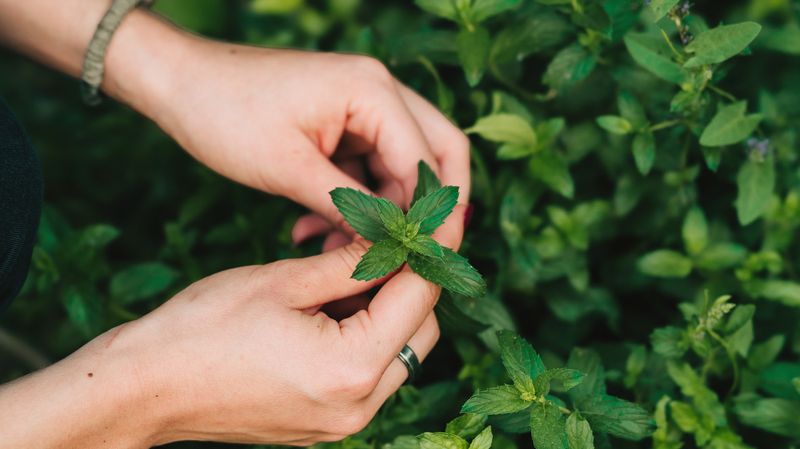
Everybody loves the idea of stepping outside for fresh mint tea, mojitos, or summer fruit salads. What catches new gardeners off guard is how fast mint can turn one neat herb corner into a chasing game across the whole bed.
Mint spreads by underground runners, not just by seed, so it does not stay politely where you first tuck it in. In warm, watered Southern yards, it can move into vegetable beds, lawn edges, and cracks beside pavers before the gardener even notices the takeover.
Pulling a few stems rarely solves the problem because small root pieces left behind can regrow quickly.
The real homeowner trouble is not dramatic, but it is persistent. Mint tangles into other plants, steals moisture and room from crops, and makes beds look shaggy instead of tidy.
For readers who grow tomatoes, peppers, or cucumbers nearby, that crowding can complicate harvesting and airflow at the worst time of year.
The easy rescue is simple but often skipped. Grow mint in a pot, or keep it in a raised planter that does not connect to open soil.
You still get the fragrance and the harvest, but you avoid turning a useful herb into a backyard chore that keeps coming back.
5. Trumpet Vine
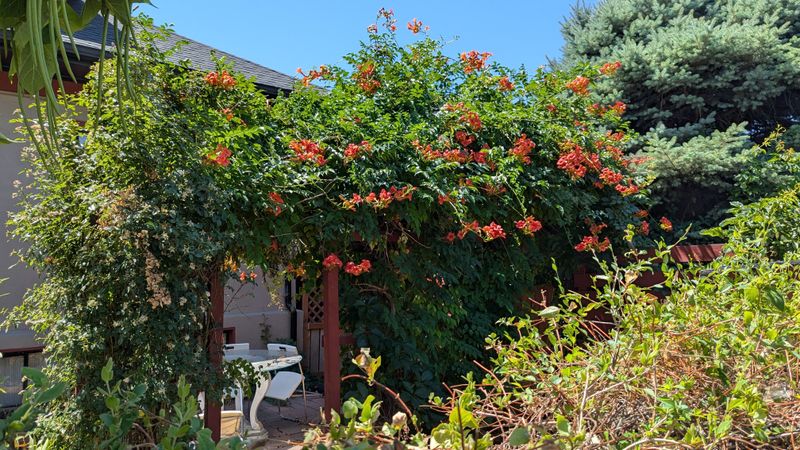
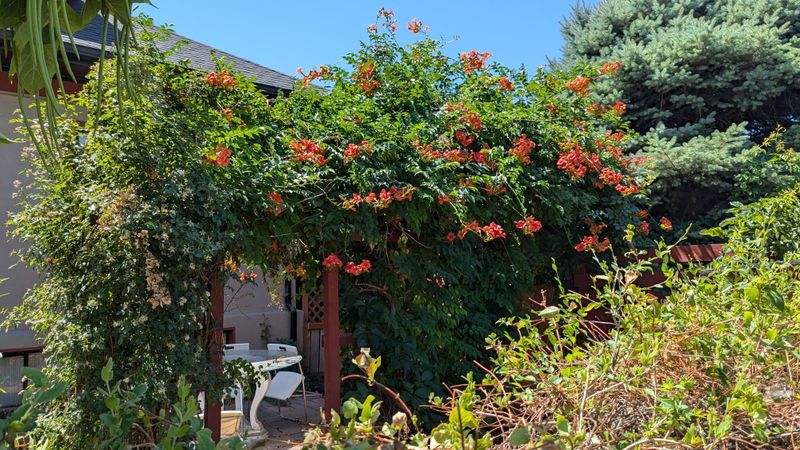
Hummingbirds make trumpet vine easy to forgive, at least for the first year or two. After that, many homeowners realize they did not plant a friendly flowering vine so much as a determined climber with plans for the whole yard.
Trumpet vine grows fast, flowers hard, and sends up suckers in places where it was never invited. Along fences, sheds, porches, and arbors, it can become thick and woody, making supports harder to maintain or paint.
In warm Southern climates, that vigorous growth can feel nonstop, especially when summer heat and rain push everything into overdrive.
Another surprise is how far it may travel from the original planting spot. Shoots can appear in lawn, beds, or along property edges, creating a scattered cleanup job instead of one simple vine to prune.
Homeowners who want a polished front or backyard often find themselves cutting it back repeatedly just to keep paths, railings, and windows clear.
There is nothing wrong with loving pollinator plants, but placement matters with this one. If you decide to grow trumpet vine, give it a very sturdy structure away from the house and expect active maintenance.
Otherwise, a native coral honeysuckle may offer a more manageable hummingbird-friendly option for many Southern gardens.
6. Mexican Petunia
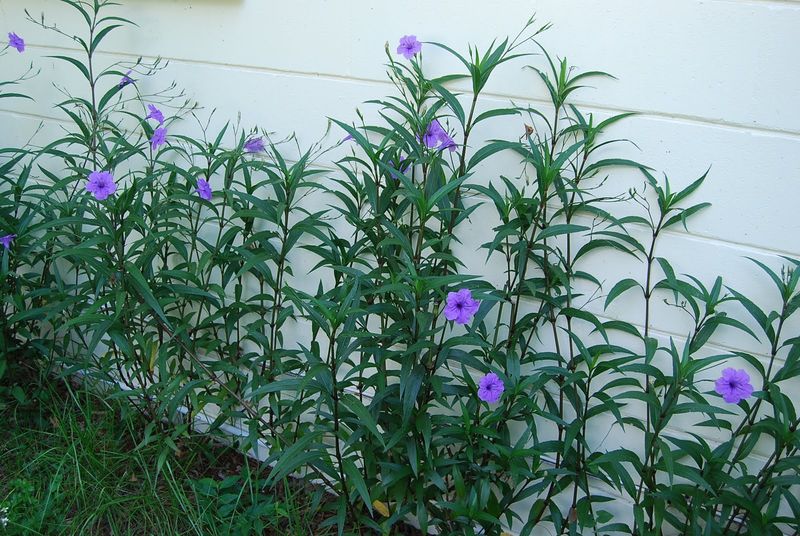
Garden centers sell Mexican petunia because it handles heat, rain, and neglect with very little complaint. That toughness is exactly what gets homeowners in trouble, especially in Florida, where it can spread far beyond the spot they meant to fill.
In a small bed, it starts out as an easy purple bloomer. Over time, many forms can expand by roots and seed, thickening into large patches that squeeze out neighboring plants and creep toward wetter parts of the yard.
Near ditches, ponds, or drainage paths, it may move into places where control gets harder and local environmental concerns become more serious.
For a homeowner, the headache is often realizing too late that the pretty border plant is now a repeating cleanup project. Digging clumps is work, and missed pieces may sprout again.
In visible front beds, the plant can also make a design feel coarse and overrun when it spreads beyond the original line.
A better route is to choose sterile cultivars that are considered less likely to spread, or swap in native alternatives with a similar color effect. In Florida and the Gulf Coast, that extra label-reading step can save a lot of effort and help keep nearby natural areas from getting unwanted garden escapees.
7. Oleander
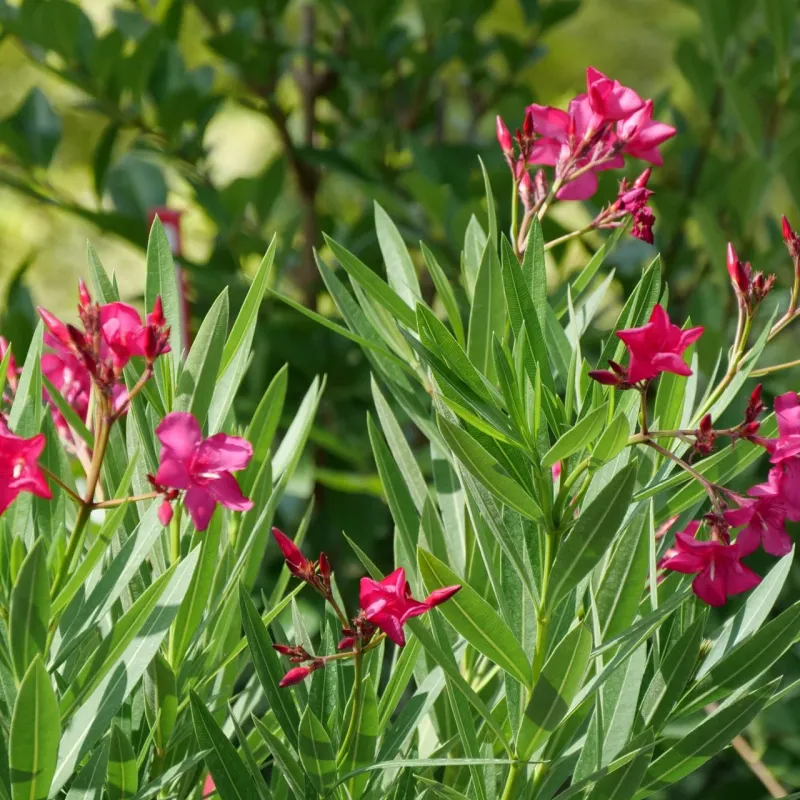
Few shrubs look more ready for Southern heat than oleander. It is tough, drought tolerant once established, and covered in blooms, which explains why so many homeowners plant it without thinking much about the risk side.
Every part of oleander is highly toxic if eaten, and even routine cleanup deserves care. That matters in backyards where children play, pets chew on leaves, or yard waste gets piled where animals might nose around.
Smoke from burning trimmings can also be hazardous, so disposal is not something to handle casually.
Homeowner trouble with oleander is different from the spread-and-takeover problem of invasive vines. Here, the issue is liability, placement, and day-to-day safety.
A shrub near patios, pools, play zones, or pet runs may become a source of constant worry rather than easy beauty. Pruning also means handling sap and clippings carefully, which adds a layer of caution many people did not expect from a landscape plant.
If you already have oleander, good placement and careful maintenance can reduce problems, but many families prefer to replace it with a safer flowering shrub. In Florida and Texas, there are plenty of heat-tolerant choices that offer color without bringing the same level of concern into a lived-in backyard.