
A lot of gardeners feel the urge to clean everything up as soon as flowers fade. But some perennials actually do better when you leave them standing through fall and into winter.
Their stems, seed heads, and dried blooms can protect the plant, feed birds, and help helpful insects survive. If you want a yard that looks good longer and works harder for wildlife, this simple habit can make a big difference.
1. Purple Coneflower
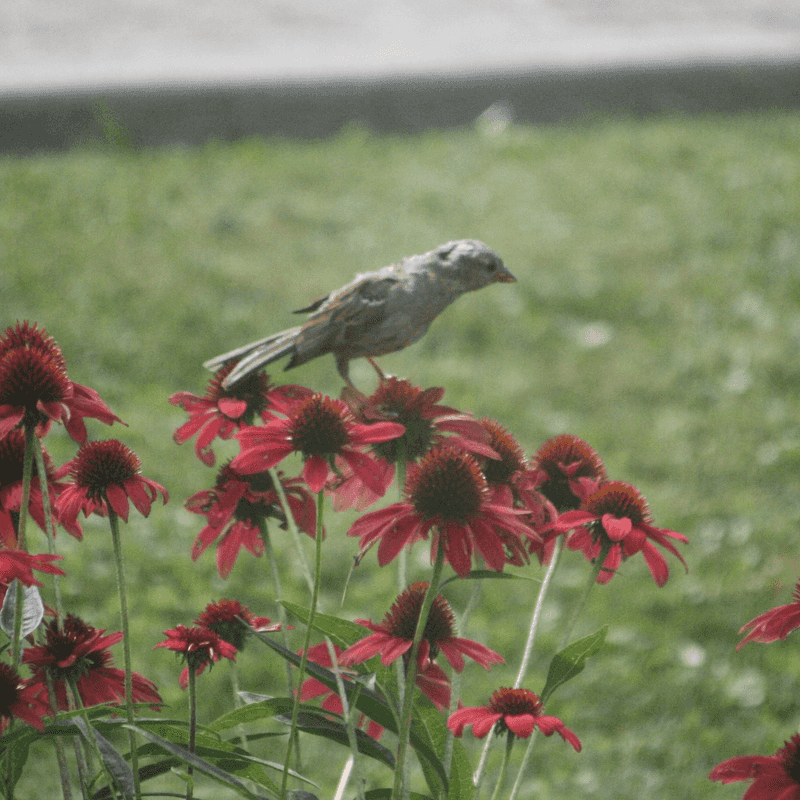
Few plants earn their keep in three seasons quite like purple coneflower. After the bright blooms are gone, the stiff seed heads stay upright and handsome, turning into a snack station for small birds when cooler weather settles in.
Goldfinches and other seed-eaters often visit coneflowers well into fall, and sometimes into winter. Cutting the stems too early removes that food source and also erases a lot of texture from beds that might otherwise look flat after summer heat has faded.
Those sturdy stalks can help mark where the plant sits, which matters in Southern gardens where warm spells can blur the line between dormancy and active growth. In parts of Texas and much of Florida, gardeners may not get a sharp seasonal shutdown, so leaving stems in place can prevent accidental digging, trampling, or overmulching.
There is another quiet benefit. The crown may be a little better buffered from temperature swings and splashy winter rains when old growth remains in place.
Wait until late winter or very early spring to cut it back, then clear away the old stems just as fresh growth begins. You keep the wildlife value, protect the plant, and enjoy a garden that still has shape after bloom time ends.
2. Black-Eyed Susan
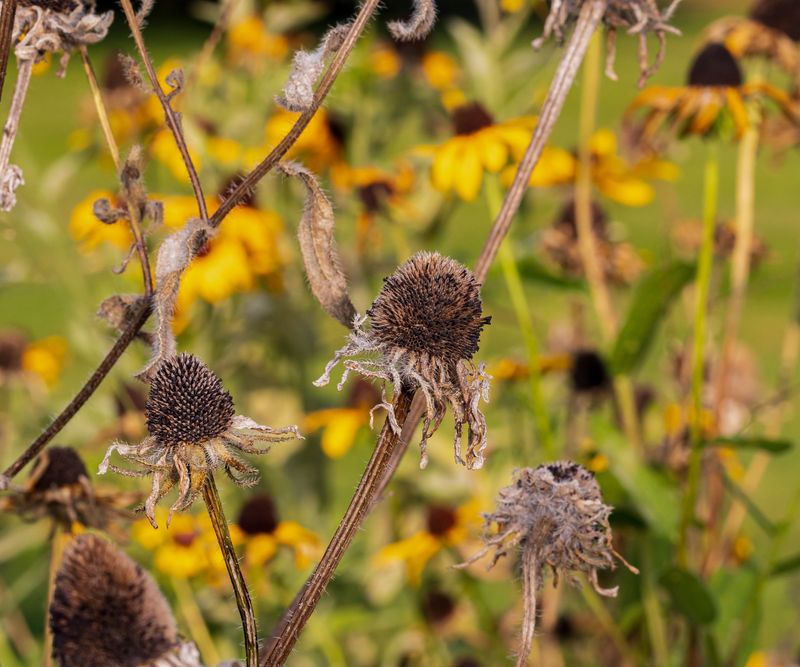
Bright summer color is only half the story with black-eyed Susan. Once the petals fade, the dark centers dry into tidy seed heads that keep a border from looking empty and can draw birds searching for food later in the season.
Gardeners often treat this plant like a quick cleanup candidate because it finishes blooming so boldly. Yet the upright stems still contribute structure, especially in front-yard beds where bare gaps show up fast after summer annuals and tender plants start to decline.
In Southern landscapes, that extra structure matters more than many people expect. Long warm falls in Florida and Texas can make a garden feel awkward when everything is cut down at once, but black-eyed Susan helps bridge the gap between peak bloom and winter rest.
The standing tops also offer small shelter pockets for beneficial insects that use dried plant material as seasonal cover.
Another practical reason to wait is simple visibility. Leaving the plant up helps you remember where self-sown seedlings may pop up nearby, making it easier to decide what to keep in spring.
Trim it back once new basal growth is clearly moving. Until then, the dried stems hold their own as part of a cleaner-looking, more natural fall bed rather than a rushed one.
3. Autumn Joy Sedum
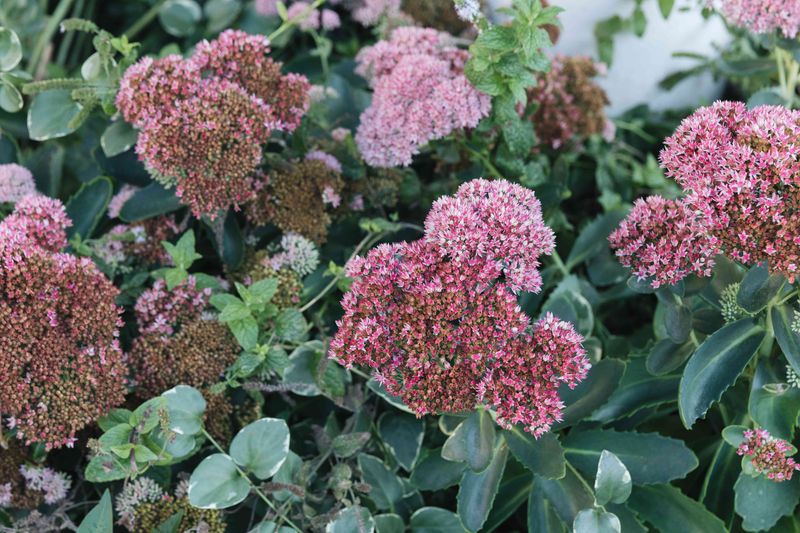
Autumn Joy sedum seems to save its best performance for the very moment many gardeners think about cutting back. The flower heads age from pink to coppery rose, then to a deep rust tone that looks especially striking when lower autumn light hits the bed.
Unlike softer perennials that flop into mush, sedum often dries into a strong, sculptural form. That means you keep color and shape even after the bloom peak has passed, which is helpful in Southern yards where fall displays need to carry visual weight for weeks, not days.
There is also a plant-health angle. Leaving the top growth in place can help shield the crown from winter wet and sudden temperature shifts, both of which can stress succulents more than steady cold does.
In areas of Texas with erratic cold snaps, or parts of the South where warm spells are followed by abrupt dips, that little layer of standing growth may help moderate stress around the base.
Dried flower clusters can catch frost, dew, and low light in a way that makes the whole plant look intentional long after many flowers are done. Cut sedum back in late winter or early spring, when new shoots begin pushing from the base.
Until then, it acts like a built-in arrangement right in the garden.
4. Joe-Pye Weed
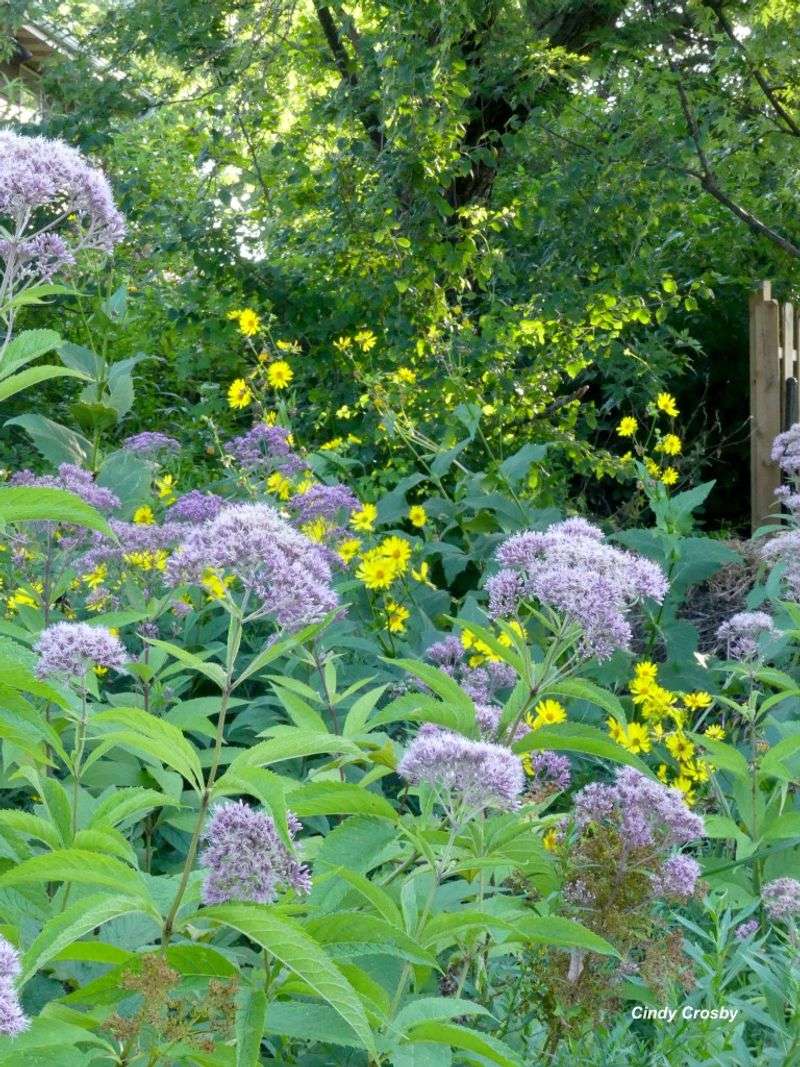
Height changes everything in a fall border, and Joe-Pye weed brings plenty of it. Even after its dusky flower clusters fade, the tall stems keep a planting from collapsing into a low brown blur.
That height is not just for show. The dried flower heads and sturdy framework can offer shelter for insects, and the plant itself helps maintain a layered look in wildlife-friendly beds when shorter perennials have already disappeared from view.
For Southern gardeners, especially those working with larger backyard borders, rain gardens, or damp spots, Joe-Pye weed pulls extra weight. It suits places that stay moist through summer storms and still looks useful after bloom, which is not true of every tall perennial.
Leaving it standing may also help identify the plant’s footprint during winter cleanup, a real plus when spring growth comes late and nearby soil is easy to disturb.
Because Joe-Pye weed can be a big visual anchor, removing it too soon often creates an empty hole in the planting design. Let the stems remain through fall and into winter, then cut back before the new season gets going.
You will preserve habitat value, keep a stronger garden silhouette, and avoid that suddenly shaved-down look many borders get after an eager autumn cleanup.
5. Aster
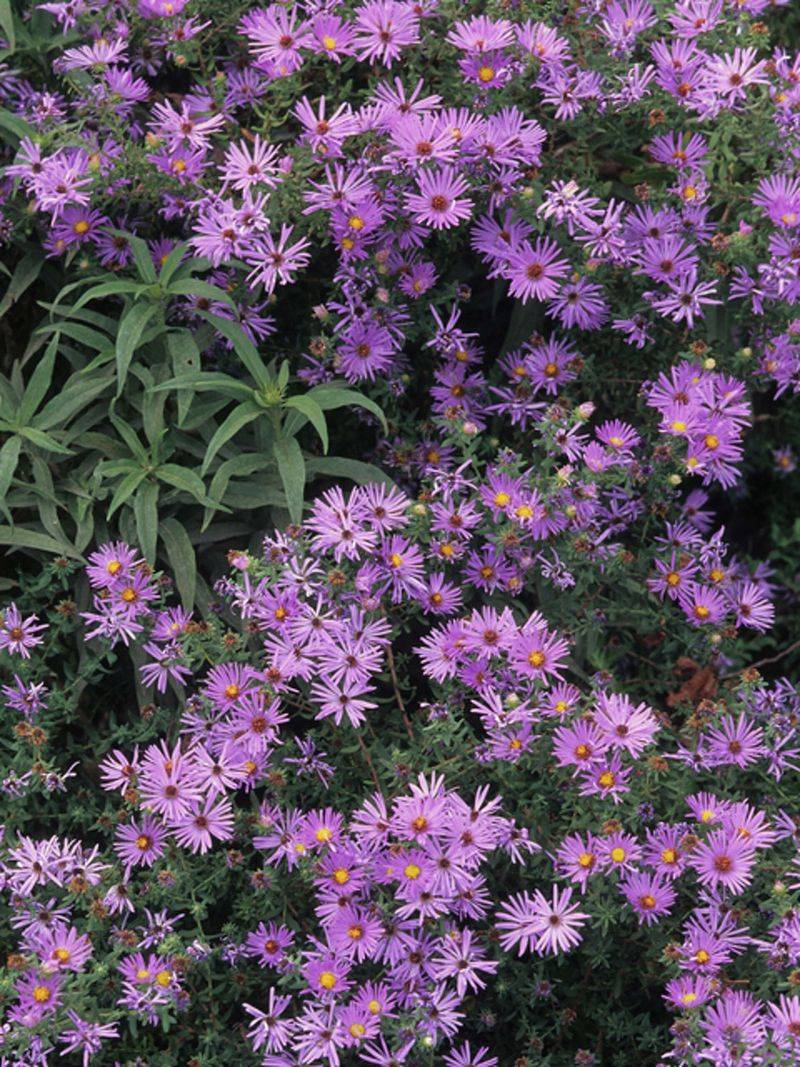
Just when many flowers are quitting, asters step in and stretch the season. That late bloom alone makes them valuable, but their role does not end when the petals finally dry and the seed heads begin to form.
Leaving asters standing helps support a more natural fall rhythm in the garden. Late pollinators may still visit lingering blooms, and once flowering wraps up, the fading stems continue to fill space instead of leaving sudden bare patches in the border.
In the South, asters can be especially useful because they carry color into a time of year when heat-battered summer plants often look worn out. Gardeners in Texas and North Florida may still see active insects well into autumn, so an early cutback can interrupt a plant that is not fully finished with its seasonal job.
The old top growth may also give a bit of protection to the crown during stop-and-start weather.
There is an aesthetic reason to wait too. The airy seed heads and branching stems soften a planting that might otherwise turn stiff or sparse after summer.
Hold off on cutting until late winter or the first signs of fresh spring growth. You get longer color, steadier habitat value, and a bed that eases into dormancy instead of dropping off all at once.
6. Switchgrass
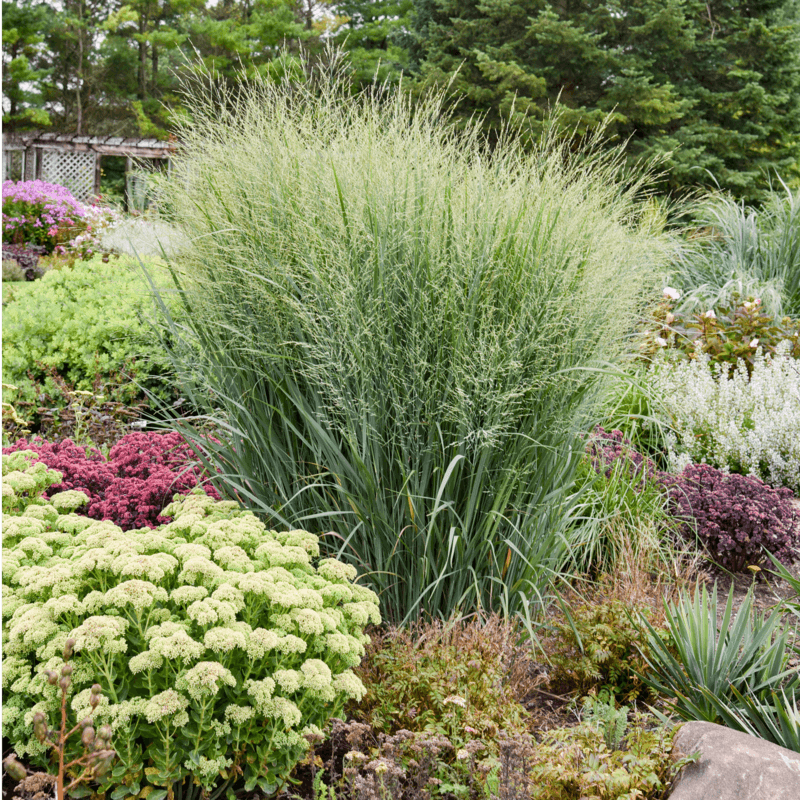
Movement is the magic trick switchgrass brings to a fall garden. Even a light breeze can turn its upright blades and airy seed heads into one of the most eye-catching parts of the yard after showier flowers have finished.
Cutting it down early takes away that motion and removes one of the best vertical accents for the cooler months. The standing foliage also gives birds cover and can help the planting feel fuller when nearby perennials have gone quiet.
Southern gardeners often need plants that still look intentional during long shoulder seasons, and switchgrass does that beautifully. In Texas, especially, it fits dry heat, open sun, and more naturalistic designs around patios, driveways, and wide borders.
In parts of the South with heavy rain followed by crisp clear spells, the dried blades and seed plumes keep delivering texture without asking for much work.
There is also a maintenance benefit. Leaving the grass up through winter protects the crown and makes cleanup easier because you can shear the whole clump at once just before spring growth starts.
If you cut it too soon, you lose months of structure for almost no gain. Let switchgrass stand until late winter, and it will keep doing what it does best, giving your garden height, softness, and a sense of motion.
7. Bee Balm
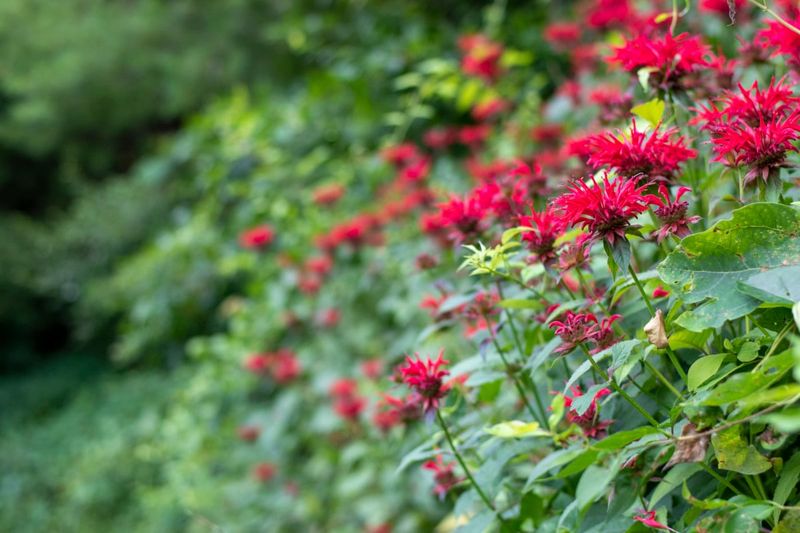
Bee balm has a slightly wild look even in summer, so its fall form feels right at home when left alone a little longer. After the shaggy flowers fade, the seed heads and upright stems still add character instead of reading like garden clutter.
Many gardeners are tempted to tidy bee balm quickly because it can look rough after blooming. But early cutting removes stem structure that beneficial insects may use and shortens the season of visual interest in pollinator beds that need something to carry them past peak bloom.
Another reason to wait comes down to plant location. Bee balm often grows among other midsized perennials, and leaving the old stems standing helps mark the clump so you do not crowd it with cool-season additions or accidental digging.
In Southern gardens where fall planting season is busy, that simple marker can save real trouble later.
Good air circulation still matters, so any obviously diseased material should be cleaned up rather than left in place. Healthy stems, though, can remain until late winter or early spring without causing a problem in most home landscapes.
By then, you can cut everything back cleanly as new growth begins. The result is a bed that supports more life, keeps a looser cottage-garden charm, and avoids the too-bare look that follows a hard autumn trim.
8. Liatris
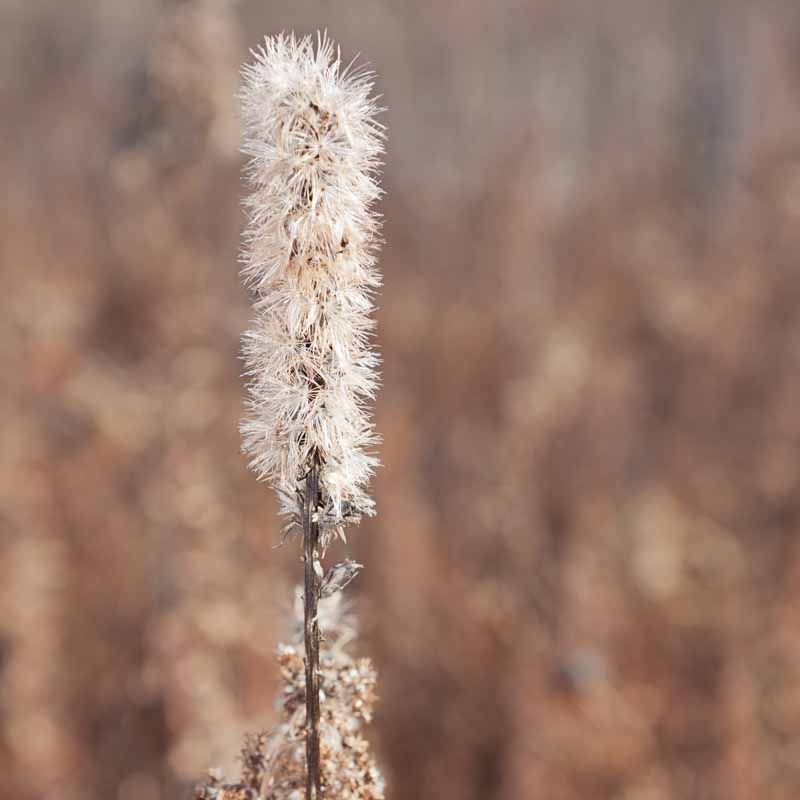
Those tall bottlebrush blooms do not lose all their value when the purple color fades. Liatris keeps a slim, upright shape into fall, and the dried spikes bring a crisp, prairie-style look that works especially well in sunny Southern beds.
Because the plant is narrow rather than bulky, it adds punctuation without making the border feel crowded. Leaving it standing helps preserve that rhythm, and the seed heads may also offer food for birds while the stems contribute a bit of seasonal shelter for beneficial insects.
Liatris can be easy to forget once dormant, particularly if it is planted among ornamental grasses or other late-season perennials. Keeping the old flower stalks in place acts like a flag for the corms below, reducing the chance that you dig, divide, or overplant right on top of it during fall garden projects.
That is useful in warm parts of the South where planting and rearranging often continue long after northern gardens are put to bed.
From a design standpoint, liatris gives you vertical interest without heaviness. A border with a few dried spikes still standing looks layered and deliberate instead of abruptly flattened.
Wait until late winter or early spring to cut it back. You will protect the planting plan, keep wildlife benefits around a little longer, and hold onto a strong silhouette during the quieter months.
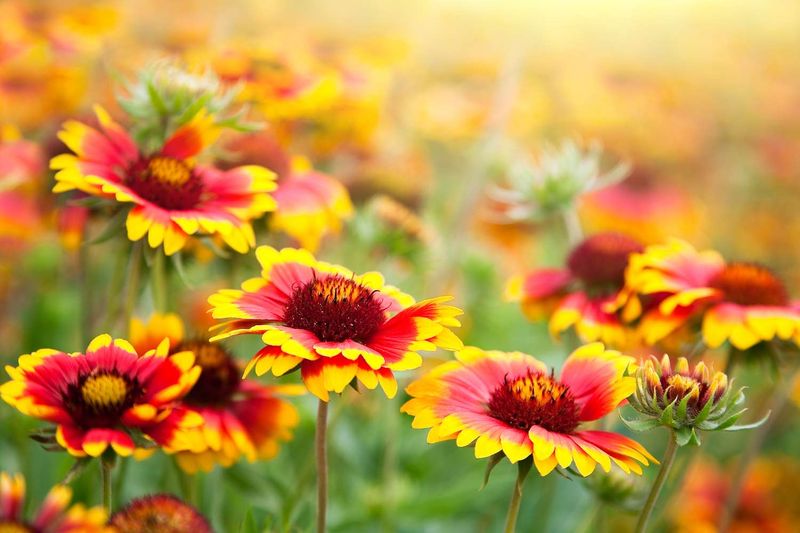
9. Blanket Flower
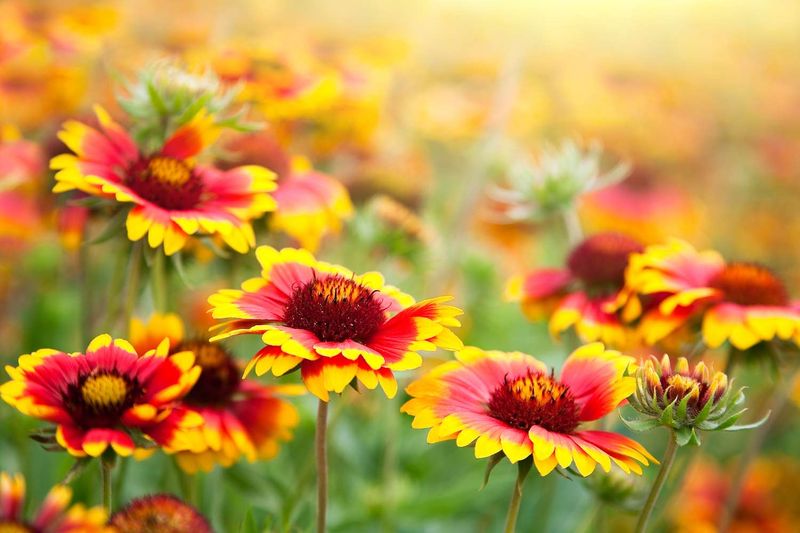
Blanket flower can surprise you by refusing to quit when other summer bloomers are worn out. In many Southern gardens, especially warmer parts of Texas and Florida, it may keep tossing out a few extra flowers deep into fall if the weather stays mild.
That alone is a good reason not to rush in with pruners. Cutting back too early may remove buds, shorten the bloom season, and erase the cheerful seed heads that help the bed stay lively after peak color has passed.
There is a practical side as well. Blanket flower often thrives in hot, lean, sunny spots where gardeners want dependable color without fussy care.
Leaving the plant standing a while longer can help shade and identify the crown, and the old top growth may offer slight buffering against winter wet around the base. Since this perennial dislikes sitting soggy, it makes sense to avoid heavy mulching or aggressive cleanup that traps too much moisture.
Visually, the fading reds, golds, and rounded seed heads fit right into an autumn palette. They look relaxed rather than messy when paired with grasses, salvias, or other drought-tolerant companions.
Wait until late winter or early spring to trim away what is truly spent. You may get a longer show, easier crown protection, and a more natural transition from summer into the cooler season.