
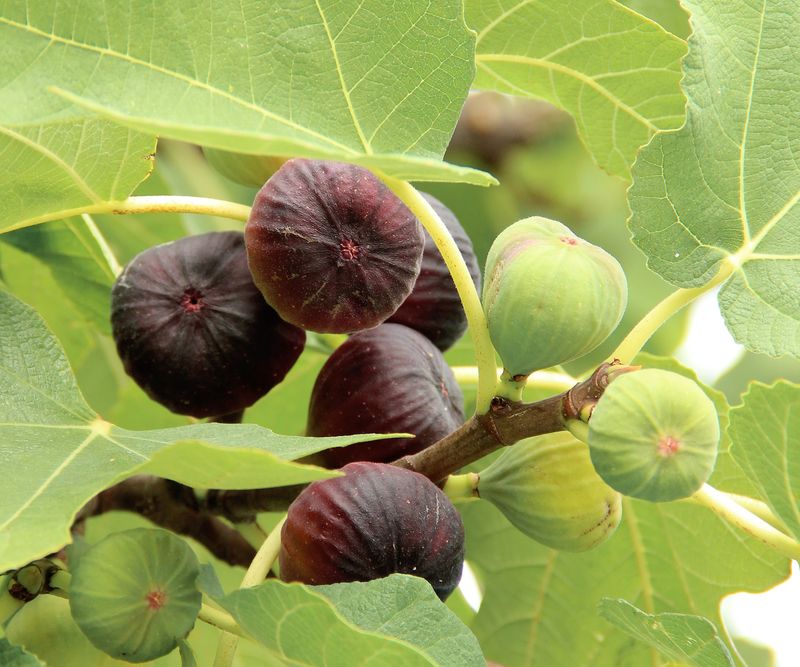
A fig tree that pushes out lush, dark leaves all season but hands you almost nothing to eat is one of the more frustrating sights in a Southern backyard. The good news is that a small number of correctable problems account for most of the gap between a leafy tree and a productive one.
Fixing the right issue may improve fruiting, though no single change guarantees a full harvest. Working through a short checklist of the most likely causes gives you a realistic shot at a better crop next season.
Treat abundant leaves as a clue, not a diagnosis
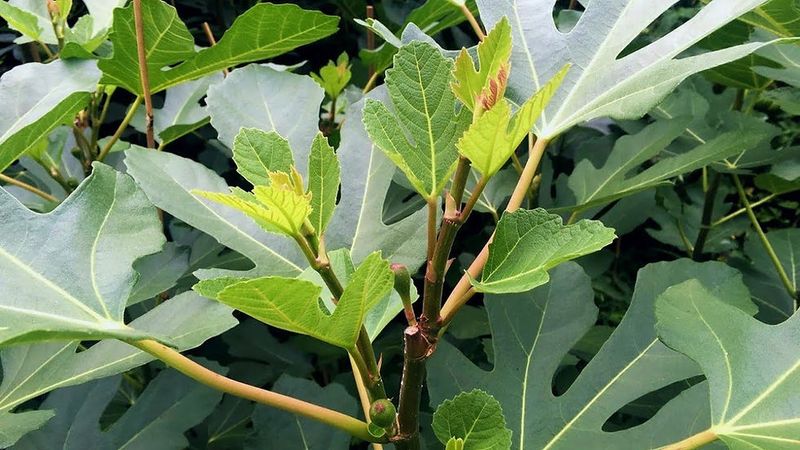
Vigorous foliage on a fig tree is easy to read as a sign of health, but when leaves come in thick and fruit stays scarce, the tree is telling you that vegetative growth and fruit production are pulling in different directions. That imbalance has several possible causes, and leafy growth alone does not point to any single one of them.
Before changing anything, spend a few minutes recording what you actually know about the tree.
Write down the tree’s age, the cultivar name if you have it, and a rough history of past harvests. Note how vigorously the new shoots are growing, whether fruit forms and then drops early, and whether you noticed any freeze damage over the last winter or two.
Look for visible pest damage, unusual spots on leaves, or any signs that something is eating fruit before you can reach it. Texas A&M AgriLife Extension guidance on figs notes that winter damage, cultivar limitations, and site conditions all affect production independently of routine care.
A mature tree that has never produced well is a different situation from a young tree that simply has not reached reliable bearing age yet. Some figs need two to six years before they settle into consistent fruiting, so age alone can explain a light harvest.
UC IPM’s fig drop and no-fruit resource reinforces that several independent factors can suppress production at once, which is why a checklist approach works better than assuming one universal cause.
Check light and moisture against the tree’s actual conditions
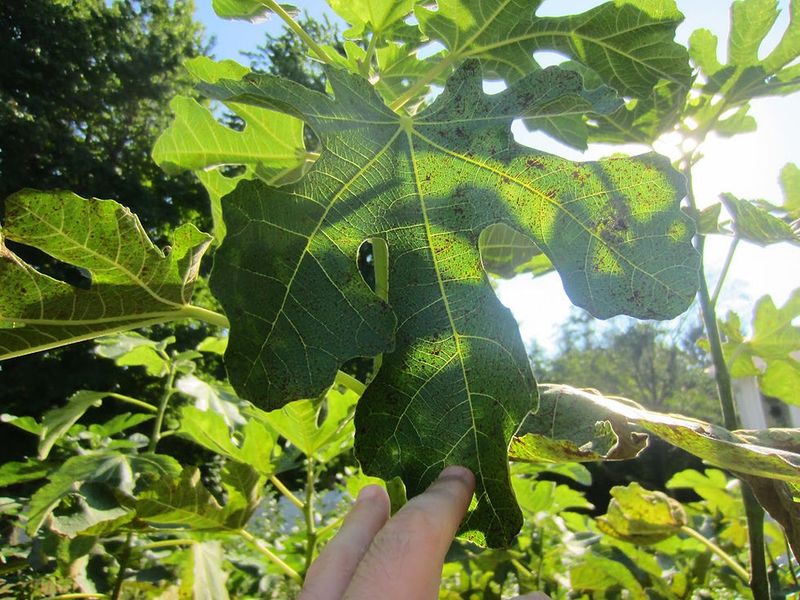
Before adjusting fertilizer or reaching for pruning shears, walk around the tree at midday and honestly assess how much direct sun it receives. Figs perform best in full sun, and Clemson Extension’s fig care guide specifies roughly eight or more hours of daily sun as the target.
A tree growing under the edge of a large shade tree or beside a fence that blocks afternoon light may grow leaves just fine while producing fewer or lower-quality figs because it simply lacks the energy for fruit development.
Moisture is the other site factor worth checking before anything else. Fig roots are relatively shallow, which means they can dry out faster than you might expect during hot Southern summers, especially during the weeks when fruit is sizing up.
At the same time, soil that stays persistently wet or drains poorly can damage roots and reduce overall tree health. UF/IFAS guidance for Florida fig growers emphasizes well-drained soil as a non-negotiable site requirement, particularly given Florida’s heavy seasonal rains.
Regional watering figures are starting points rather than fixed rules. Clemson suggests about one inch of water per week as a general guide for its region, while UF/IFAS notes that mature trees may need 20 to 50 gallons per week during dry stretches if rainfall falls short.
Texas A&M’s fig production resource points out that supplemental irrigation is especially important in the drier parts of the state. Correct whichever moisture extreme is most evident rather than following a rigid schedule that may not match your specific soil and climate.
Question nitrogen when shoots outgrow the crop
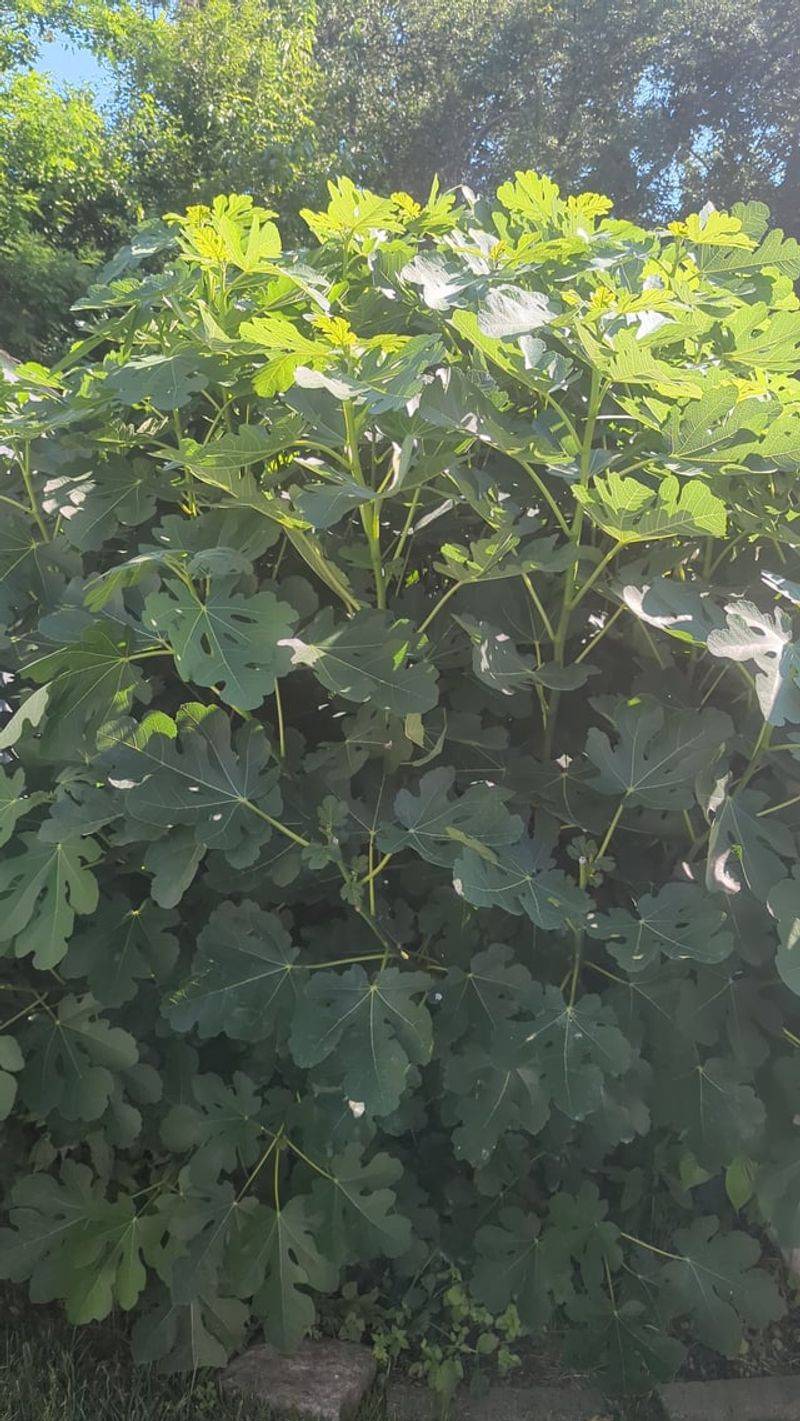
Heavy nitrogen feeding can create exactly the kind of tree that frustrates Southern gardeners: strong, fast-growing shoots, big dark leaves, and almost no ripe figs. Nitrogen pushes vegetative growth, and when a tree has more than it needs, that energy goes into stems and foliage rather than fruit.
UC IPM’s fig fruiting resource links excess nitrogen directly to poor fruit set and delayed ripening.
Reaching for a fertilizer booster because the tree lacks figs is a common mistake and can make the problem worse. If shoots are already growing vigorously, the right first step is to pause any supplemental feeding while you assess the full picture: tree vigor, fertilizer history, soil conditions, and what local recommendations say for your region and soil type.
UF/IFAS’s home orchard fertilization calendar specifically flags excess fertilization as a driver of excessive vegetative growth and low yield in Florida fig plantings.
Foliage alone cannot prove that nitrogen is the problem. A young tree, a naturally vigorous cultivar, a good rainy season, or recovery from freeze damage can all produce lush growth even when fertilizer is not excessive.
UC IPM’s fig fertilizing guidance and Alabama Extension’s fig production guide both suggest using shoot growth as one indicator of whether feeding is appropriate rather than applying nutrients on a fixed calendar. A soil test or a conversation with your local Extension office can help you decide whether a nutrient correction is actually warranted before you make a major change.
Prune according to the crop you want to preserve
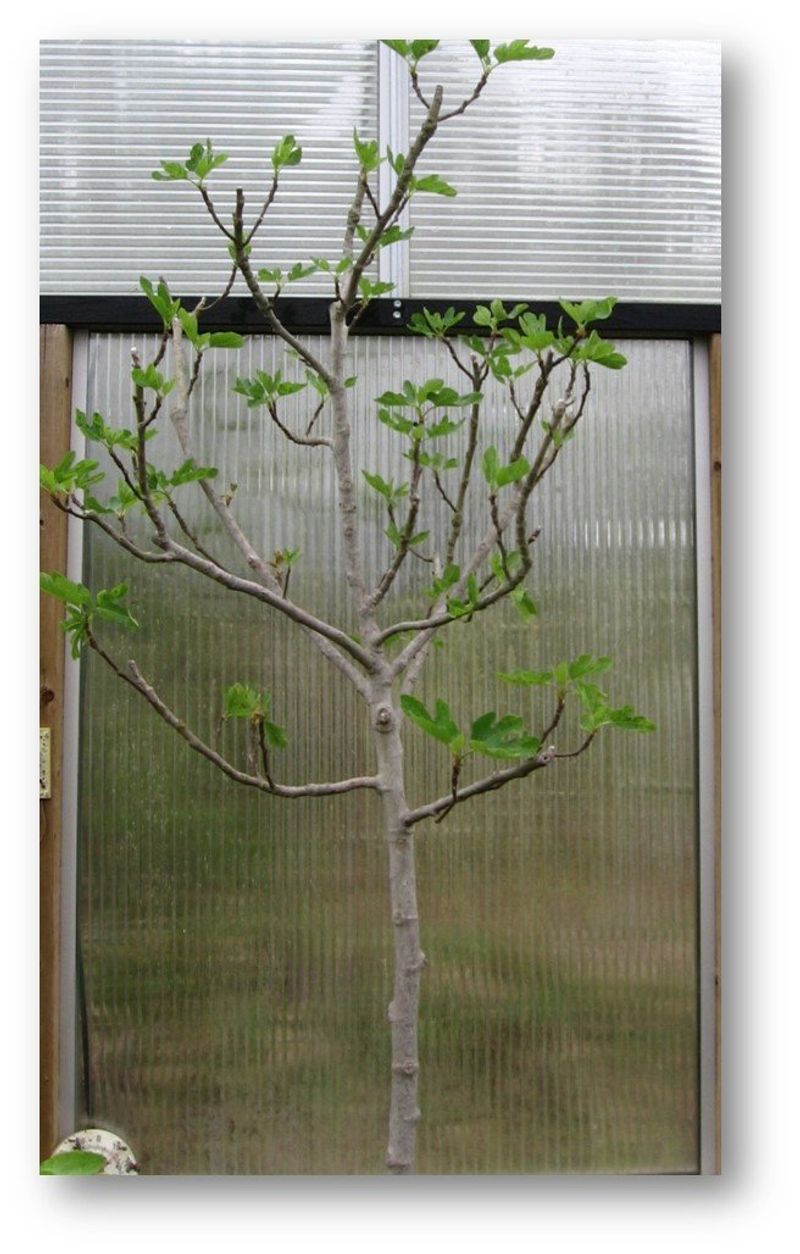
Hard winter pruning as a way to force fruit sounds logical but can backfire, especially if you value the early season breba crop. The breba crop develops on one-year-old wood, meaning branches that grew the previous season.
Cut those branches off during dormancy and the breba is gone for that year, even if the tree goes on to produce a main crop later in the season on its new growth.
The main crop generally forms on current-season wood, so it is more resilient to dormant pruning. A gardener who does not care about brebas and mainly wants a late-summer main crop can accept heavier winter cuts with less risk.
University of Maryland Extension’s fig growing resource and Clemson Extension’s fig care factsheet both explain that pruning decisions should reflect what crop type the gardener is trying to protect.
For most Southern home gardeners, the safest starting point is to remove wood that is clearly dead, diseased, weak, or crossing and rubbing against other branches. That kind of cleanup improves airflow and structure without eliminating productive wood.
Alabama Extension’s fruit tree training and pruning guide recommends this conservative approach before considering heavier cuts. Cultivar, region, tree condition, and your own harvest priorities should all factor into any decision to prune more aggressively, and when in doubt, cutting less is the lower-risk choice.
Confirm the cultivar before blaming the pollination routine
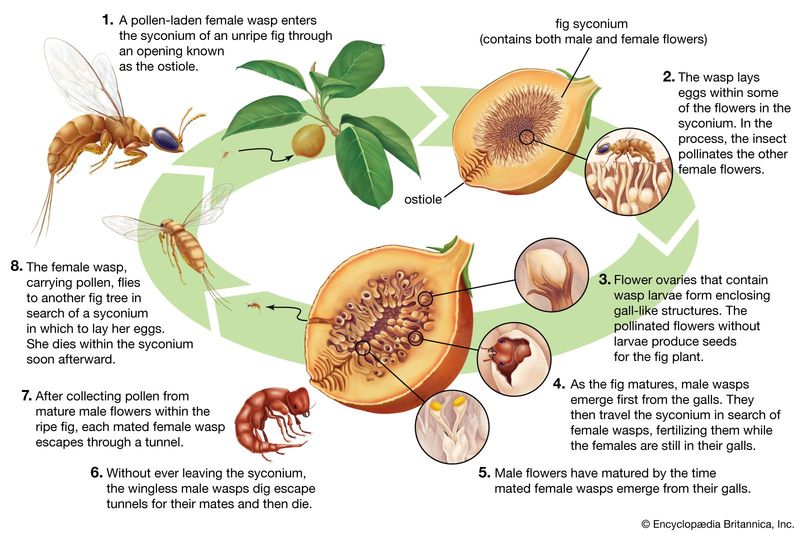
Many Southern gardeners assume their fig is not fruiting because something went wrong with pollination, but that assumption depends entirely on which type of fig they are growing. Common-type figs, which include most of the cultivars widely planted across Florida and Texas, set fruit without any pollination at all.
No fig wasp, no caprifig pollen, and no visible flower is required for these trees to produce. UF/IFAS’s Florida fig publication specifically recommends common-type cultivars for Florida precisely because they fruit reliably without a pollination system.
The cultivars that do require pollination are Smyrna figs and the first crop of some San Pedro types. These trees need caprifig pollen delivered by a specific fig wasp, and without that system in place, they simply will not fruit.
USDA’s online pollination handbook outlines how this fig-wasp relationship works and which fig types depend on it. If you are not sure which type you have, check with your local nursery or Extension office using a leaf or fruit sample.
One thing that does not indicate a pollination problem is the absence of visible flowers. Fig flowers develop inside the immature fig structure itself, so you will never see them on the outside of the tree.
UGA Extension’s fig publication clarifies this point directly. Keep tree age separate from cultivar when you are diagnosing the problem: a young common-type fig that has not yet reached its mature fruiting stage may simply need a few more growing seasons before it produces consistently, regardless of cultivar or care quality.
Investigate regional stresses when basic care looks sound
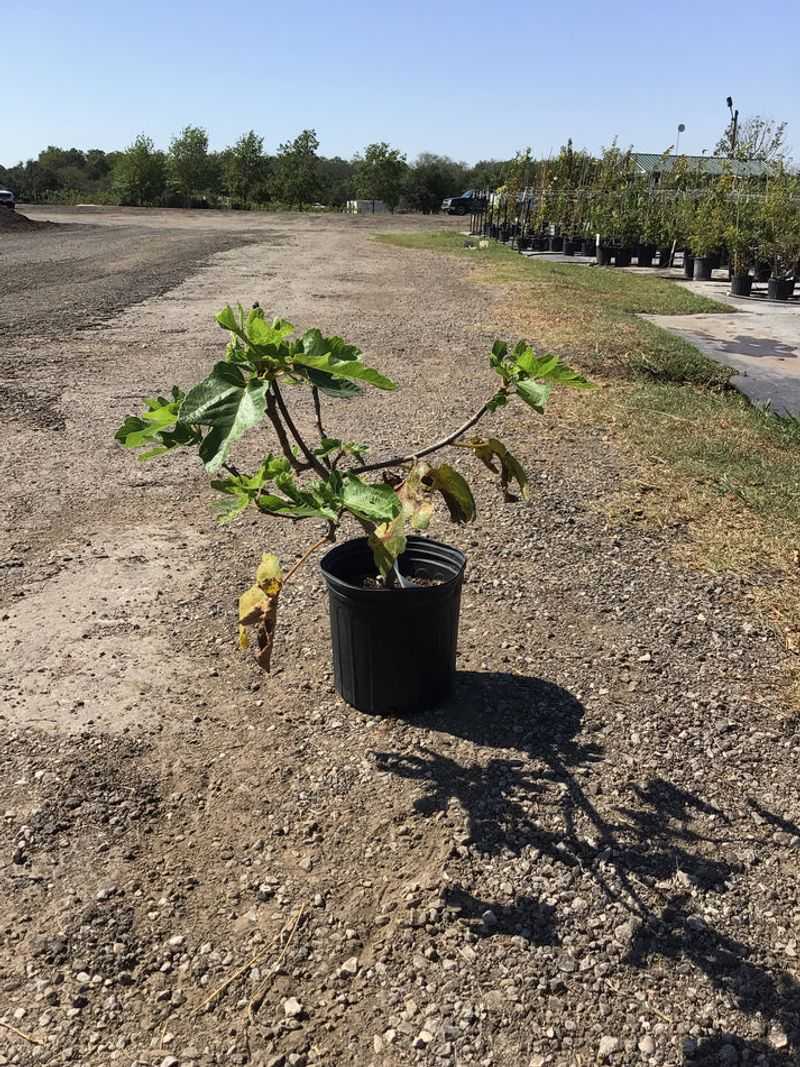
Sometimes sunlight, moisture, feeding, pruning, cultivar identity, and tree age all check out reasonably well, and the tree still produces little fruit. That is the moment to look at region-specific stresses that can limit production even when basic care is solid.
Florida and Texas are not uniform growing regions, and the pressures that matter in one part of either state may be irrelevant in another.
Florida growers face a combination of high humidity, heavy seasonal rain, and sandy soils that create specific challenges. Humidity and wet conditions can increase disease pressure, including fig rust, which causes orange spots on leaves, premature defoliation, and reduced tree vigor.
Heavy rain during fruit development can split figs before they ripen. Sandy Florida soils also harbor root-knot nematodes, which can stunt tree growth and produce symptoms that look like nutrient deficiency.
UF/IFAS nematode management guidance and UF/IFAS’s gardening solutions fig page both address these Florida-specific concerns in detail. Some cultivars, including ‘Celeste,’ can also drop fruit prematurely in hot weather regardless of how well the tree is cared for.
Texas growers contend with drought stress in central and western areas and freeze exposure in the north and west. Texas A&M’s fig growing resource notes that multi-trunk bush forms can help protect the plant through cold snaps.
Wildlife, including birds, squirrels, and rabbits, can remove fruit or damage roots before you realize what is happening. Chemical treatments are not the default starting point for any of these problems.
Sanitation, improved airflow, moisture management, cultivar matching, and a conversation with your local Extension office are the right first responses before considering any spray program.
Make one measured correction and monitor the next crop
After working through the checklist, pick the single most obvious limiting condition and address it conservatively. Changing multiple things at once makes it nearly impossible to know what actually helped, and overcorrecting one factor can create a new problem.
If the tree sits in partial shade, explore whether nearby branches or structures can be trimmed to open up more light. If moisture has been inconsistent, focus on steadying it without creating wet soil that drains poorly.
When shoots are growing vigorously and fertilizer history is unclear, stop supplemental feeding and observe for a full season before deciding whether a nutrient correction is needed. If pruning has been heavy in past winters, shift to removing only clearly dead, diseased, or crossing wood this year and protect the one-year-old wood that carries the breba crop.
Clemson Extension’s fig factsheet advises reducing fertilizer when fruit fails to mature and excess nitrogen or drought may be involved, rather than adding more inputs.
Document what you change and when, then give the tree a full growing period before judging the result. UC IPM’s fig production resource and University of Maryland Extension’s growing figs guide both caution that several factors can overlap, and a single season of observation after one careful correction often reveals more than a season of multiple simultaneous changes.
Patience paired with good recordkeeping is a more reliable diagnostic tool than aggressive intervention.
Harvest ripe fruit and set a realistic expectation
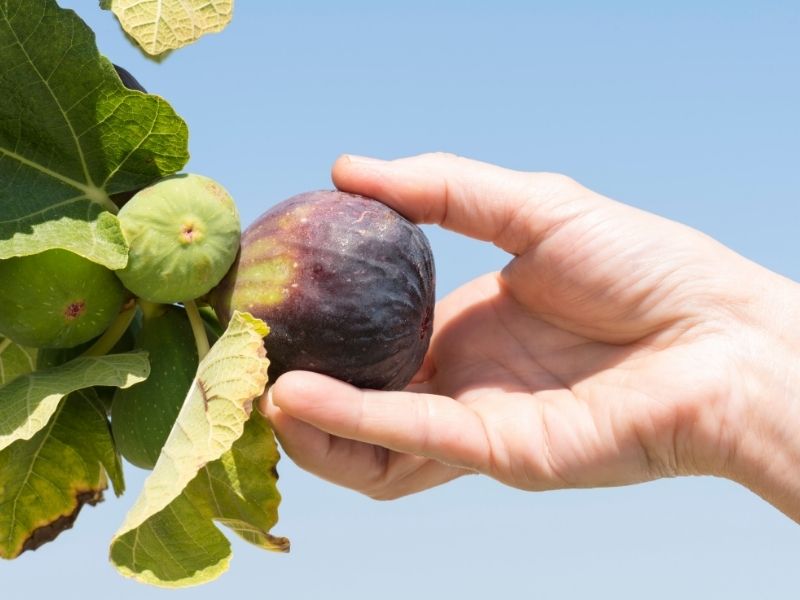
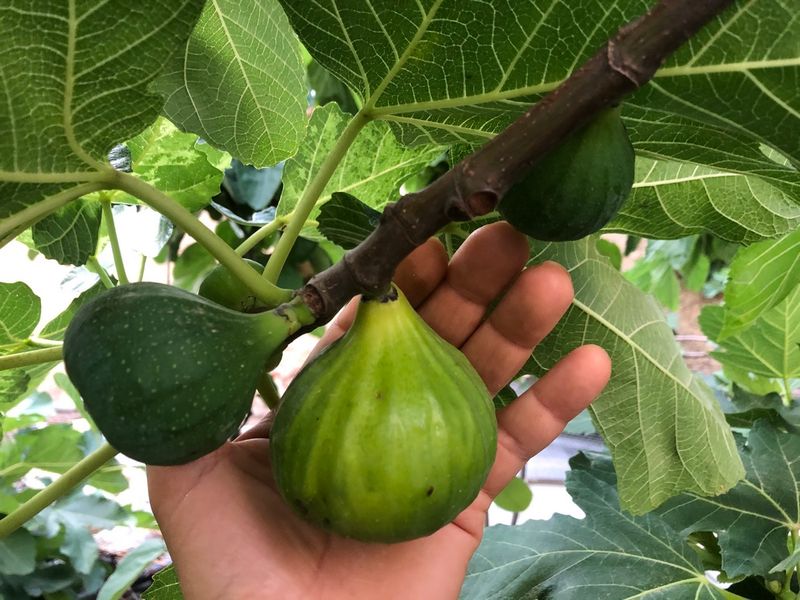
Figs develop their best flavor when they ripen fully on the tree. A ripe fig softens noticeably, the skin may begin to crack slightly near the base, and the fruit detaches easily with a gentle lift.
Picking too early gives you a fig that will not improve much off the tree, since immature figs rarely develop the sweetness that makes them worth growing. Texas A&M’s fig production guide also notes that fig latex can irritate skin, so wearing gloves or protective clothing when harvesting is a sensible precaution.
Remove spoiled or overripe fruit from the tree and the ground promptly. Leaving it in place can attract pests and create disease pressure that carries into the next season.
University of Maryland Extension’s fig resource supports prompt removal of damaged or dropped fruit as part of routine tree hygiene.
Measured care can improve the odds when a correctable problem is holding the tree back, but some situations fall outside what better care can fix. A pollination-dependent cultivar planted without the right support system, a tree recovering from severe freeze damage, a plant stressed by root-knot nematodes, or a season with unusual weather may still produce little fruit even after thoughtful adjustments.
UF/IFAS’s Florida fig guidance reinforces that cultivar choice, site conditions, and regional pressures set the ceiling on what good care can accomplish. The tree that rewards careful observation and patient, targeted corrections is the one most likely to give you something worth picking, and that process starts with knowing what you are actually dealing with before you change anything.