
Some of Florida’s most useful native plants grow so low that people step right past them. Axilflower is one of those plants, a tiny perennial with small flowers that typically show up from spring through fall.
It will not shout for attention, but in the right damp spot it can add steady, quiet color. Here is what it looks like, where it fits, and how to find a healthy plant.
Meet the Florida native that often goes unnoticed
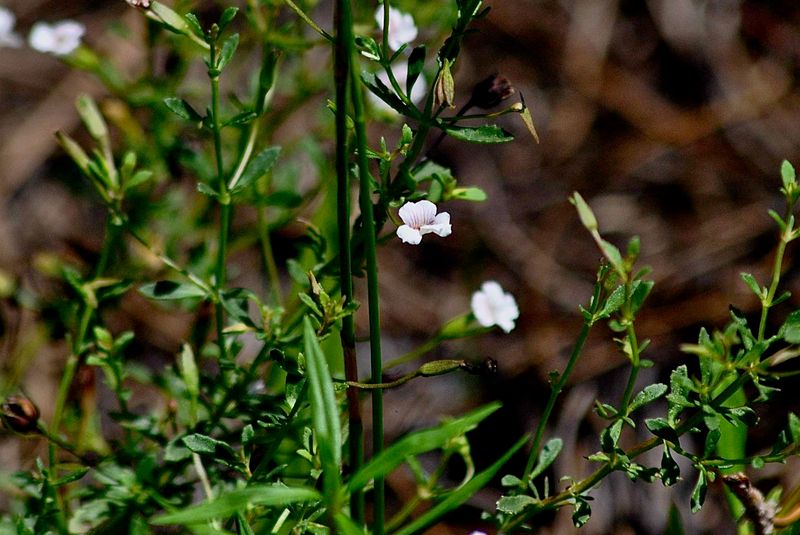
Axilflower (Mecardonia acuminata) is a low-growing Florida native perennial, and it hides in plain sight. The Florida Wildflower Foundation calls it common but often overlooked.
The same source says it is rarely sold, even by nurseries that specialize in Florida natives.
That combination explains a lot. A plant that stays tiny and has small blooms does not catch the eye at a garden center, and if nurseries seldom stock it, most gardeners never get the chance to try it.
Being overlooked is a different thing from being unwanted. It simply has not had much of a spotlight.
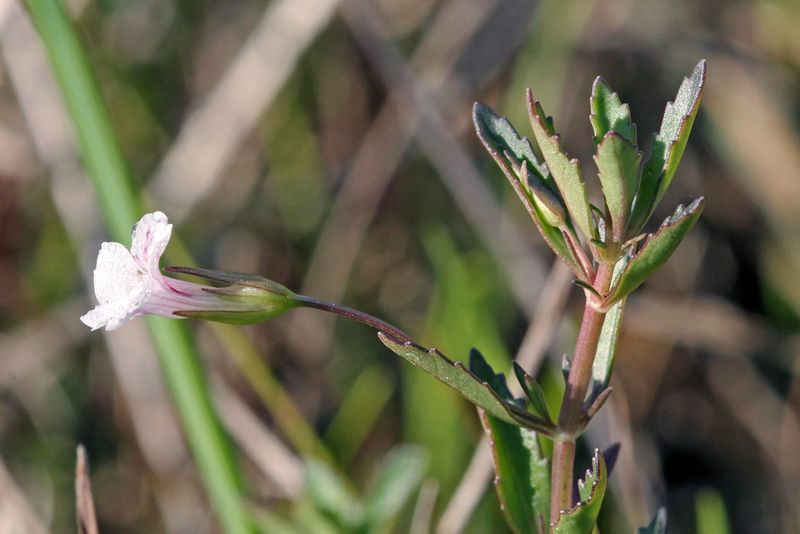
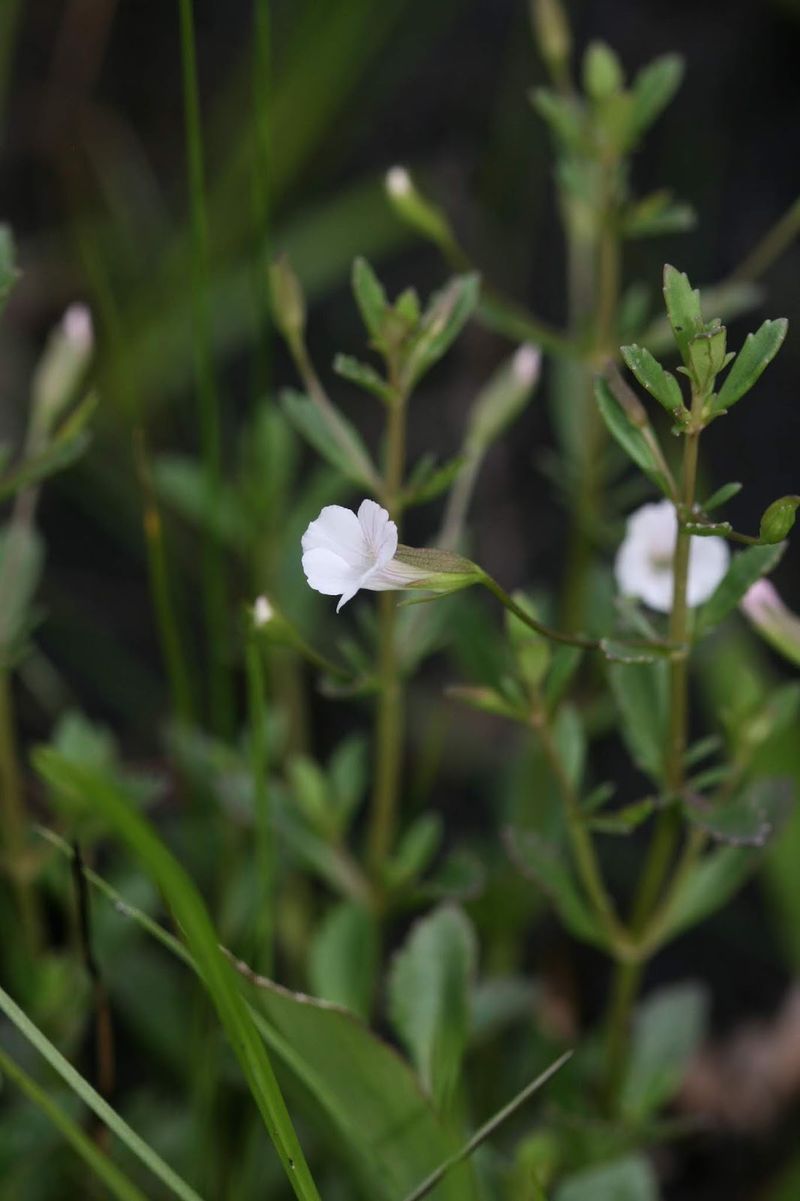
Picture a ground-hugging plant with slender green leaves and little tubular flowers in white, sometimes tinged with pink. It is not a shrub or a showy border star.
Think of it as a fine-textured carpet that rewards a closer look, the kind of plant you notice when you crouch down beside it.
Its flowering season is a big part of the appeal. Axilflower typically blooms from spring through fall, and it may occasionally flower year-round.
That is a typical pattern rather than a guarantee, and the next section explains how location across Florida changes the picture.
It also comes with a condition. Axilflower likes moist to wet sandy soil, so it suits a damp corner better than a dry bed.
If you have that kind of spot, or are willing to manage a pot, it is worth getting to know.
What its spring-through-fall flowering season means
Spring through fall is the typical flowering window for axilflower, according to the Florida Wildflower Foundation. That is a long stretch compared with many wildflowers that flower for a few weeks.
Still, it describes the species in general, not every plant in every yard.
Some plants may flower year-round, but that is a possibility rather than something to count on. A cold snap, a dry spell, or a poor site can all slow flowering.
Expect gaps and lulls instead of a nonstop show.
Where you live matters too. Florida is a long state with very different climates.
UF/IFAS guidance notes that wildflowers may bloom for months in South Florida but only briefly in the Panhandle.
So a gardener in Miami-Dade may see color across many months, while someone near Pensacola may get a shorter run. Central Florida likely falls somewhere in between.
Winter chill in the north can shorten the season, while warmth in the south stretches it.
A useful habit is to keep a simple notes page. Jot down the date of the first flowers and the last ones in your first year.
After one season you will know what a typical run looks like in your own yard, which is more helpful than any general promise.
Check for the damp conditions it prefers
Before you buy anything, look at your yard’s moisture. Axilflower prefers moist to wet sandy soil, and that preference is the main test of whether it will do well.
Light matters as well, since it grows best in full sun to minimal shade.
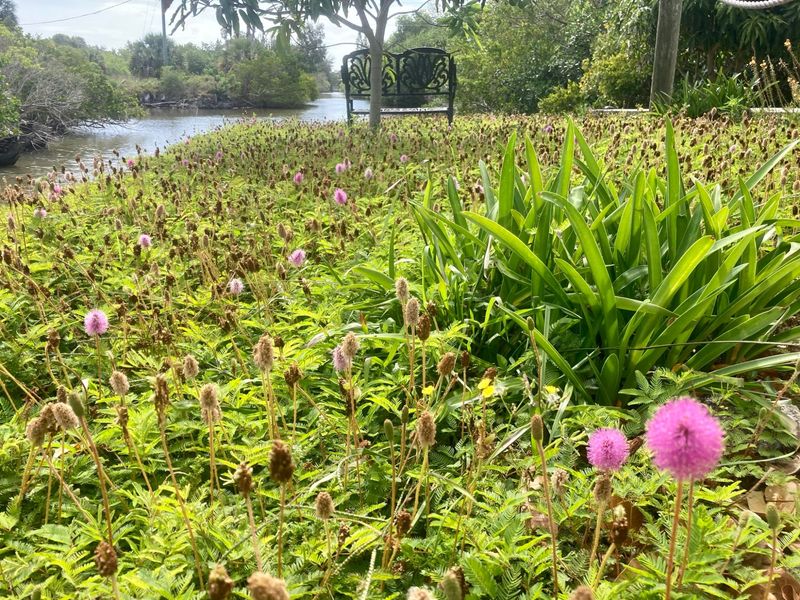
The Florida Wildflower Foundation points to open, damp ground such as pond or marsh edges as a fitting home. If you have a low corner where water lingers after summer rains, a swale, or the margin of a retention pond, you may already have the right kind of spot.
Sandy soil that stays damp is the sweet spot.
Many Florida yards are the opposite, with sandy soil that drains fast and dries out between storms. In a dry, unirrigated bed, axilflower is not a reliable choice.
It is not drought-proof, and it is not a plant to tuck in and forget in any random corner.
A container is the other route. Axilflower can grow in a pot, which lets you control moisture.
Use a container that holds water reasonably well, keep the soil consistently damp, and place it where it gets plenty of sun.
Try a simple check. After a good rain, see how long the spot stays wet.
If it dries within a day or two and you do not want to water often, consider a different plant or use a pot you can tend.
Expect a low accent, not a bold floral display
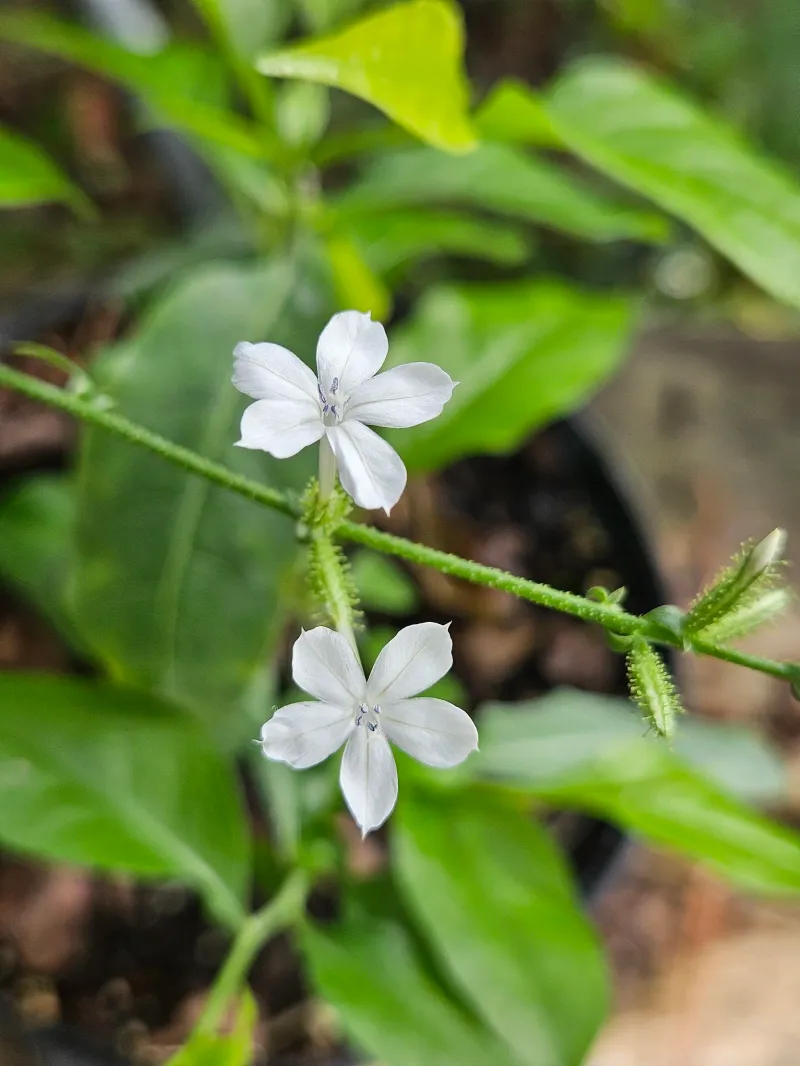
Scale is the thing to get right with this plant. According to the Florida Wildflower Foundation, axilflower rarely grows taller than about 6 inches and often spreads horizontally.
Its flowers are small, tubular, and white or pink-tinged.
That makes it a low accent rather than a focal point. Nobody will spot it from the street.
Up close, though, the tiny blooms are neat and pretty against the fine green foliage.
A long typical flowering season does not mean big or conspicuous flowers. You get many months of small blossoms, not a splashy burst.
Set your expectations there and the plant will not disappoint.
Its spreading habit helps in the right place. In a damp bed or beside a water feature, it can weave along the ground in front of taller plants.
In a container, it may soften the edge by trailing gently over the rim.
Pair it with plants that offer height and bolder color. Taller natives that also like moist soil can act as the backdrop, while axilflower fills the front.
Think of it as the fine stitching in a quilt, not the big central patch.
Make it one part of a pollinator-friendly planting
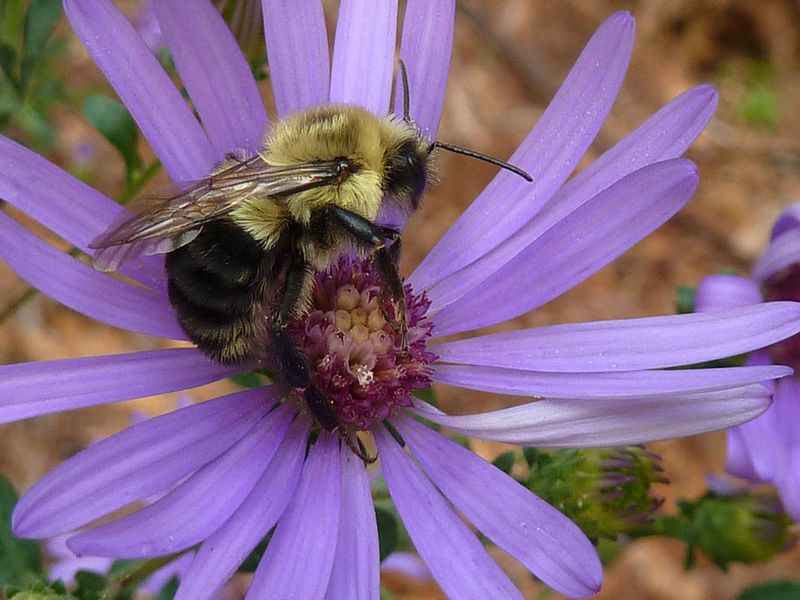
Bees are the main visitors. The Florida Wildflower Foundation says axilflower attracts mainly bees.
That is a useful, specific benefit, but it is a limited one.
It does not draw every kind of pollinator, and it will not raise pollinator numbers on its own. Nor can it feed wildlife all year by itself.
With such small flowers, it is best seen as one helpful piece of a larger planting.
UF/IFAS advice in its wildflower planting guide favors mixing native species with different bloom periods and plant forms. That way something is flowering across the year, and different insects find what they need.
Variety is what turns a few plants into a real habitat.
In a damp area, you might combine axilflower with other moisture-loving natives of different heights. Let it fill the ground layer while taller plants supply flowers at other levels and times.
Check with your county Extension office or a native nursery for companions that suit your region.
Skip pesticides around the planting, since bees are sensitive to them. Leave a bit of bare sandy ground nearby too, because many native bees nest in the soil.
Small choices like these add value beyond the flowers themselves.
Confirm local fit and find nursery-grown plants
Since nurseries rarely carry it, finding axilflower takes a little effort. Start with PlantRealFlorida.org, which helps you locate sellers of Florida natives.
Call ahead, because stock can be limited and change through the year.
Then ask about local fit. The species is native throughout Florida, but its subspecies have different documented ranges, as the Florida Wildflower Foundation explains.
A Florida-native nursery or your county Extension office can help confirm which plant suits your area.
Bloom timing also varies by region, as UF/IFAS points out. Local staff can tell you what to expect where you live.
They can also say whether your damp spot is wet enough.
The Foundation lists seed, cuttings, and division as ways to propagate axilflower. Once you have a nursery-grown plant, those methods may help you grow more of your own.
Do not dig plants from natural areas, which harms wild populations and may be illegal on public land.
Buy nursery-grown stock, plant it in the right moisture, and keep it watered while it settles in. A healthy start makes all the difference with a small plant.
Choose axilflower for the site, not just the season
Consider axilflower if you have a truly moist spot or can look after a container, and you want a low native with a long typical flowering season. Remember the small flowers, and that bloom timing varies across the state.
Ask a local nursery or Extension office to confirm the fit.
The best plants are the ones that match the ground beneath them.