
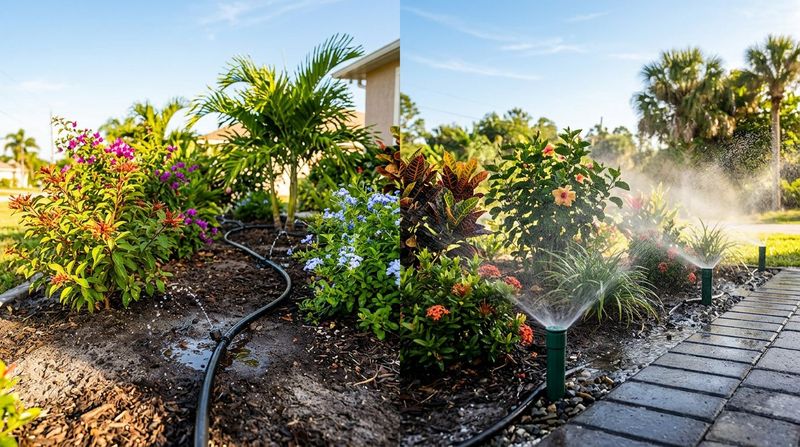
A few fireflies can make a Florida yard feel magical after sunset. But many fall cleanup habits remove the shelter they need long before they start flashing.
The good news is that a firefly-friendly yard can still look cared for. Start by easing up on these seven chores and giving a few quiet corners room to grow.
1. Bagging Every Fallen Leaf
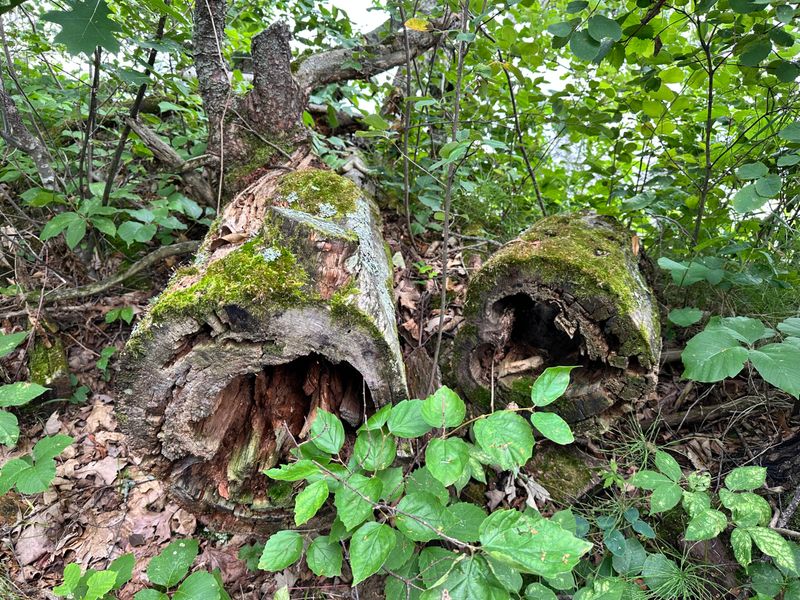
That last bag of leaves may look like a job well done, but it can take away a firefly nursery. Many firefly larvae spend time in damp soil and leaf litter, where they find cover and hunt small creatures such as snails.
Removing every leaf leaves those sheltered spots exposed.
Keep walkways and the front entry clear, then move suitable leaves into beds beneath shrubs or trees. A loose layer a couple of inches deep looks intentional when the bed has a defined edge.
In Florida, oak leaves often arrive well outside the classic fall cleanup season, so this can be a year-round habit rather than a one-week task.
Do not pile leaves against trunks, house siding, or storm drains. If a thick mat forms after heavy rain, spread it out so water can move through and plant crowns stay clear.
The goal is not a yard buried in leaves. It is a few protected places where firefly larvae can live while the parts you use every day remain tidy.
2. Scalping the Lawn Before Winter

A super-short final mow can make a lawn look crisp for a day, but it offers little cover for insects along its edges. Florida lawns also do not all go fully dormant in fall.
Depending on the grass and the weather, growth may continue well into the cooler months.
Follow the mowing height recommended for your turf type rather than cutting it low for the season. Keep the main lawn usable, but consider leaving one narrow strip beside shrubs a little less closely trimmed.
A curved border or a clean line of edging helps that taller area look planned instead of forgotten.
Fireflies need more than tall grass, and changing mowing alone will not guarantee a light show. Still, a sheltered edge beside moist soil and plants gives them a better chance than a yard clipped uniformly from fence to sidewalk.
If you are unsure how high to set the mower for St. Augustinegrass, bahiagrass, or another Florida turf, check the current UF/IFAS guidance for that grass before changing your routine.
3. Turning Over Every Garden Bed
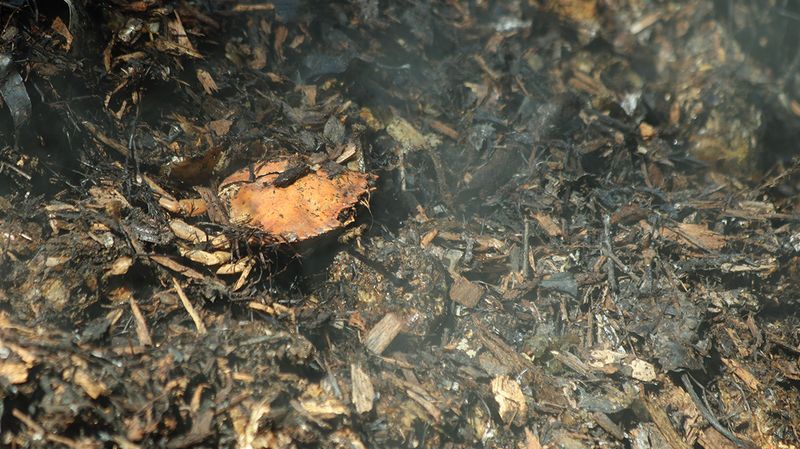
Freshly turned soil has a satisfying, ready-for-planting look. For creatures living just below the surface, though, that fall makeover can be a major disturbance.
Firefly larvae may shelter in or near the soil, so digging through every bed removes some of the stable habitat they use.
Plant where you need to, but leave established areas alone. Instead of turning an entire bed, open individual holes for new plants and top-dress the open ground with a light layer of suitable mulch or leaves.
This approach is especially useful in Florida’s fast-draining sandy soils, where cover helps slow moisture loss.
Choose a spot that will not need frequent reworking, such as the back of a shrub border. Keep mulch off stems and avoid burying low-growing plants.
You can still refresh the visible front edge for a clean look while leaving the quieter soil behind it undisturbed. It is less work with a useful payoff: a bed that holds moisture better and offers small wildlife a steadier place to live.
4. Spraying the Whole Yard for Bugs
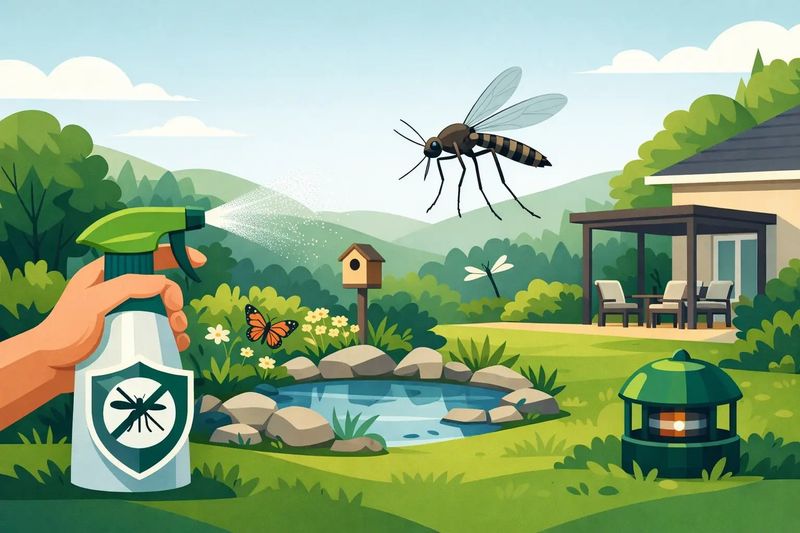
One chewed leaf can send a gardener reaching for a broad insect spray. Yet a whole-yard treatment can affect insects that were never causing trouble, including fireflies or the small creatures they feed on.
Broad spraying is a poor match for a yard where you hope to see more flashes.
First, identify the pest and check whether the plant is suffering real damage. A few holes on a healthy shrub may need no treatment at all.
When action is necessary, follow UF/IFAS guidance for that specific pest, use the least disruptive effective option, and treat only the affected area according to the label.
Mosquitoes deserve special care in Florida, but reducing them does not have to begin with spraying every border. Empty water from buckets, saucers, clogged gutters, and other containers at least weekly, especially after rain.
For water that cannot be drained, seek locally appropriate mosquito-control advice and follow product labels. Keeping people comfortable and protecting firefly habitat are both reasonable goals; precise treatment gives you a better shot at doing both.
5. Leaving Landscape Lights on All Night
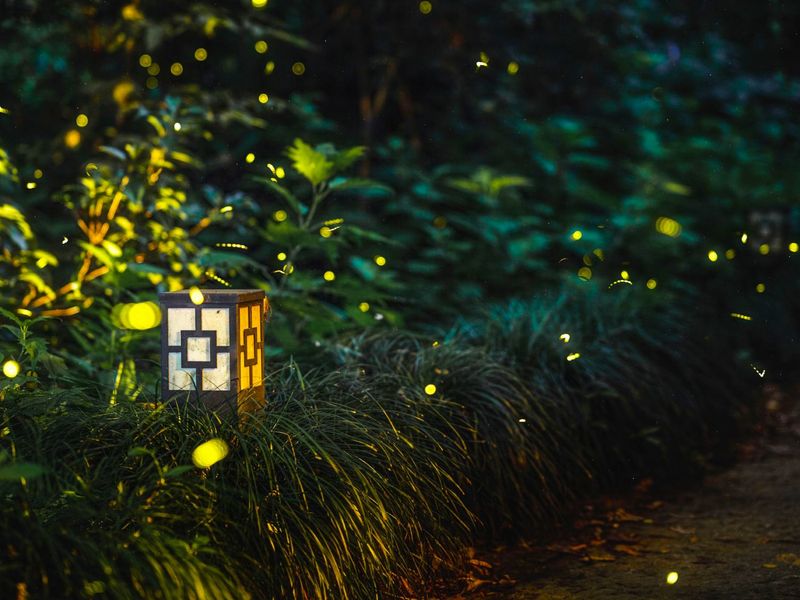
Picture two yards after sunset: one has a floodlight washing over every shrub, and the other has a softly lit path with dark beds beyond it. Fireflies use flashes to find mates.
Bright outdoor lighting can interfere with that signal and also makes the flashes harder for you to see.
Walk outside at dusk and notice where your lights spill. Aim fixtures downward, shield bulbs that shine into planting beds, and switch off decorative lighting when nobody is using the space.
A motion sensor or timer can keep steps and doors practical without lighting the whole yard until morning.
You do not have to make the property unsafe or stumble around in the dark. Focus on reducing unnecessary light near the sheltered, slightly moist areas where you hope fireflies will gather.
If you have close neighbors, a dark corner may be enough to notice a difference in visibility. Pairing that corner with leaf cover and fewer disturbances gives visiting fireflies more than a dark stage: it gives them a place worth staying.
6. Clearing Every Fallen Branch and Log
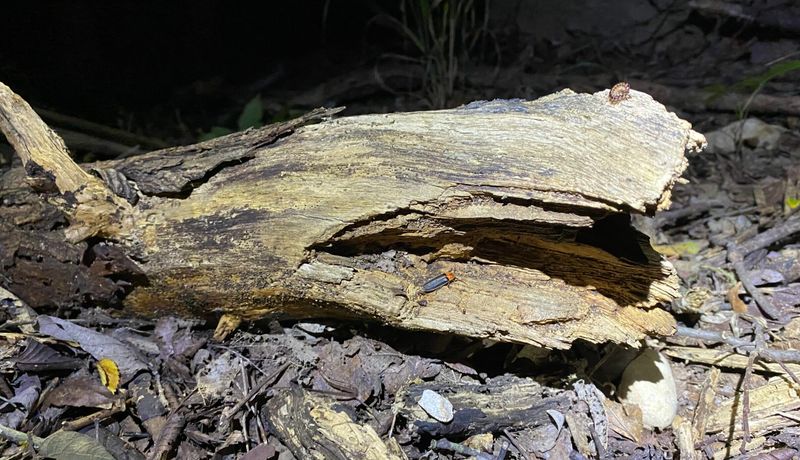
Storm season can leave Florida gardeners with more branches than they ever wanted. Removing hazards is the right call, especially near paths, structures, and drains.
But hauling away every small piece of fallen wood can strip a quiet bed of shade and shelter.
After clearing the areas people use, consider keeping one modest log or a small stack of untreated branches at the back of a planting bed. Set it on soil beneath shrubs, away from the house, and leave room to inspect the area.
The wood and the leaves around it help create a cooler, more protected pocket as they break down.
Firefly species differ in where their larvae live, so a log pile is not a guaranteed fix. It is one part of a yard with varied shelter.
Skip large, unstable stacks, and do not keep debris that blocks drainage or could become a problem in the next storm. A single tucked-away corner can look deliberate while saving you the work of making every inch spotless.
7. Running Fall Irrigation on a Summer Schedule
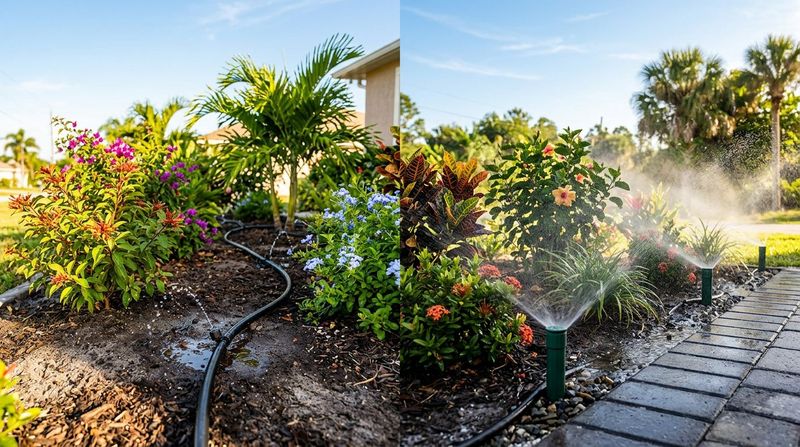
Cooler fall weather can make a forgotten sprinkler schedule easy to miss. If irrigation keeps running as though it were a hot, dry summer week, beds may stay soggy and water can collect where mosquitoes breed.
Firefly-friendly does not mean flooded.
Check the soil before watering instead of relying only on the calendar. In a planted bed, look beneath the mulch and feel whether the soil still holds moisture.
Adjust irrigation to rainfall, plant needs, and local watering rules, and fix heads that spray pavement or create puddles. Florida’s sandy soils can dry quickly, but a mulched, established shrub bed may need a different schedule from nearby turf.
A slightly moist, sheltered area is more useful to fireflies than either bare, parched ground or standing water. Keep gutters and containers draining, particularly during rainy stretches.
Once the system is set for fall conditions, you may save water and avoid a weekly chore at the same time. Give the yard a few evenings of darkness, cover, and calmer soil, then watch from a comfortable distance to see who turns up.