
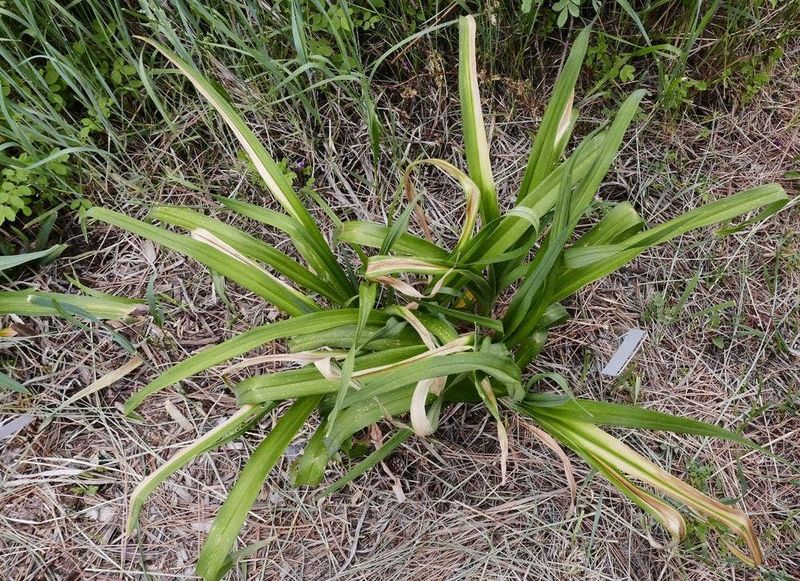
Walk out to your daylily bed after the first cold snap and you may find leaves that are brown, floppy, or slimy. Some of that is simple seasonal change, but some of it can be a warning sign.
The trick is knowing which is which before you grab the pruners. A few quick checks can tell you what your plants are really doing.
Why daylily foliage changes on different schedules
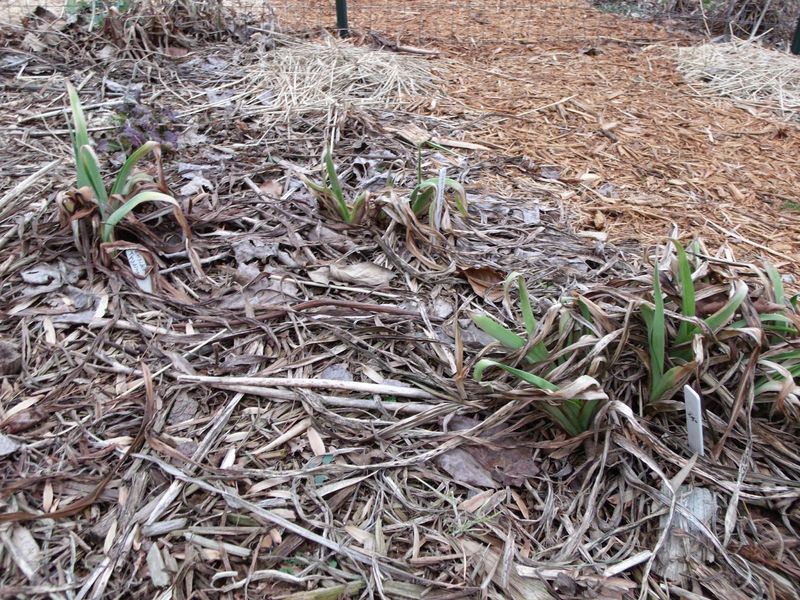
Daylilies do not all follow the same calendar. According to the American Daylily Society FAQ, dormant types die back as winter approaches, evergreen types can stay green in mild climates, and semi-evergreen types may behave differently depending on where they grow.
That means brown foliage is not automatically a sign of failure. It also means your neighbor’s green clump and your browning clump may both be perfectly healthy.
Your soil, your winter lows, and the cultivar you planted all shape what you see out the window.
Florida gardeners have an extra wrinkle. UF/IFAS guidance on daylilies notes that foliage habits vary, and dormant types may not get enough winter chilling in central and south Florida to grow and bloom well.
If yours struggle there, the cultivar type may be part of the story.
Texas readers see a wide swing too, from mild Gulf Coast winters to hard freezes in the Panhandle. Because of that, no single fall schedule fits every yard, so watch your own plants first.
Separate frost-damaged leaves from crown trouble
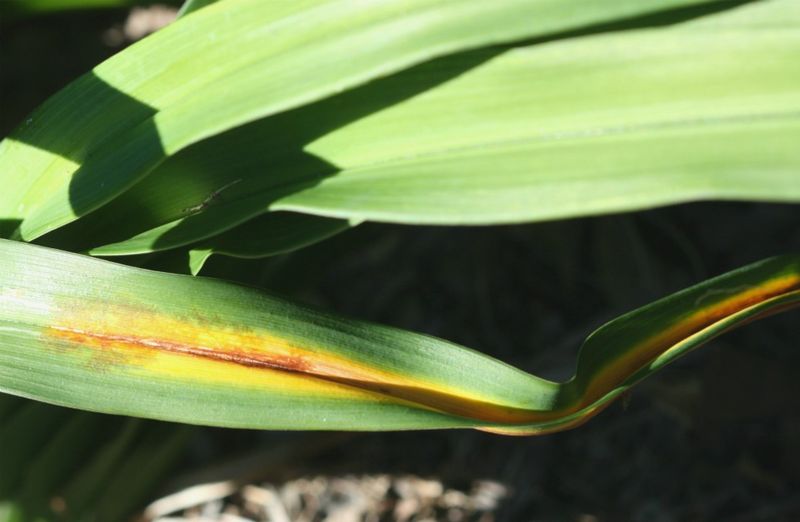
Start with one simple question: where is the mush? Kneel down and check whether the softness sits in the leaf blades or at the base of the plant, where leaves meet the crown.
Texas Master Gardener guidance from the Ellis County program explains that evergreen or semi-evergreen foliage can turn frost-burned or mushy after ice or extreme freezing. Slimy leaves alone do not prove the crown is rotting.
A soft or collapsing crown is more worrying. Yellowing, a plant that flops over, or mushy tissue at the base deserves a closer look.
A foul smell can go along with bacterial soft rot, but a plant can have trouble even when you smell nothing.
Gently pull back dead leaves and feel the crown. Firm tissue is a good sign, while squishy tissue is not.
If problems keep coming back, ask your county Extension office or a plant clinic for a diagnosis instead of assuming cleanup will fix it.
Read leaf patterns before calling it seasonal dieback
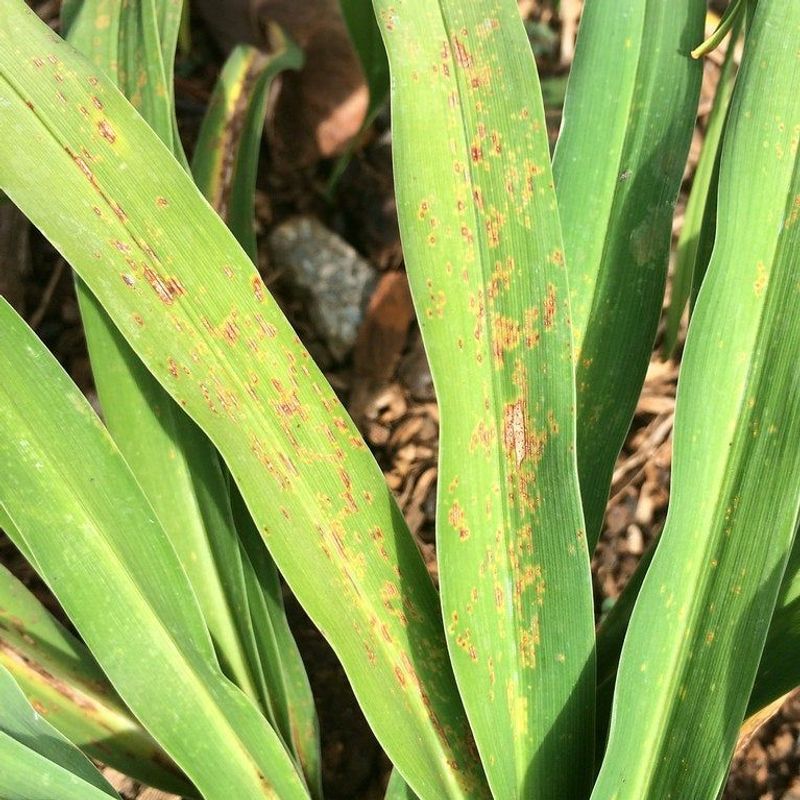
Brown, dry leaves late in the season can be plain old dieback. Brown streaks, spots, or leaves that die early, well before cold weather, tell a different story and are worth investigating.
Flip a few leaves over. Orange powdery pustules on the undersides can point to rust, which UF/IFAS covers in its guide to rusts on ornamentals in Florida.
Rust can rub off as orange dust on your fingers.
Leaf streak is another one to know. Clemson Extension notes that the leaf streak fungus can overwinter on dead foliage, so old leaves can carry it into next season.
Browning by itself does not prove disease, so look at the pattern. If you see streaks, spots, or orange spores, cut off those leaves and bag or throw them out rather than leaving them around the plant.
Choose cleanup timing by conditions and disease history
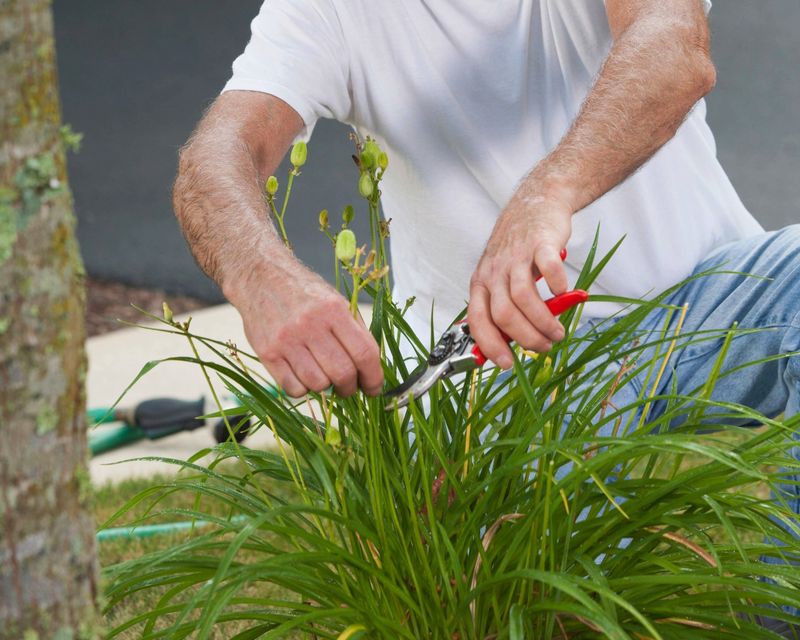
Ask five Southern gardeners when to clean up daylilies and you may get five answers. That is fine, because the right timing depends on what your plants are doing.
For routine dead foliage, fall or spring can both work. Clemson Extension recommends removing dead foliage as daylilies die back, while the American Daylily Society’s general advice also allows clearing dead debris in spring.
Disease history changes the plan. If leaf streak or rust showed up this year, removing and disposing of that affected foliage in fall makes more sense than leaving it to sit through winter.
Evergreen and semi-evergreen plants add another twist, since they may still be green when a dormant neighbor is brown. Cut only what is truly dead or affected, and let the plant’s own habit guide you instead of a date on the calendar.
Remove dead foliage without cutting into the crown
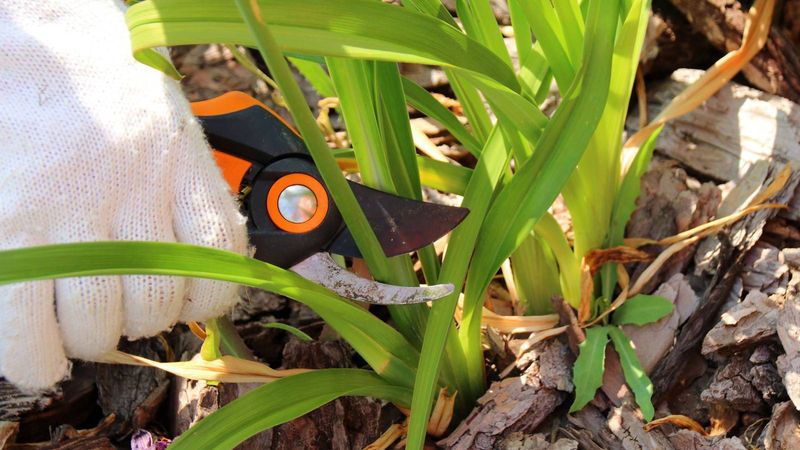
Safe cleanup is gentle. Grab the brown, dead leaves and either pull them loose or snip them above the crown, then clear away any loose debris sitting around the base.
Keep your blade away from the crown itself. Cutting into it opens the plant to injury, and that is the one spot you want to protect.
Healthy green foliage can stay put. Some cultivars keep their leaves for a long time, and there is no proof that a blanket cut right after bloom helps next year’s performance.
Remove damaged or diseased leaves whenever you spot them.
Think of this job as tidying and sanitation. It makes the bed look neater and removes places where leaf problems can hang around, but it does not guarantee stronger growth, survival, or more blooms.
Wipe your pruners with rubbing alcohol between clumps if you have seen disease.
Address growing conditions when rot is a concern
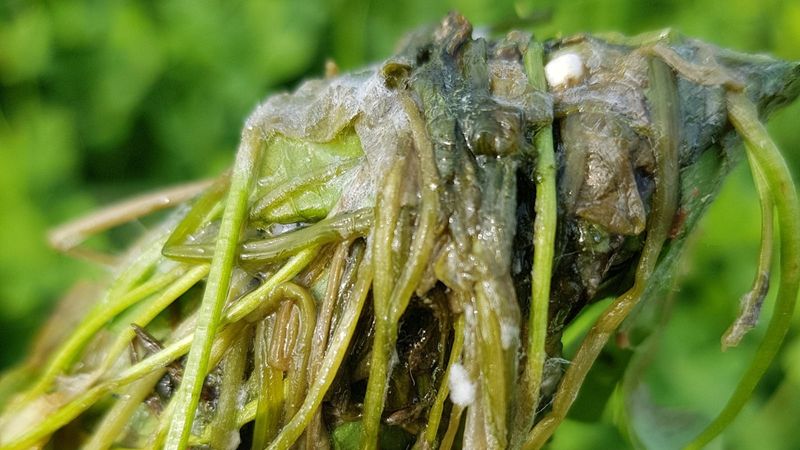
Rot rarely comes from one cause. The American Daylily Society describes crown and root rots as involving pathogens along with stress and poor soil conditions, so what happens below ground matters as much as what happens on the leaves.
Aim for well-drained soil. In heavy clay, a raised bed or extra organic matter may help water move on through.
Water only when the soil needs it, and go easy on fertilizer, since overwatering and overfertilizing can add to the problem.
When you head out to check the bed, follow a simple order. Inspect the crown, look for disease patterns on leaves, then carefully remove dead or affected foliage.
If rot keeps showing up, take a sample to your local Extension office, as the Texas Master Gardener guidance also suggests for persistent problems.
Pruning alone has not been shown to prevent or cure rot. Drainage does more of the heavy lifting than any pair of shears.