
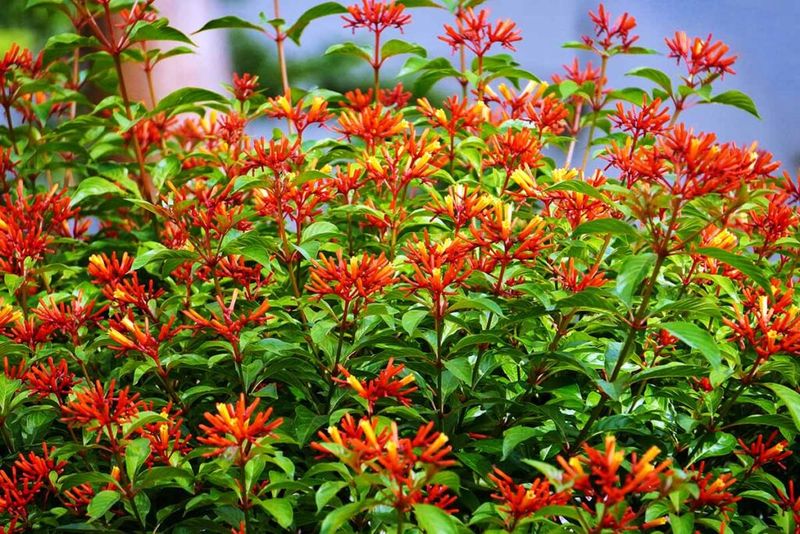
Firebush is the shrub with fiery orange-red flowers that hummingbirds love to visit. Late September is when many gardeners grab the shears to tidy up before winter.
But a trim right now takes off the very tips where the flowers are. Here is how to decide whether to leave it, fix a small problem, or wait.
Cutting flowering tips removes flowers from the shrub
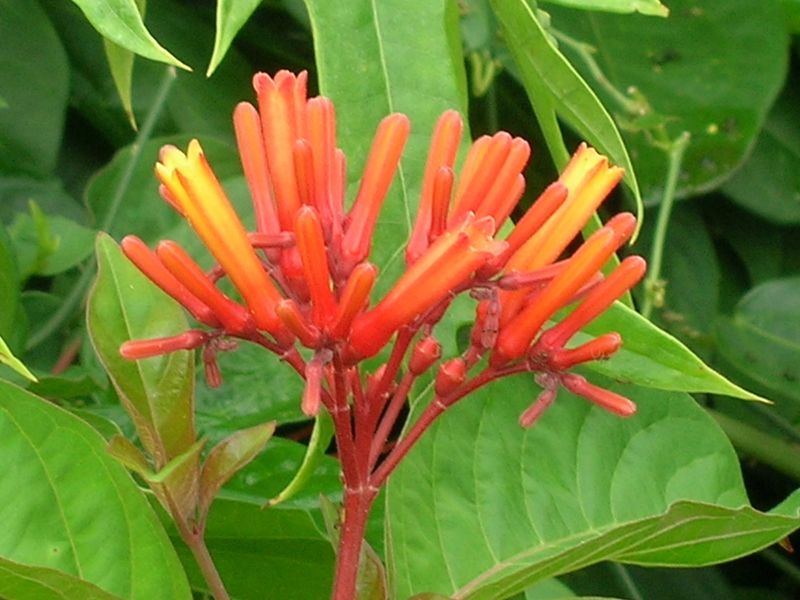
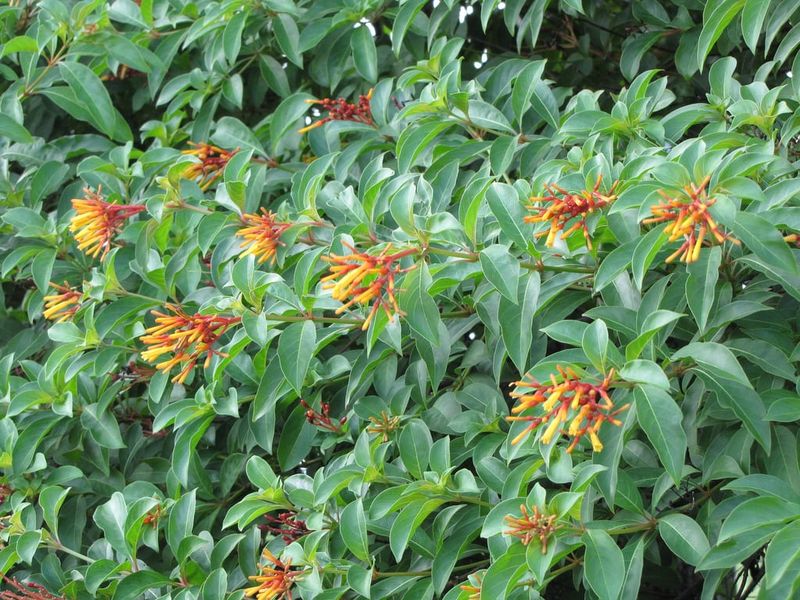
Picture a firebush in full sun on a warm September afternoon. According to UF/IFAS Extension, this Florida native is a fast-growing shrub that carries orange-red tubular flowers at the ends of its branches and attracts hummingbirds and butterflies.
Those flowers can show up throughout the year.
Because the blooms sit at the branch tips, they are exactly what a pair of pruning shears meets first. Cutting flowering tips takes those flowers off the plant.
It also means fewer blooms are available at that shrub for visiting birds and butterflies. That is a simple, practical fact, and it is the heart of the fall trimming decision.
Does that matter in your yard? It depends on what your shrub is doing right now.
A September 2026 guide from UF/IFAS Extension Leon County said sunny firebush can be full of flowers in fall and reported frequent hummingbird and butterfly visits. That is a regional observation from one part of North Florida.
Your plant might be loaded with blooms, only lightly flowering, or between flushes, depending on sun, location, and recent weather.
So the first step is easy and costs nothing. Walk out to the shrub and look at the branch tips.
If you see buds and open flowers, and you enjoy the visitors they bring, you have a good reason to hold off on the shears and choose your cuts carefully.
September can overlap with Florida hummingbird activity
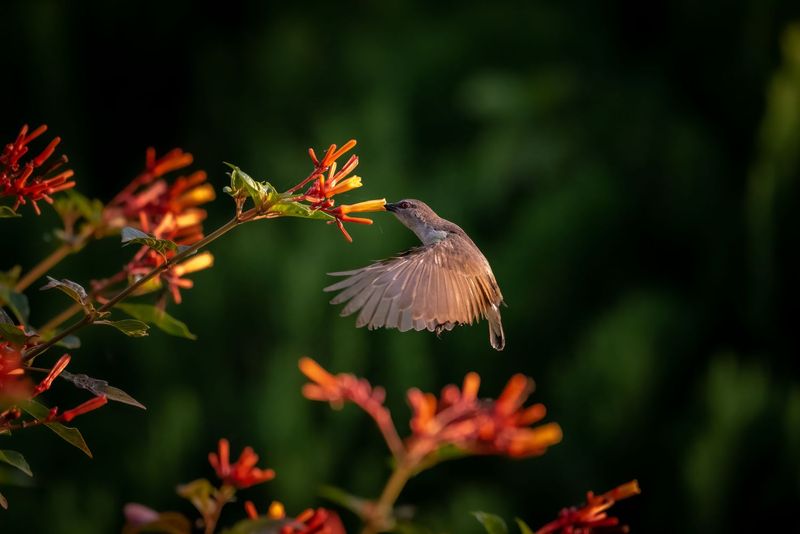
Timing is a big part of this story. Audubon reports that ruby-throated hummingbirds are present in Florida roughly from the second week of March to the second week of November.
Birds that arrive from farther north add to Florida numbers during August and September. So late September falls inside that window.
Now add the plant side. UF/IFAS lists firebush as a hummingbird plant in its Hummingbirds of Florida guide, with a bloom season that runs from spring into winter.
Put the two together and you can see how a flowering firebush and a passing hummingbird might cross paths in late September.
Of course, not every bird or every shrub follows the same calendar. Your neighborhood, your local weather, and your plant’s own rhythm all play a part.
Some yards will see steady visits, and others may see very few.
It also helps to keep the bigger picture in mind. Hummingbirds use a variety of food sources.
They eat insects and spiders along with nectar, and UF/IFAS recommends growing a mix of nectar plants. Firebush is a good one to have, but nothing here says it is a hummingbird’s best or only fall food.
The takeaway is modest and useful: if your shrub is blooming, those blooms are worth preserving.
If blooms matter, skip the routine trim for now
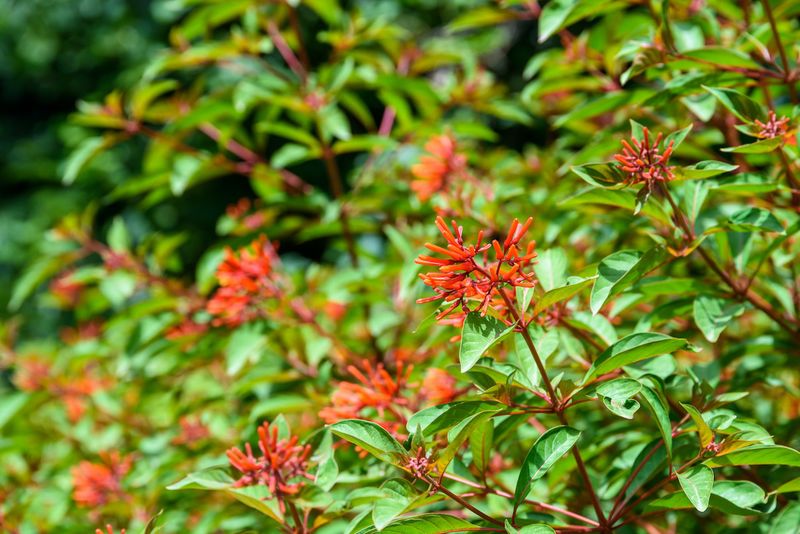
Here is a simple rule of thumb. If your firebush is flowering and you want to keep those flowers, leave it alone rather than giving it a routine or hard trim in late September.
The reasoning comes straight from UF/IFAS Gardening Solutions. Its firebush guide warns that pruning too hard or too often may reduce blooming.
The guide also says firebush is typically pruned no shorter than about five to eight feet. That is guidance, not a required height for every cultivar or every landscape, so treat it as a rough reference point.
Notice what this advice is about. It is about flowers on the shrub, not a measured effect on hummingbirds.
Cutting off blooms means fewer blooms at that plant, and that is all we can say with confidence.
Flowering also varies from yard to yard. UF/IFAS says firebush flowers best in full sun and tolerates partial shade.
A shrub in a bright spot may keep producing flowers, while one in more shade may bloom less. Full sun helps, but it does not guarantee a particular schedule.
If the shrub looks a bit rangy, remember that you have options. Waiting a few weeks costs little, and you can enjoy the flowers in the meantime.
Make only the correction the shrub needs
Sometimes a branch simply cannot wait. Maybe one stem is blocking a walkway, rubbing on a window, or leaning into a neighbor’s fence.
In that case, a small fix is reasonable.
Start by deciding exactly which growth has to go. Remove that and nothing more.
Where you can, choose cuts that spare the flower-bearing tips, such as taking out a stem that has no buds or trimming back to a side branch that keeps its blooms.
This approach lines up with UF/IFAS pruning guidance, which suggests thinning and shaping informal shrubs only enough to maintain the size you want. Firebush is usually grown in a relaxed, informal form, so a light touch suits it.
It also fits the firebush guide’s warning that hard or frequent pruning may reduce blooming.
A few habits make the job easier. Use clean, sharp pruners so cuts are neat.
Step back after each snip and look at the whole shape before you cut again. Stop as soon as the problem is solved.
Keep your expectations realistic, too. A careful cut protects the flowers you already have.
It is not a trick to trigger new October blooms, and nothing guarantees the shrub will keep flowering afterward. Think of it as a repair, not a boost.
Wait until flowering eases for substantial shaping
A small correction and a big reshaping are two different jobs. If your firebush has outgrown its space, plan the larger cut for a time when the flowers are winding down instead of the middle of a bloom flush.
UF/IFAS recommends pruning flowering shrubs shortly after they finish blooming, which helps you avoid cutting off buds. The same pruning guide covers this in its advice on shrubs and hedges.
Firebush can bloom over a long stretch, and it does not stop everywhere at the same moment, so watch your own plant. When the branch tips are mostly bare of buds and open flowers, that is your cue.
Even then, go easy. The firebush guide cautions that hard or frequent pruning may reduce blooms, so a severe cut is not a good way to encourage future flowers.
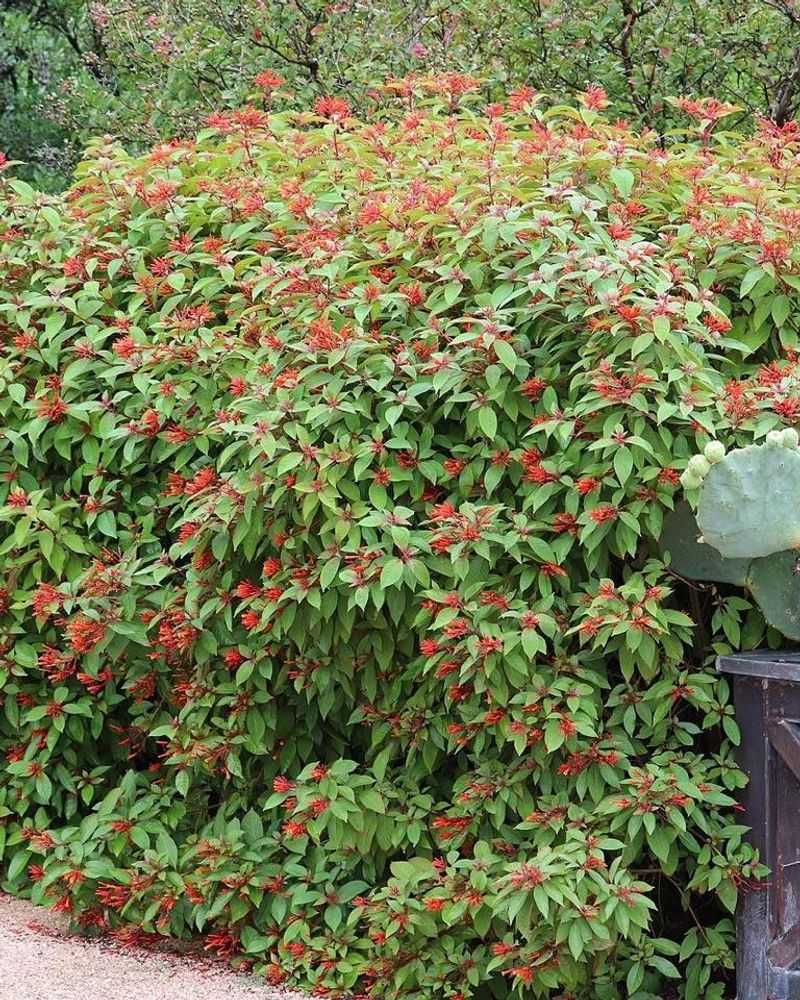
If you grow firebush as a hedge, shape it so the bottom is wider than the top. That lets light reach the lower leaves and keeps the base full.
UF/IFAS shrub selection guidance also points to timing flowering shrub pruning around bloom.
Spreading bigger changes over more than one visit is a gentle way to keep both shape and flowers.
Check the plant and inspect for active nests
Two quick checks can save you trouble before any big cut. The first is plant identity.
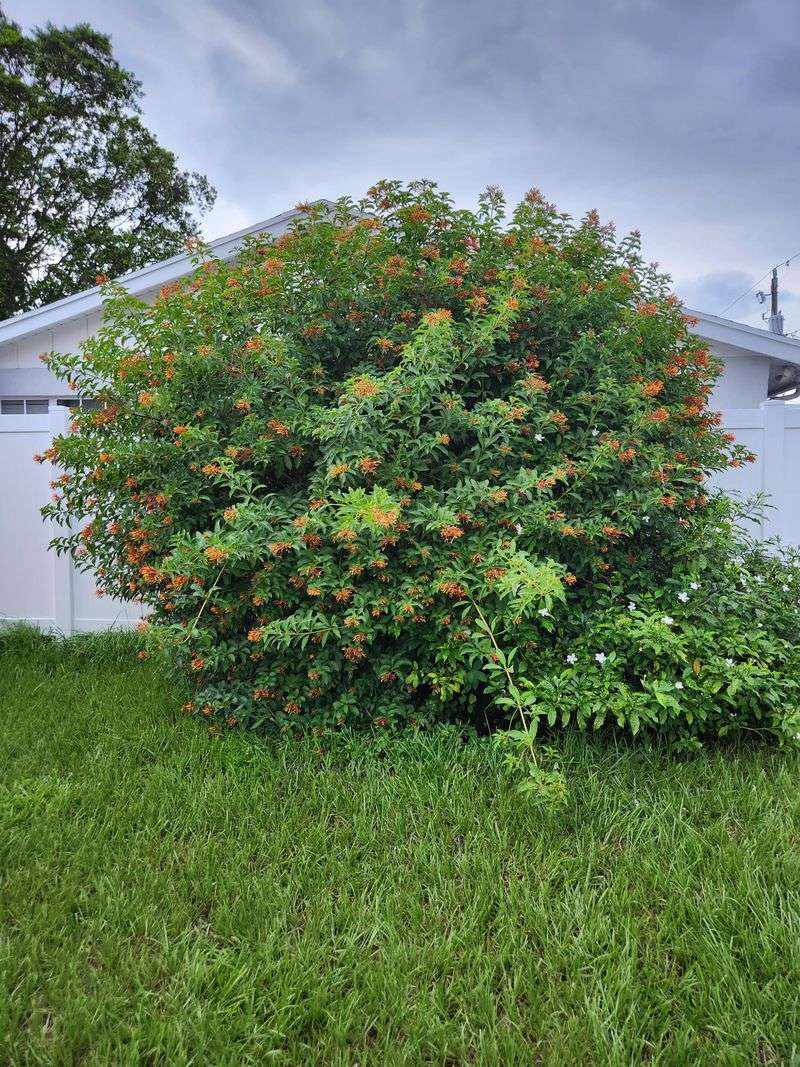
Not everything sold as firebush is the same plant. UF/IFAS explains in its firebush guide that native Hamelia patens has a related, nonnative relative, H. patens var. glabra, sometimes sold as dwarf or compact firebush.
Check your plant tag or nursery receipt, and do not assume the native plant’s size and habits apply to every plant with the firebush label.
The second check is for wildlife. UF/IFAS advises doing heavy pruning outside Florida’s peak nesting season, which it identifies as May and June.
That is not a ban on pruning at other times of year. Still, birds can nest at odd times, so look through the shrub for active nests before you cut, whatever the month.
If you find one, hold off until the family has moved on.
Now put it all together. If your firebush is flowering and blooms are the priority, leave it alone.
If something truly needs fixing, make only the selective cut it requires and spare the flowering tips where you can. Save any substantial shaping for after flowering eases.
A shrub left to bloom for a few more weeks is a small favor to the wings that stop by.