
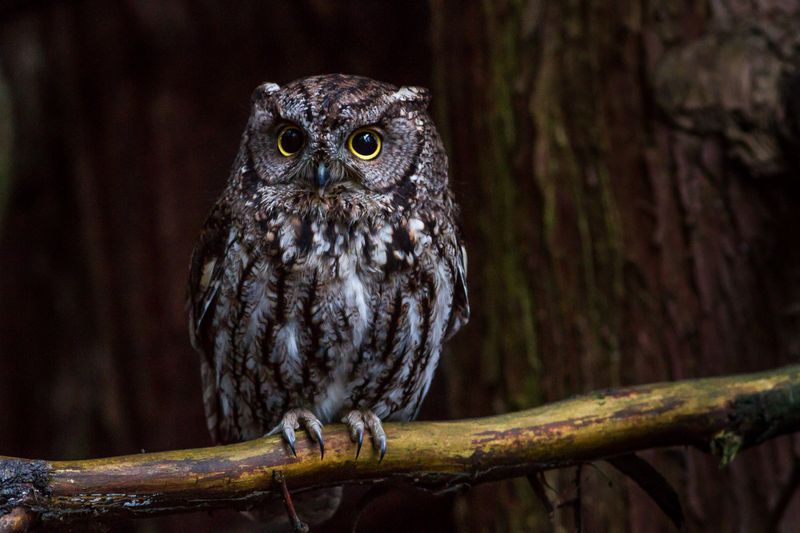
A soft, bouncing trill drifts across your California yard after dark, and you wonder what is out there. It is probably a small native owl going about its night, and it is far less spooky than it sounds.
Many people assume a calling owl means it has found a meal, or that it will clear out their rats. Here is what the call really tells you, and what to do about rats on your own.
A Western Screech-Owl can use California suburbs
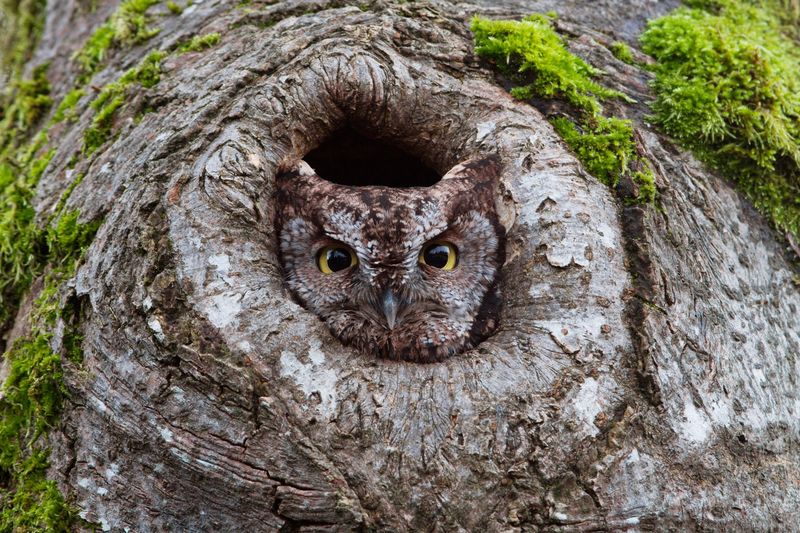
Hearing an owl in town is not as unlikely as it seems. Western Screech-Owls live in California all year, and the California Wildlife Habitat Relationships account places them statewide in suitable habitat, including towns and suburbs.
Oaks, mature shade trees, and leafy neighborhoods can all fit the bill.
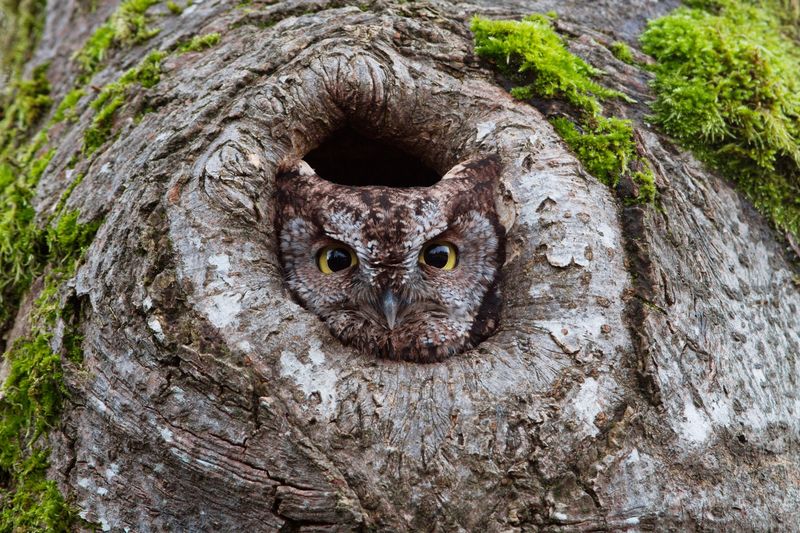
These owls are active at night, so your first clue that one is around is often a sound rather than a sighting. By day, a screech-owl may roost quietly, tucked against a trunk or inside a hollow, where its gray or brown feathers blend with bark.
That is one reason people can live beside one for years without ever noticing it.
Tree cavities matter to this species. It uses natural hollows and old woodpecker holes for roosting and nesting, and it may also accept nest boxes.
A mature tree with a few holes in it can therefore be valuable habitat, even if you never see an owl inside.
Here is the limit on what you can conclude. A call tells you an owl is somewhere within earshot.
It does not prove the bird lives on your lot, roosts in your tree, or has nested nearby. Owls travel, and sound carries farther than most people expect on a quiet night.
If you like the idea of supporting local wildlife, keeping older trees with cavities in place, where they are safe, is a sensible step. Just think of it as protecting potential habitat rather than a guarantee that an owl will move in or stay.
What the owl’s nighttime call can—and cannot—tell you
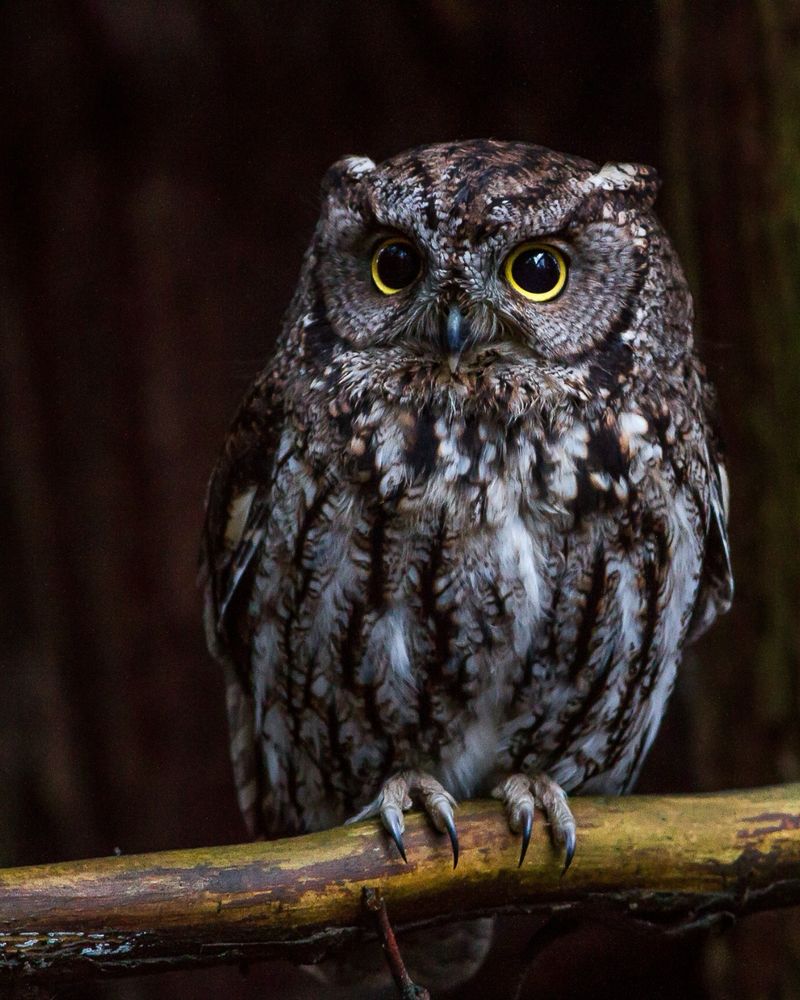
Picture a ping-pong ball dropped on a table, bouncing faster and faster until it stops. That is the classic Western Screech-Owl song: a series of short whistles that speed up as they go.
Despite the common name, it is not a scream at all.
According to Cornell Lab of Ornithology’s sound guide, this kind of song is tied to courtship and to advertising a territory. Pairs can also call to keep in touch with each other after dark.
In other words, the owl is talking, mostly to other owls.
That changes how you should read what you hear. A calling owl is not announcing that it has caught something, and it is not telling you it found a rat by your shed.
The sound says nothing about the prey it might eat, or whether it is hunting at that moment.
A few practical clues can help you interpret the scene. Calls often come in late winter and spring, which fits with courtship, though owls may sound off at other times too.
A second voice answering from another tree suggests two birds keeping contact.
If you enjoy the sound, you can simply listen. Recording it on your phone and comparing it with online audio can confirm the species, which is a nice way to enjoy the visitor without disturbing it.
The owl eats small prey, but its meal is unknown
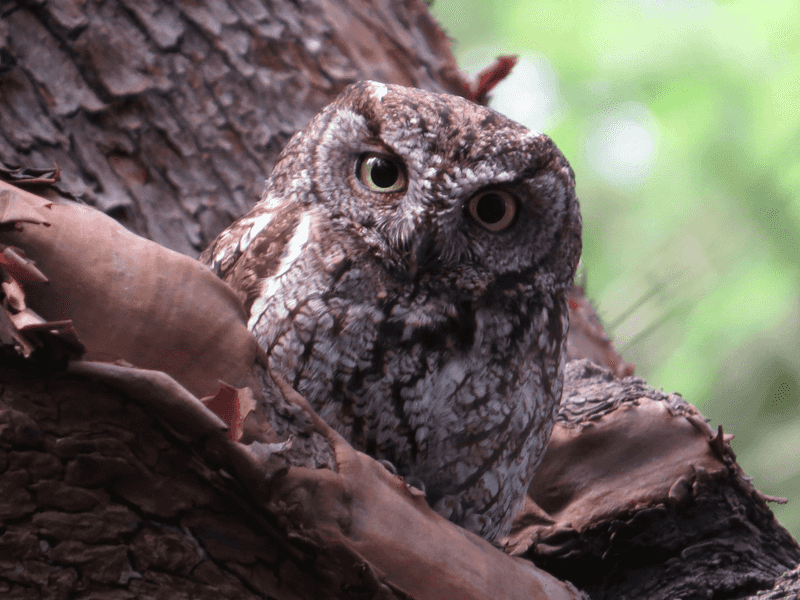
Screech-owls are generalist hunters. California’s species account lists mice and other small mammals, birds, reptiles, amphibians, and arthropods among their prey.
Insects matter a lot in summer and fall, when big beetles and moths are easy pickings.
They often hunt from dusk into the night, watching from a perch and dropping or flying out to grab what they spot. Because the menu is so varied, what one owl eats on a given night can change with the season and with what is available.
So what about the claim that the owl is eating your rats? Plainly, that is too definite.
The sources name mice and other small mammals, not rats specifically. An owl might take a young or small rat now and then, but nothing shows that the owl near your home is doing it.
The same goes for pest control. A small owl with a mixed diet is not a dependable rat-control service.
It may eat a few mice, a few moths, or a cricket, and you would have no way of counting.
The takeaway is friendly to both wildlife and homeowners. Enjoy the owl for what it is, a native predator doing its own thing, and deal with rats through steps you control.
Waiting for an owl to solve the problem could give rats time to settle in.
A nearby call does not confirm a nest in your yard
Suppose you hear the owl every night for a week. It is tempting to picture a nest in the big oak by the fence.
That may be true, but a sound alone cannot tell you.
Western Screech-Owls do use cavities, and the state species account notes that they roost and nest in them. Still, a bird calling from a rooftop, a utility pole, or a neighbor’s tree could be settled a few yards or a few blocks away.
Because calls serve as courtship, territory, and contact signals, they say little about a specific nest spot.
The same caution applies to hunting. Hearing the owl does not mean it is working your yard for prey right then.
It could be advertising its territory from a perch and then moving on.
If you want to learn more, use patience rather than intrusion. Watch from a distance at dusk and note where the bird seems to appear or leave.
Do not shine bright lights into cavities, tap on trunks, or climb to look inside, since that can stress the owl or disturb a nest.
Treat tree hollows as possible habitat, not confirmed homes. That mindset keeps you from making claims your evidence cannot back up and keeps the owl safe.
Rodent poison can harm predators, not reliably send owls away
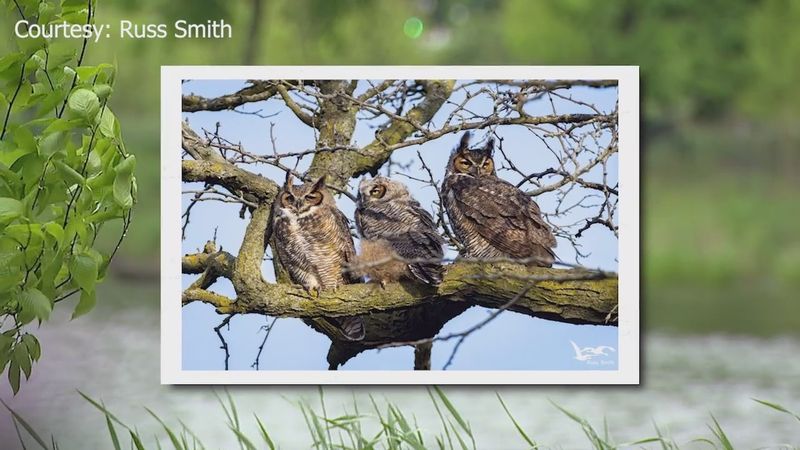
Reaching for rat poison may feel like the quickest fix, but it carries a hidden cost for wildlife. The California Department of Fish and Wildlife explains that predators can be exposed to rodenticides when they eat poisoned rodents.
This is called secondary exposure, and it can harm birds of prey.
A poisoned rat often moves around in the open, which can make it an easy target. That is how a bait station in one yard can end up affecting animals that never touched it.
Some people wonder whether a particular habit, such as poison, lights, or noise, will make an owl leave. The sources reviewed do not show that.
Nothing reliably ties one everyday household habit to a Western Screech-Owl moving away, so it is best not to count on it or to try to drive the bird off.
What CDFW does recommend are longer-term measures: seal openings in buildings and remove food attractants. These steps target the rats themselves.
They are not a way to push an owl out, and you should not expect them to.
Keeping tree cavities and mature trees in place, where they are safe, may preserve possible roosting or nesting habitat. Pairing that with poison-free rat control lets you protect your home and the wildlife around it.
Consider also asking neighbors and pest companies which products they use, since poison put out next door can reach the same predators.
Manage rats with direct prevention and control
For a real rat problem, go straight to the source. UC IPM’s rat guidance centers on three moves: remove food and shelter, rodent-proof structures, and use traps where appropriate.
Start with food. Store pet food and birdseed in sealed containers, pick up fallen fruit, and keep trash and compost bins closed.
Rats settle where meals are easy.
Next, take away shelter. Trim dense ground cover and stacked debris near the house, and move woodpiles and clutter away from walls.
Fewer hiding places make your yard less inviting.
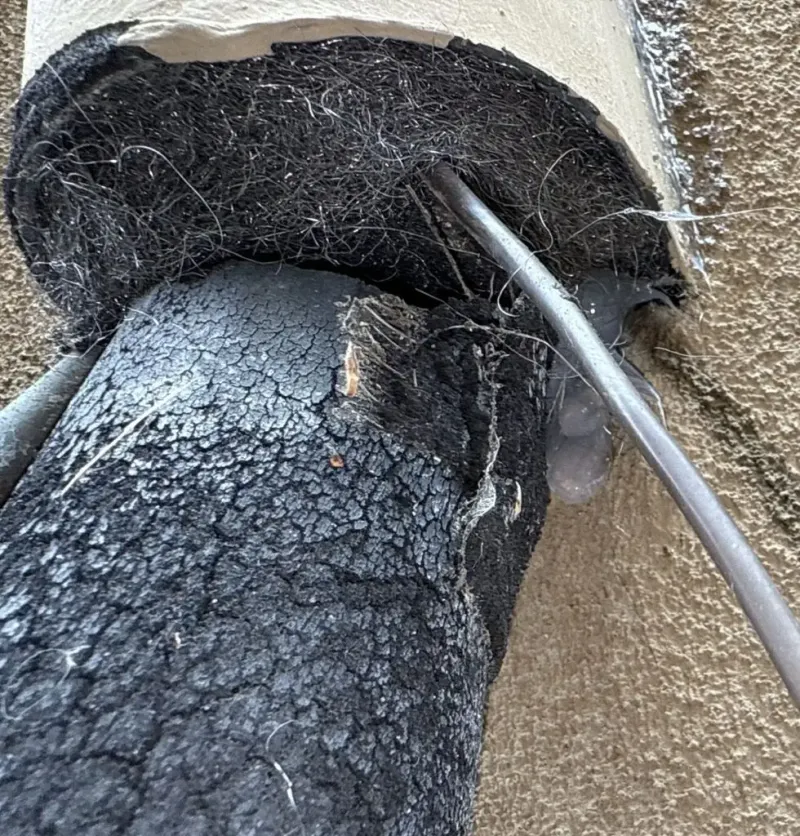
Then close the doors. Walk around your home looking for gaps around pipes, vents, and doors, and seal them with sturdy materials.
Rodent-proofing keeps rats out of attics and walls, which is where they cause the most trouble.
Traps can help reduce the rats already present. The key safety rule from UC IPM is to place them where children, pets, birds, and other non-target animals cannot reach them.
Tucking traps inside covered boxes or along walls in enclosed spaces can help.
All of this works on rats directly. It should not be swapped for waiting on an owl, or for putting up a nest box in hopes of rodent control.
An owl’s visit is a bonus for the neighborhood, not a plan for your pest problem.
Observe the owl and leave it and its nest undisturbed
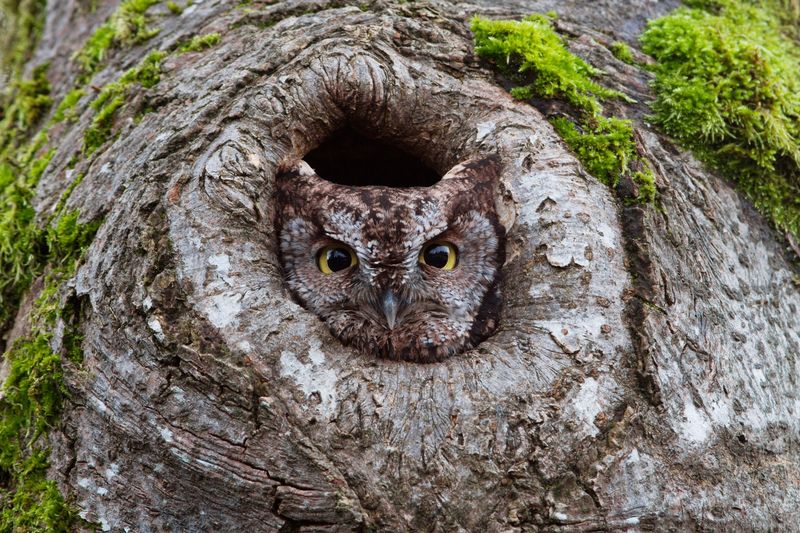
A nighttime call is most likely normal owl communication. It is not proof of a rat meal, and it does not mean a nest sits on your property.
Never handle an owl or disturb a nest. California Fish and Game Code protects birds of prey and their nests or eggs, subject to legal exceptions.
If an owl seems injured or a nest causes a real problem, contact CDFW or a qualified wildlife professional for guidance.
Otherwise, keep your distance, keep your lights and curiosity in check, and handle rats with the methods above. Sometimes the best thing you can do for a neighbor with feathers is simply let it be.