
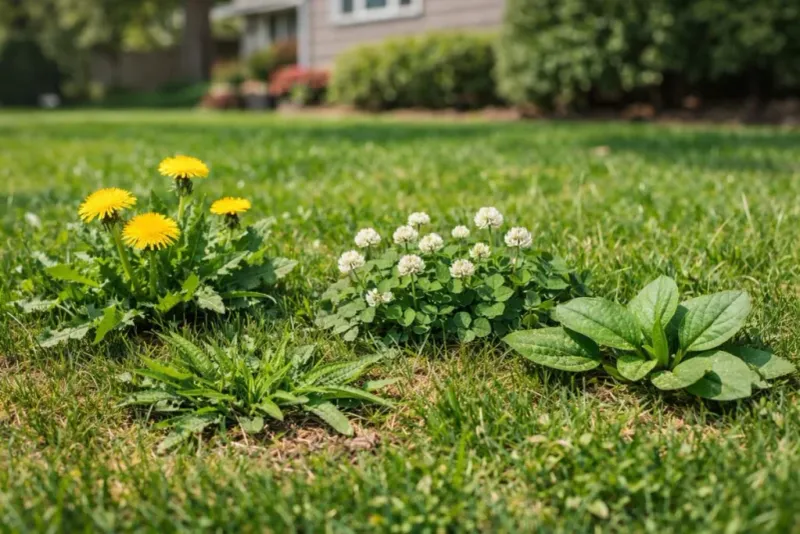
Bare, thin patches in a lawn seem to fill with weeds almost overnight. It is tempting to blame one missed chore, like fall overseeding.
The real story is a bit more useful, because the right fix depends on your grass, your location, and what weakened the turf. Here is how to sort it out and repair your lawn the right way.
Thin turf gives weeds an opening
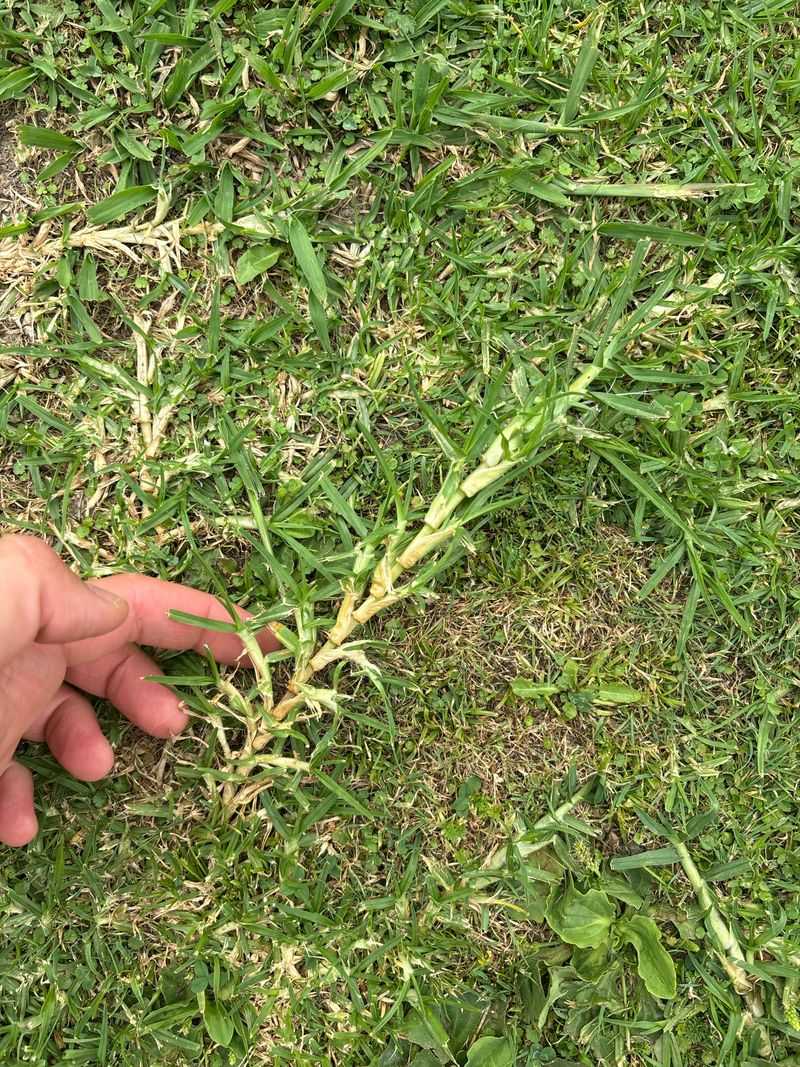
Weeds are opportunists. According to UF/IFAS weed management guidance, they fill voids in a lawn rather than create them, and dense, healthy grass helps shade the soil and leaves less open space for weeds to get started.
That is why a thin patch can turn green with weeds within weeks. It also means the title of this article needed a correction.
Skipping fall overseeding has not been shown to be the general reason Southern lawns get weedy, and many Florida and Texas lawns should not be overseeded in fall at all.
Thin turf usually has more than one possible cause, and UGA Extension weed control advice points the same way: look at the conditions that let the grass decline. Seed is not a universal fix.
The plan here is to find what thinned the lawn, then repair it with a method and timing that suit your grass.
Find out what weakened the lawn
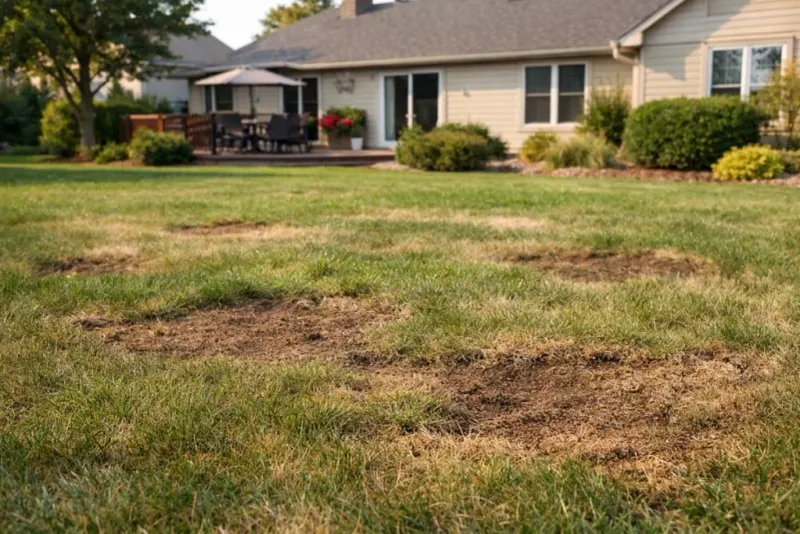
Before buying anything, play detective. Walk the lawn and ask where the thin spots sit.
Worn paths point to traffic or compaction, shady corners suggest the grass does not suit the site, and patches that peel back like carpet may mean pests such as grubs.
Mowing and watering habits matter too. UF/IFAS notes that cutting too low can weaken turf and contribute to weed problems.
Bermudagrass is a good example, since low cutting heights can predispose it to weed and pest trouble, as covered in UF/IFAS bermudagrass guidance.
So scalping a stressed lawn is not a general remedy. Close mowing is only a specific prep step in certain situations.
Weed control guidance from UGA Extension also stresses correcting the factors behind decline. If the cause stays, new seed or patches will likely thin out again.
Match planting time to the grass and location
Timing is where generic advice goes wrong. UF/IFAS establishment guidance says warm-season grasses generally establish fastest in spring and summer.
South Florida can have a longer planting window, while late-fall planting in north Florida risks winter-kill of young grass.
Texas is a big state, so Florida timing cannot simply be copied there. The Texas A&M bermudagrass calendar shows that bermudagrass lawns follow seasonal care tied to the species, and it is not a call to seed everything in fall.
Start by naming your grass. Is it St. Augustinegrass, bermudagrass, zoysiagrass, centipedegrass, or bahiagrass?
If you are unsure, take a sample to your county Extension office. Once you know the species and your region, you can pick a planting window that gives new grass time to root before stress arrives.
Choose seed, plugs, sprigs, or sod
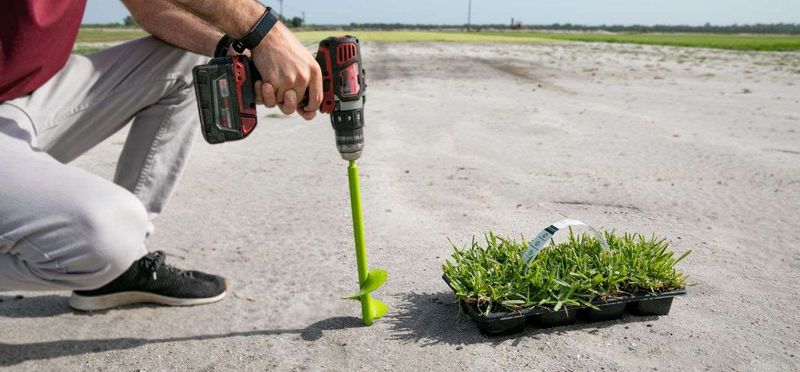
Some lawns simply cannot be fixed with a bag of seed. UF/IFAS explains that not every warm-season grass can be established from seed.
Some need vegetative options such as sod, sprigs, or plugs.
The size of the damage helps you choose. For a small bare spot, a plug or patch of compatible turf can work well.
Plugs spread into the surrounding area over time, and how close you space them affects how fast the gap fills.
Match the new grass to what you already have, so the repair blends in and shares the same needs for mowing and water. Larger damaged areas may call for sod or sprigs, depending on the species.
Ask a local nursery or Extension office what your grass is sold as.
Seed only when the grass and season fit
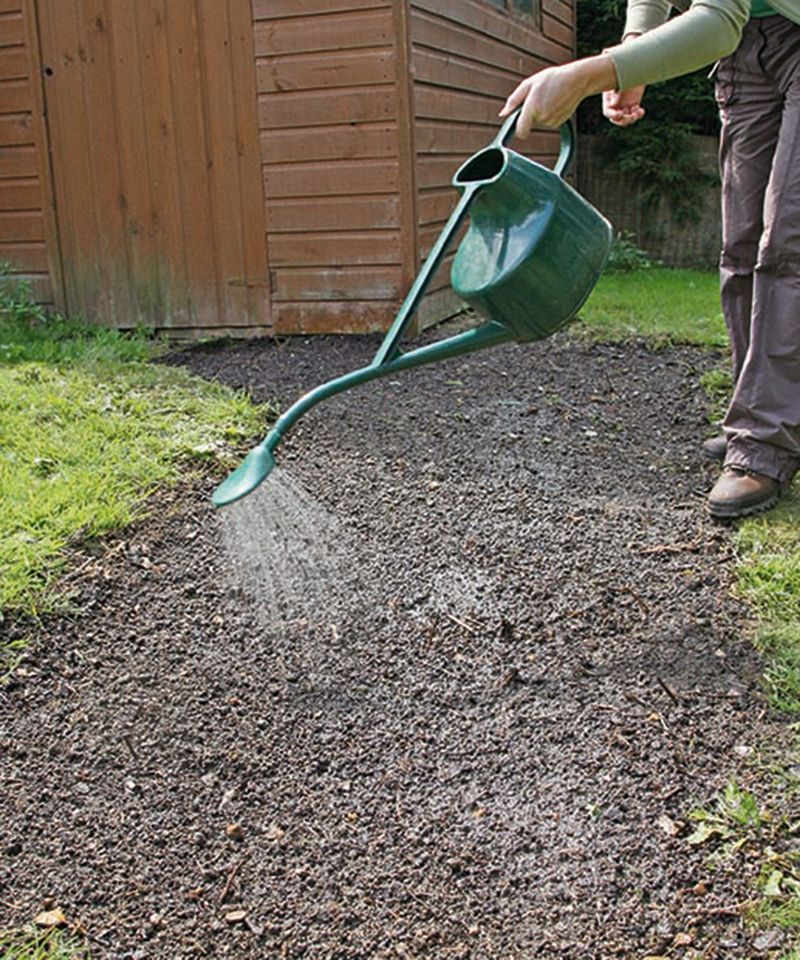
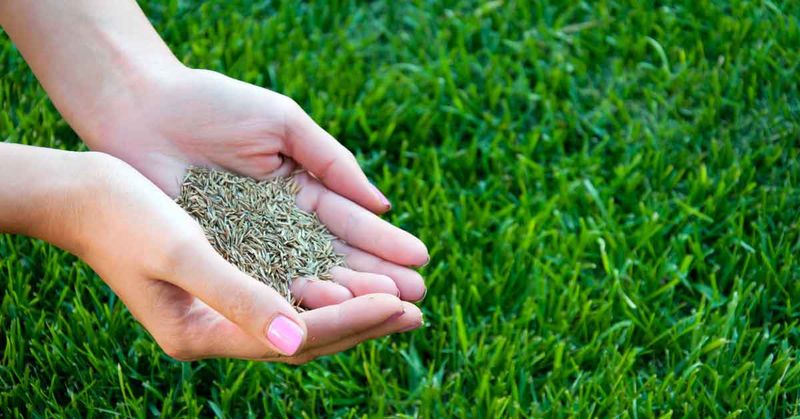
If your grass can be grown from seed and the season fits, good technique matters. Choose clean, high-quality seed suited to your existing lawn and local conditions.
The label should show purity, germination rate, and weed-seed content, and UF/IFAS recommends checking all three.
Next, prepare a seedbed. Loosen the surface and remove debris so seed touches soil, since seed sitting on thatch or hard ground often fails to sprout.
After sowing, keep the soil moist but not saturated through germination and establishment. Short, light watering sessions are often needed at first, then less frequent as seedlings root in.
Careful steps cannot rescue bad timing or the wrong species, though. Seed sown in a cold snap or for a grass that does not grow from seed will likely disappoint no matter how well you prepare the soil.
Separate winter color from permanent lawn repair
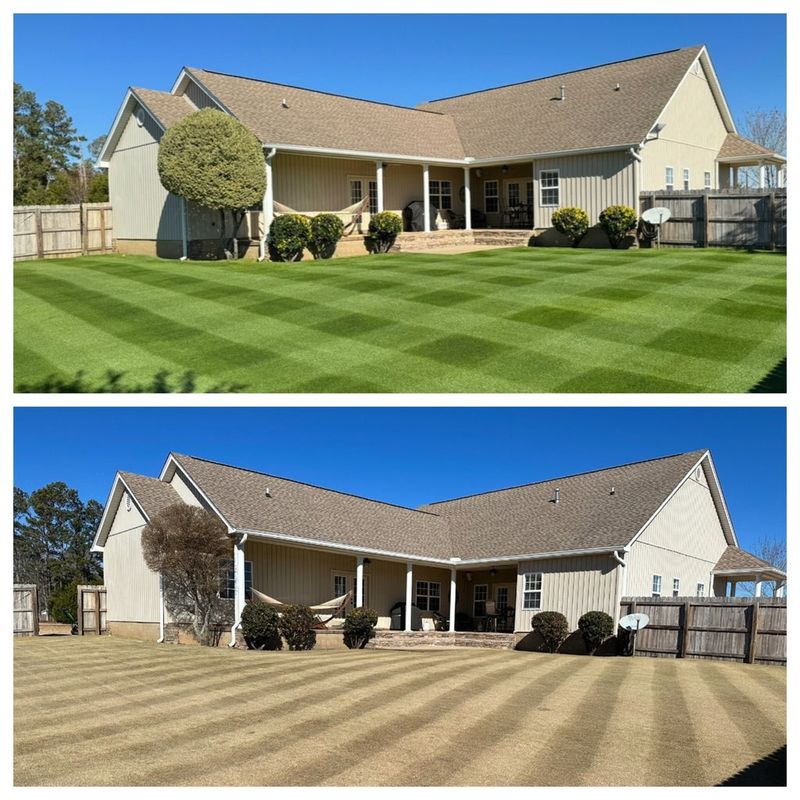
Fall overseeding often means something different from repair. Ryegrass is sown over dormant warm-season turf for temporary winter color.
Oklahoma State Extension describes perennial ryegrass overseeding of bermudagrass, zoysiagrass, or buffalograss this way, and notes the extra mowing, watering, and fertilizing it adds.
The same source describes annual ryegrass as a temporary way to stabilize bare ground when warm-season turf cannot be established in fall. It is a stopgap, not permanent repair.
Texas A&M’s overseeding guidance covers bermudagrass sports fields, so it should not be read as a rule for home lawns.
Watch your weed products, too. UF/IFAS warns that preemergence herbicides can interfere with establishing certain grasses, including winter-overseeded ryegrass.
Read the label and check local guidance before mixing weed treatments with seeding or repair.
Repair the cause, not just the bare spot
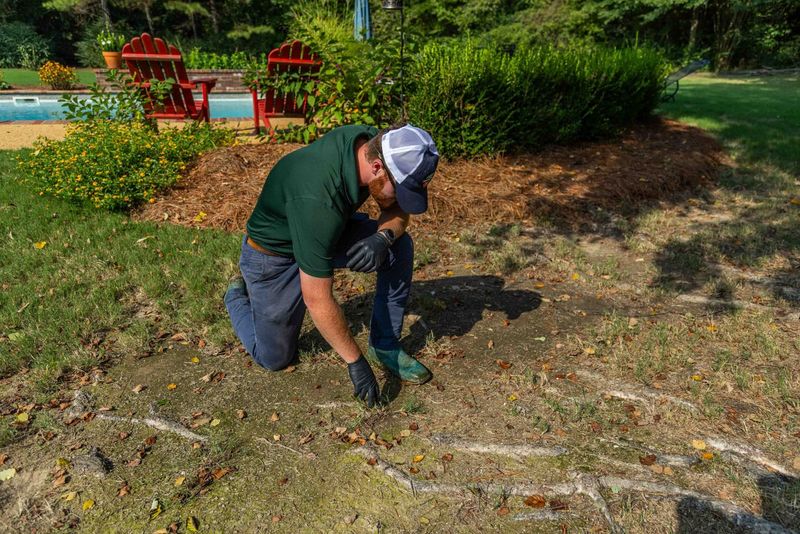
Work through three steps: name your grass and the stress that thinned it, pick a repair method that fits, and plant when your species and region allow. Dense turf can help crowd out weeds, but UF/IFAS says managing them may take a steady approach over several years, and establishment guidance ties success to timing.
Weeds move in wherever the lawn leaves room. Fix the reason for the room, and the patch has a fair chance to stay filled.