
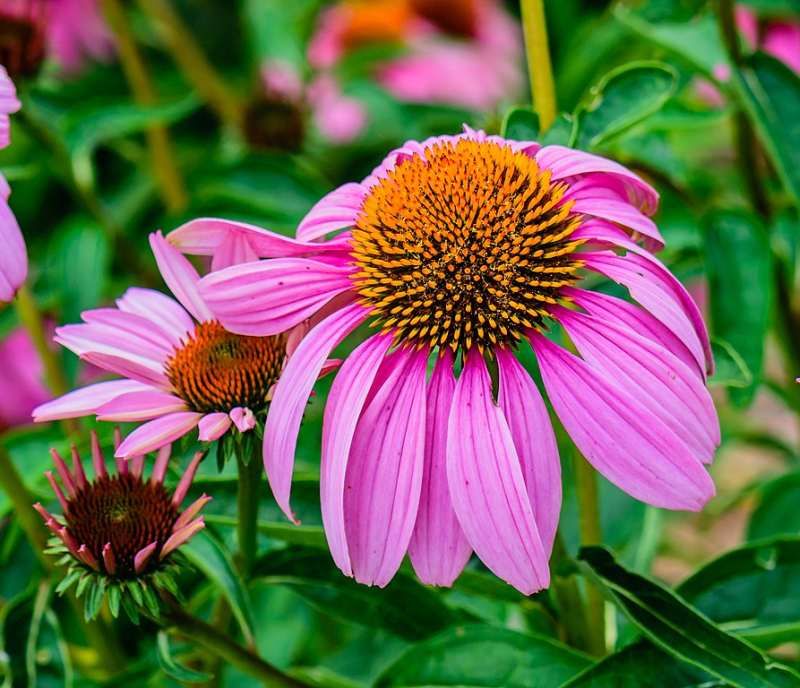
That scraggly ditch bank you mow every other week could be the prettiest strip on your whole property. Many North Carolina native wildflowers and grasses need a winter chill in the soil to sprout, so fall is the natural time to scatter seed.
Sow now, let the cold do its quiet work, and by next summer you could have a buzzing, blooming strip that holds soil, feeds pollinators, and cuts your mowing time. Here are nine native seeds worth tossing onto that slope this season.
1. Black-Eyed Susan
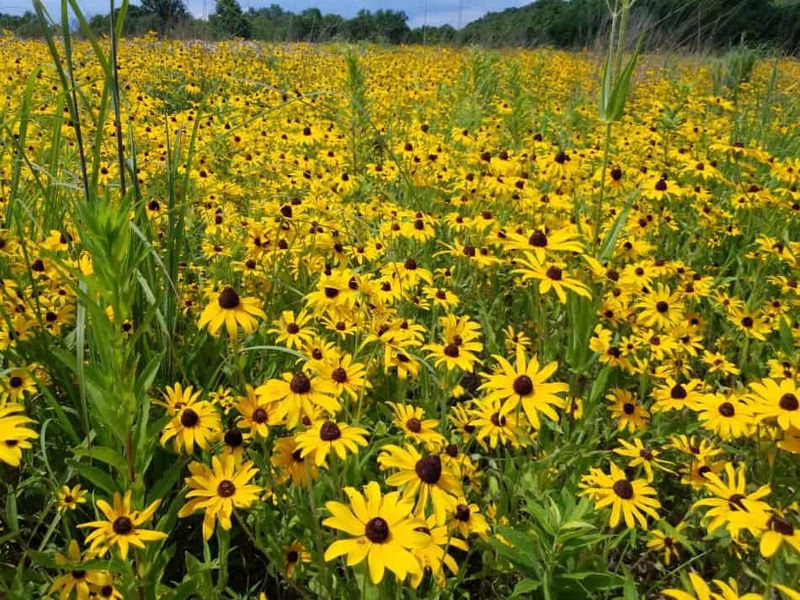
Ask any NC farm kid what lined the roads in July, and they will probably describe a sea of gold with dark brown centers. Black-eyed Susan is the friendliest starter seed you can scatter on a ditch bank.
It germinates easily, blooms fast, and forgives rough, clay-heavy soil.
Many plants bloom in their first or second summer, which makes them the early payoff while slower perennials settle in. The seeds are tiny, so mix them with sand before broadcasting to spread them evenly.
Press them into bare soil by walking over the area after sowing.
Goldfinches pick at the seed heads in fall, so leave the stems standing through winter. That little act of patience means free reseeding and a bank that fills in more each year.
2. Butterfly Milkweed
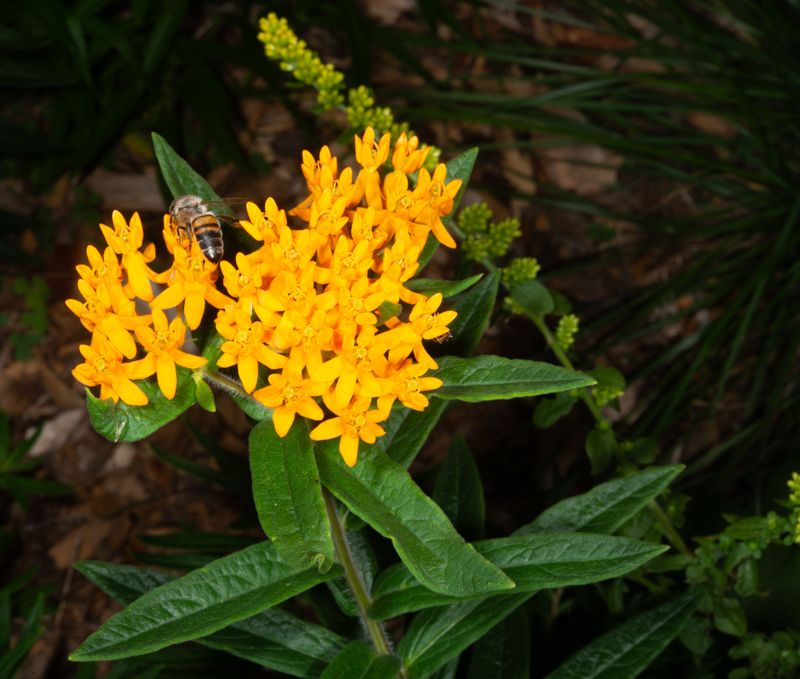
Monarchs cannot raise their young without milkweed, and butterfly milkweed is the tough, orange-flowered kind that actually thrives on dry, sunny slopes. If the top of your ditch bank drains fast and bakes in August, this plant belongs there.
Seeds need cold, moist stratification to sprout well, and a North Carolina winter handles that for you when you sow in fall. Expect a slow start.
First-year plants often focus on building a deep taproot, with heavier blooming by year two or three.
That taproot is also why you should skip transplanting later. Pick the spot, sow it, and let it be.
The reward is a glowing orange patch that may draw monarchs, swallowtails, and native bees for decades.
3. Swamp Milkweed
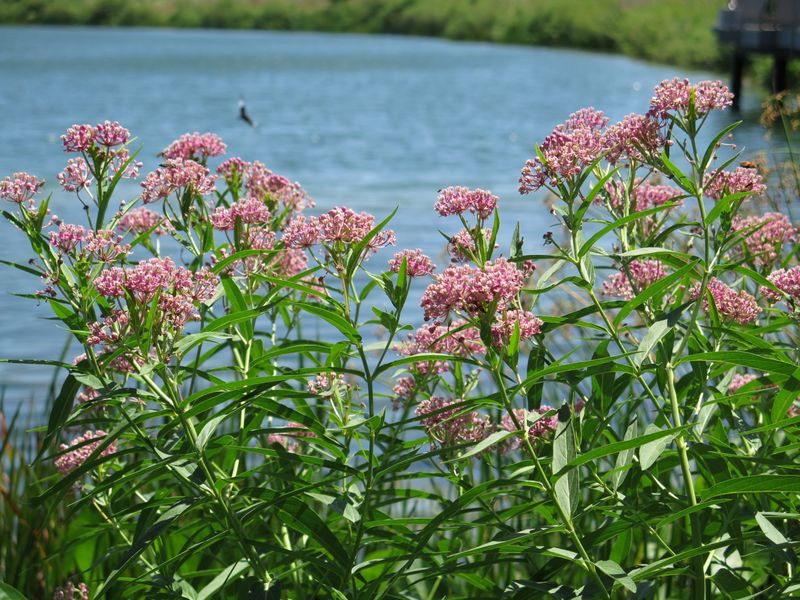
Down at the soggy bottom of the ditch, where your mower bogs and water sits after a storm, swamp milkweed is happy as can be. Its dusty pink flowers smell faintly of vanilla on warm evenings.
Think of it as the wet-feet partner to butterfly milkweed. Planting both gives monarchs host plants from the top of the bank to the bottom.
Swamp milkweed tolerates periodic flooding and heavier soils common in the coastal plain and Piedmont low spots.
Sow seed in late fall right on the damp soil surface. Plants grow three to five feet tall, so they work best where they will not block sightlines near a driveway.
4. Lanceleaf Coreopsis
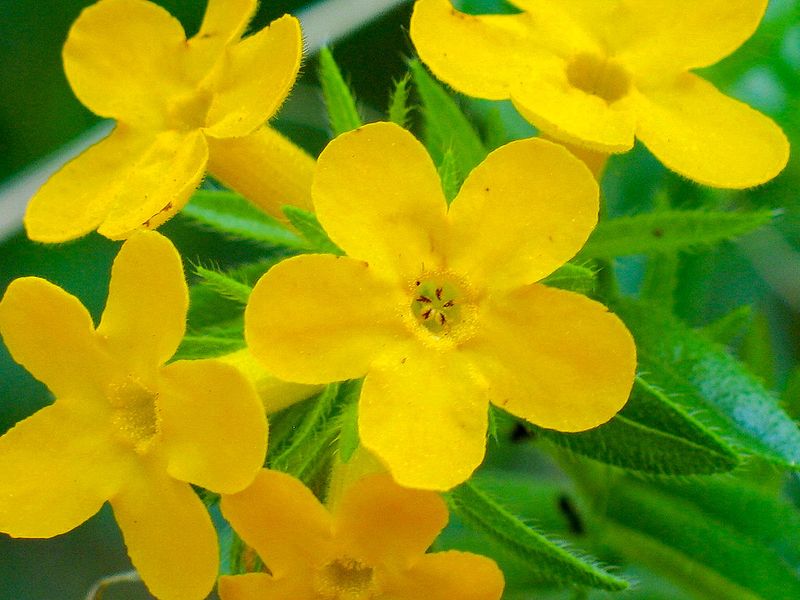
Here is a fun bit of state pride: North Carolina’s Department of Transportation has planted coreopsis along highways for years through its wildflower program. If it can handle interstate medians, your ditch bank is easy work.
Lanceleaf coreopsis brings bright yellow daisies in late spring, filling the gap before the summer bloomers take over. It loves poor, sandy, or gravelly soil and actually flops when pampered with fertilizer.
Deadhead a few spent blooms if you want a longer show, but leave most to set seed. Small native bees and hoverflies visit often, and hoverfly larvae may help reduce aphids in nearby vegetable beds.
5. Purple Coneflower
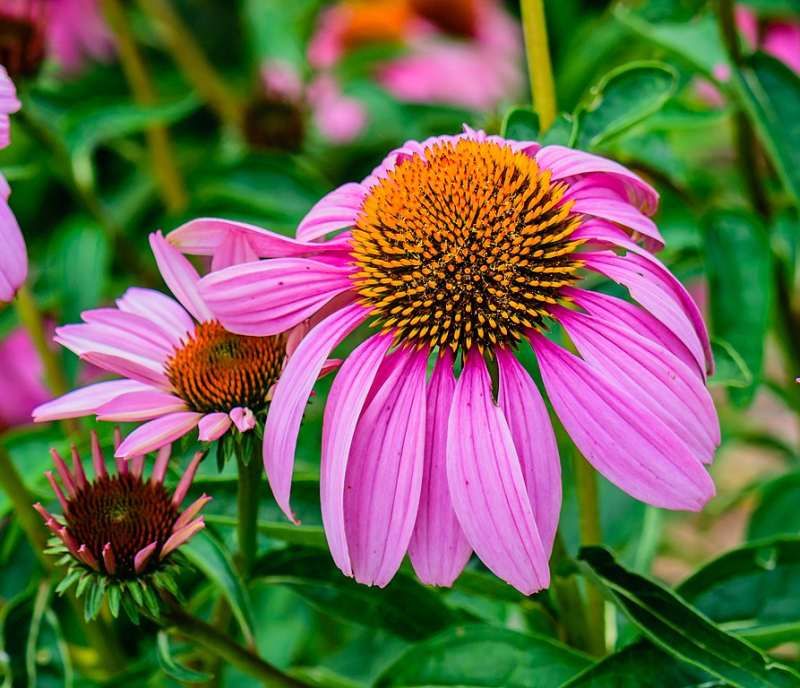
Picture a bumblebee so heavy with pollen it can barely lift off a spiky orange cone. Purple coneflower delivers that scene all summer long.
Sturdy stems stand up to wind and roadside wash, and the plant shrugs off drought once established. Fall sowing helps, since the seeds benefit from winter cold.
Some bloom the first summer, but most put on a real show in year two.
Leave the seed heads in winter and watch for finches and chickadees perched on top. It is one of the easiest ways to keep birds visiting your yard in the cold months.
6. Little Bluestem
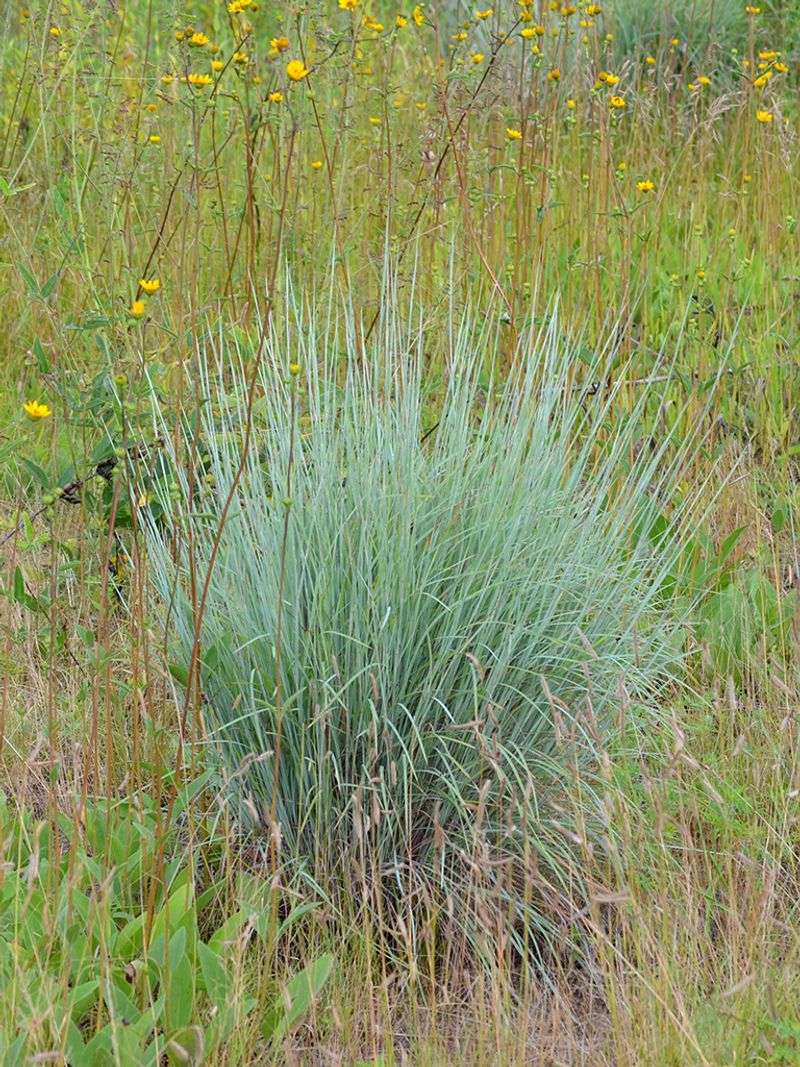
Wildflowers get the attention, but a meadow without grass tends to wash out or fill with weeds. Little bluestem is the quiet backbone.
Its fibrous roots can run several feet deep, which may help knit loose ditch soil together and slow erosion after heavy summer storms. Blue-green clumps in summer turn a rich copper in fall, so the bank looks good even after the flowers fade.
Mix it into your seed blend at a modest rate so it supports rather than smothers the flowers. Ground-nesting bees and small birds use the clumps for shelter, and the plant stays a manageable two to three feet tall.
7. Joe-Pye Weed
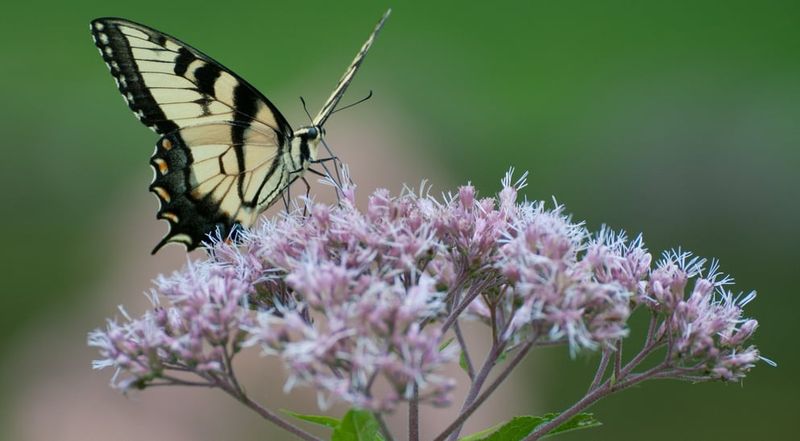
Joe-Pye weed is the giant of the group, and honestly, that is the fun of it. Mature plants can tower five to seven feet with big domes of mauve flowers.
Tiger swallowtails, North Carolina’s frequent summer visitor, seem to love it. On a good August day you may count a dozen butterflies on a single clump.
Save this one for the wetter, back side of a ditch, away from the road edge. It likes moisture and part to full sun, and it reliably returns every year once rooted.
8. Wild Bergamot
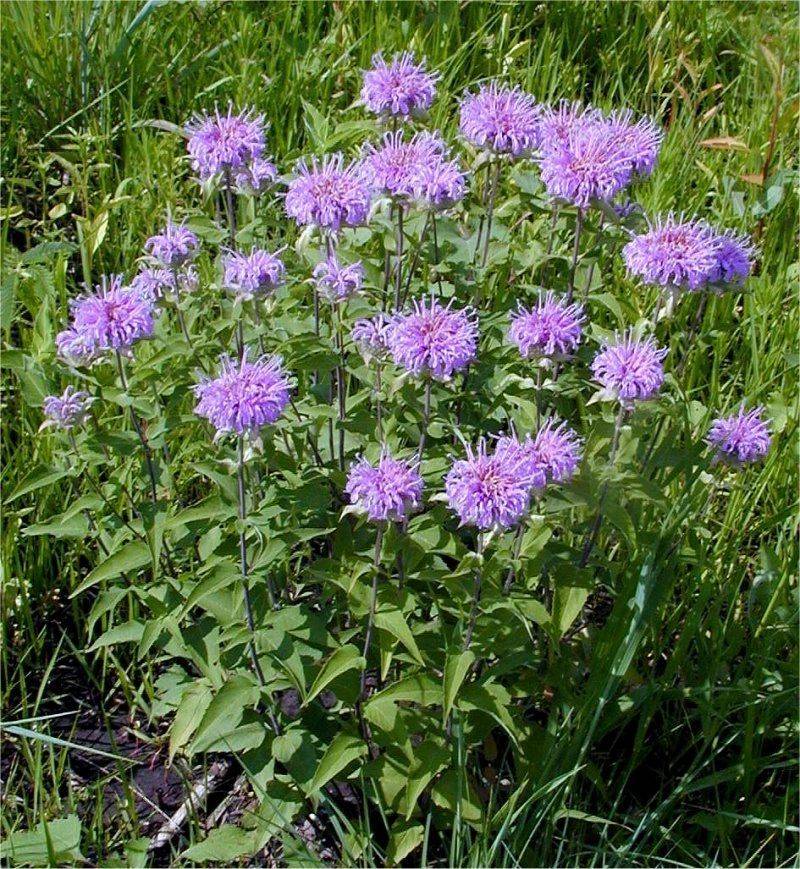
Crush a leaf of wild bergamot and you will smell something close to oregano mixed with mint. That strong scent is part of its charm, and deer tend to walk right past it.
Lavender pom-pom flowers open in midsummer and pull in bumblebees, hummingbird moths, and the occasional ruby-throated hummingbird. It handles dry clay better than many showier bee balms.
The aromatic foliage is sometimes said to repel mosquitoes, but that claim is not well supported for plants growing in the yard. Grow it for the pollinators, and let the healthy wildlife on your bank, including dragonflies and birds, do what they can for bug control.
9. Narrowleaf Mountain Mint
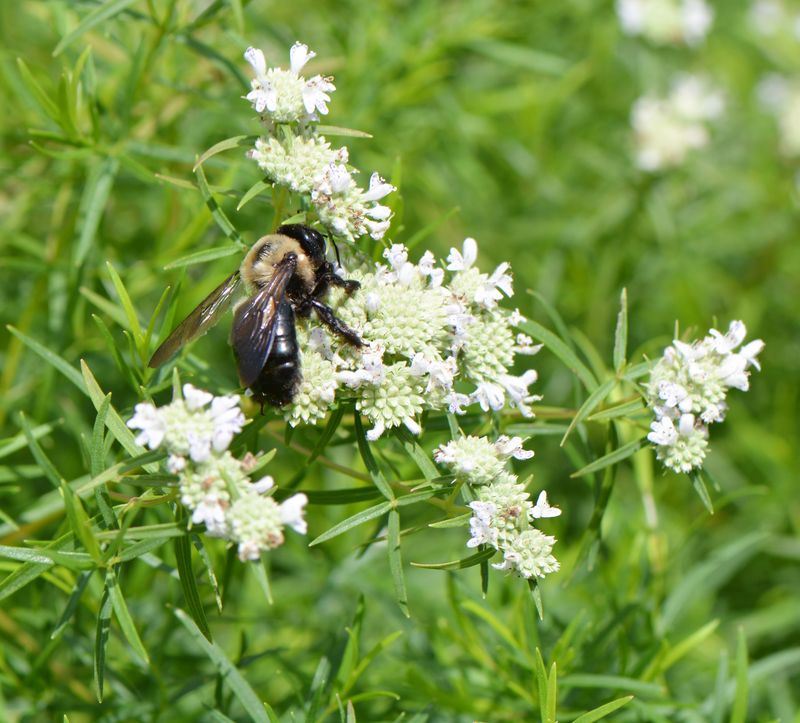
Stand next to a blooming patch of mountain mint in July and the buzzing is almost loud. Researchers and gardeners alike often rank it among the busiest pollinator plants in the Southeast.
Small white flowers attract bees, beneficial wasps, and flies, many of which prey on garden pests. That makes it a working plant, not just a pretty one.
It spreads steadily, which is a bonus on a ditch bank where you want solid cover.
Scatter seed on the surface in fall without burying it, since light helps germination. By year two, you should have a fragrant, silvery mat that crowds out many weeds and smells wonderful when you brush past.
Finish your sowing with one simple habit: mow the whole bank just once in late winter. That single cut keeps the meadow healthy, protects overwintering insects, and saves you hours all season.