
No-see-ums can turn a Florida porch into a place nobody wants to sit. Fragrant plants make the space nicer, but can they really keep the biting bugs away?
The seven picks below are useful near porches because they smell good, suit Florida growing conditions, or offer other yard benefits. Just know that no plant has been shown to protect you from no-see-ums better than a proven bug repellent.
1. Rosemary
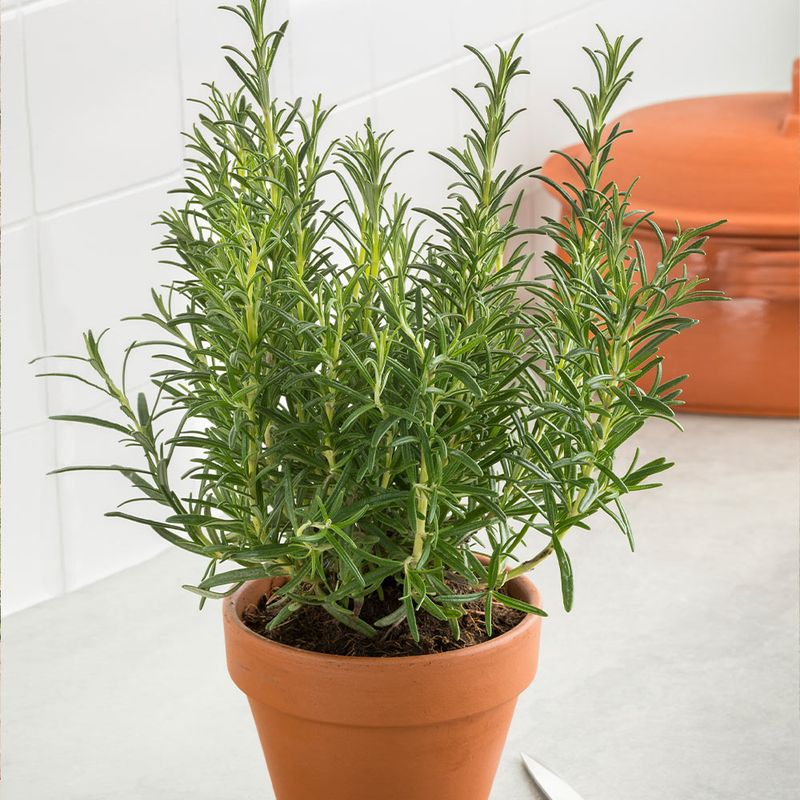
Brush past a pot of rosemary on your way to the porch, and you get an instant burst of its pine-like scent. That makes it a satisfying choice beside a door or walkway, where people will actually touch the leaves.
A living rosemary plant, however, does not release enough scent to create a reliable shield against no-see-ums.
Give rosemary a sunny spot and a container with drainage holes. Its roots dislike staying wet, especially during Florida’s rainy season, so use a well-draining potting mix and water when the upper soil feels dry.
A container also lets you move the plant out of prolonged storm rain. Trim the tips for cooking, and prune lightly to keep the plant compact rather than letting it become woody and sparse.
Rosemary earns its porch space by doing more than looking good: it supplies a useful kitchen herb in a small footprint. Keep it close enough to enjoy the fragrance, but do not count on it as your only pest plan.
If no-see-ums are biting, use a repellent labeled for biting midges and follow the label directions.
2. Basil
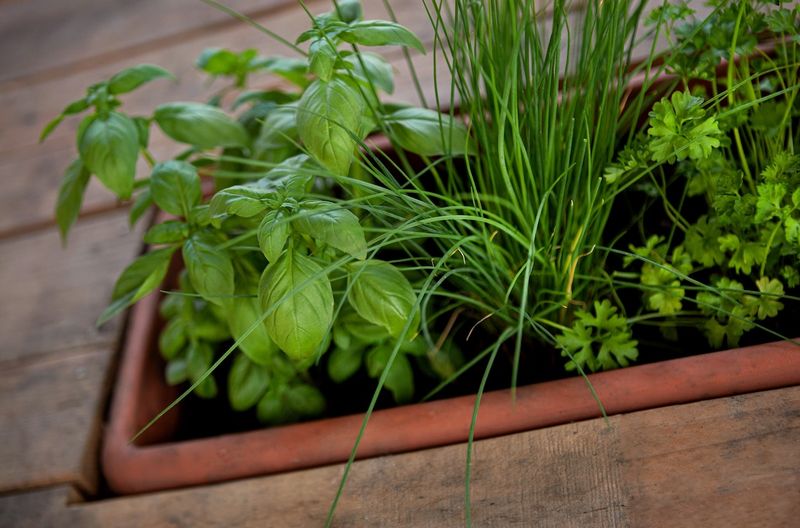
A few steps from the porch to a handful of fresh basil feels like a small luxury at dinnertime. Its spicy scent is another reason gardeners place it near outdoor seating.
You will notice that smell most when you handle the leaves, not while the plant sits untouched across the porch.
In much of Florida, basil grows fast during warm weather. Give it morning sun and, during the hottest part of the year, some afternoon shade if the leaves wilt or scorch.
Pots dry quickly in heat, so check the soil often and water when it starts to dry near the surface. Pinching off flower spikes can help keep the plant producing leaves for meals.
Choose basil if you want a fragrant, edible porch plant that is easy to replace when it gets tired. You can grow several pots for a full, leafy look without committing space in a garden bed.
Basil’s scent is pleasant, but there is no good evidence that a pot of it keeps biting midges from reaching people. Treat it as a useful herb, not a substitute for protection on buggy evenings.
3. Lemongrass
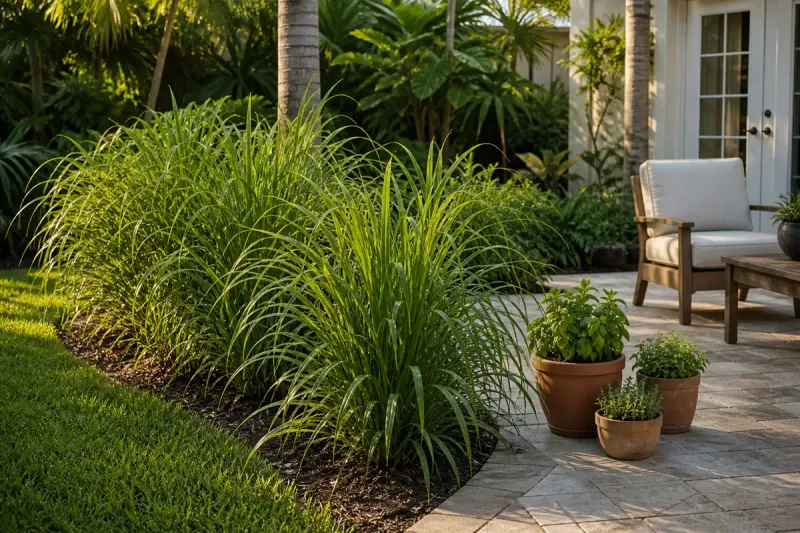
When a porch needs a little privacy, lemongrass can provide it without a fence. Its tall, arching blades form a leafy screen, and a cut stalk has a clean citrus scent.
The plant is often linked with insect control, but that does not mean an uncut clump will drive no-see-ums away from your chairs.
Lemongrass likes Florida’s warm growing season and needs plenty of sun. Set it in a large, sturdy pot with good drainage, or give it room to spread into a substantial clump in the ground.
Water regularly while it gets established, then watch the soil during dry spells. Place the pot beside the porch rather than in a narrow path, since mature leaves can spill outward and make walking awkward.
Unlike a small herb, lemongrass changes how the space feels: it can soften a bare corner and make a seating area seem more sheltered. You can also harvest stalks for cooking.
Keep its real job clear, though. Lemongrass is useful landscaping, while personal repellent and physical barriers are more dependable tools against biting midges.
4. Citronella Grass
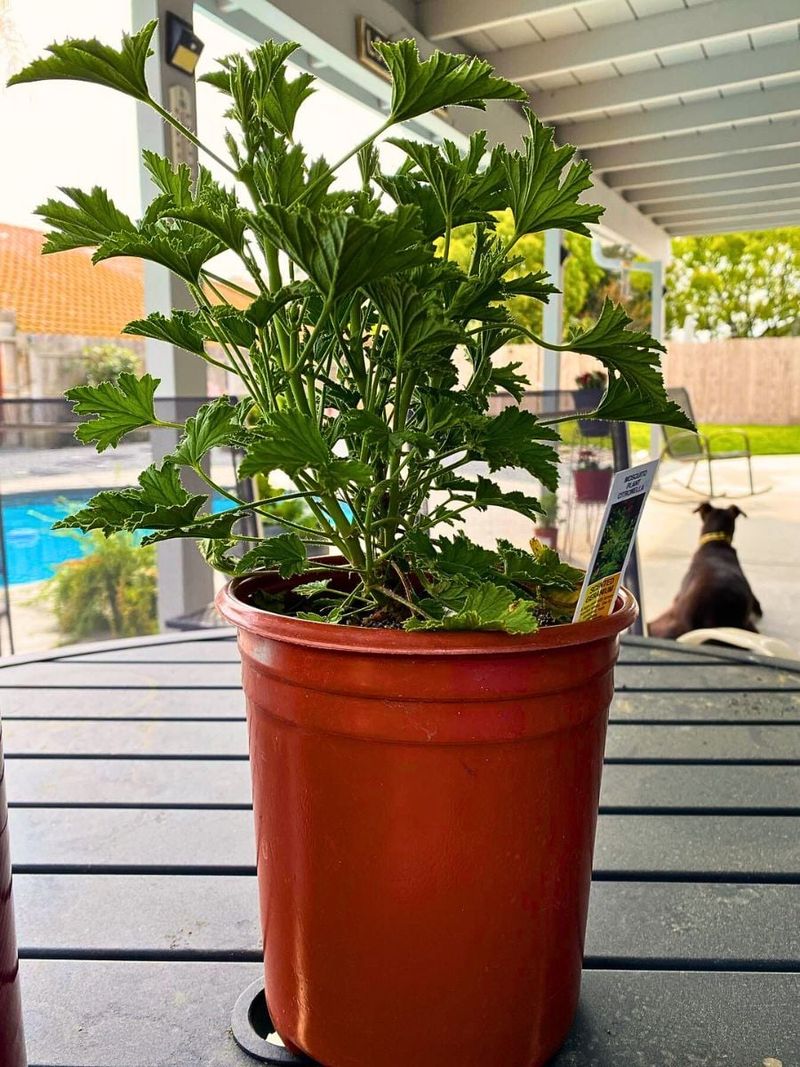
The name on a nursery label can be confusing: citronella grass is not the same plant as the scented geranium often sold as a citronella plant. True citronella grass is a tropical, clumping grass grown for the aromatic oils in its leaves.
Those oils help explain its reputation, but a potted plant is not the same thing as a tested repellent product applied as directed.
Give citronella grass sun, warmth, and a roomy container that drains freely. Florida gardeners can use it to fill a bare porch corner or add height behind shorter pots.
Check the soil during long dry stretches, and avoid placing the grass where its arching leaves crowd a doorway. A container makes it easier to shift the plant to a protected spot when severe weather is forecast.
Its best feature is the look: a full, green clump brings a tropical feel to an outdoor room without needing flowers. If the label says citronella, check the botanical name before buying so you know which plant you are taking home.
Enjoy the scent when you cut or handle the leaves, but do not expect the growing grass to stop no-see-ums on its own.
5. Mint
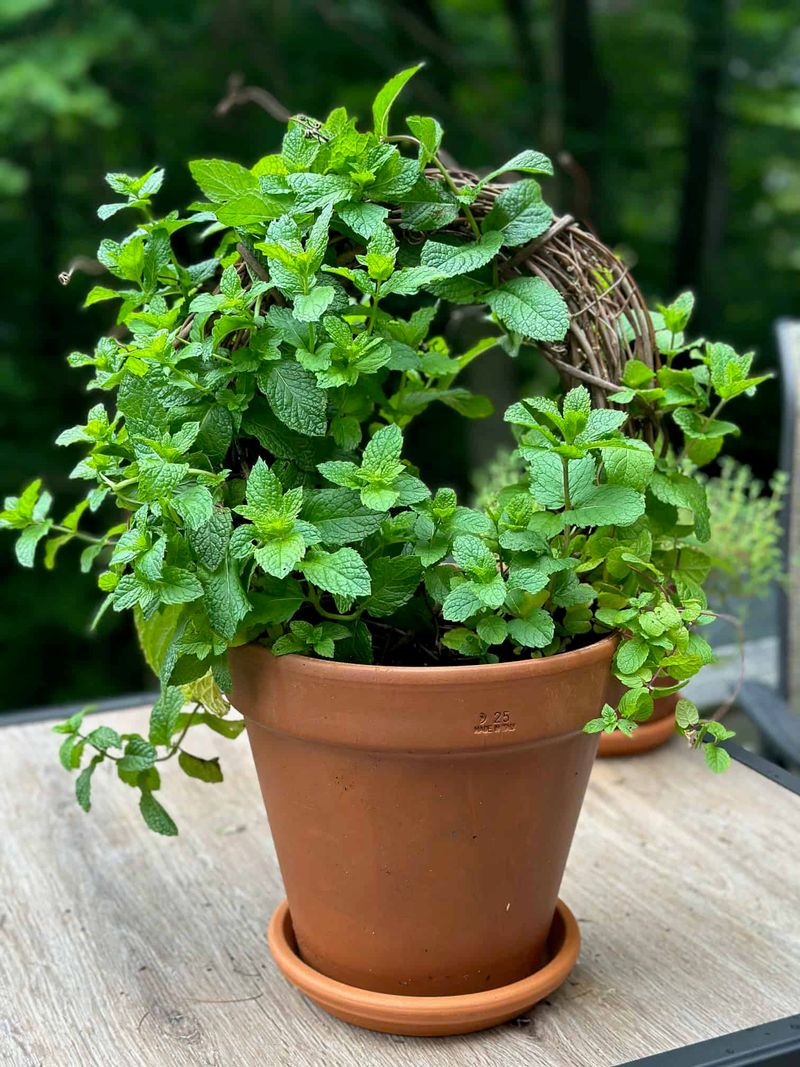
Mint has a habit of taking over when nobody is watching. On a porch, that can be a good reason to grow it in a pot instead of the ground.
The container keeps its spreading roots contained, while the leaves remain close enough to snip for tea or cool drinks.
Place mint where it gets morning light and relief from harsh afternoon sun. Keep its potting mix evenly moist without leaving the container sitting in water.
Florida heat can be hard on a crowded pot, so trim stems often and move the plant to a gentler spot if the leaves begin to crisp. A separate container also keeps mint from pushing aside slower-growing herbs.
Crushed mint leaves smell strong, which makes the plant an appealing addition near porch seating. Smell alone, though, is not proof of protection from no-see-ums.
Its practical payoff is an easy-to-reach harvest and a soft, leafy edge for a table or step. If bites are the problem, a fine-mesh screen around the sitting area can do more than adding another pot of mint.
Check that any screen is fine enough for these tiny insects, and repair gaps around its edges.
6. American Beautyberry
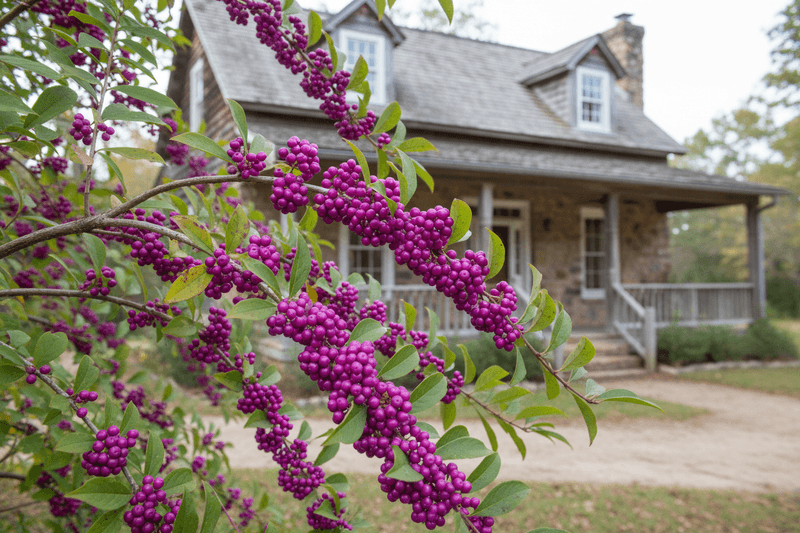
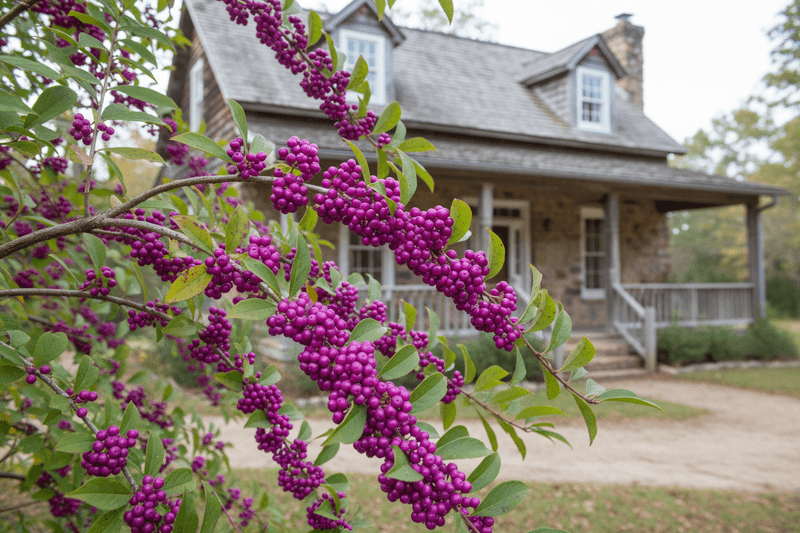
Come fall, American beautyberry puts on a show that most porch shrubs cannot match. Bright purple berries line its arching stems, giving a plain entry bed a splash of color.
It is also a Florida native, which makes it a different kind of pick from the familiar potted kitchen herbs on this list.
Plant beautyberry where it has room to spread, rather than squeezing it beside a narrow front step. It grows in sun to partial shade and is best placed in well-drained soil.
Water a new shrub while its roots establish, then mulch around it to help slow moisture loss in sandy ground. Leave a gap between the mulch and the stems, and prune as needed to keep branches away from walkways.
Beautyberry leaves contain compounds studied for insect-repelling activity, but that research does not show that a shrub beside your porch prevents no-see-um bites. Do not rub homemade leaf mixtures on your skin as a stand-in for a tested repellent.
Grow beautyberry for its berries, its natural look, and its value in a wildlife-friendly yard. Those are strong reasons to give it space even without a pest-control promise.
7. Wax Myrtle
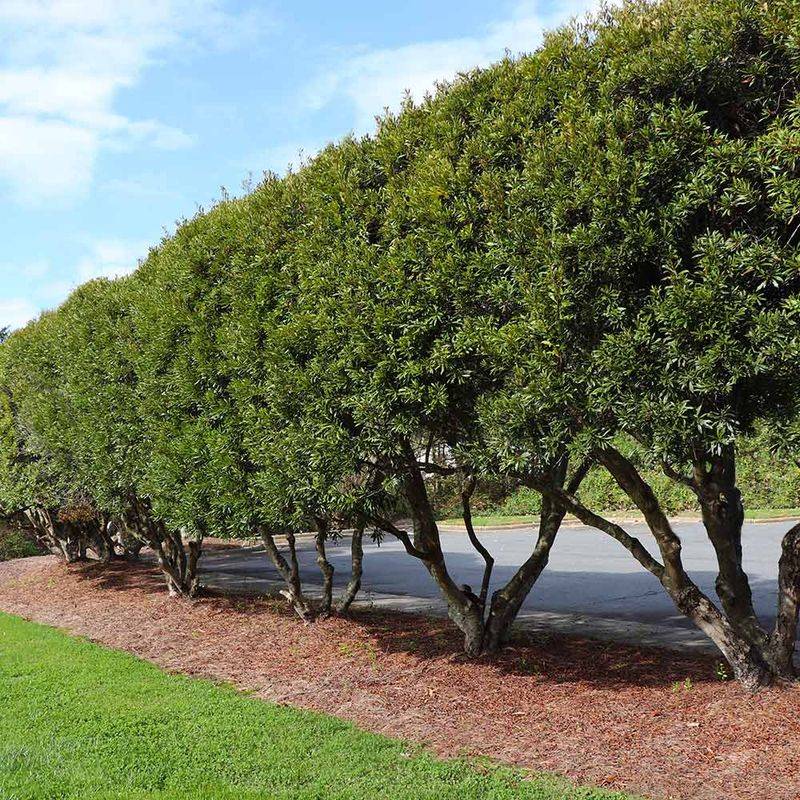
For a porch that feels exposed to the street, wax myrtle offers something a spray bottle never will: a living screen. This Florida native has fragrant foliage and can help make a seating area feel more private.
Birds also use wax myrtle, so it fits a yard designed to welcome wildlife.
Wax myrtle is a shrub or small tree, not a tabletop herb. Check its mature size before planting, and leave enough space for air to move around the porch and for branches to stay clear of the house.
Once established, it suits many Florida landscapes, including sandy sites. Prune for the shape you want rather than repeatedly cutting it into a tight wall of foliage.
Keep walkways and sight lines open, especially near an entry.
The leaves have a noticeable scent when crushed, but a hedge will not reliably repel biting midges. Wax myrtle belongs on this list because it gives a porch lasting structure and privacy while bringing native-plant value to the yard.
For actual bite prevention, pair your planting choices with fine-mesh screening and a properly labeled repellent. Empty water from containers and other items around the porch, too, to reduce breeding spots for mosquitoes and other nuisance insects.