
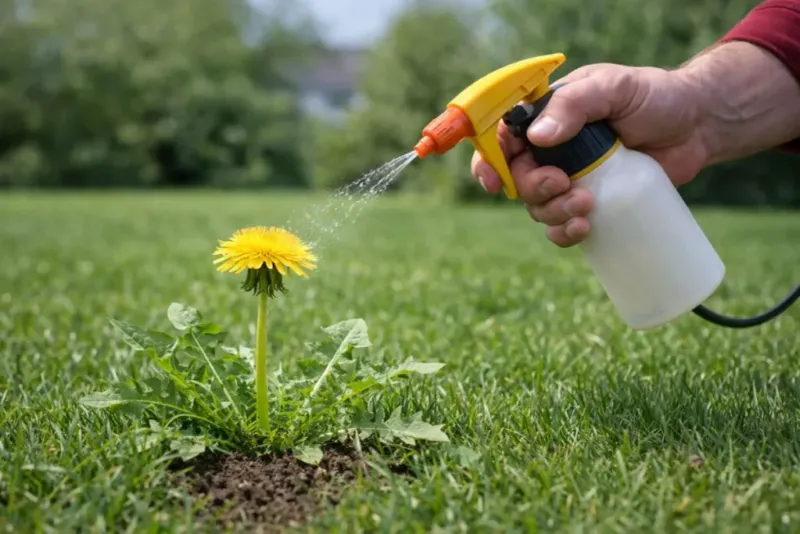
Pull one dandelion and three more seem to pop up by spring. These weeds are tougher than they look, and fall gives Southern homeowners a chance to hit back while the plants are still growing.
A well-chosen treatment can knock down the dandelions you already have. Here is what it can do, what it cannot, and how to avoid hurting your grass.
Dandelions return because they are perennials
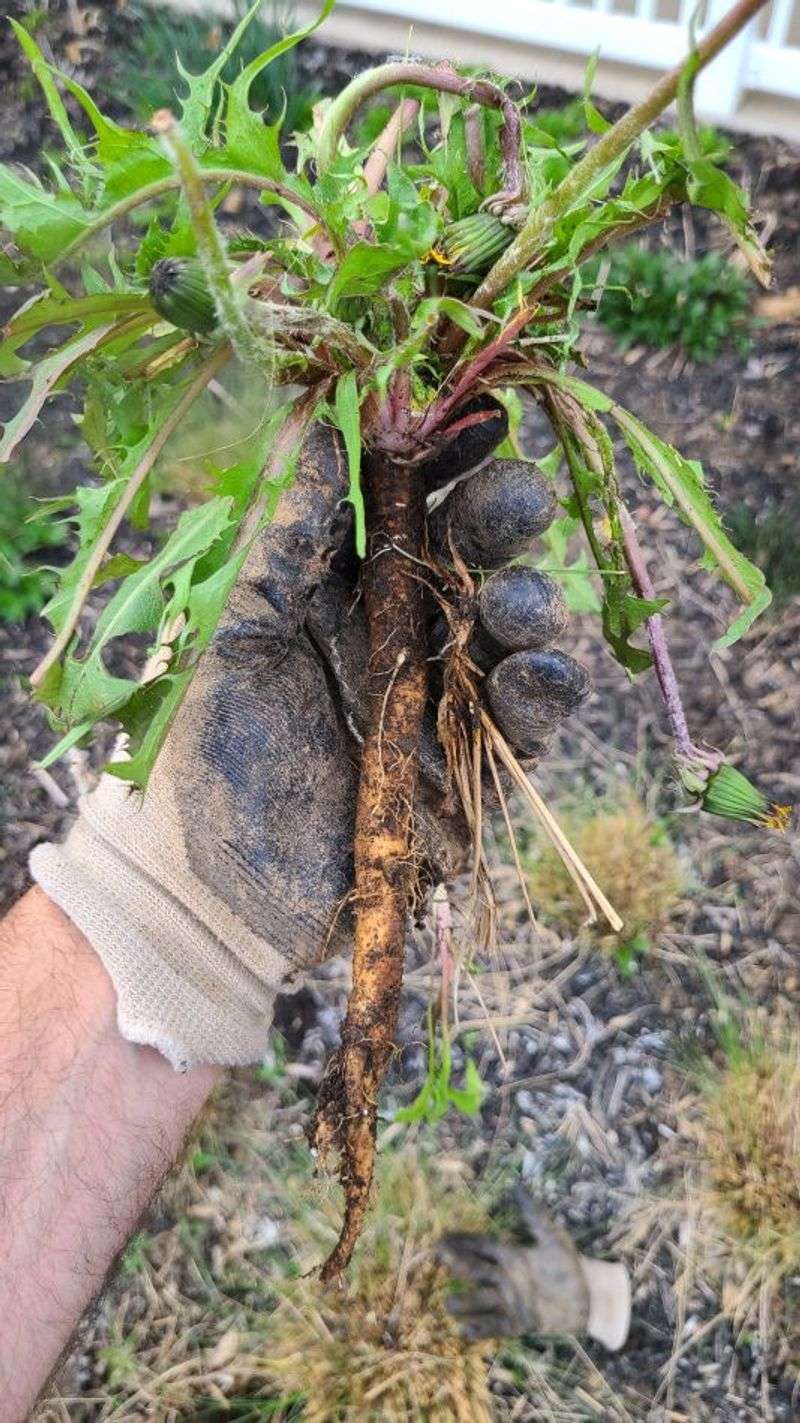
Ever wonder why a dandelion you dug out last year is back? These plants are perennials, which means they live for years instead of dying off after one season.
The thick taproot stays in the ground and can push up fresh leaves, as University of Minnesota Extension explains.
Dandelions also spread by seed. One yellow flower turns into a puffball of seeds that the wind can carry across a yard or over from a neighbor’s lot.
Florida guidance from UF/IFAS also lists dandelion as a perennial weed, not a short-lived annual.
Put those two traits together and the problem is clear. A treatment may weaken plants that are already there, but it cannot stop every seed from landing and sprouting.
Any plan that promises a perfectly clean lawn is promising too much.
Fall can be a useful treatment window

Late summer and early fall often work well for treating perennial weeds. During that stretch, plants are still growing and start sending stored energy down toward their roots.
A leaf treatment can travel along with that flow, which is why Colorado State University Extension points to this season for broadleaf weeds, and Minnesota guidance agrees.
Those are not Southern sources, though, so do not copy a Northern calendar date onto a Florida or Texas yard. Weather, soil warmth, and grass type all shift the picture from Pensacola to the Rio Grande Valley.
Texas A&M turf guidance stresses that timing and tolerance vary by turf species, cultivar, and product.
A better test is simple. Look for green, healthy dandelion leaves that are visibly growing.
If they are, fall may be a good window for your lawn.
Established plants need a post-emergence approach
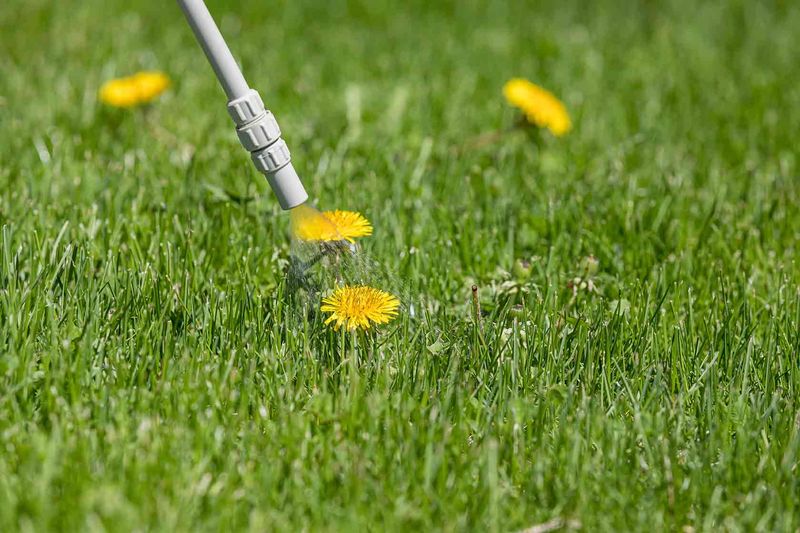
Two product types get mixed up all the time. A post-emergence broadleaf product goes on leaves that are already growing.
A pre-emergent works in the soil to stop seeds from sprouting, and it does not kill plants that are up and running.
That difference matters for dandelions you can already see. Colorado State guidance treats foliar broadleaf control as the tool for established weeds.
A weed preventer spread on top of them will not do the job.
Florida’s homeowner herbicide guide from UF/IFAS makes the same split between seed control and treatment of emerged weeds. Texas A&M’s herbicide selection guide does too.
A fall pre-emergent may still help with certain weeds that grow from seed. Just do not count on it to clear out the dandelions already standing in your grass.
Match the product to your Southern turf
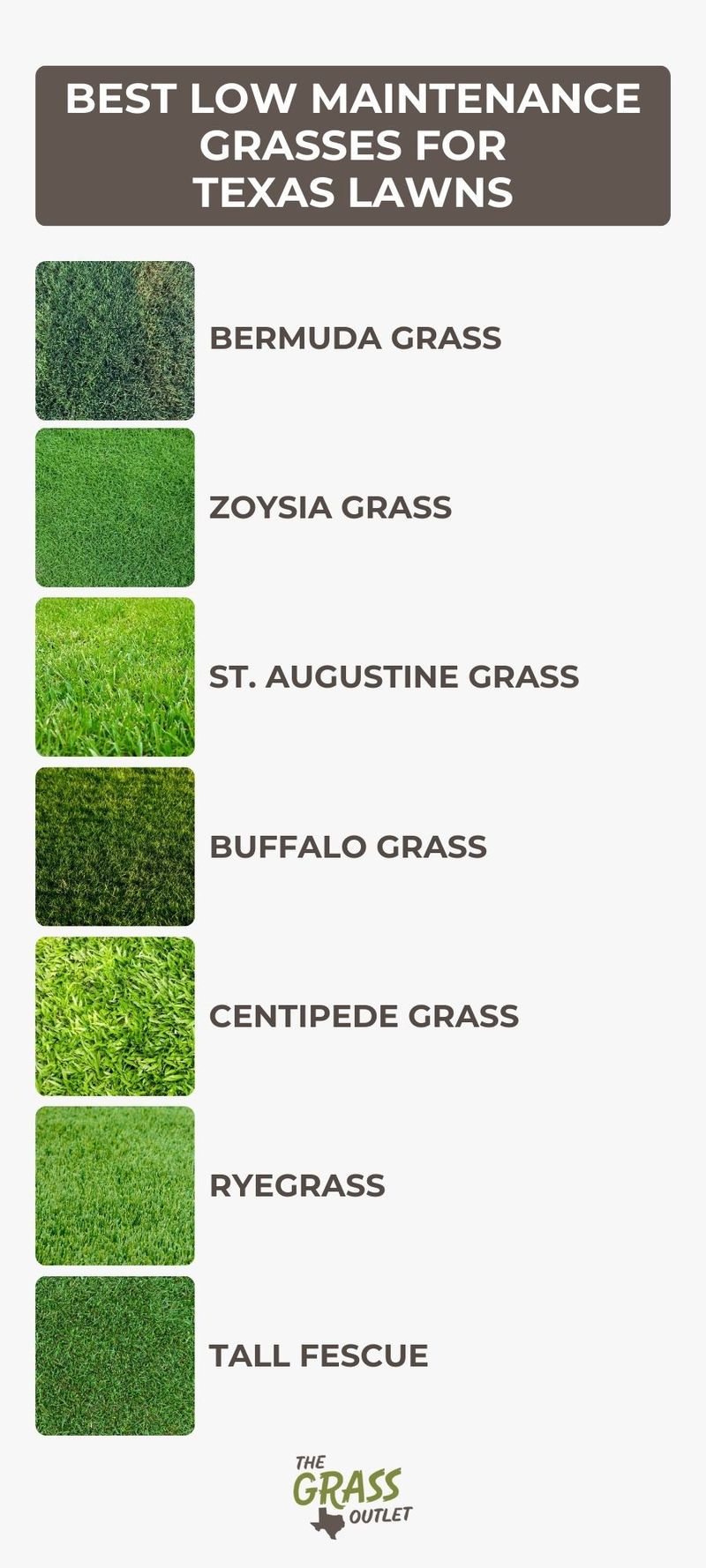
Before you buy anything, figure out what grass you have. Warm-season lawns in Texas include bermudagrass, St. Augustinegrass, zoysiagrass, centipedegrass, and buffalograss, and they do not all handle the same products.
Texas A&M warns that some active ingredients can injure certain lawn types, and some St. Augustine cultivars may be more sensitive, in its homeowner herbicide guide.
Florida readers get similar advice. The UF/IFAS lawn weed guide rates products differently for each turf species, and flags cases of possible injury, products not recommended, or potential damage.
Use those guides to narrow your choices. Then read the label on the container in your hand, since that is the final word on whether it is meant for your grass.
A broadleaf weed killer that is fine on one lawn can hurt or kill another.
If you are unsure which grass you have, take a sample to your county extension office and ask.
Treat only when the weed and label conditions are right
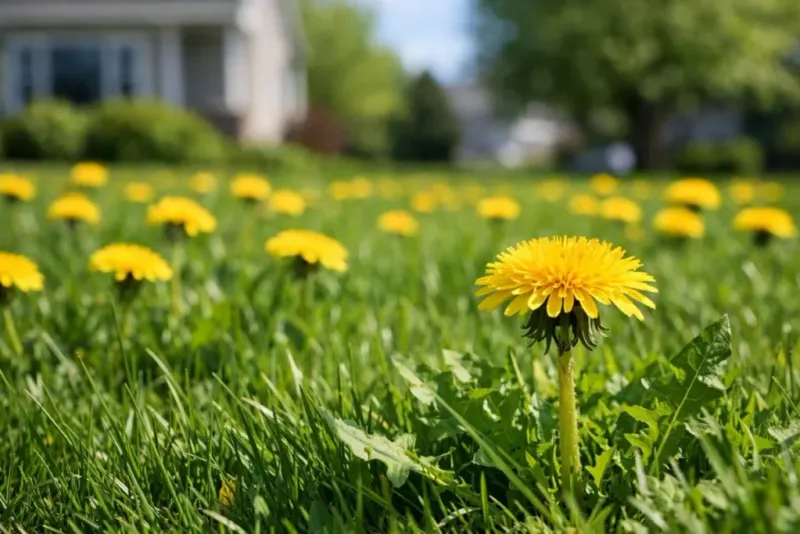
Good timing beats good intentions. Treat weeds that are actively growing and not stressed by drought.
Colorado State guidance makes that point, and Texas A&M backs it up for warm-season lawns.
If only a handful of dandelions are showing, spot treatment can make more sense than covering the whole yard.
The label is your rulebook. According to the EPA, pesticide labels are legally enforceable.
They spell out permitted sites, target weeds, turf types, rates, weather limits, precautions, and how often you can reapply.
That means no universal schedule exists, and no rate that works for every yard. If a dandelion patch survives, check the label for whether and when a repeat application is allowed.
Do not add extra product or reapply sooner because a weed looks stubborn.
A few plants may not call for a spray
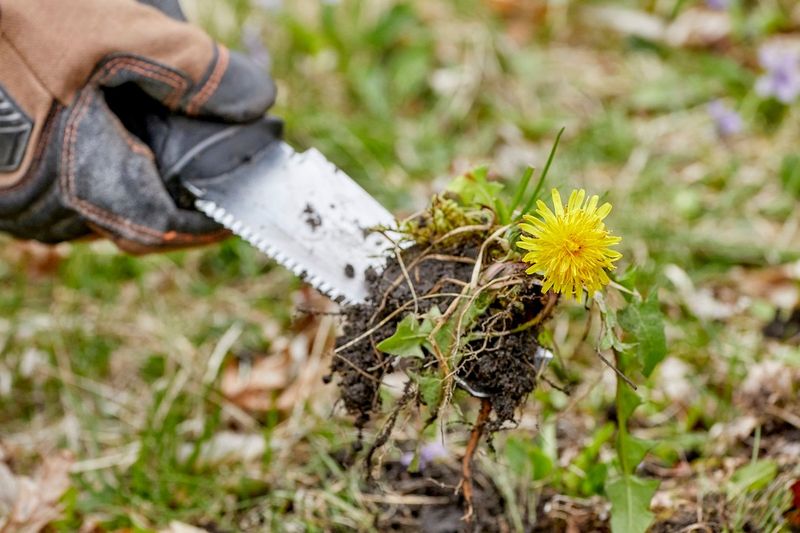
Only a few dandelions scattered around? Pulling them by hand is a reasonable choice.
The trick is getting as much of the taproot as you can, because leftover root pieces may regrow. A narrow weeding tool helps, and damp soil after rain makes the root slide out more easily.
Mowing plays a smaller role. Cutting flowers before the seed heads open can limit how far seeds spread, as University of Minnesota Extension notes.
It will not kill plants that are already established.
Thick turf also helps. A dense, healthy lawn leaves less room for weeds to move in, a point that Texas A&M turf guidance supports.
Steady mowing at the right height for your grass and regular watering keep the lawn strong enough to crowd out newcomers.
Aim for fewer dandelions, not a weed-free spring
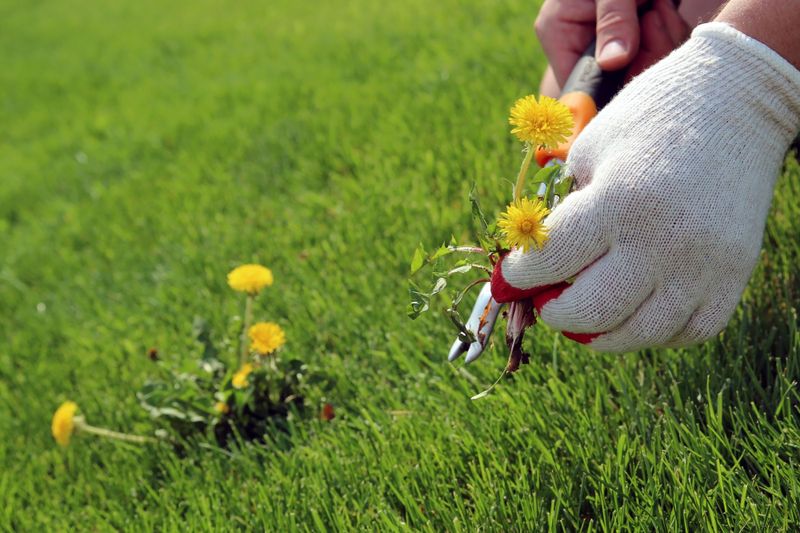
A properly chosen fall treatment can thin out the dandelions you already have. It cannot guarantee a clean spring, because seeds can still blow in and sprout, and some plants may need a second application.
Penn State Extension and Colorado State both describe control as ongoing, not one-and-done.
Two decisions matter most. Identify your turf, and follow the product label from start to finish.
Fewer dandelions in March is a win worth wanting, and it is one you can actually get.