
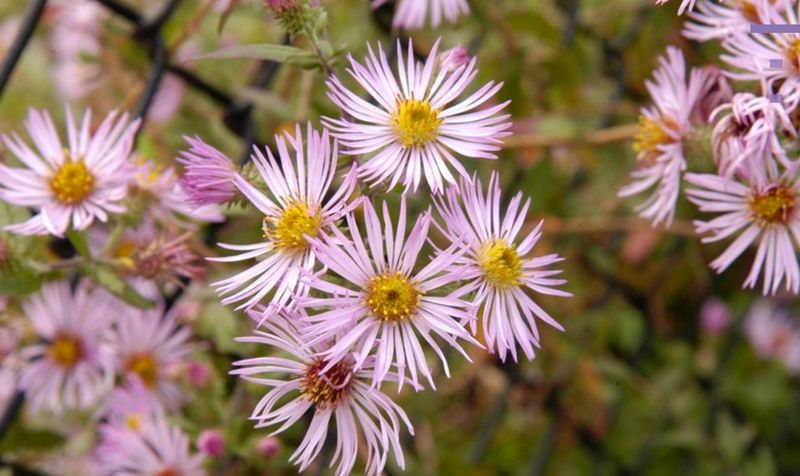
Whiteflies can turn a healthy Florida shrub into a sticky mess. Lacewing larvae eat whiteflies, and flowering native plants can help keep adult lacewings nearby.
Plant the right flowers close to your shrubs, and you can give these tiny helpers a better place to stay. Here are seven choices for different spots in a Florida yard.
1. Spanish Needles
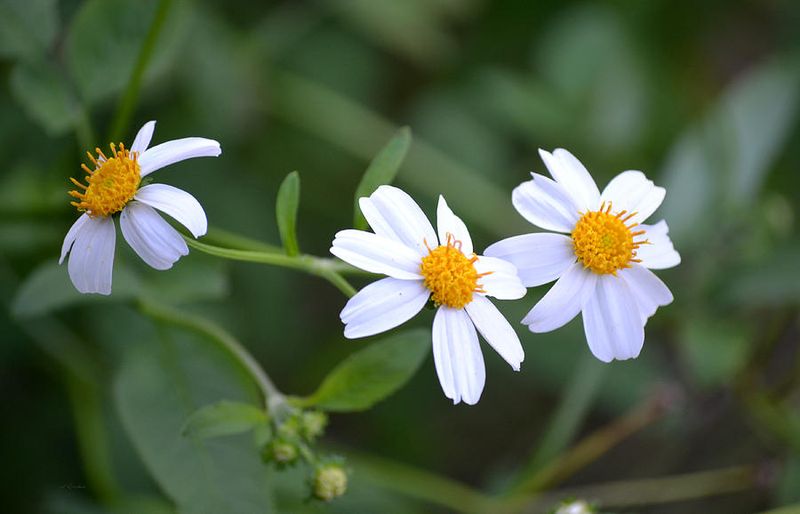
A few white flowers beside a problem shrub might look modest, but Spanish needles can bloom through much of Florida’s long warm season. Its open flower centers give small beneficial insects, including adult lacewings, access to nectar and pollen.
That steady food supply is its strongest reason to earn a spot near shrubs with whiteflies.
Plant Bidens alba in a sunny, informal bed a few feet from the affected shrub. It handles many Florida yards with sandy, fast-draining soil and needs little care once established.
Give it room rather than squeezing it into a neat foundation planting: it can grow quickly, look weedy to some gardeners, and spread by seeds that cling to clothes and pets.
For a tidier patch, remove spent flowers before the hooked seeds mature, but leave some blooms for insects. Check the undersides of nearby shrub leaves for whiteflies and lacewing eggs or larvae.
Flowers help attract and support lacewings; they do not guarantee that every whitefly will disappear. Skip broad-spectrum insect sprays on the flowers and shrub, since those can kill the helpers along with the pests.
2. Spotted Beebalm
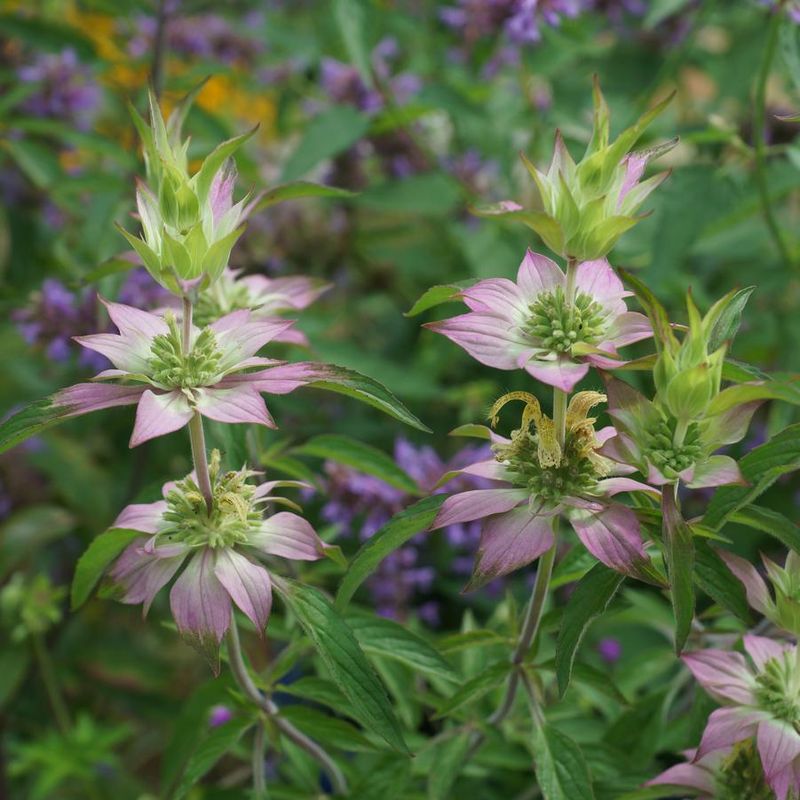
Spotted beebalm puts on a show that feels almost too fancy for a sandy roadside: pale, purple-speckled flowers rise between tiers of pinkish bracts. Those blooms offer food for visiting insects, and their long flowering stretch can help support adult lacewings near a shrub border.
Monarda punctata is a smart pick for the dry, sunny side of a Florida yard where fussier flowers struggle. Plant it beside a hedge or foundation shrub without crowding the shrub’s roots or blocking airflow.
Once established, it generally prefers well-drained soil and modest watering over a constantly wet bed. Its upright stems also add height behind shorter flowers, making the planting look planned rather than overgrown.
Spotted beebalm is useful when you want a native flower bed that welcomes more than one kind of beneficial insect. Let some blooms finish naturally so visitors have a reason to keep returning.
If whiteflies are already thick on a shrub, inspect the leaf undersides and remove badly infested leaves where practical. Nearby flowers work as habitat, not as an instant treatment, so give lacewings time and avoid spraying the insects you are trying to keep.
3. Seaside Goldenrod
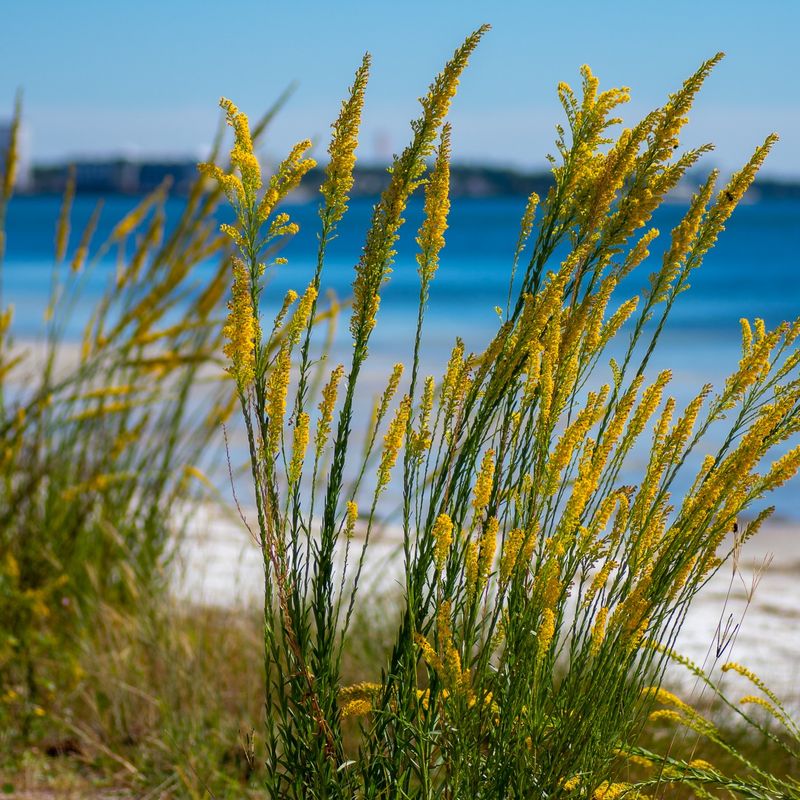
When many garden beds start looking tired, seaside goldenrod brings out bright yellow flower clusters. That later bloom is its big advantage: adult lacewings need food across the season, not just during spring.
Goldenrod flowers also draw a wide mix of small insects, making the area around a whitefly-prone shrub more welcoming to natural predators.
Solidago sempervirens suits sunny coastal Florida yards, including sites with sandy soil, salt exposure, and wind. Set it behind lower flowers or toward the back of a shrub border, where its height will not hide a walkway or window.
Water new plants while they establish, then avoid treating this tough native like a thirsty bedding plant.
Goldenrod often gets blamed for seasonal allergies, but its pollen is carried mainly by insects; wind-pollinated plants are a more common cause of airborne pollen trouble. Leave a few stems standing after flowering if they fit the look of your yard.
They give small insects places to shelter. The payoff for your shrubs is indirect but useful: more food and habitat nearby can help lacewings stay in the area while their larvae hunt whiteflies on leaves.
4. Flattop Goldenrod
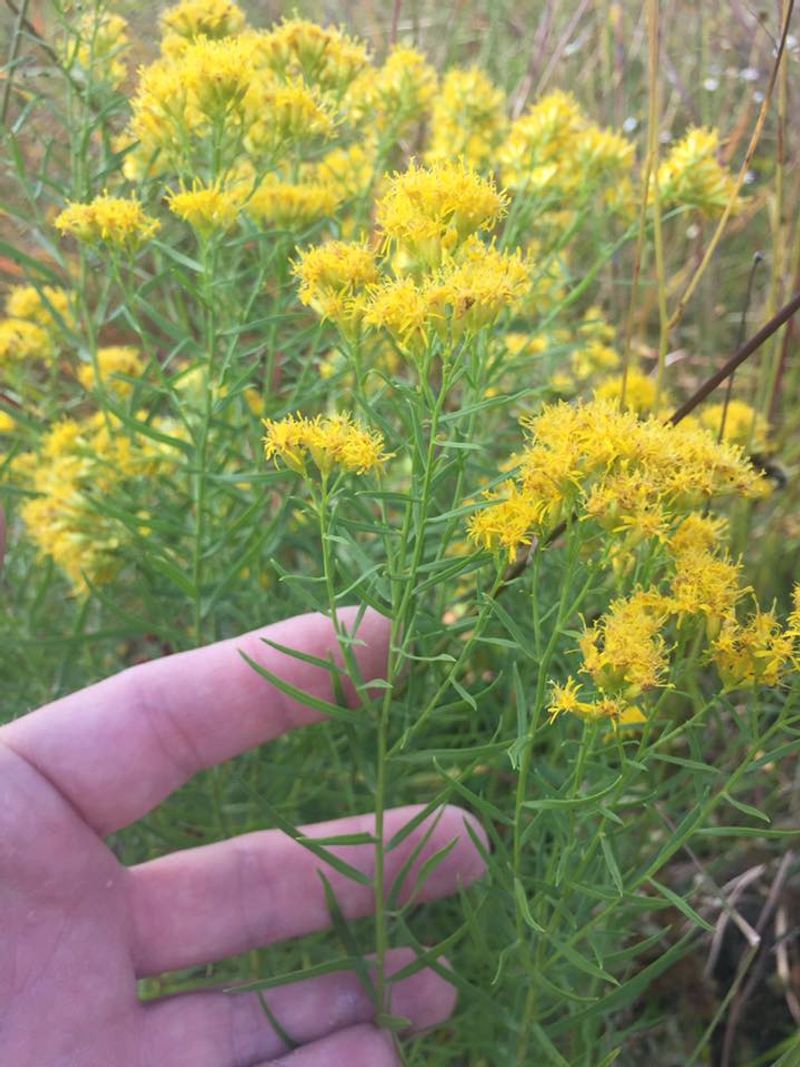
Need a flower that works like a landing pad for tiny insects? Flattop goldenrod spreads its small yellow blooms across broad, level-looking clusters.
That shape sets it apart from the showier plumes of seaside goldenrod. Adult lacewings can visit the many little flowers, while the planting adds late-season color near shrubs that often carry whiteflies.
Euthamia caroliniana fits a sunny, natural-style Florida border with well-drained soil. It can spread into a patch, so give it space beside a hedge rather than planting it in a narrow strip where every stem must stay in line.
In a larger bed, its fine-textured leaves and flat flower heads mix well with grasses and other native blooms.
Keep the patch a short distance from the shrub you want to protect, with a clear path to inspect the shrub’s leaves. Lacewing larvae do the whitefly hunting, and they feed on other soft-bodied pests too.
If you find clusters of whiteflies, look closely before reaching for a spray: pale lacewing eggs may sit on fine stalks, and the larvae can be easy to miss. A nearby goldenrod patch is most helpful when those beneficial insects are allowed to survive.
5. Blue Mistflower
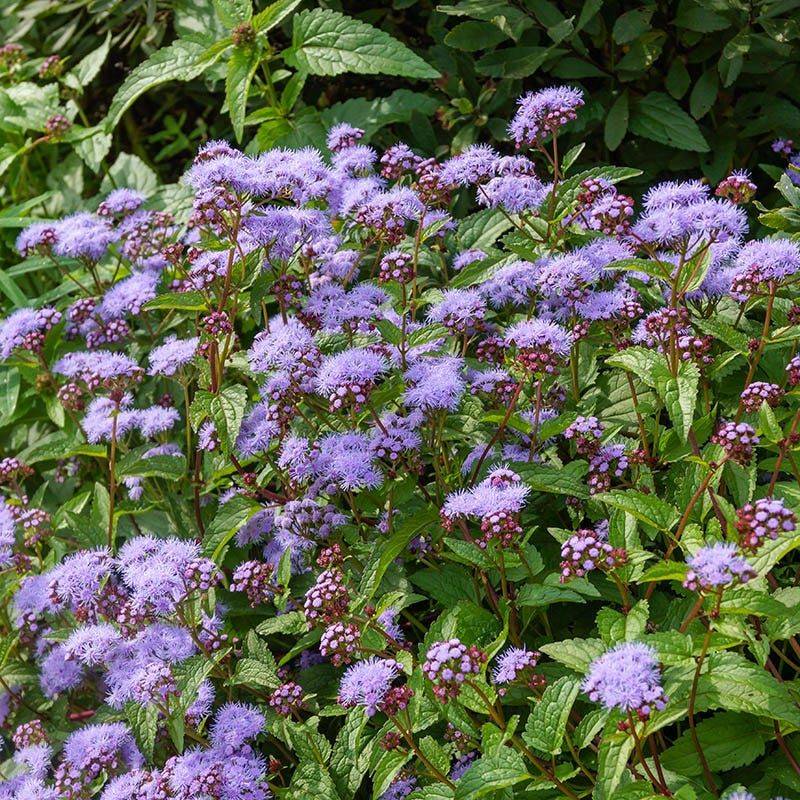
Not every whitefly-prone shrub sits in a dry, blazing-hot bed. Blue mistflower gives gardeners in moister parts of Florida a different option, with soft blue-purple flower clusters that stand out against green leaves.
The small blooms attract many visiting insects and can provide food for adult lacewings.
Conoclinium coelestinum does best with some moisture, especially in sandy soil that dries quickly. Try it near a shrub border that receives sun or light afternoon shade and gets regular rain or irrigation.
Do not place it in a parched strip and expect it to behave like a drought plant. Its spreading habit is handy for filling open ground, though you may need to pull or divide extra stems to keep them out of neighboring plants.
Use blue mistflower where you can enjoy its color up close, such as along a path leading past a hedge. While you admire the blooms, take a moment to turn over a few shrub leaves.
Whiteflies often gather underneath, where lacewing larvae can feed on them. Keeping a nearby flower patch free of broad-spectrum pesticides gives those predators a better chance to complete their work.
6. Frogfruit
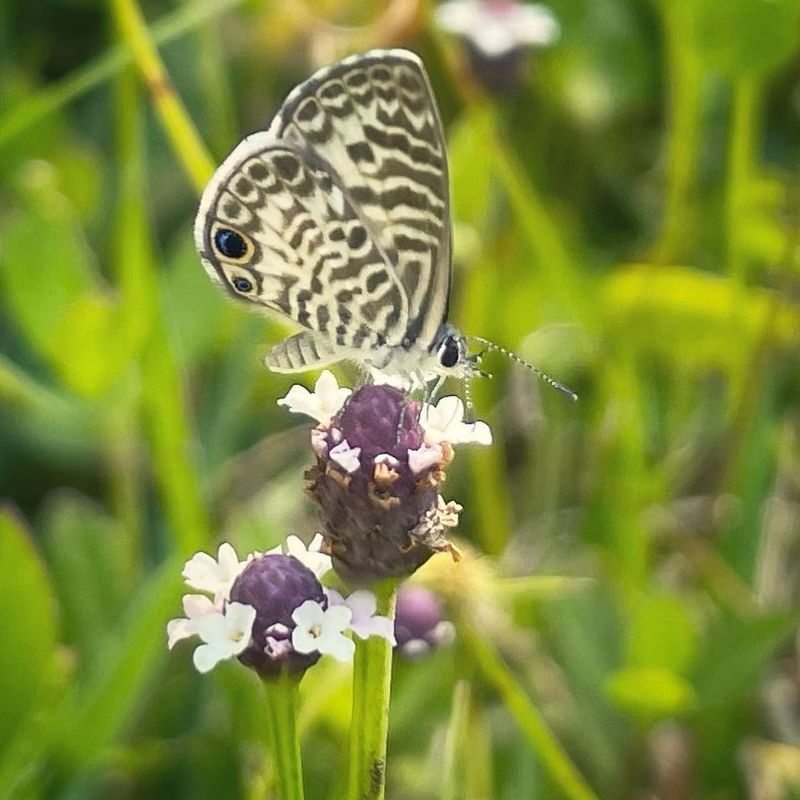
Some shrubs need flowers at their feet, not another tall plant competing for space. Frogfruit stays low and spreads across open ground, where its tiny flower heads draw small nectar-feeding insects.
It makes a useful living edge for a whitefly-prone shrub bed without hiding the shrub or closing off access to its leaves.
Phyla nodiflora is a Florida native that can work in sunny spots and tolerate occasional foot traffic once established. Use it as a groundcover along the front of a planting bed or between larger natives, allowing room for its creeping stems.
Water it during establishment, particularly in fast-draining sand. Check its spread now and then so it does not move into areas reserved for smaller plants.
The flowers are easy to overlook from the porch, but up close they provide another small food stop for adult lacewings and other beneficial insects. Frogfruit will not lure larvae away from a pest outbreak or make whiteflies vanish on its own.
Pair it with a taller flowering native for a longer, more varied supply of blooms. Keep mulch back from the plant’s spreading stems, and avoid spraying the groundcover when treating nearby shrubs.
7. Climbing Aster
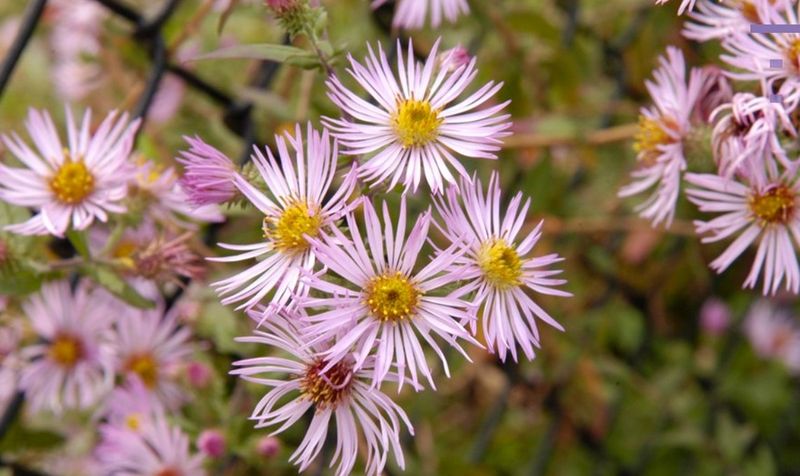
A bare fence behind your shrubs can do more than mark the property line. Climbing aster turns it into a flower-covered backdrop, often bringing a welcome burst of lavender blooms in fall.
Its open, daisy-like flowers offer visiting insects access to pollen and nectar when a yard could use more late-season food.
Symphyotrichum carolinianum grows as a scrambling plant, so give its stems a sturdy fence, trellis, or roomy support. Train it behind the shrub border rather than letting it climb over the shrubs you need to inspect.
It generally suits sunny to partly sunny Florida sites and appreciates moisture while getting established. Leave enough space between plants for airflow and for a gardener to reach whitefly-covered leaves.
This is the pick for a yard with little spare bed space but plenty of vertical room. Lacewings visiting the flowers may remain close to shrubs where their larvae can feed on whiteflies, especially if other native plants provide blooms at different times.
Look for whiteflies under leaves and watch for beneficial insects before taking action. A mix of flowering plants, regular checks, and restraint with insecticides gives natural pest control its best chance.