
You plant a row of fall lettuce and collards, and two nights later there’s nothing left but chewed stubs. As summer forage dries up across the South, deer get bolder and start treating home gardens like a free buffet.
The good news is that deer rely heavily on their noses, and certain strong smells can make your beds far less inviting. Here are eight scents that may help protect your fall crops without fencing in the whole yard.
1. Garlic
Ever notice how one clove of garlic can fill the whole kitchen? Deer notice too, and many of them seem to hate it.
Their noses are far more sensitive than ours, so a smell we find tasty can feel overwhelming to them.
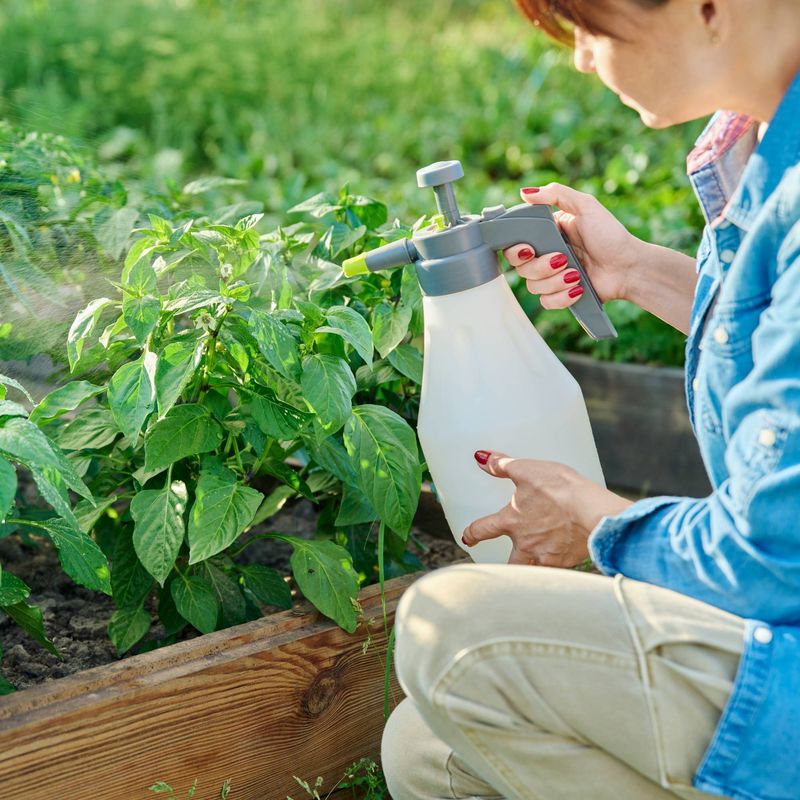
A simple garlic spray is one of the cheapest tricks you can try. Blend a few crushed cloves with water, let it sit overnight, strain it, and add a drop of dish soap so it sticks to leaves.
Spray it on the outer edges of your fall beds, especially around lettuce, kale, and young broccoli.
Planting garlic itself works as a bonus. Fall is actually the right time to set garlic cloves in Southern gardens, since they grow through the mild winter and are harvested in late spring.
Tucking them along bed borders may help create a smelly barrier that deer would rather skip.
Keep expectations honest, though. Garlic spray wears off after rain and heavy dew, so plan to reapply every week or after storms.
A hungry deer in a dry October might still take a nibble, but many gardeners find damage drops noticeably once the garlic routine starts.
2. Rotten Eggs
Nobody wants their garden to smell like a science fair gone wrong. Still, the sulfur stink of rotting eggs is one of the most studied deer deterrents out there, and it shows up in many store-bought repellents for good reason.
Deer appear to connect the odor of decaying protein with danger, possibly because it resembles the scent of a dead animal or a predator kill site. That instinct can make them cautious about grazing nearby.
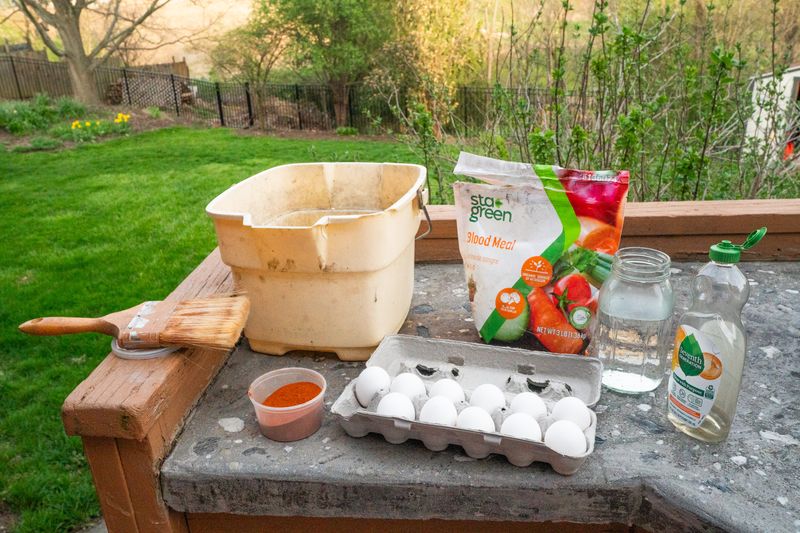
To make your own, whisk two raw eggs into a gallon of water and let it sit a day or two. Spray it on foliage you want to protect, like chard, beet greens, or fall peas.
The smell fades for people within a few hours once it dries, yet deer can often still detect it.
Here are a few quick tips:
Spray on dry days so it bonds to leaves. Rinse any edible parts well before eating.
Reapply after heavy rain, which is common during Gulf Coast fall storms.
Egg-based sprays won’t stop every deer, but they are frequently rated among the more reliable scent options.
3. Irish Spring Soap
Grandma swore by it, and she may have been onto something. Hanging bars of heavily scented soap around the garden is an old-school trick that still circulates in gardening circles for a reason.
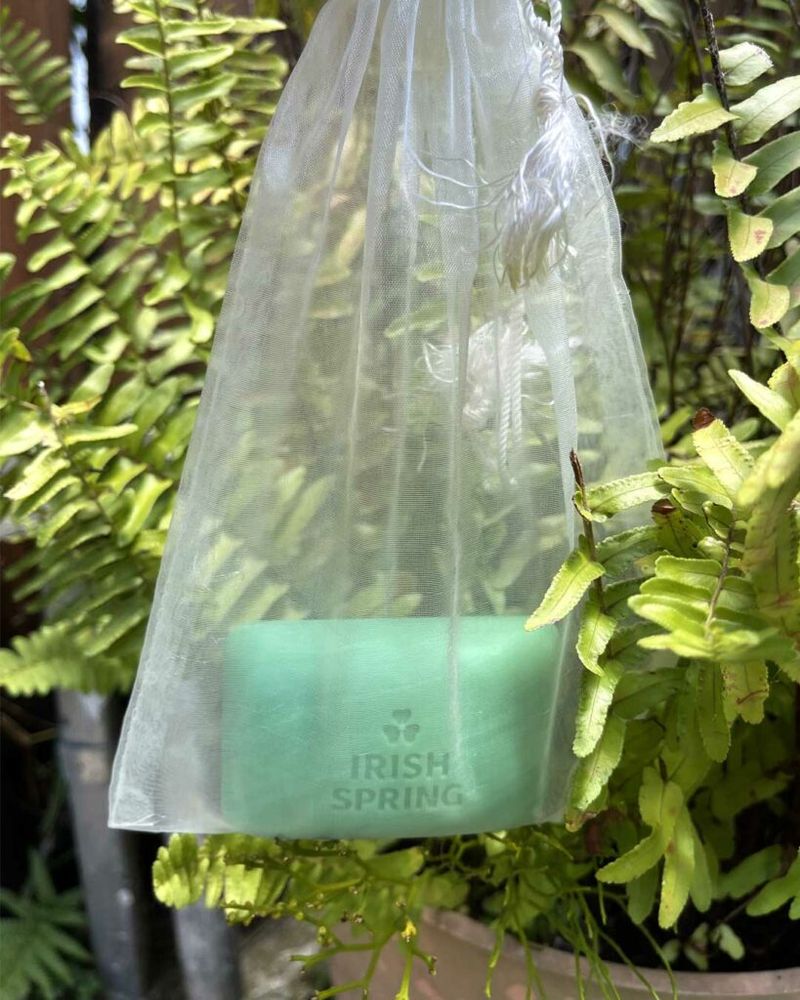
Strongly perfumed soaps, with Irish Spring being the classic pick, carry fragrance oils that deer seem to find suspicious. The theory is that the unnatural smell signals people are nearby, which may make a timid deer think twice.
Setting it up takes about five minutes. Cut a bar into chunks, drop each piece into an old sock or mesh bag, and hang them from stakes about three feet off the ground.
Space them every eight to ten feet around the perimeter of beds holding your late peppers, fall tomatoes, or cool-season greens.
Soap lasts longer than sprays, sometimes several weeks, though Southern humidity and rain will slowly melt it down. Swap in fresh pieces once the scent fades.
Results vary from yard to yard. In areas with heavy deer pressure it works best as one layer of defense rather than the whole plan, but it’s cheap, easy, and worth a try.
4. Hot Pepper
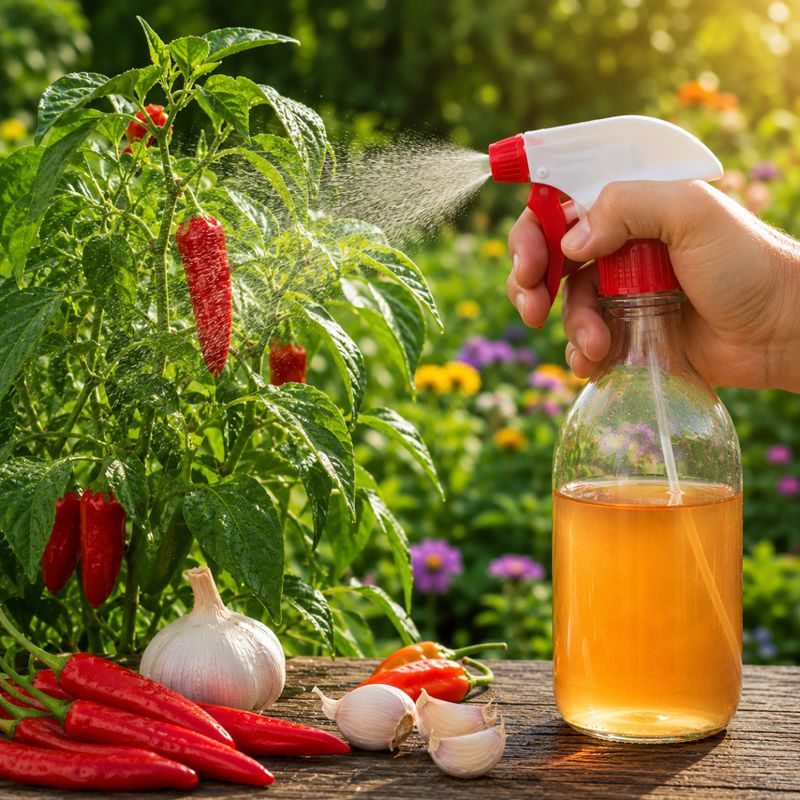
Think of hot pepper as a double punch. The spicy smell irritates a deer’s nose, and if one takes a bite anyway, the burn usually teaches a fast lesson.
Capsaicin, the compound that makes peppers hot, is the active ingredient in many commercial deer sprays. You can make a homemade version by simmering a few tablespoons of cayenne or crushed red pepper in water, cooling it, and straining out the flakes.
A few drops of soap or cooking oil helps it cling.
Texas and Florida gardeners have an easy advantage here. Many of you already have hot peppers still producing into fall, so blending a handful of ripe cayennes or jalapeños gives you a fresh, free supply.
A word of caution: wear gloves and keep the spray away from your eyes. Test it on a few leaves first, since strong mixes can scorch tender seedlings on sunny days.
Spray the outer leaves of cabbage, broccoli, and lettuce, then wash harvests carefully before eating. Like other sprays, it needs refreshing after rain, but many gardeners find it can reduce browsing noticeably.
5. Mint
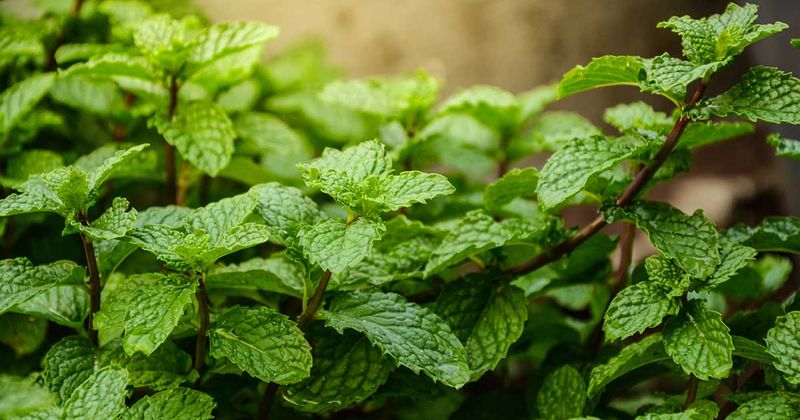
Brush past a mint patch and your whole hand smells fresh for an hour. For deer, that same burst of menthol may be more of a turnoff than a treat.
Mint belongs to a family of aromatic herbs that deer usually avoid. Peppermint and spearmint are the strongest choices, and they grow happily through the mild fall weather in much of the South.
One big warning before you plant: mint spreads aggressively underground. Put it straight into your vegetable bed and it may take over by spring.
Instead, grow it in pots and set them along the edges of your garden, or sink buried containers into the soil so the roots stay put.
Crushing a few leaves now and then releases more scent, which may boost the effect. Some gardeners also scatter fresh clippings between rows of greens.
You can also brew a strong mint tea, cool it, and spray it on foliage as a gentle repellent. It won’t stop a starving buck in a drought year, but it adds a pleasant layer of protection, and you get fresh mint for tea too.
6. Rosemary
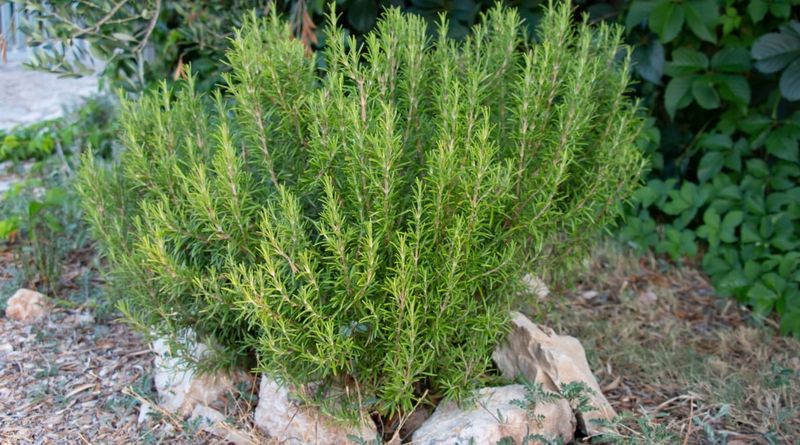
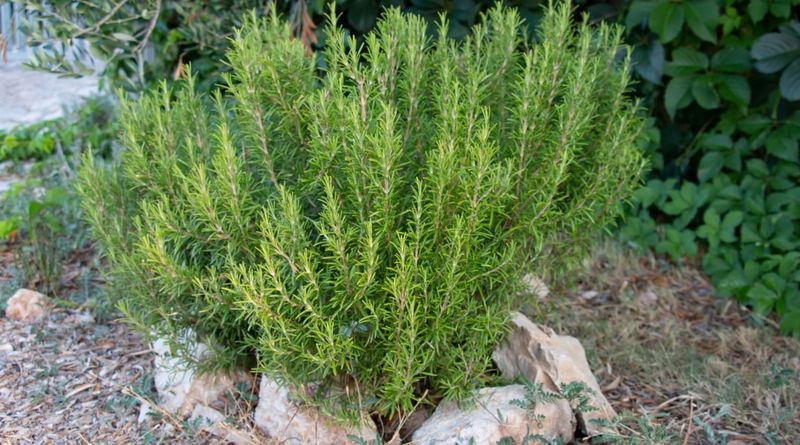
Few plants earn their spot in a Southern yard like rosemary. It shrugs off heat, laughs at drought, and happens to be one of the herbs deer most consistently leave alone.
The needle-like leaves are packed with piney oils that seem to confuse or bother a deer’s sense of smell. Some experts believe strong herb scents may also mask the tasty smell of nearby vegetables, making your kale harder to find.
Fall is a great time to plant rosemary in Texas and Florida, since cooler weather lets roots settle before next summer’s heat. Choose upright varieties like Tuscan Blue for a living hedge along bed borders, or trailing types to spill over raised bed edges.
Give it full sun and soil that drains well. Soggy roots are its main enemy, so avoid low spots where water collects after storms.
Pairing rosemary with sage, thyme, and lavender creates a fragrant herb border that may discourage browsing better than any single plant. It won’t be instant protection, since young plants need time to fill out, but after one season you’ll have a hardworking, harvestable fence.
7. Predator Urine
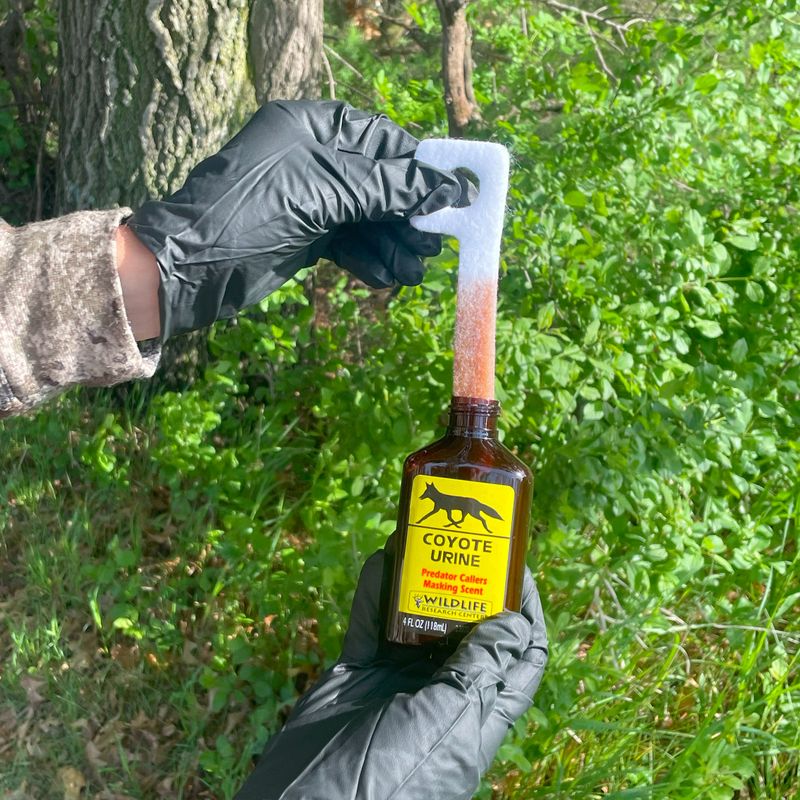
Out in the woods, a whiff of coyote can send a deer bolting. Predator urine repellents try to borrow that survival instinct and bring it right to your garden gate.
Products made with coyote or fox urine are sold at most garden centers and farm stores. They’re usually placed in small dispensers clipped to stakes or fence posts, not sprayed on edible plants.
The scent tells deer a hunter may be close, which can make them uneasy about lingering.
Placement matters most. Set dispensers along the paths deer use to enter your yard, often from wooded edges, creeks, or gaps in fencing.
Look for hoof prints and trampled trails to find these entry points.
There’s a catch. Deer that never see an actual threat may learn to ignore the smell over time, especially in suburbs where coyotes are rare.
Rotating it with other scents every few weeks can help keep deer guessing.
Also check product labels for freshness and refill timing. Heavy fall rains can wash out the scent faster than expected, so a quick sniff test tells you when it’s time to recharge.
8. Marigolds
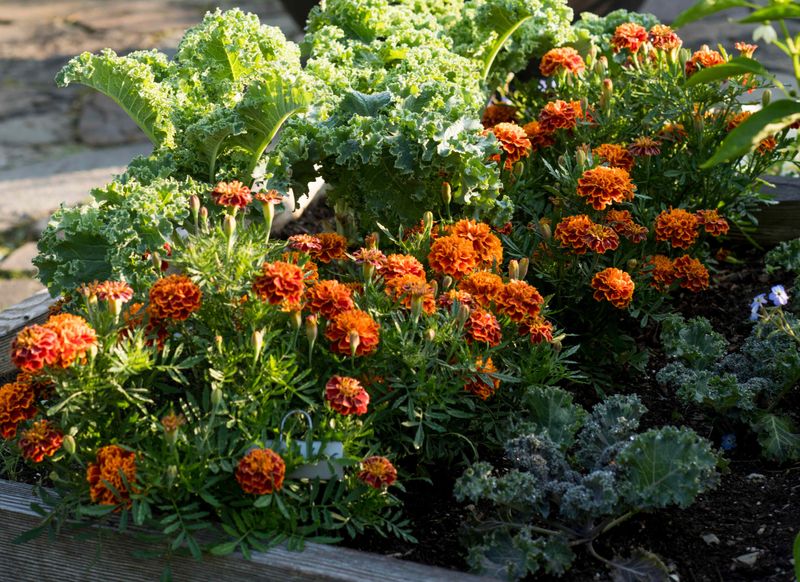
Here’s a flower that pulls double duty. Marigolds bring cheerful color to fall beds, and their sharp, musky smell is something many deer would rather avoid.
Those strong-scented leaves are the secret. Most people notice the odor the moment they pinch a stem, and deer tend to find it unappetizing.
French and African marigolds are both good picks, and they handle warm fall temperatures well throughout Florida and Texas.
Plant them as a ring around your lettuce, cabbage, or collards, or tuck them between rows. A thick border creates a scent screen that may hide the smell of tender greens deer love most.
Fun fact: marigolds were grown by the Aztecs centuries ago and later spread around the world, becoming a garden favorite partly because pests seemed to dislike them.
Keep in mind that a very hungry deer might still munch a marigold or two, particularly in late fall when wild food runs thin. For the best results, combine them with a spray from earlier in this list.
Layering smells, and switching them up often, gives your fall garden its best chance to make it to harvest day.