
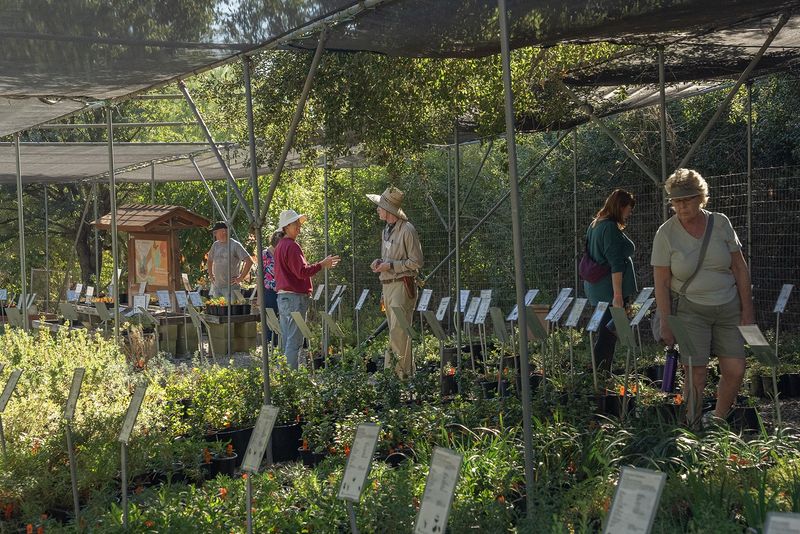
Walk into a big box garden center in California and you will mostly find the same few wildflower mixes, often full of plants that never grew here. Native gardeners know the real treasures come from small seed companies, nonprofit nurseries, and local collectors who save seed from wild California plants.
These sources offer rare poppies, clarkias, and lupines that feed native bees and handle our dry summers without extra water. Here are eight places worth knowing before you sow your next fall wildflower bed.
1. Larner Seeds
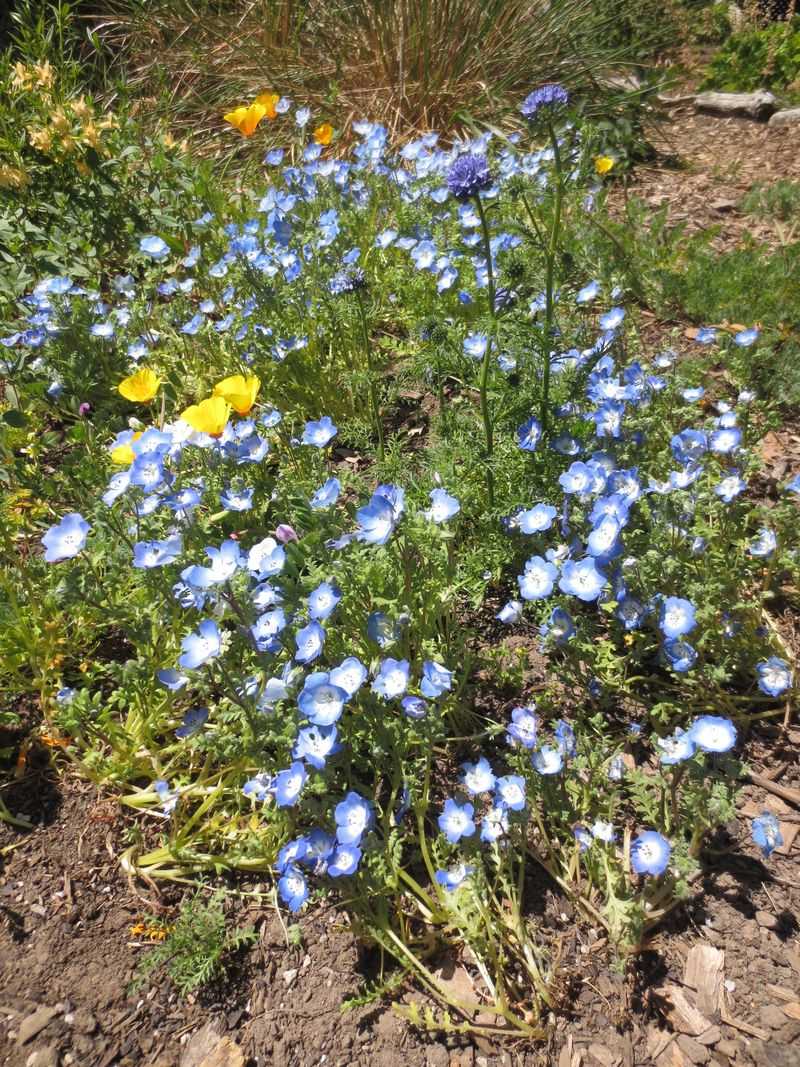
Tucked near the coast in Bolinas, Larner Seeds has been quietly collecting and growing California native seed for decades. Longtime native gardeners often mention it first, and for good reason.
The catalog reads like a field guide to plants you rarely see for sale.
You can find oddballs like tidy tips, Chinese houses, and native bunchgrasses that pair beautifully with wildflowers in a lawn-replacement meadow. Many species are sold in small packets, so you can test a few before committing to a whole bed.
Their demonstration garden also shows what these plants actually look like in a real yard.
Timing matters here. Sowing in fall, right before winter rains, lets the seed sprout on natural moisture, which can cut your watering to almost nothing.
2. Theodore Payne Foundation
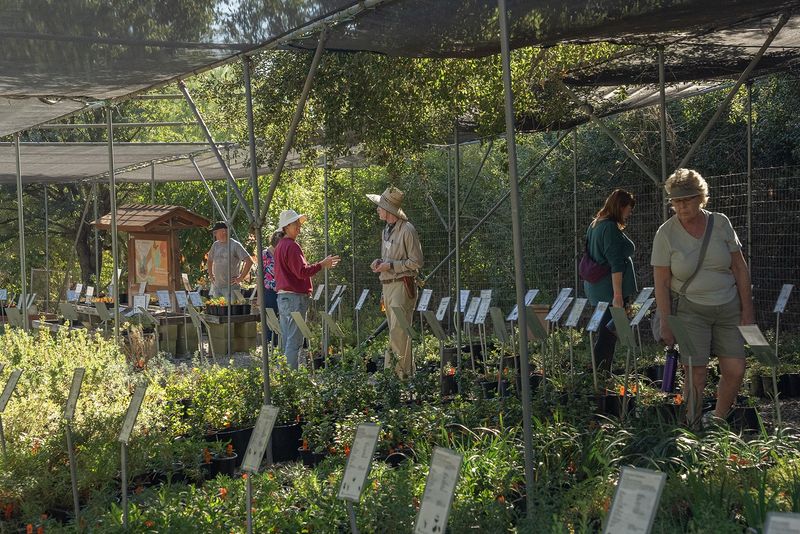
Ask a Los Angeles native gardener where they got their rare clarkia, and there is a good chance the answer is Theodore Payne. Named after an English gardener who fell in love with California wildflowers over a century ago, this nonprofit in Sun Valley runs a seed program focused on Southern California species.
Their seed room carries plants suited to hot inland valleys and chaparral edges. That makes it a strong pick if your yard bakes in summer and sits near fire-prone hills.
Low, green-in-spring wildflowers that dry back can fit well into a defensible-space plan when kept trimmed after bloom.
Fun bit of history: Payne himself helped save seed from wild poppy fields that later vanished under housing tracts. Buying here supports that same rescue work.
3. S&S Seeds
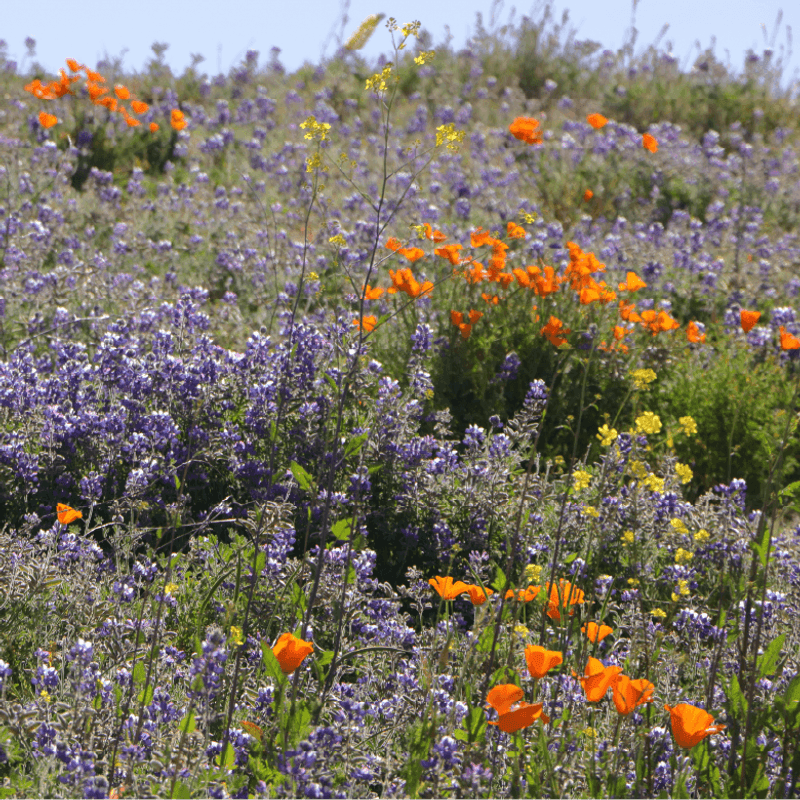
Big project, small budget? S&S Seeds in Carpinteria is where many landscapers quietly buy their native seed by the pound.
Homeowners can order too, and that bulk pricing becomes a real advantage if you are replacing a thirsty lawn.
Their list includes erosion-control mixes and hard-to-find species used in habitat restoration. For hillside yards, a native mix can help hold soil after winter storms.
Just check with your local fire district about plant spacing and maintenance rules first.
Quantities are generous, so share a pound with a neighbor. Two yards blooming side by side can give native bees a longer runway of flowers.
4. Las Pilitas Nursery
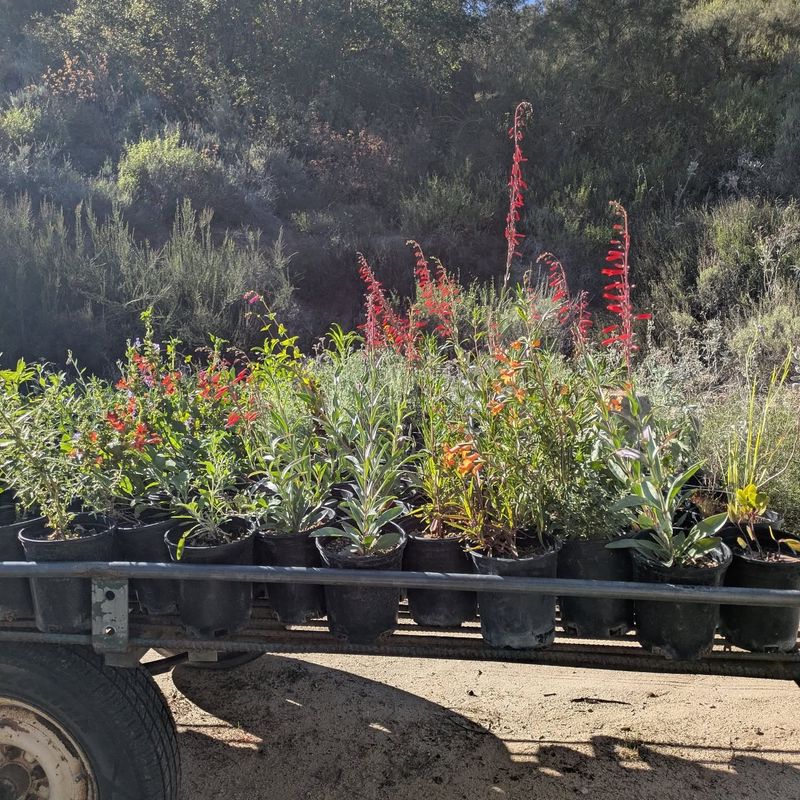
Opinionated, funny, and deeply practical, the Las Pilitas website has taught a generation of Californians how to garden with natives. The nursery near Santa Margarita is better known for plants than seed, yet its seed offerings and advice pages are gold.
What sets it apart is the habitat focus. Plant pages often list which birds, butterflies, and bees use each species, so you can pick flowers for the wildlife you want to see.
They are also blunt about overwatering, which kills more natives than drought does. If you have been babying wildflowers with summer sprinklers, their guidance may be the wake-up call your yard needs.
5. Pacific Coast Seed
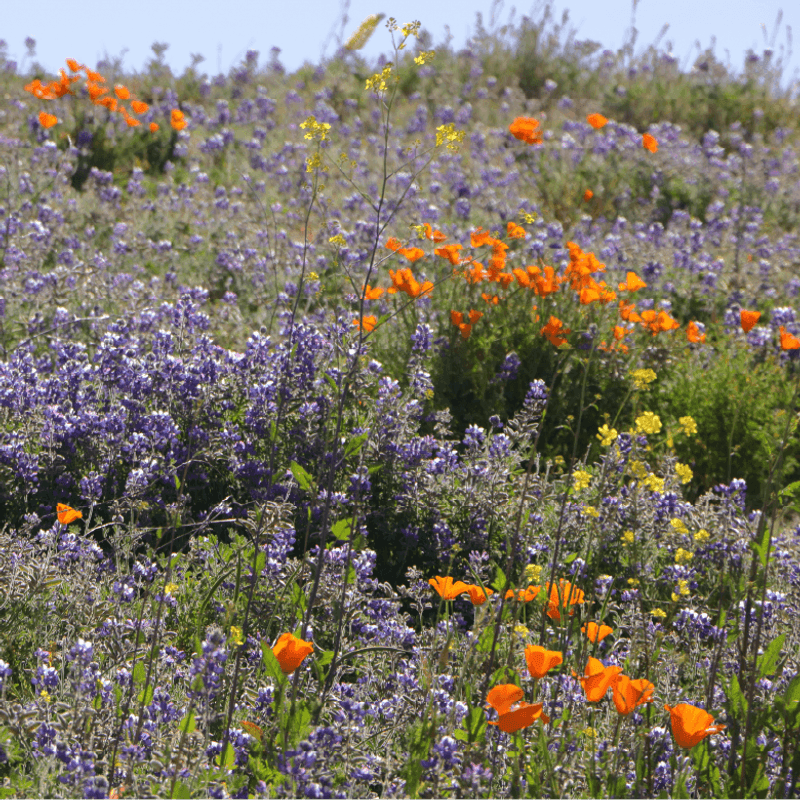
Restoration crews along highways and creeks often rely on seed from Pacific Coast Seed in Livermore. That same professional-grade stock is available to home gardeners willing to buy a bit more than a packet.
The standout feature is regional sourcing. Seed collected closer to your area may adapt better to local soils, rainfall, and bloom timing, which can help it match the pollinators already living nearby.
Planting goldfields or native lupine from a local collection is a small way to keep California genetics in California yards. Ask about origin when you order.
6. California Native Plant Society Chapter Sales
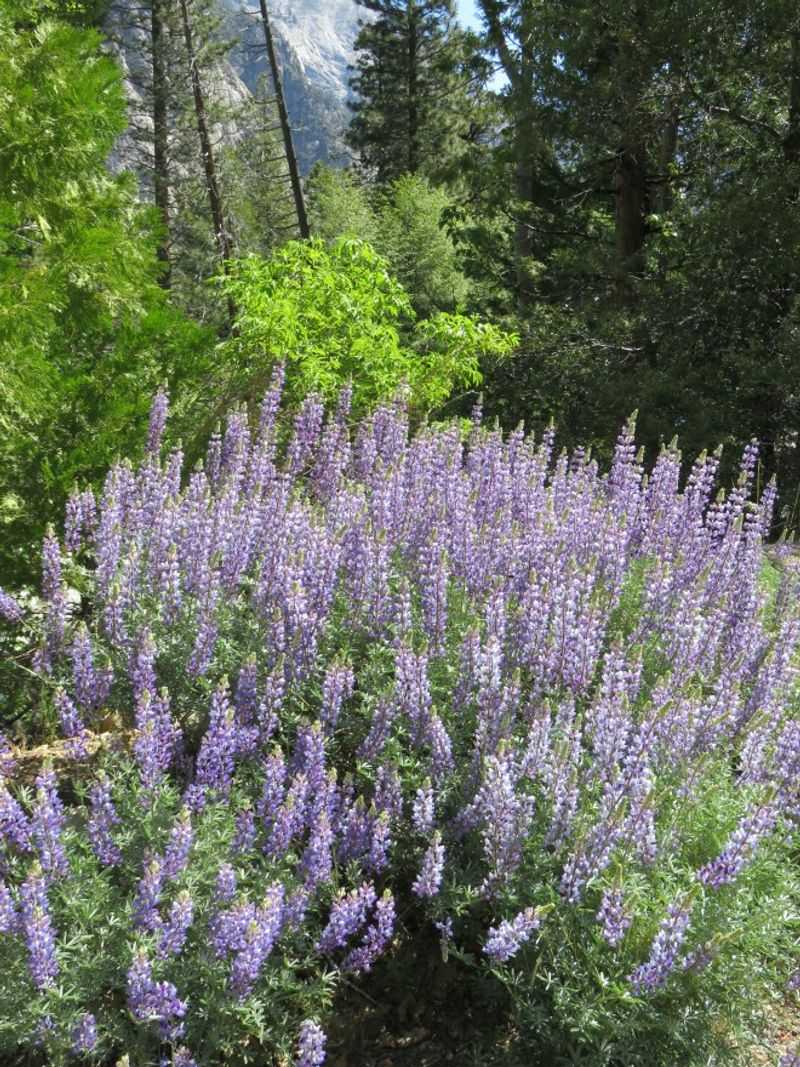
Picture folding tables, hand-labeled envelopes, and volunteers who can tell you exactly which canyon the seed came from. That is the charm of a California Native Plant Society chapter sale.
Most chapters hold sales in fall, perfectly timed for sowing before the rains. Some envelopes hold local rarities you will never spot in a catalog, collected responsibly and in small amounts.
Bring questions. Members love helping beginners figure out sun, soil, and water, and many first-time native gardeners leave with a mentor along with their seeds.
7. Hedgerow Farms
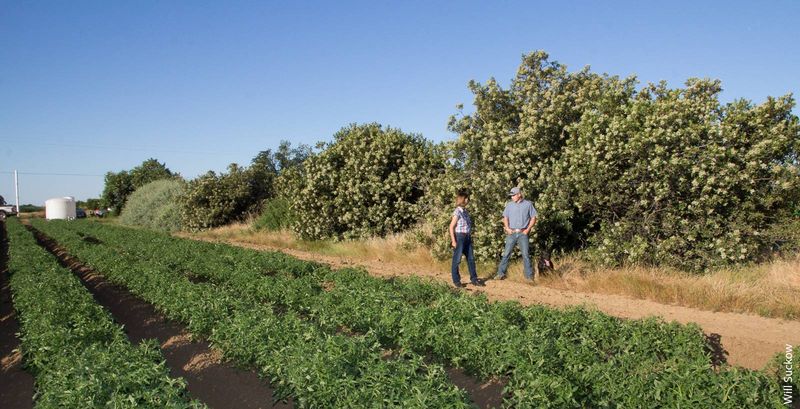
Out in Yolo County, Hedgerow Farms grew from one farmer planting native hedgerows to bring back birds and beneficial insects. Today it supplies native grass and wildflower seed grown from Central Valley collections.
For inland valley homeowners facing scorching summers, this is a smart match. The mixes are built for heat, clay soil, and long dry spells, which is exactly where imported wildflower blends tend to fizzle.
Their pollinator-focused selections may help attract native bees and hover flies that also prey on garden pests. It is a quiet win for your vegetable bed too.
8. Botanic Garden Seed Programs
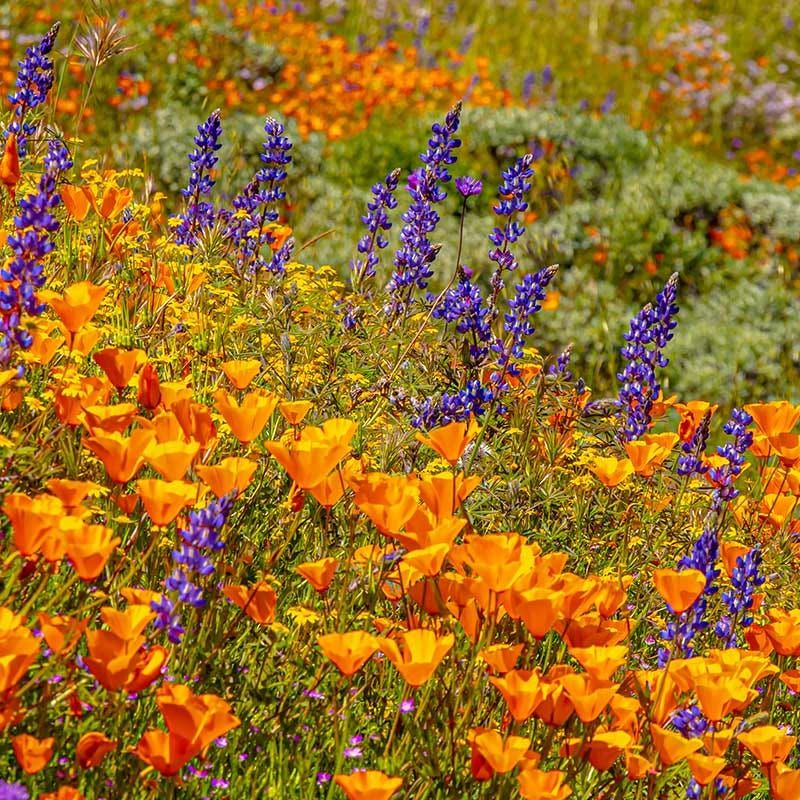
Gift shops are not usually where treasures hide, yet botanic gardens like California Botanic Garden in Claremont and the Santa Barbara Botanic Garden sometimes sell seed from their own collections. Selection shifts from year to year, so a quick visit can turn up something unexpected.
These gardens focus on conservation and research, and some of their seed ties to regional or uncommon species. Staff and docents can also point you to plants that match your climate zone, from coastal fog belts to desert edges.
A simple habit helps here: check each fall, buy a couple of new species, and let your wildflower bed grow into a living collection over time.
Whichever source you choose, the payoff is the same. Local native seed, sown in fall and left to winter rain, can give you a colorful, water-wise yard that feeds California wildlife instead of fighting it.