
Making a new blueberry plant from one you already love is a tempting idea, and it can work. The catch is timing, because the best moment depends on where you live and which kind of blueberry you grow.
Some Southern gardeners will wait until late winter, while others may get better results with a different method entirely. Here is how to decide, and what to expect once you start.
Blueberry hardwood cuttings usually wait until late winter
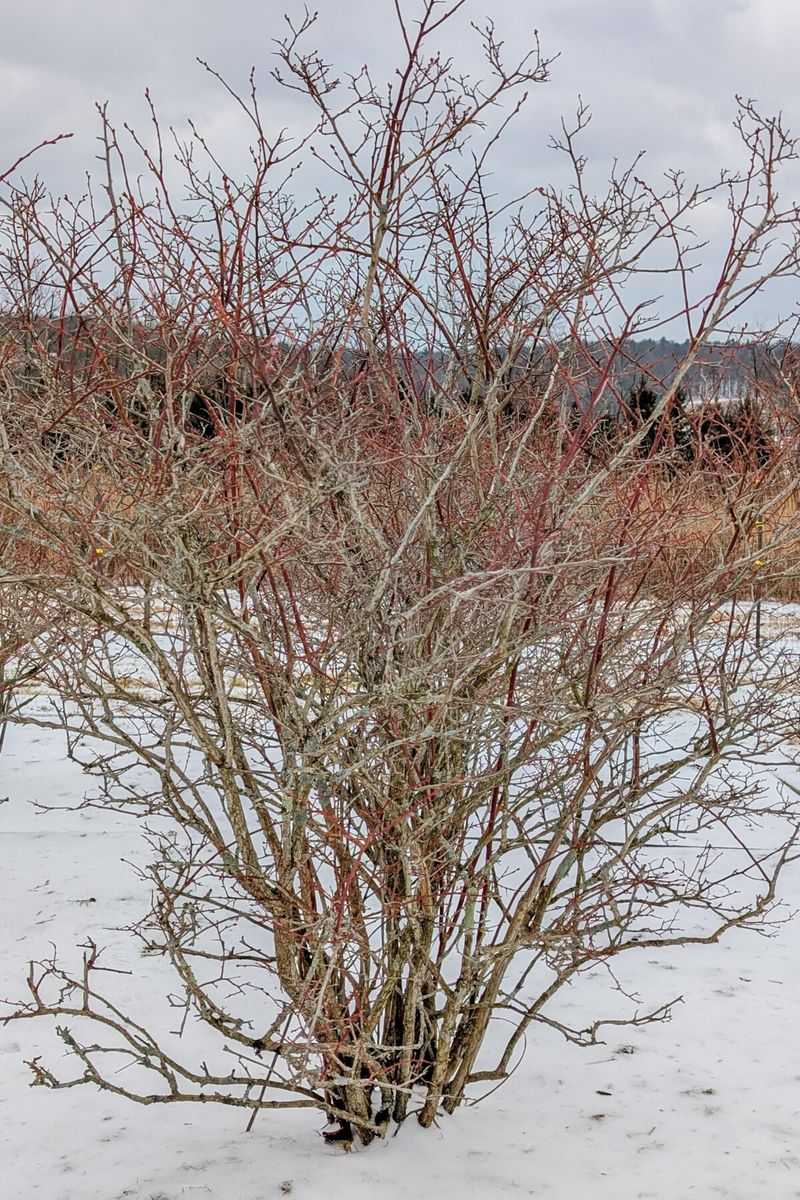
Despite what the title suggests, fall is not a dependable starting line for blueberry cuttings in the South. Mississippi State Extension says to collect hardwood cuttings during dormancy, after the plant has had enough chilling, usually in late January or February.
That is Mississippi’s regional guidance, not a calendar that fits every Southern yard.
You may have seen advice to take hardwood cuttings in late fall or early winter. Iowa State Extension describes that as a general approach, with the cuttings stored cool and moist until planting.
It is not blueberry-specific advice for the South.
Florida adds another twist. UF/IFAS notes that southern highbush blueberries in central and south Florida may be grown in evergreen systems and keep their leaves through winter.
If your bush never goes bare, do not assume a winter hardwood schedule fits it.
Rabbiteye blueberries may suit another propagation method
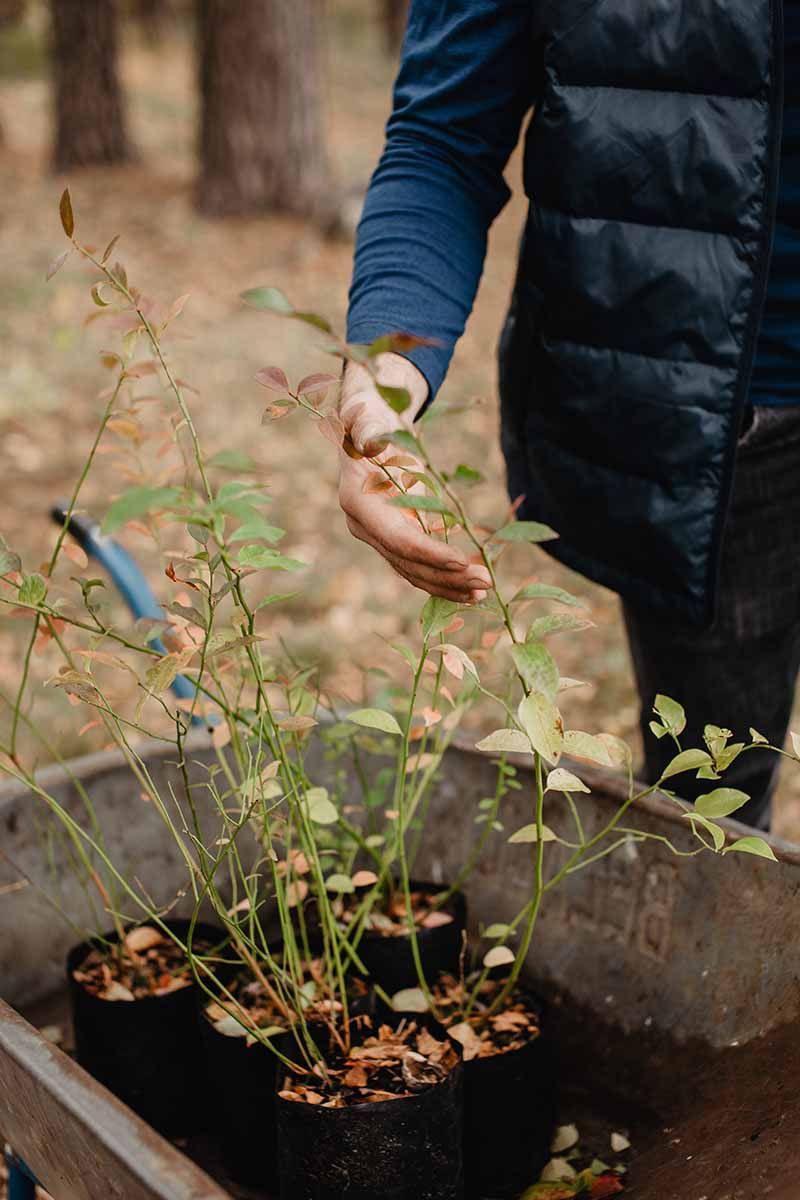
Hardwood cuttings are only one route, and they are not necessarily the easiest one for your plant. University of Georgia Extension lists softwood cuttings or suckers for rabbiteye blueberries, a common type across the South.
Mississippi State describes both softwood and hardwood methods, so you have options. Softwood cuttings come from fresh, flexible new growth, while suckers are shoots that rise from the base of an established plant.
Think of these as choices rather than a ranking. No source says one method works best for every cultivar or every Southern location.
If you grow rabbiteye, try a softwood cutting or a sucker first, and treat hardwood as a possible second attempt if it suits your conditions.
Choose healthy shoots without sacrificing the crop
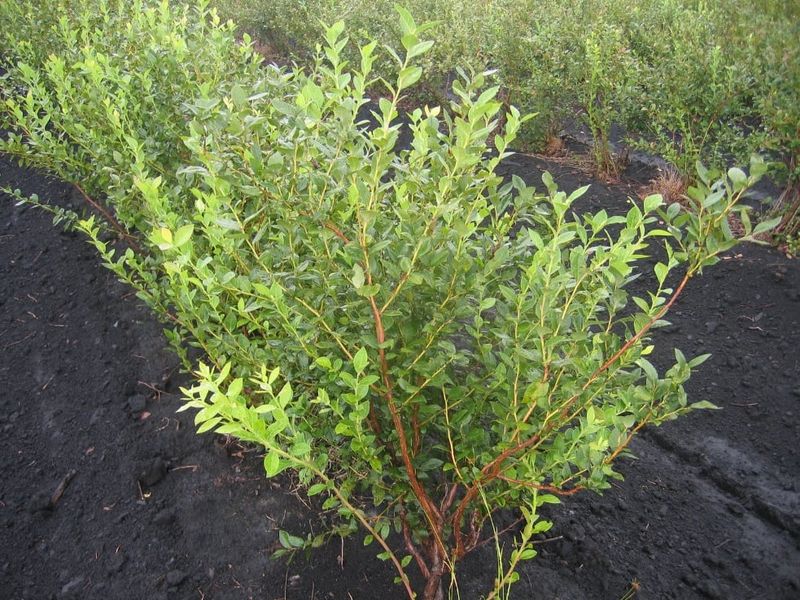
Look for shoots that grew during the previous summer and appear healthy and disease-free. Mississippi State recommends this kind of wood for hardwood propagation.
Skip anything spotted, cankered, damaged, or weak.
There is a tradeoff to keep in mind. The Highbush Blueberry Production Guide says collecting cuttings from producing fields reduces fruit production.
At home, that means taking only a modest amount of suitable wood. A few good shoots are plenty for a first try, and stripping a bush or pruning it hard could cost you berries next summer.
Mark the plants you want to keep productive, and take cuttings from wood you would be trimming anyway.
Prepare short sections and set them in an airy medium
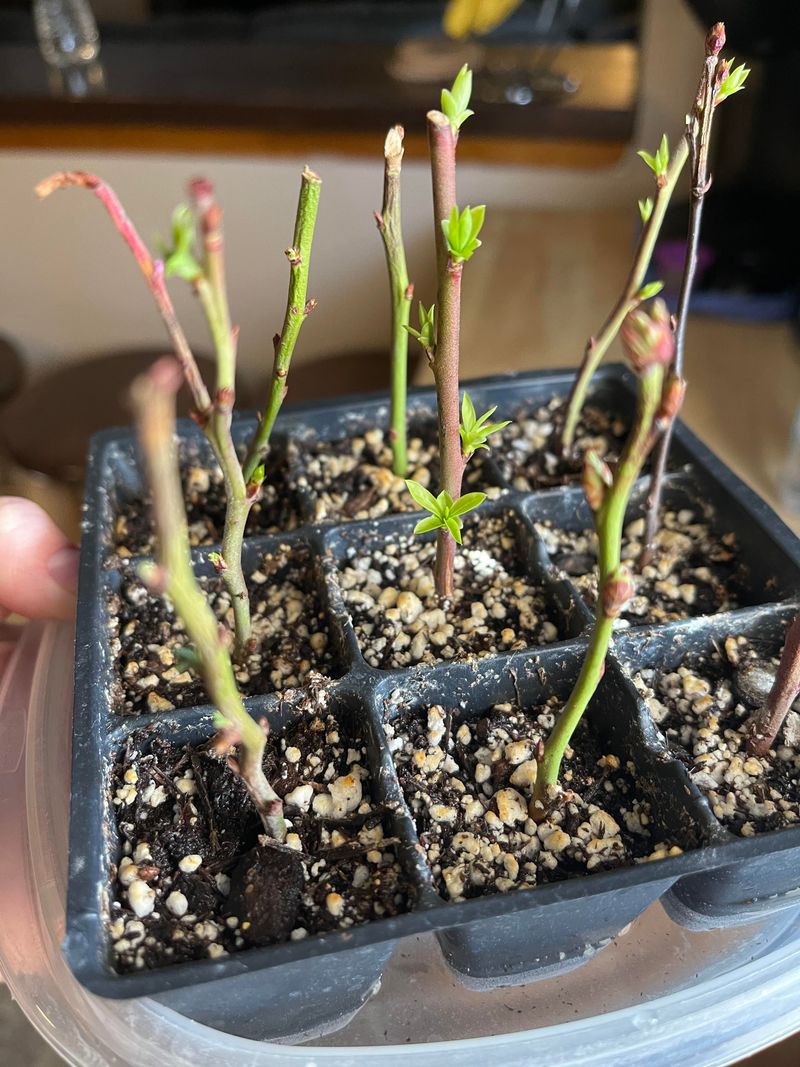
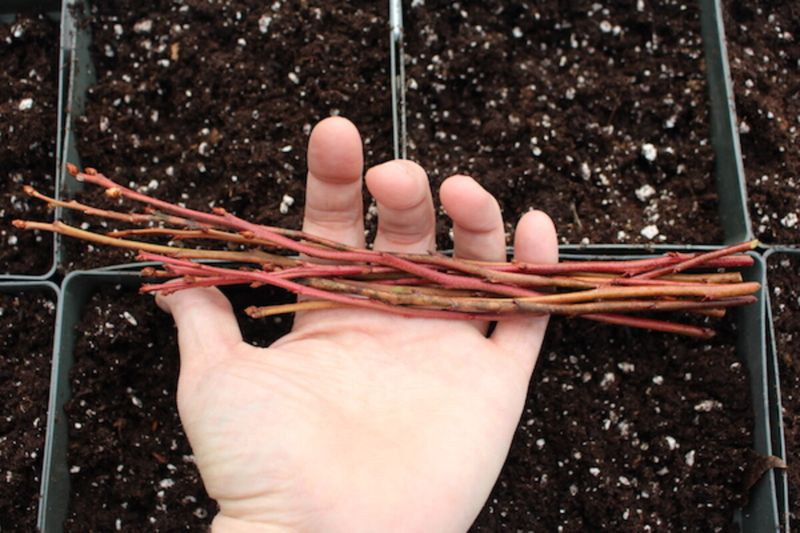
Follow the steps in order. Mississippi State advises cutting shoots into sections 5 to 6 inches long.
If any shoot tips carry flower buds, remove those buds so the cutting can put its energy into roots.
Next comes the medium. It should hold moisture yet drain well and allow air to reach the cuttings.
The source offers two examples: peat mixed with perlite, or coarse sand, ground pine bark, and peat.
Insert each cutting about halfway to two-thirds of its length, leaving one bud above the surface. Firm the mix gently around the stem.
Then water so the medium stays moist but never soggy. A soggy mix pushes out air, so check it often by touch, and let the top dry slightly between waterings if it feels heavy.
Rooting takes patience, and results can vary
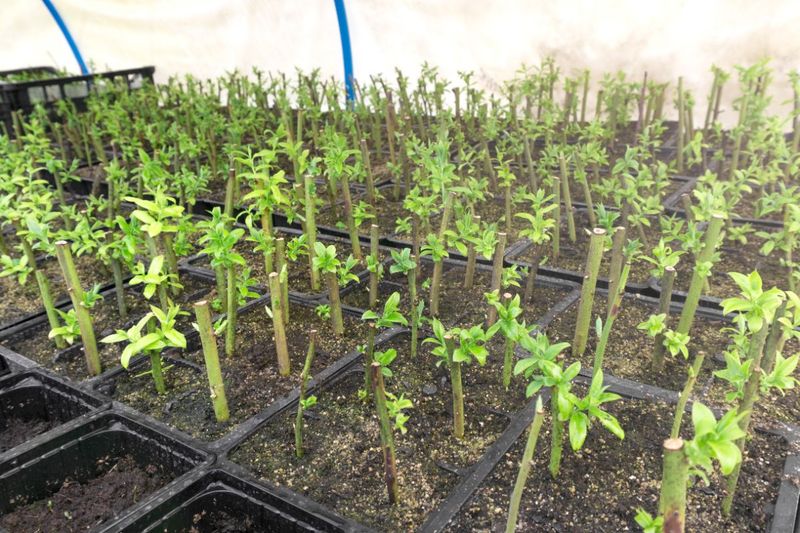
Some cuttings will root and some will not. A study of hardwood cuttings from two rabbiteye cultivars found different rooting performance between them.
Cultivar and conditions matter, so no single success rate fits every bush.
Rooting hormone is not a magic fix. That same study found the tested rooting treatments did not improve propagation, and NC State Extension says hardwood and softwood cuttings can root under mist without it.
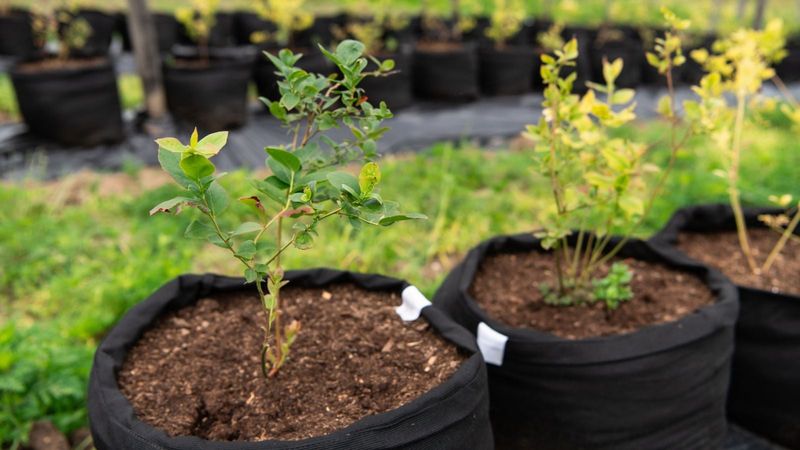
Once roots form, Mississippi State’s guidance is to leave rooted cuttings in the propagation bed until winter. Then move them to pots or nursery beds to grow on before field planting.
So this is a slow project, not an instant fruiting bush. Plan on giving young plants time to grow before they go into their permanent spot.
Check propagation terms before cloning a named variety
You can try to make another plant from a suitable bush, as long as you match the timing and method to your blueberry and region. Late winter hardwood cuttings fit Mississippi’s guidance, softwood cuttings or suckers may suit rabbiteye, and evergreen Florida plants may need a different approach.
Rooting stays uncertain either way.
Cuttings are vegetative propagation, so they reproduce a selected variety, which seed cannot reliably do.
That is also why named cultivars deserve a quick check. Mississippi State warns against propagating patented cultivars.
Look at the plant tag or grower’s terms, and use the USDA patent viewing page if you need to look one up.
A cutting is a small bet on a plant you already know. Place it wisely.