
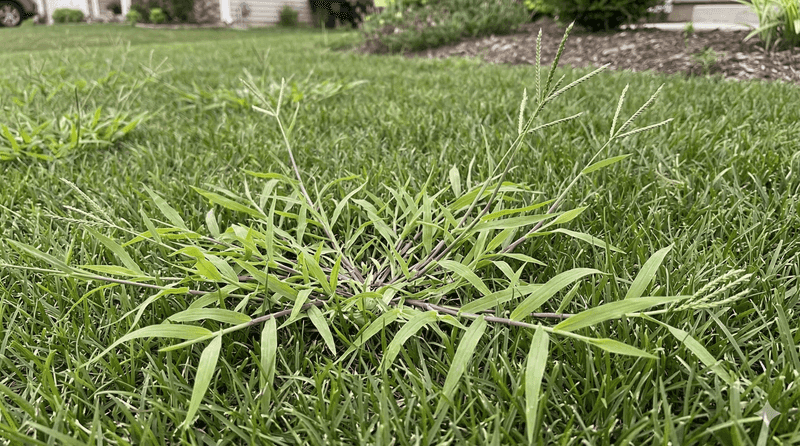
Nothing stings quite like pulling crabgrass all summer and seeing it fill the lawn again the next year. Many homeowners blame one missed fall chore, but crabgrass runs on a different schedule.
Knowing when it actually sprouts can save you money, time, and a lot of frustration. Here is a practical plan for Florida, Texas, and the rest of the warm-season South.
Crabgrass follows a spring-to-fall cycle
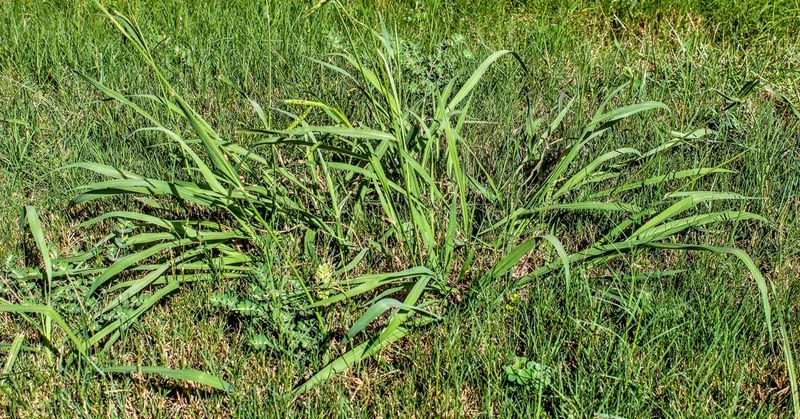
Seeing crabgrass take over again is frustrating, and the usual advice blames a missed fall step. That explanation does not match how the weed lives.
Crabgrass is a summer annual, so it generally sprouts in spring, grows and sets seed in warm weather, and dies when fall arrives.
Because its seeds sprout in spring, prevention usually depends on timing a preemergence product before local germination. Texas A&M AgriLife guidance gives regional spring timing, and UF/IFAS advice lists different approximate dates for south, central, and north Florida.
A missed fall application is not generally what brings crabgrass back.
Fall still has a role, but it is a different one. Fall treatments often target weeds that grow in cooler months, and fall lawn care can help turf stay dense.
Neither one replaces spring timing, and no approach guarantees a crabgrass-free lawn.
Fall treatments often target winter weeds
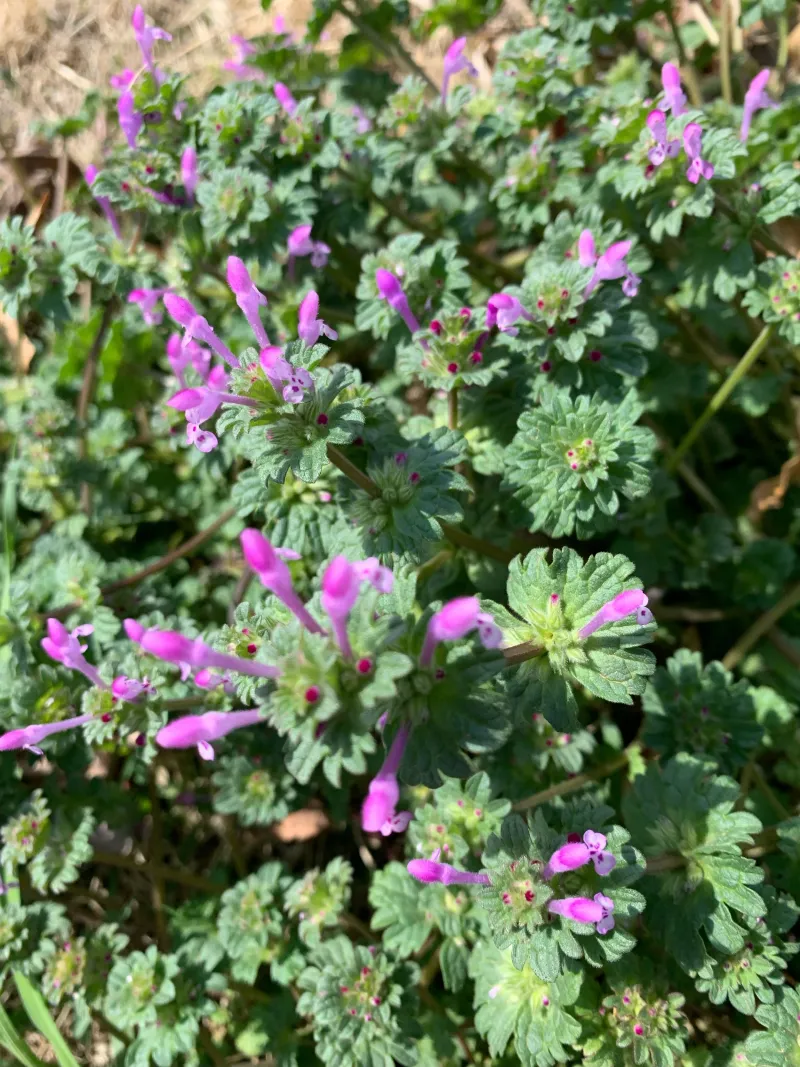
Walk through a garden center in September and you will see fall weed products everywhere. Those aisles are not aimed at crabgrass.
UGA Extension’s warm-season lawn advice describes September preemergence applications as aimed at winter weeds such as annual bluegrass, henbit, and chickweed.
Those weeds sprout as temperatures cool, grow through winter, and fade in late spring. Crabgrass does the opposite, starting as soil warms in spring.
So the same word, preemergence, can mean very different timing depending on the target.
Before buying anything, ask which weed you are trying to stop. A fall product chosen for winter annuals is not a general plan for next summer’s crabgrass.
Check the label for the weeds it lists and for your grass type, and compare it with local guidance such as the Texas A&M calendar.
Fall care can support competitive turf
A thick lawn leaves less bare soil for weeds to claim. Good fall care can help turf stay dense, and a dense lawn may limit weeds, but no single chore is a crabgrass cure.
Think of it as support for your spring plan, not a replacement.
Mowing is a good example, and the right height depends on your grass. Texas A&M’s bermudagrass guidance suggests 1 to 2 inches for home lawns, says mowing toward the higher end can reduce crabgrass, and advises removing no more than one-third of the leaf at a time.
That range is for bermudagrass only, so do not copy it for St. Augustinegrass, centipedegrass, or zoysiagrass. Look up the range for your species.
Fertilizer needs care too. Texas A&M advises against fertilizing bermudagrass once it is dormant or heading into dormancy, so skip the idea of feeding it in fall to thicken it up.
Recommendations vary by grass and location, so check local Extension advice.
Spring timing varies by region
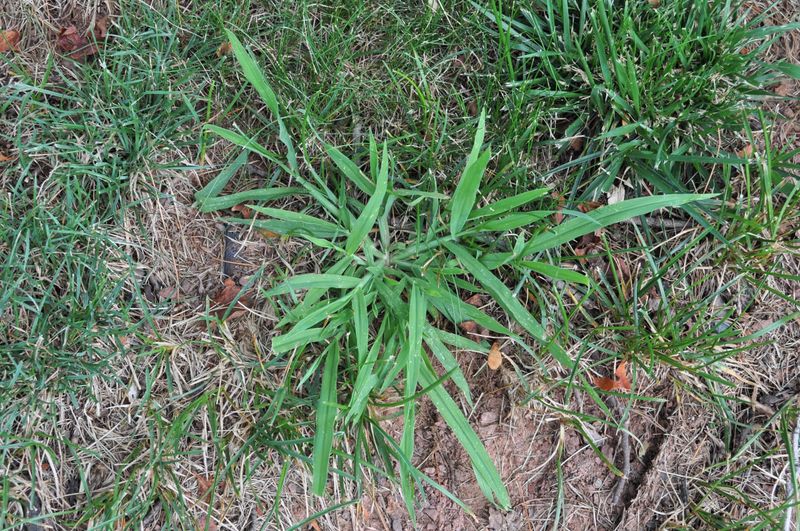
Spring timing is not one date for the whole South. In Texas, the Texas A&M bermudagrass calendar lists typical crabgrass germination around mid-March in the Panhandle, early March in north and central Texas, and mid-February in south Texas.
Florida guidance uses application dates. UF/IFAS suggests applying before germination, with approximate dates of February 1 in south Florida, February 15 in central Florida, and March 1 in north Florida.
Treat all of these as regional guides, not fixed deadlines. A warm winter can push germination earlier, and a cold snap can delay it.
Shady, sunny, and sandy spots can also behave differently. Call or visit your county Extension office for current advice, and watch local weather and soil conditions before you plan your application.
Apply preemergence products before emergence
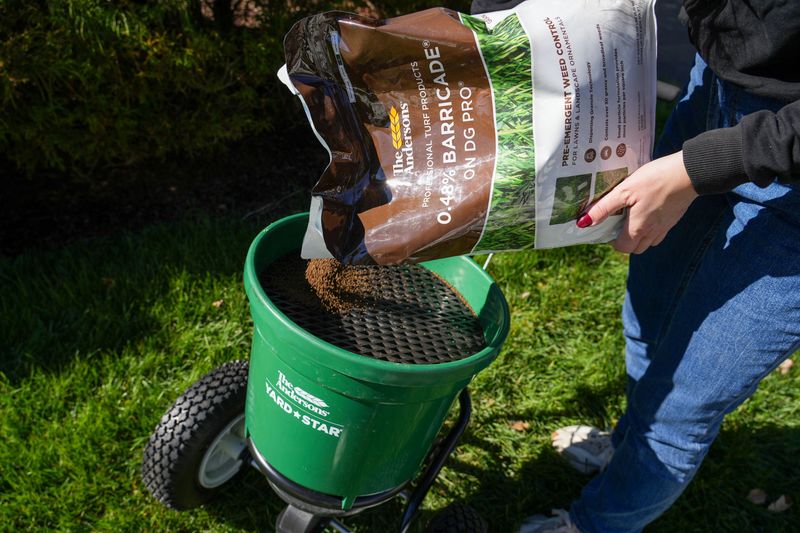
Preemergence products work on seeds that have not yet sprouted. Once crabgrass is up, the window has closed.
Texas A&M says these products must be applied uniformly and watered in by rainfall or irrigation before emergence, so skipped strips and dry spells can leave gaps.
The label is your rulebook. EPA explains that pesticide labels are legally enforceable directions for safe and lawful use.
Read it for rate, timing, watering instructions, and whether your turf species is listed as compatible. Since no single product suits every lawn, this article does not name one.
Planning to seed or repair bare areas? Preemergence herbicides can interfere with desired grass seed germination, as noted in Texas A&M’s herbicide selection guide.
Check the label and species-specific Extension guidance first, since seeding and prevention can work against each other.
Confirm the weed and the turf before treating
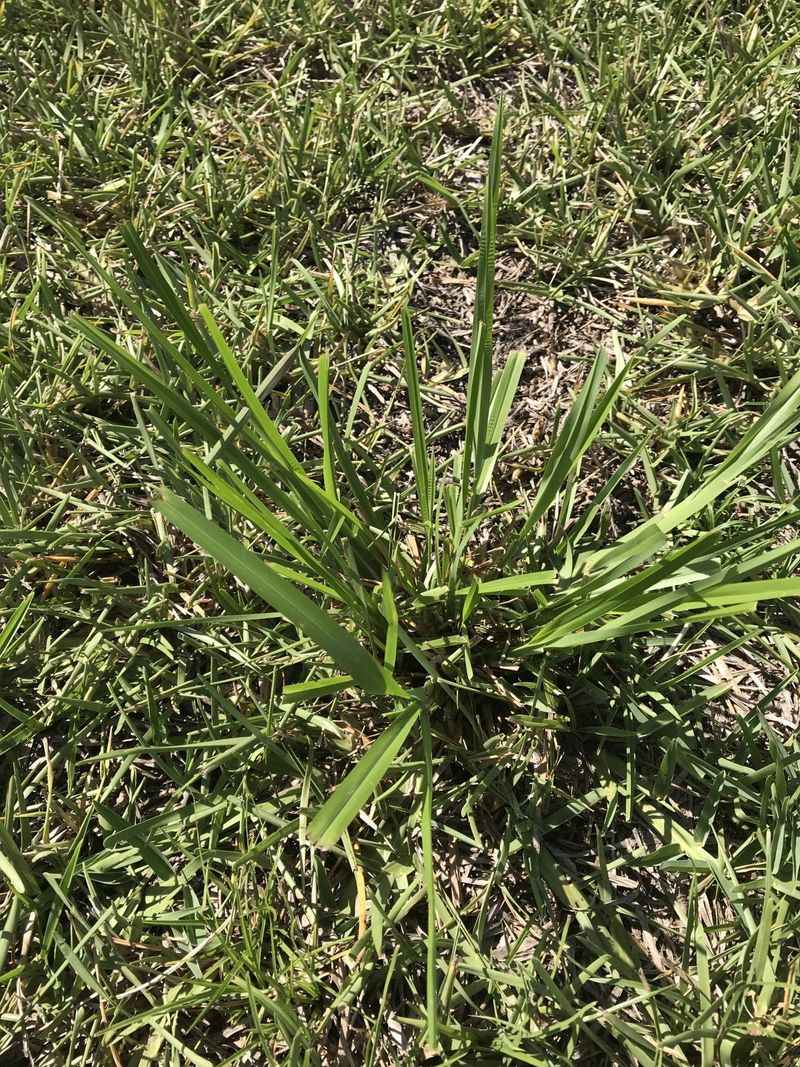
Not every grassy weed is crabgrass. Sedges and other lawn weeds can look similar at a glance, yet their control windows and treatments differ.
Texas A&M advises telling grassy weeds apart from sedges, so take a sample to your county Extension office if you are unsure.
Your turf needs the same check. UF/IFAS shows that product compatibility differs among turfgrass species.
A product that is fine on one grass may harm another.
Also remember that ordinary preemergence treatments will not control crabgrass that has already emerged. Postemergence options depend on your grass species and the product label, and EPA label guidance reminds users to follow those directions.
Texas A&M warns that quinclorac can significantly injure St. Augustinegrass, so match any product to your turf before using it.
Build a regional plan around spring prevention
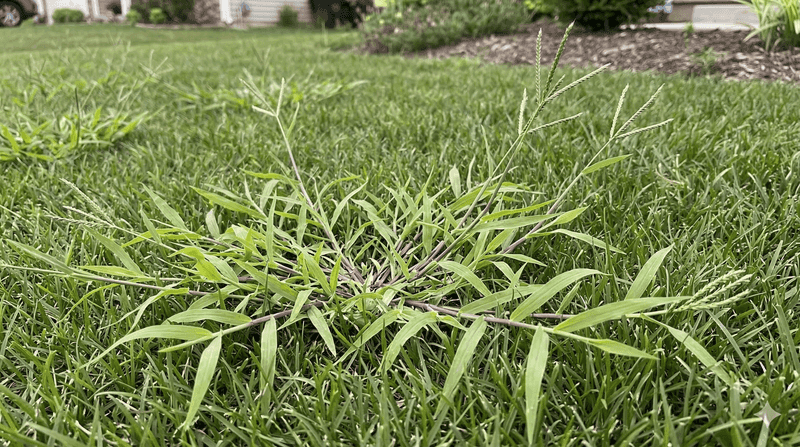
Start by naming your grass and the weed. Keep fall care focused on turf health, not crabgrass promises, then check Texas A&M or UF/IFAS timing for your area.
Before you apply anything, read the product label closely.
Crabgrass is decided by when it sprouts, so the best calendar reminder is set for late winter.