
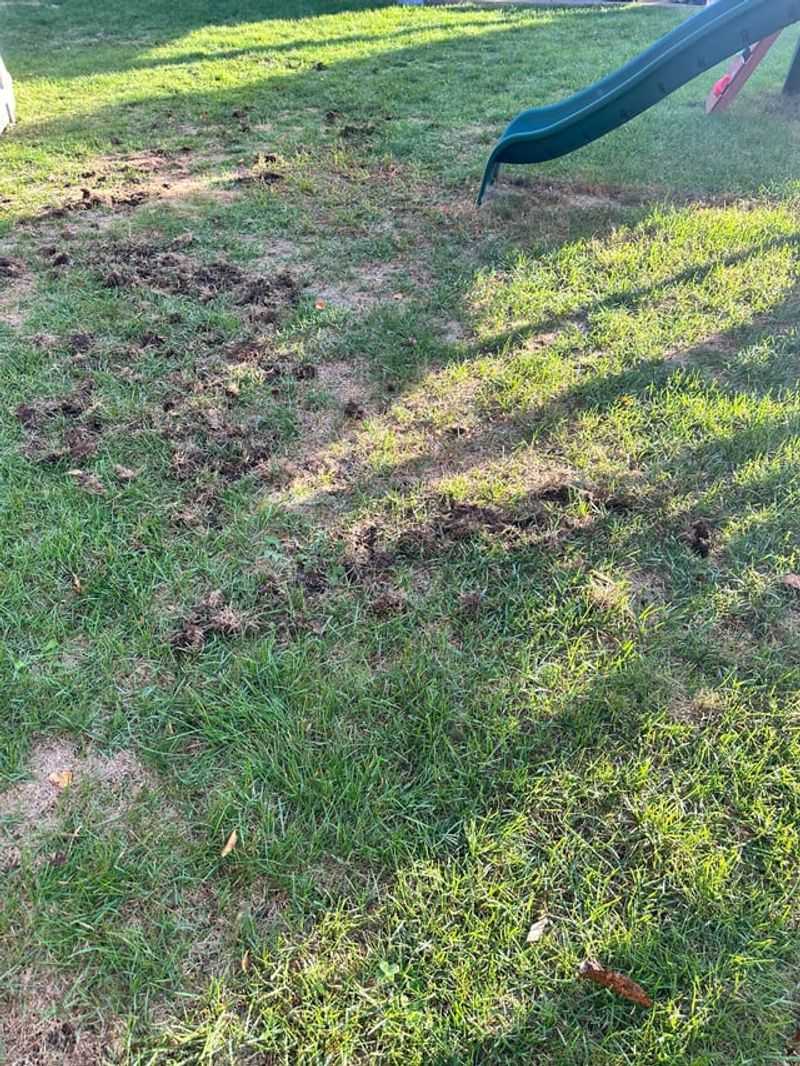
You step outside with your morning coffee and find little cone-shaped holes all over the grass. Those tidy divots are often the work of skunks hunting grubs while you sleep.
In warm Southern yards, especially across Florida and Texas, skunks stay active for much of the year, so the damage can keep coming. The good news is that a skunk’s powerful nose may also be its weak spot, and a few strong smells can help nudge it toward someone else’s turf.
1. Castor Oil Lawn Spray
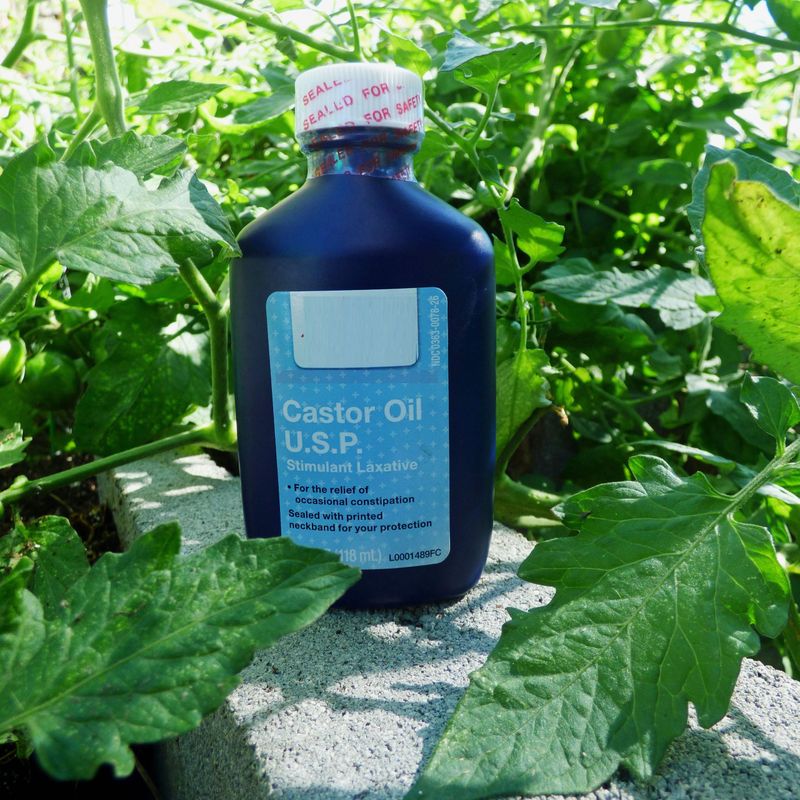
Ask a seasoned turf pro what to try first, and many will point to castor oil. It has a thick, unpleasant odor and taste that skunks and other diggers tend to dislike, and it soaks right into the soil where grubs live.
Mix about 3 ounces of castor oil with 1 tablespoon of dish soap per gallon of water, or buy a ready-made hose-end product. Spray the damaged patches plus a few feet beyond them, since skunks often work outward from where they found food.
Water lightly afterward so the oil moves into the root zone.
Here is the bonus that sets it apart from other options on this list. Castor oil may also make the soil less pleasant for grubs and moles, which can reduce the very buffet that draws skunks in the first place.
That double effect is why it earns the top spot.
In Florida and Texas heat, reapply every two to three weeks, and again after heavy summer storms. Results vary from yard to yard, so treat it as one tool rather than a guaranteed fix.
Pair it with other steps below for the best chance of waking up to smooth, unbroken grass.
2. Cayenne and Hot Pepper Flakes
Picture a skunk taking a big curious sniff and getting a nose full of fire. That burning sensation comes from capsaicin, the same compound that makes your eyes water when you chop jalapenos.
Sprinkle cayenne powder or crushed red pepper flakes along bed edges, around fresh holes, and near spots where skunks enter the yard, such as fence gaps. For a sprayable version, steep a handful of chopped hot peppers in a gallon of warm water overnight, strain it, and add a few drops of dish soap so it clings.
Pepper works best as a targeted spot treatment rather than a whole-lawn cover. It can be pricey to spread over large areas, and rain or sprinklers wash it away fast.
In humid Gulf Coast weather, plan to refresh it every few days or after any downpour.
A word of caution keeps this method safe. Wear gloves, avoid windy days, and keep pets away from treated spots, since dogs can get irritated too.
Many gardeners find pepper may discourage repeat visits, especially when the skunk learns that one corner of the yard always stings.
3. Ammonia-Soaked Rags
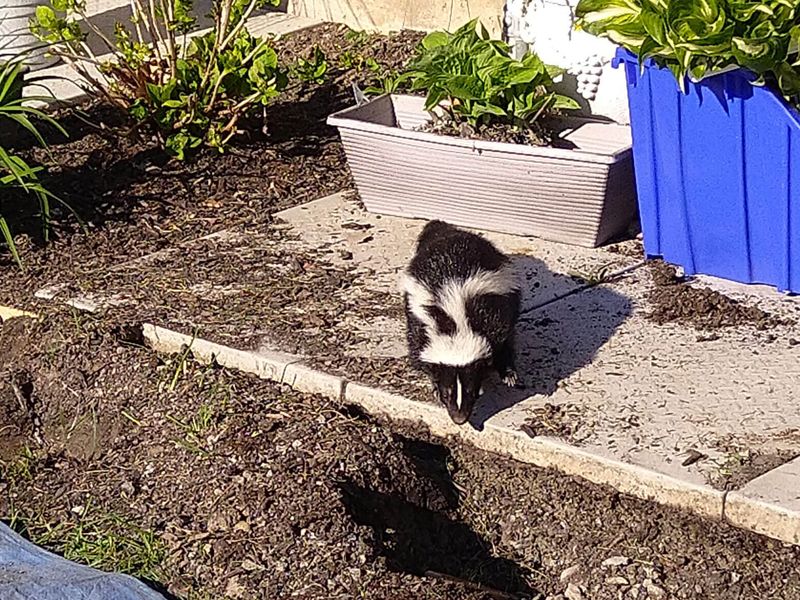
Grandparents across the South have sworn by this trick for decades, and there is some logic behind it. Ammonia smells a bit like the urine of predators, which can make a skunk feel like it has wandered into dangerous territory.
Soak old rags or cotton balls in household ammonia and set them in small open containers near spots skunks visit. Good places include under decks, beside sheds, near crawl space openings, and at the edges of the lawn where digging starts.
Keeping rags in containers helps protect your grass, since straight ammonia can scorch turf.
Where it really shines is in convincing skunks not to set up a den. If a mother skunk is checking out the space under your porch, a strong ammonia smell may push her to look elsewhere before she moves in.
Swap the rags every few days, because the scent fades quickly in Southern heat. Never mix ammonia with bleach, and keep containers out of reach of kids and pets.
Before blocking any den, make sure no babies are inside, especially in spring when young are born.
4. Citrus Peels
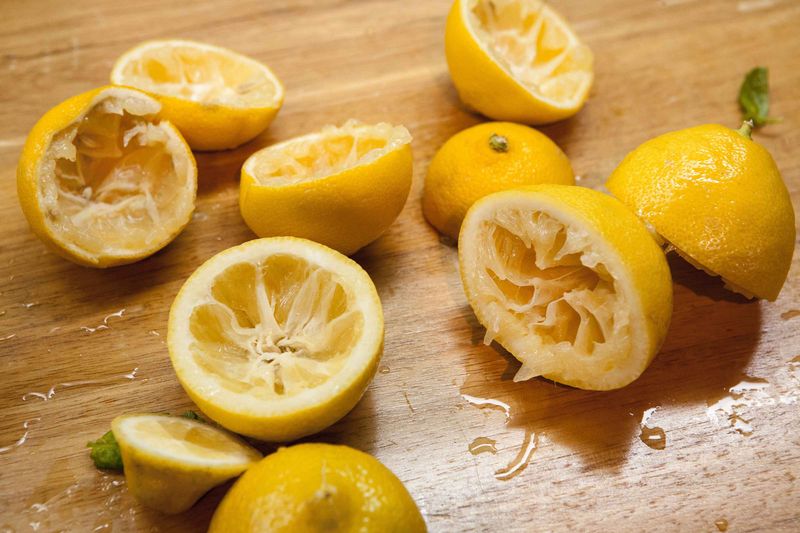
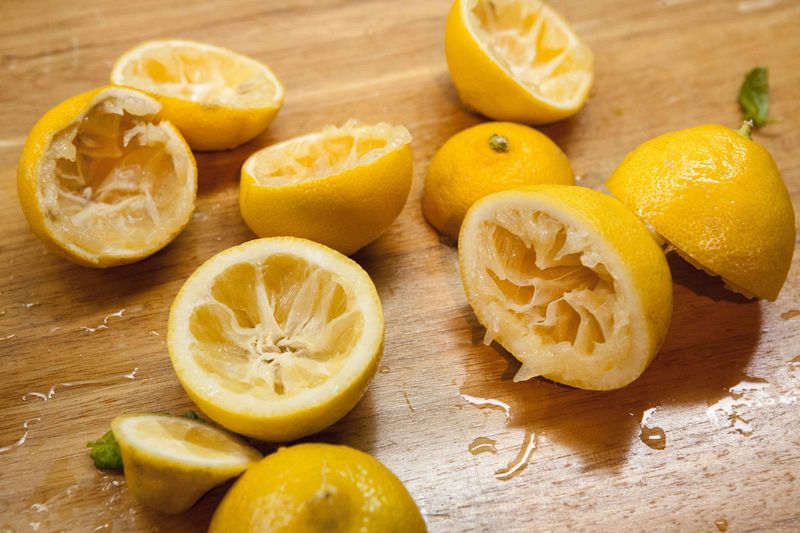
Florida yards have a secret weapon sitting right in the fruit bowl. Orange, lemon, lime, and grapefruit peels give off sharp oils that many animals, skunks included, seem to find unpleasant.
After breakfast, toss peels along garden borders, around freshly dug patches, and near entry points. You can also simmer peels in water, cool the mix, and spray it over problem spots.
It smells great to people, which makes it a pleasant change from harsher options.
Honestly, citrus is one of the gentler deterrents here. It may help on its own in yards with light skunk traffic, but it usually works better as a backup layer alongside castor oil or pepper.
Fun fact: the oil that gives citrus its kick is called limonene, and it is also found in some commercial cleaners. Replace peels every few days as they dry out or start to attract ants.
Skip piling them too thick, since rotting fruit can draw other critters like raccoons, which defeats the whole purpose of protecting your lawn.
5. Predator Urine Granules
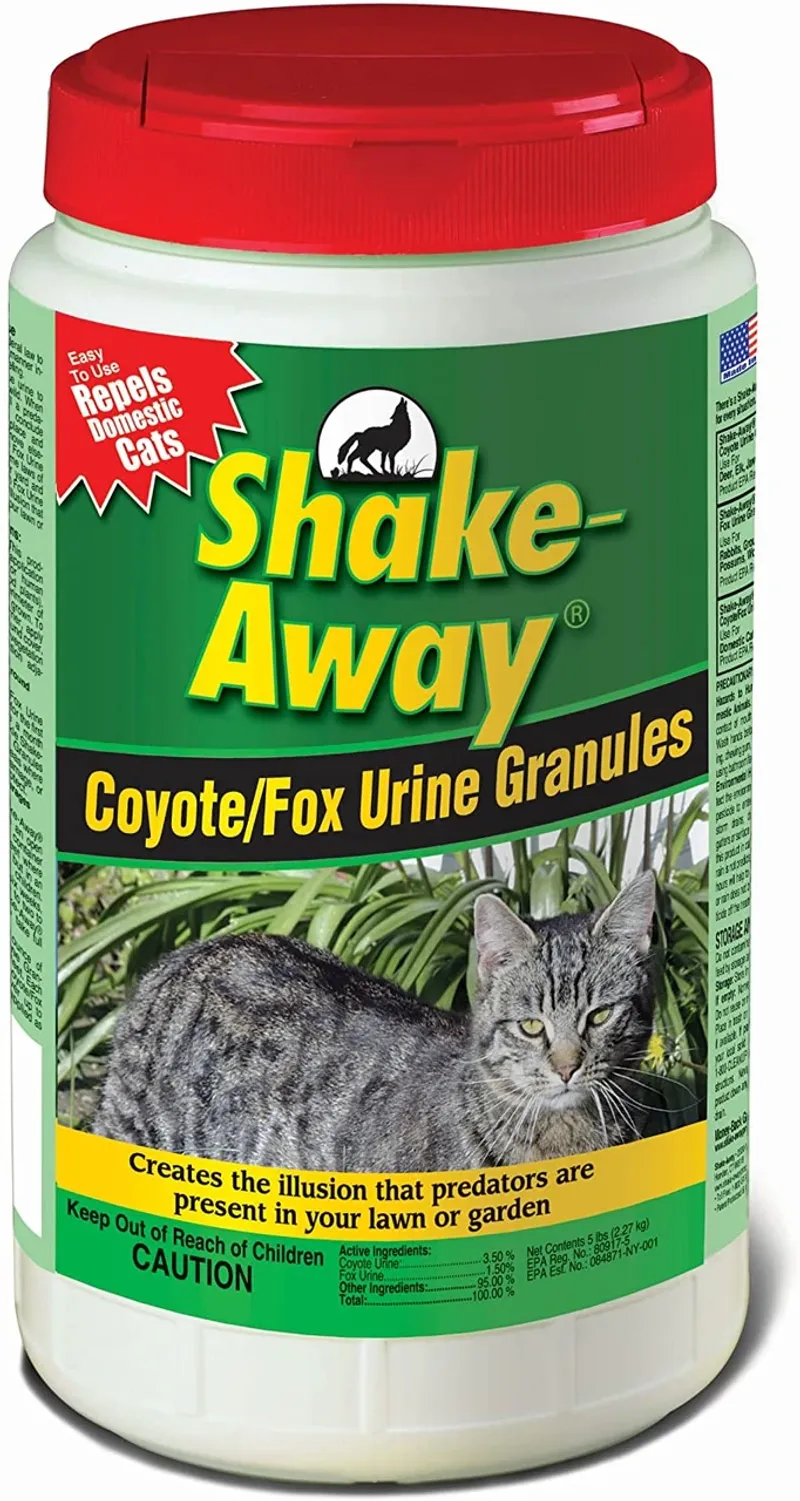
Nature already built the perfect skunk alarm system. Skunks share the landscape with coyotes, foxes, and bobcats, so the scent of those hunters can signal that a yard is not a safe place to forage.
Garden centers sell coyote or fox urine as liquids and granules. Granules tend to last longer outdoors and are easy to shake along fence lines, around beds, and across trails where skunks travel.
Focus on perimeters rather than the whole lawn, creating a scent barrier that greets the animal before it reaches the grass.
Many Texas homeowners near open land find this approach fits well, since coyotes really do roam those areas. The scent matches what skunks already fear, which may make it more convincing than a random strong smell.
There are a few tradeoffs to know. Products can be costly, the smell is not exactly lovely, and some skunks grow used to it if nothing ever backs up the threat.
Rotate it with other repellents and reapply after rain. Expect it to reduce visits rather than stop every single one.
6. Peppermint and Garlic Oil
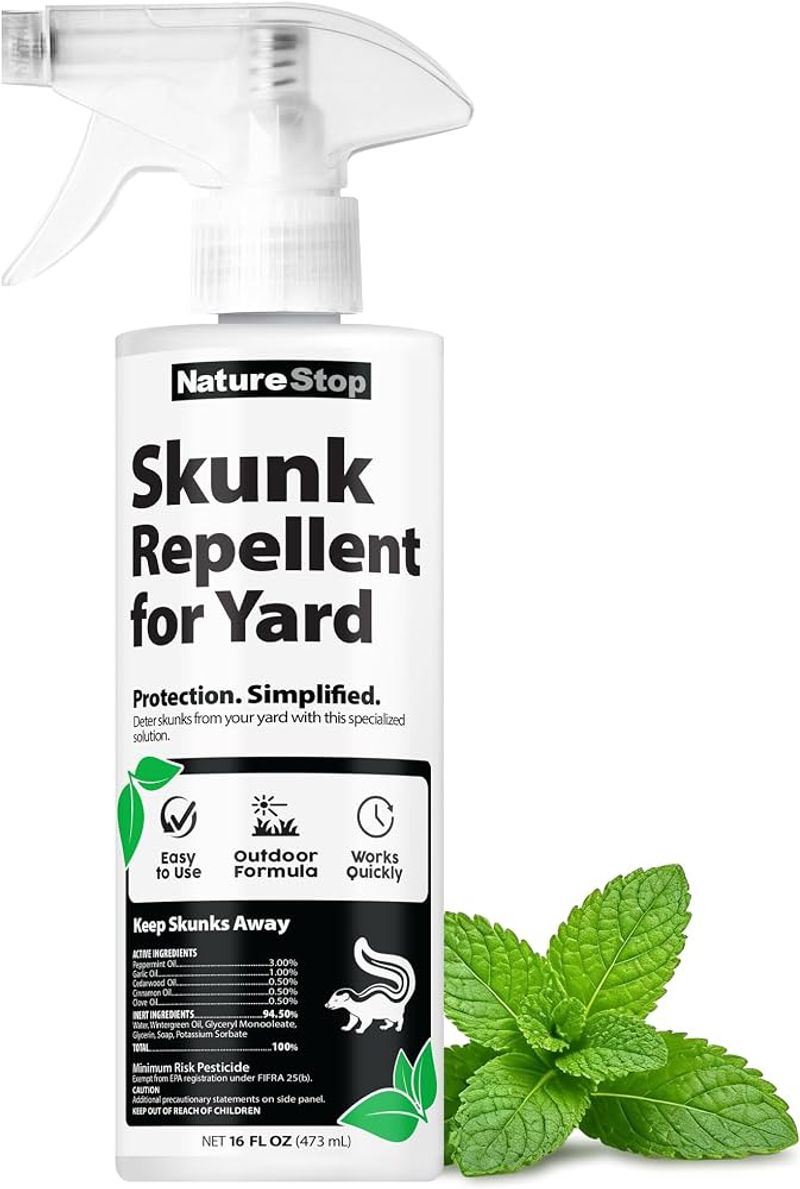
Two kitchen smells can team up to make your yard a less inviting stop. Peppermint oil hits the nose with a cool, intense punch, while garlic adds a heavy, lingering odor that many animals avoid.
To make a simple spray, combine 15 to 20 drops of peppermint essential oil, two crushed garlic cloves, and a few drops of dish soap in a quart of water. Let it sit overnight, strain it, and mist it along borders, on mulch, and near holes.
Cotton balls dabbed with pure peppermint oil also work well tucked under decks.
What makes this blend different is how easy it is to use near patios and outdoor living spaces. Unlike ammonia or predator urine, it will not make your evening on the porch smell awful.
Since essential oils evaporate fast in Southern heat, reapply every couple of days during peak skunk season. Be careful around cats, since some essential oils can be harmful to them.
Think of this spray as a helpful layer that may tip the scales when combined with other steps.
7. Grub Control to Remove the Food
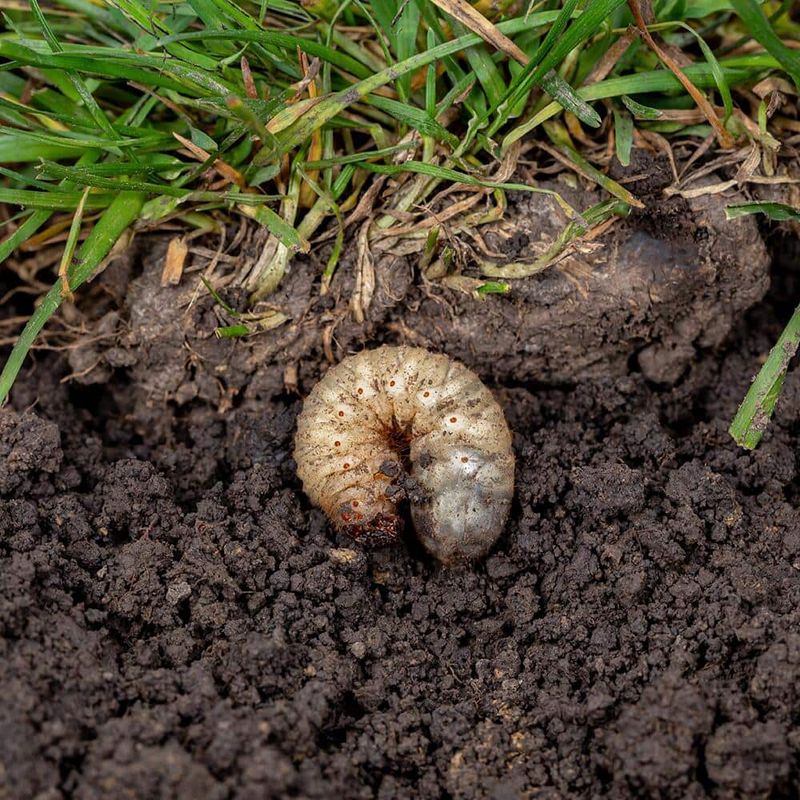
Smells can push skunks away, but food keeps pulling them back. Those nightly holes usually mean skunks are digging for white grubs, the C-shaped larvae of beetles that feed on grass roots.
Try a quick test. Cut a one-foot square of turf on three sides and peel it back.
If you count more than five to ten grubs, your lawn is likely serving dinner every night.
Beneficial nematodes are a natural option you can water into the soil, ideally in the evening when it is cooler. Milky spore targets Japanese beetle grubs, though it takes time to build up.
In Florida and Texas, late summer is often a smart window, since young grubs are near the surface and easier to treat.
Cutting back on overwatering can help too, because soggy, lush turf attracts egg-laying beetles. Once the grub supply drops, every scent on this list may work better, since skunks have less reason to stick around.
Pair food control with smell deterrents, and your lawn has its best shot at staying smooth and green.