
Bare dirt under trees and along borders tends to wash away, sprout weeds, and make a yard look tired. Fall is one of the best times to fix that in the South, because cooler air and softer rain help new plants root without summer stress.
Plant the right groundcover now, and those patchy spots can fill in with green before spring arrives. Here are nine tough spreaders that suit Southern yards, from Texas clay to Florida sand.
1. Asiatic Jasmine
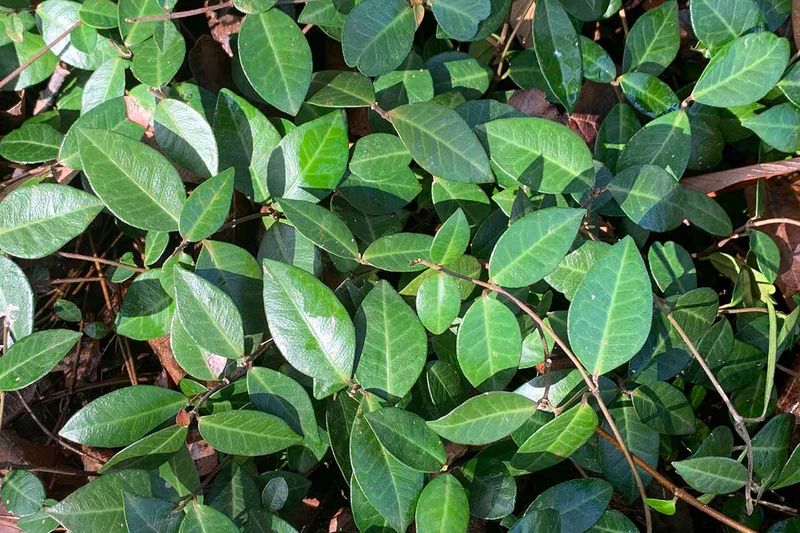
Walk through almost any older Houston or Orlando neighborhood and you will spot it carpeting the ground beneath big oaks. Asiatic jasmine has earned that spot by refusing to quit, even in dry shade where grass gave up years ago.
Small, glossy leaves knit into a thick mat about 6 to 12 inches tall. Despite the name, it rarely blooms, so think of it as a foliage workhorse rather than a flower show.
It handles heat, drought once established, and salty coastal air better than many choices.
Fall planting gives roots several cool months to settle in before summer heat returns. Space plugs about 12 to 18 inches apart, mulch between them, and water weekly until you see new runners.
Many gardeners report solid coverage within one to two seasons, though dense shade can slow things down.
A word of caution: it can creep into lawns and beds if nobody trims the edges. A quick pass with shears or an edger a few times a year usually keeps it in line.
For slopes, tree rings, and stubborn bare patches in zones 7 to 10, few plants work harder for less attention.
2. Frogfruit
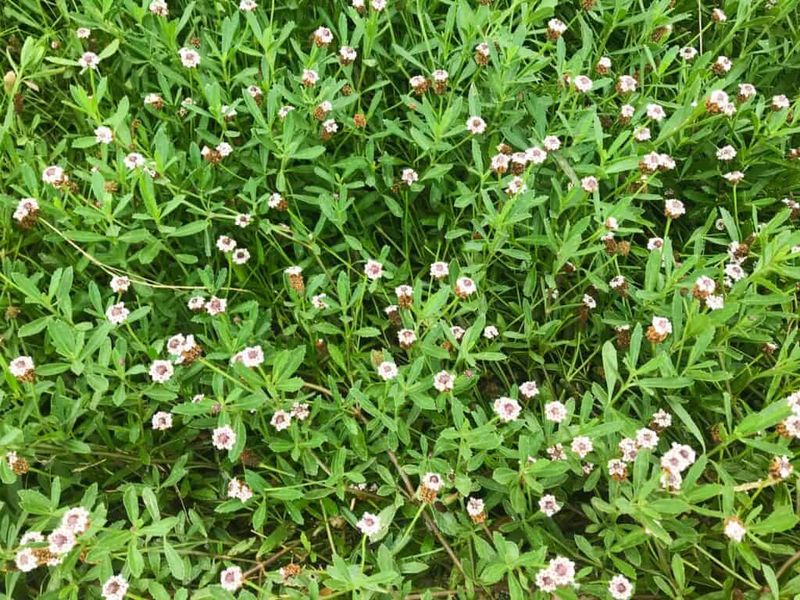
Butterflies seem to find frogfruit before you even finish planting it. Native across Florida and Texas, this low creeper serves as a host plant for the phaon crescent and white peacock butterflies, so your bare spot can turn into a nursery.
Tiny white flower heads with pink centers pop up for much of the warm season. The plant stays only a few inches tall and roots wherever its stems touch soil, which is why it fills gaps so quickly.
It handles light foot traffic, sandy soil, and heavy clay, and it can shrug off brief flooding.
Plant in fall, and the roots get busy while temperatures are mild. In colder parts of Texas it may go semi-dormant in winter, then bounce back with fresh growth as spring warms up.
In South Florida it often stays green year-round.
Some homeowners mix it right into their lawns as a pollinator-friendly lawn alternative. If you prefer a tidier look, an occasional mow on a high setting can keep it neat without stopping the blooms.
Full sun to part shade suits it best, and it typically needs little water once settled.
3. Creeping Thyme
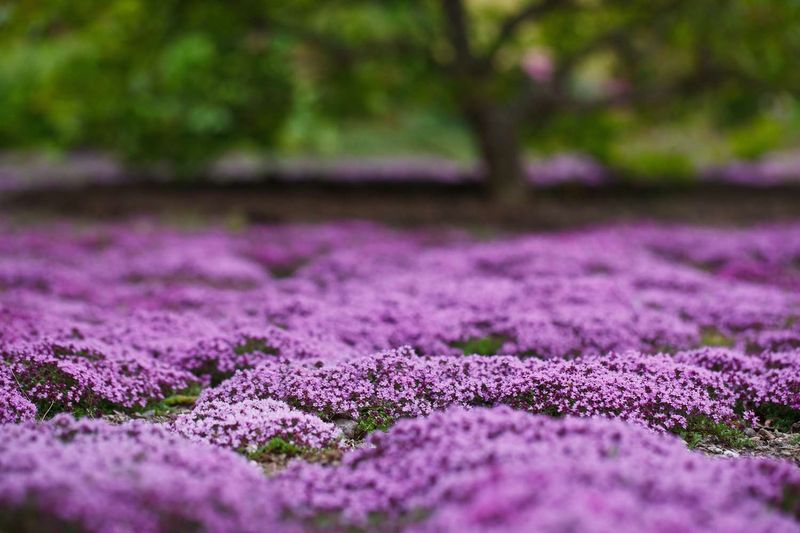
Step on it, and it smells like dinner. Creeping thyme releases a pleasant herbal scent every time a foot brushes it, which makes it a favorite for filling cracks between pavers and stepping stones.
Here is the catch for Southern gardeners: it loves sun and sharp drainage but dislikes soggy, humid conditions. That means it often shines in Central and North Texas, especially in raised or gravelly spots, while Florida growers may have better luck in containers or very well-drained beds.
Fall is an ideal time to plant because young starts can root before the brutal months. Tuck small plants 6 to 12 inches apart in lean, gritty soil, and skip the rich compost.
Too much fertilizer and water can cause rot, which is the most common reason thyme fails.
Tiny pink, purple, or white flowers arrive in spring and pull in bees. Coverage is moderate rather than lightning-fast, but it fills small gaps nicely.
If patches start dying out in the center after summer rains, trim away the dead parts and let healthy edges spread back in. Pair it with flagstone for a path that looks established within a year.
4. Sunshine Mimosa
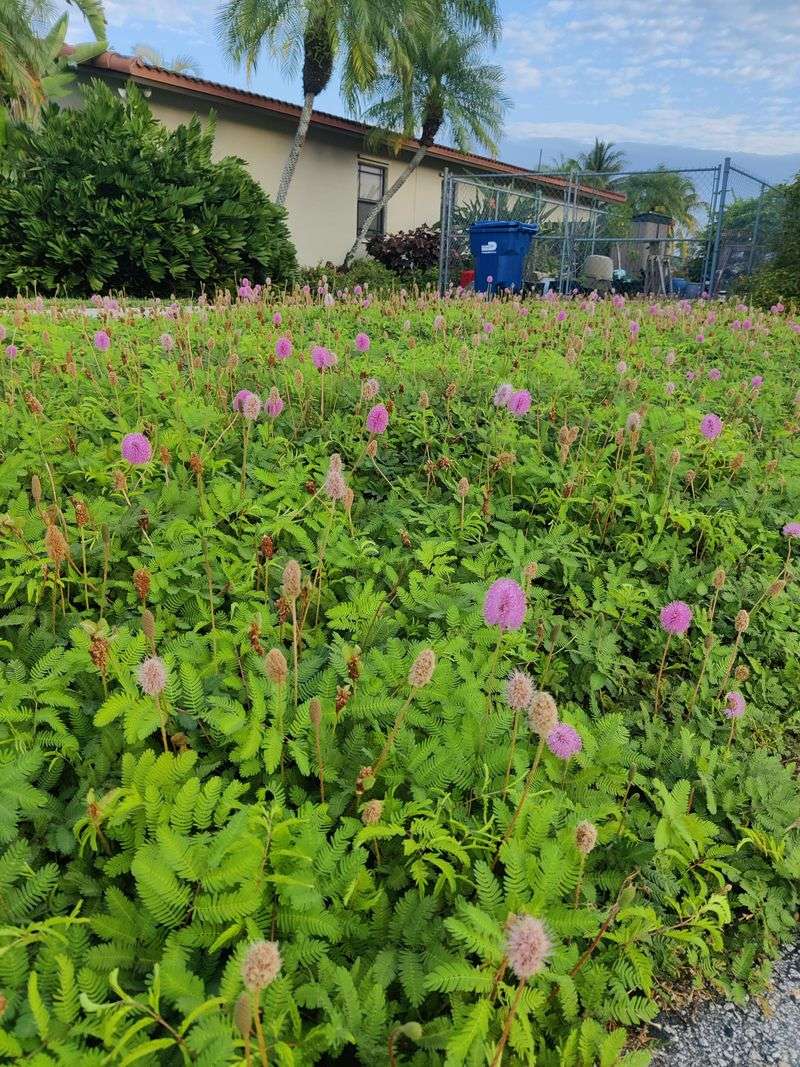
Kids love touching the leaves and watching them fold up. Sunshine mimosa, a Florida native also found in parts of Texas, adds that bit of fun along with fluffy pink pom-pom flowers from spring into fall.
More importantly, it spreads fast. Runners shoot across sunny, sandy ground and root as they go, so a handful of plugs can cover a sizable area in one growing season.
Its fern-like foliage stays low, usually under 6 inches, and it tolerates drought once established.
Planting in fall in Central and South Florida lets roots settle while rain is lighter and heat has eased. Water regularly for the first several weeks, then back off.
In North Florida and Texas, it may die back with frost and return in spring, so fall plants should be watered in early enough to get established.
Bees visit the blooms often, and the plant adds nitrogen to poor soil, much like peas and beans do. It can handle light foot traffic but not heavy play areas.
For a sunny strip where turf keeps struggling, sunshine mimosa may be one of the cheerfulest swaps you can make.
5. Dwarf Mondo Grass
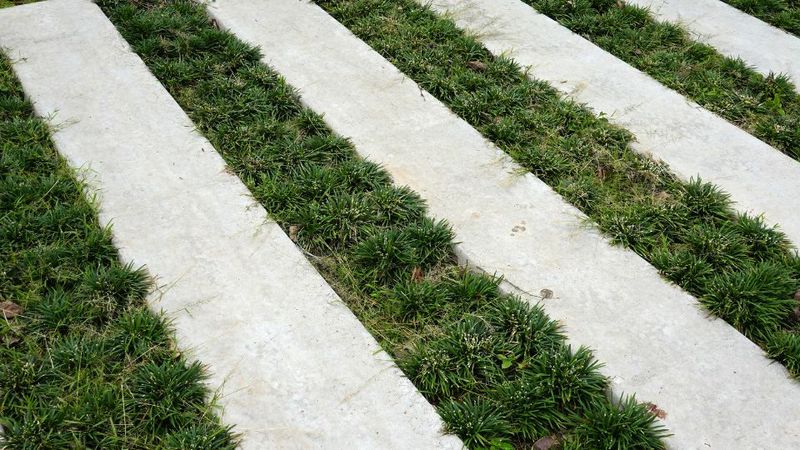
Picture a deep green, ankle-high carpet that looks freshly groomed all year. Dwarf mondo grass delivers that tidy look in shady spots where turf thins out, and it is a classic choice along Southern walkways.
Honesty matters here. Dwarf mondo spreads slowly compared to others on this list, but it earns its place because it stays neat and almost never needs mowing.
Gardeners who want speed simply plant it closer, about 4 to 6 inches apart, so the clumps join sooner.
Fall planting gives it a head start. Divide a nursery flat into small clumps, set them in loose, slightly moist soil, and keep them watered for the first month.
It handles North Florida and most of Texas well, though it prefers part shade over blazing afternoon sun.
Deer usually leave it alone, which is a nice bonus as fall forage shrinks. Pests are rare, and a quick spring cleanup of tattered leaves keeps it sharp.
Use it between stepping stones, around shady patios, or as a border along beds. Patience pays off, and the finished look can feel like something from a garden tour.
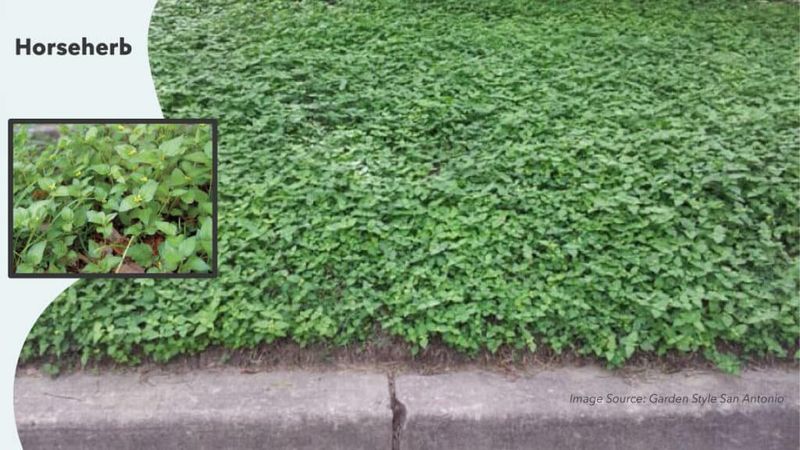
6. Horseherb
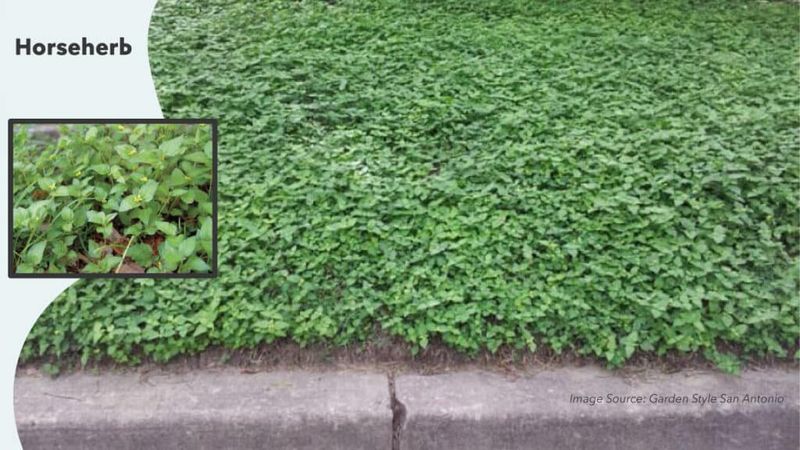
Plenty of Texans pulled it as a weed before realizing it was solving their problem. Horseherb, a native with small yellow daisy-like blooms, thrives in the dry shade beneath trees where St. Augustine keeps thinning out.
It grows low and lush, spreading by runners and seed. Once rooted, it can handle drought, heat, and moderate foot traffic.
In San Antonio, Austin, and much of Central Texas, it has become a go-to lawn substitute for shady backyards.
Fall is a smart window because roots can establish while temperatures cool. A hard freeze may knock it back, but it typically returns quickly as spring warms.
Plant plugs around a foot apart, water them in, and expect a fuller look within a season or so.
Small butterflies, including skippers, visit the flowers. Mowing on a high setting keeps it even if you want a more lawn-like feel.
It can wander into beds, so a simple border or edging strip helps. If you have a stubborn bare circle under a pecan or oak, horseherb may be the answer that has been growing next door the whole time.
7. Perennial Peanut
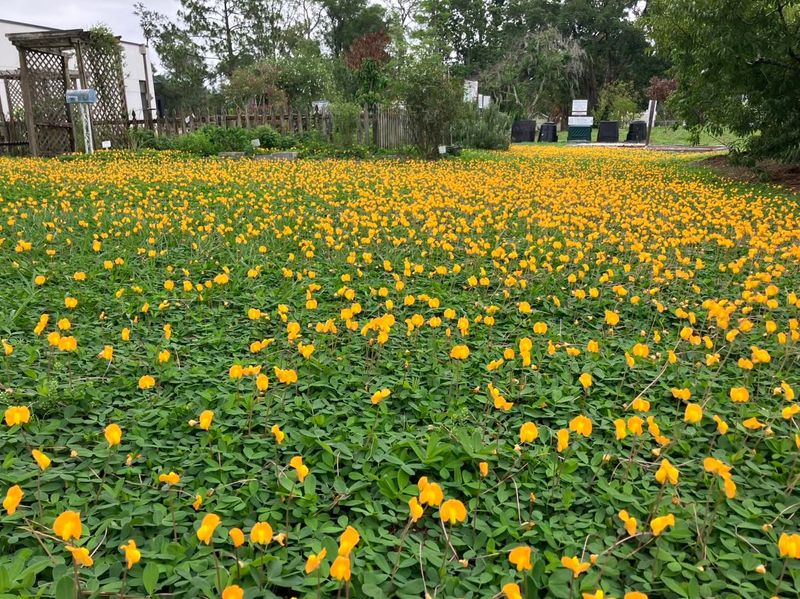
Think of it as the lawn that blooms. Perennial peanut forms a thick mat of clover-like leaves dotted with bright yellow flowers, and Florida homeowners have used it for years to replace thirsty turf.
It is a relative of the edible peanut, though it rarely makes nuts. Like other legumes, it can improve poor sandy soil by adding nitrogen.
Once established, it often needs little fertilizer and less water than standard grass, and mowing every few weeks is optional.
Fall planting works in Central and South Florida, but keep expectations realistic. It grows slowly in cool weather and takes off once spring heat arrives, so your fall plants are mainly building roots.
North Florida and South Texas gardeners may see frost damage, though established plants usually regrow.
Space plugs 12 to 18 inches apart and keep weeds pulled in the first year, since that is when it is most vulnerable. Full sun brings the best flowering.
Slopes, hard-to-mow corners, and sunny front yards are ideal spots. Once it fills in, it tends to crowd out many weeds on its own, giving you more color with fewer chores.
8. Ajuga
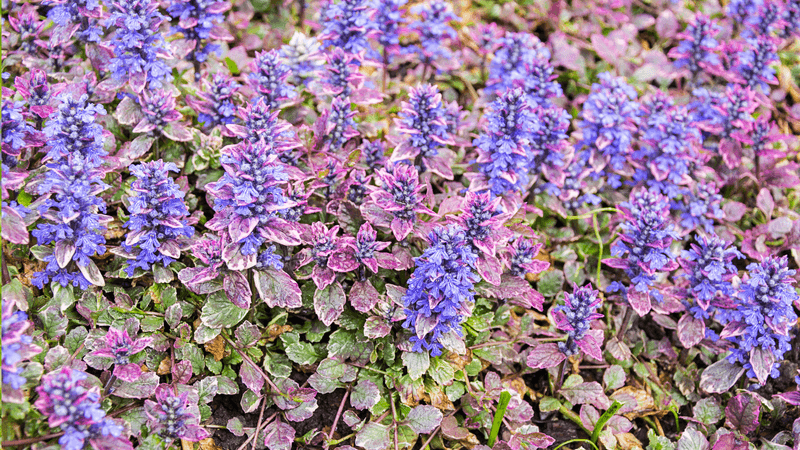
Bronze, burgundy, and speckled leaves make ajuga look like a rug someone chose on purpose. Also called bugleweed, it adds color to shady beds even when nothing is in bloom.
Blue-violet flower spikes appear in early spring, often among the first blooms of the year, and bees find them quickly. The plant spreads by runners that root fast, so several small plants can cover open ground within a season or two.
Here is where Southern timing matters. Ajuga does best in North and East Texas and North Florida, where winters are mild but summers are not quite tropical.
In hot, humid areas, it can suffer from crown rot, so good drainage and part shade are key. Fall planting lets it root while the air is cool and before summer stress.
Avoid overhead watering in the evening, which can encourage disease. If a patch melts away in summer, remove the damaged parts and let the healthy runners refill.
Ajuga pairs well with ferns and hostas in shady corners. For gardeners who want quick spread plus foliage that looks good in winter, it brings a lot of personality to a small space.
9. Silver Ponyfoot
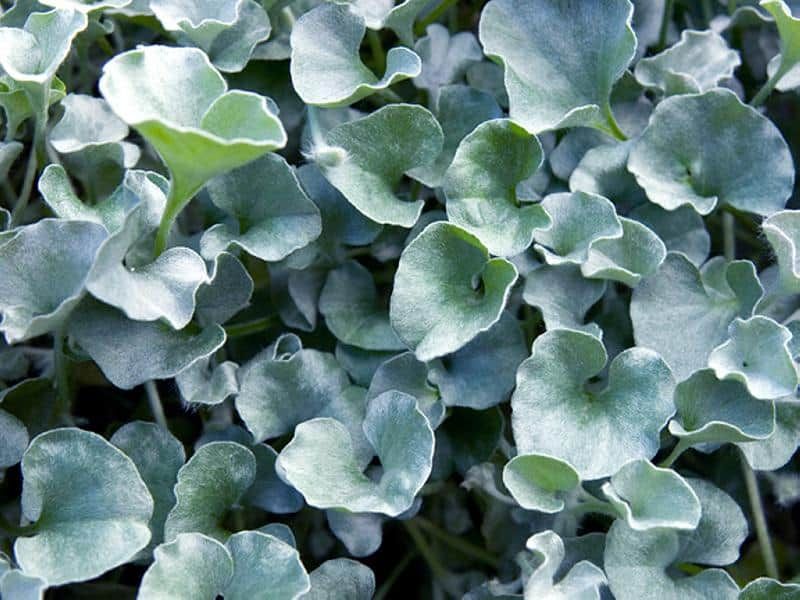
Sunlight bouncing off silver ponyfoot gives a bed an almost frosted look, even in the middle of a Texas summer. Its small, round, silvery leaves trail and root as they go, turning bare soil into a shimmering mat.
Native to parts of Texas, it is built for heat and drought. It grows best in full sun with soil that drains well, which makes it a natural fit for rock gardens, slopes, and xeriscape beds.
It also spills nicely from containers and walls.
Fall planting gives it a strong start across most of Texas. It may slow down or thin in a hard freeze, but in many areas it holds on and fills in fast once spring returns.
Florida gardeners can grow it too, though heavy summer rains in poorly drained soil can cause rot.
Go easy on water once it is established. Too much moisture is a more common problem than too little.
It handles light foot traffic, not daily play. Pair it with dark mulch or green plants to make the silver stand out, and you get a low-care groundcover that brightens a sunny yard.