
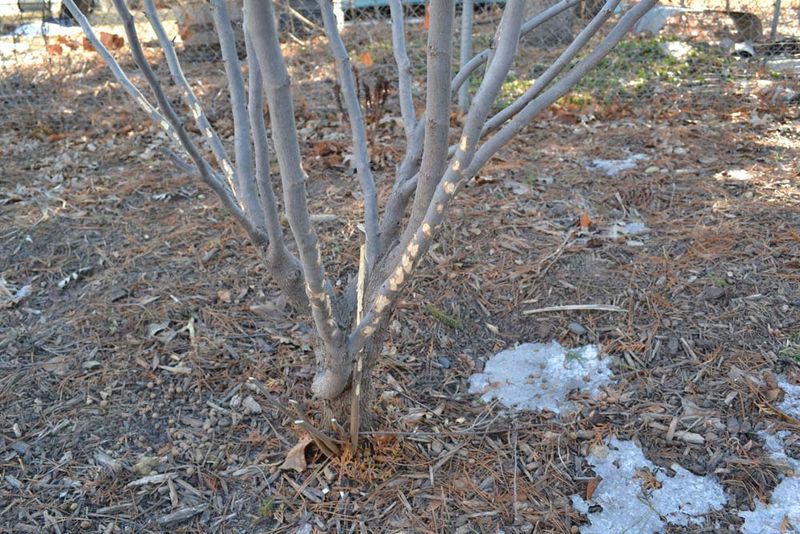
You walk out to check a new shrub and find a few stems snipped off and bark scraped near the base. Rabbits are a common suspect, but they are not always the culprit, and they rarely wipe out a whole shrub overnight.
Knowing what rabbit damage really looks like helps you pick a fix that works. A few simple moves, mostly involving wire mesh, can protect your young plants.
How to recognize likely rabbit damage
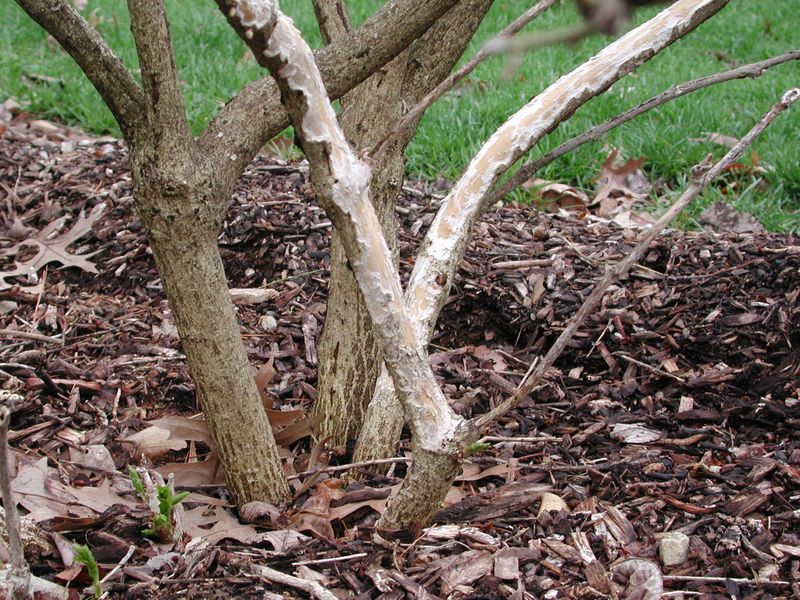
Start low and look closely at the small stems. Rabbits tend to leave clean, angled cuts, and they may gnaw bark near the base of the plant.
Damage is often found from near the ground up to roughly 15 inches to 2.5 feet, though conditions can change how high they reach, according to UF/IFAS wildlife identification guidance.
Next, look around the plant. Small round pellets or tracks in soft soil or mulch add weight to the case for rabbits.
A single angled cut proves nothing on its own, because other animals can leave similar cuts.
Compare what you see with the usual look of other culprits. Deer often leave ragged, torn stem ends and browse higher on the plant, while voles can gnaw bark close to or below ground level, as described in University of Minnesota diagnostic notes.
These clues overlap, so weigh the cut style, the height, and any pellets or tracks together before you decide.
Winter browsing depends on local conditions
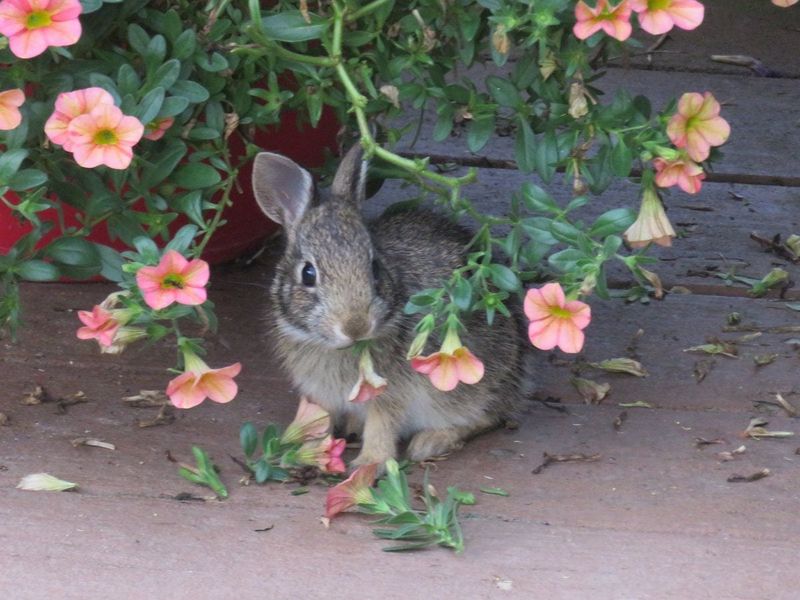
Winter chewing on stems and bark is real. Texas A&M Forest Service notes that rabbits can chew young trees in winter, and woody plants can become more tempting when other food runs short.
That does not mean every Southern yard turns into a bare buffet. Winters in Florida and much of Texas vary a lot from place to place and year to year, and many lawns and beds stay green.
Rabbits can also feed on plants in any season, so a nibbled shrub in July is just as possible as one in January.
Think of winter as a time when risk may rise if local food is scarce and conditions favor browsing, not as a switch that flips on December 1. Use what you see in your own yard as the guide.
If young stems are getting clipped, protect them no matter what the calendar says.
Fence a bed to block access at ground level
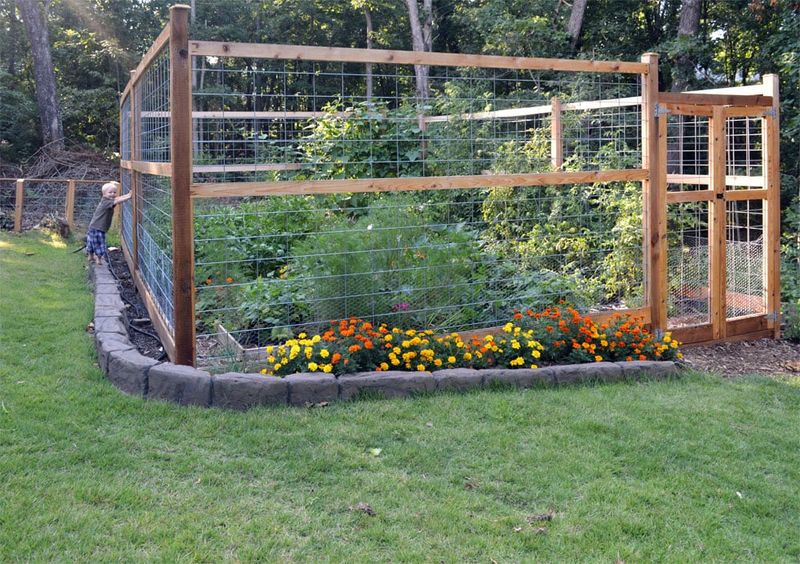
For a valuable young shrub or a small bed, a physical barrier is the most dependable first step. It is not a guarantee, but it does more than most sprays or scents.
Missouri Extension suggests an 18 to 24 inch fence for a small bed or group of shrubs, using wire mesh no larger than 1 inch. The bottom should be fastened to the ground or buried several inches so rabbits cannot slip underneath.
UF/IFAS recommends chicken-wire garden fencing at least 2 feet tall. Treat these numbers as guidance for particular situations, not a universal formula.
Some northern advice measures fence height above the snow line. That does not apply to most Florida and Texas yards.
Instead, cover the stems and lower branches rabbits can actually reach, and walk the fence line looking for ground-level gaps, since that is where they usually get in.
Guard the branches of an individual multi-stem shrub
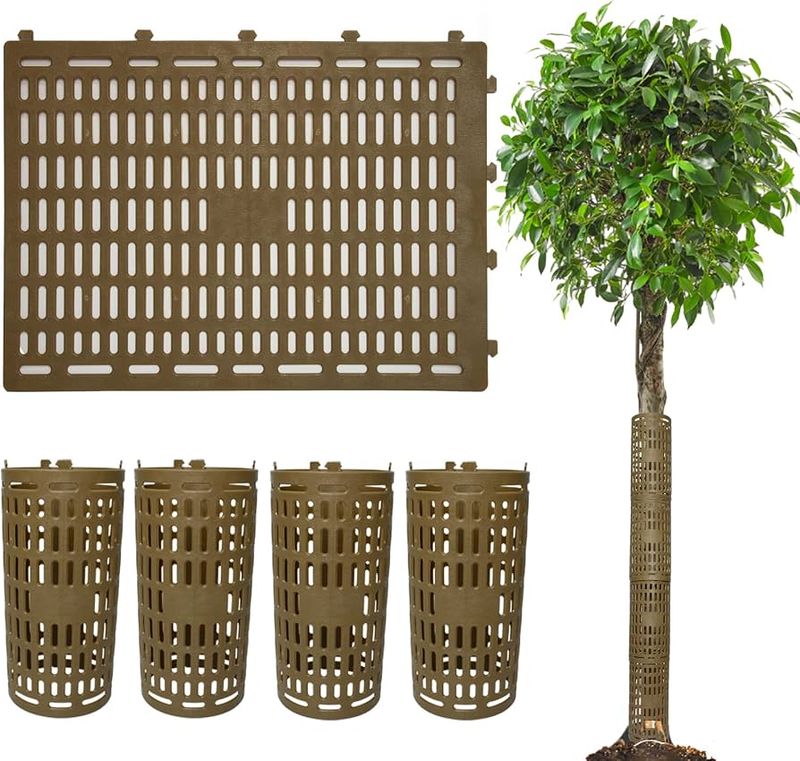
A single shrub can be protected with a mesh cylinder or a commercial guard. The catch is that a trunk-only wrap can leave a low, multi-stem shrub exposed.
If rabbits can still reach the branches, they can still clip them, so the barrier needs to cover every stem within their reach, as covered in University of Minnesota winter protection advice.
Leave some space between the mesh and the plant so rabbits cannot nibble through it and the stems are not rubbed. Check inside the enclosure now and then, because you do not want an animal trapped in there.
Temporary mesh protection is also used on young plantings, as Texas A&M Forest Service describes.
Clearing brush piles or fencing off hiding spots near vulnerable plants may help a little as an extra step. It does not replace a barrier.
Use repellents only as a maintained backup
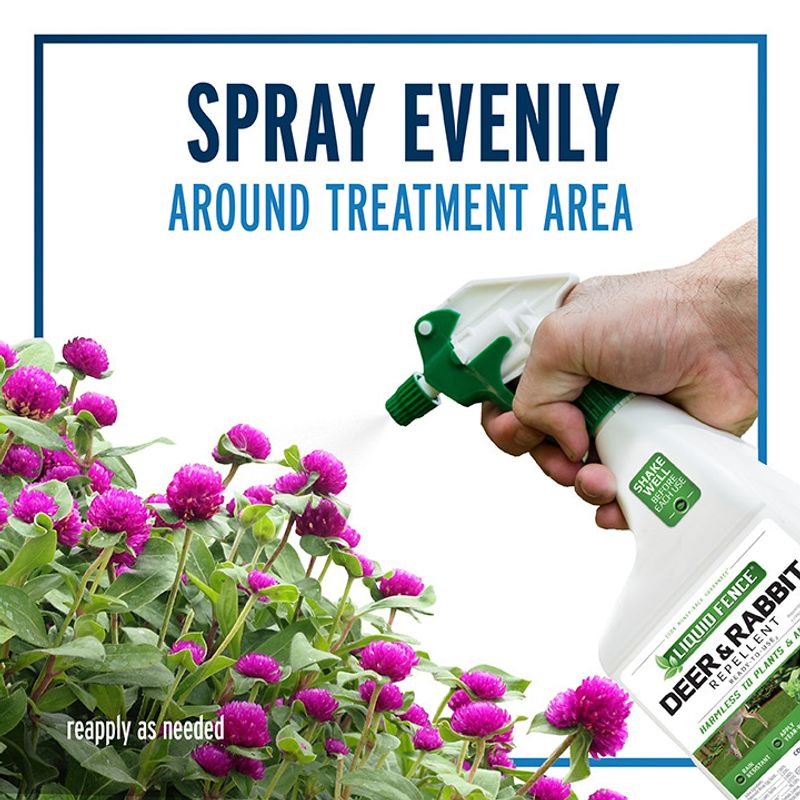
Repellents are a possible extra layer, not the main plan. How well they work depends on how many rabbits are around, what other food is available, how fast the plant is growing, and the weather.
Reapplication matters too, as noted by UF/IFAS and in UC IPM guidance. Penn State Extension also describes mixed results.
If you try one, apply it before damage starts when possible. Read the label for which plants it can be used on, when to apply it, and when to reapply, such as after rain or new growth.
Skip outdoor mothballs. UF/IFAS warns that using them contrary to the label is illegal and can harm people, pets, or the environment.
The same goes for any product, and EPA safety tips say to use products only as the label allows.
Inspect the barrier and adjust it to the damage
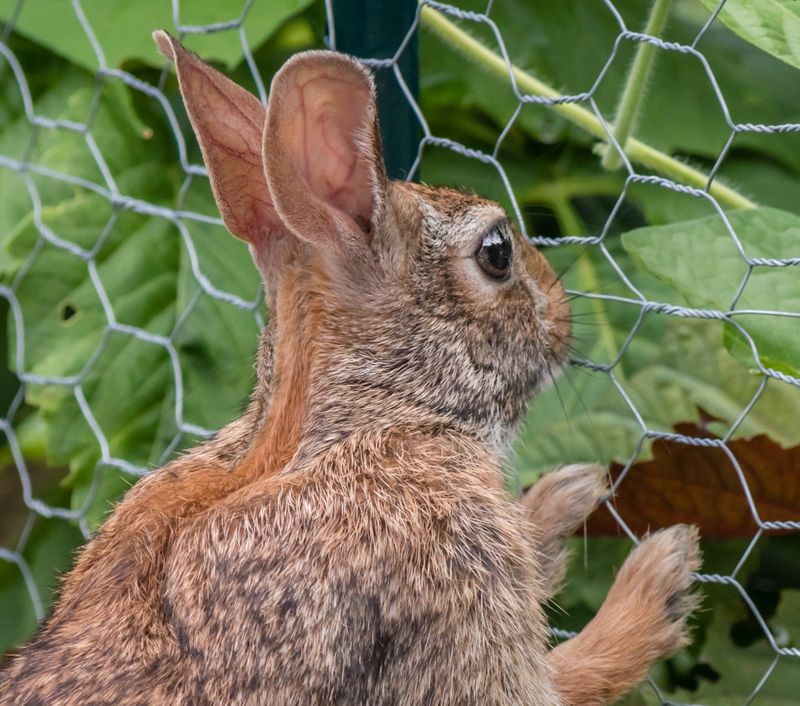
Once the mesh is up, give it a quick check every week or two. Look for spots where the bottom edge has lifted, and see whether rabbits can still reach any stem or low branch.
If so, pin the mesh down, bury more of it, or raise or reshape it, following the ground-level advice from Missouri Extension.
If damage keeps showing up, do not assume it is a rabbit. Look again at where the damage sits, the cut or gnaw pattern, and any pellets or tracks, using the clues in UF/IFAS identification guidance.
Deer and voles may be involved.
A fitted, maintained barrier is your main protection, and UF/IFAS deterrent advice treats repellents as a supplement. Neither is a promise, but together they give a young shrub its best chance.