
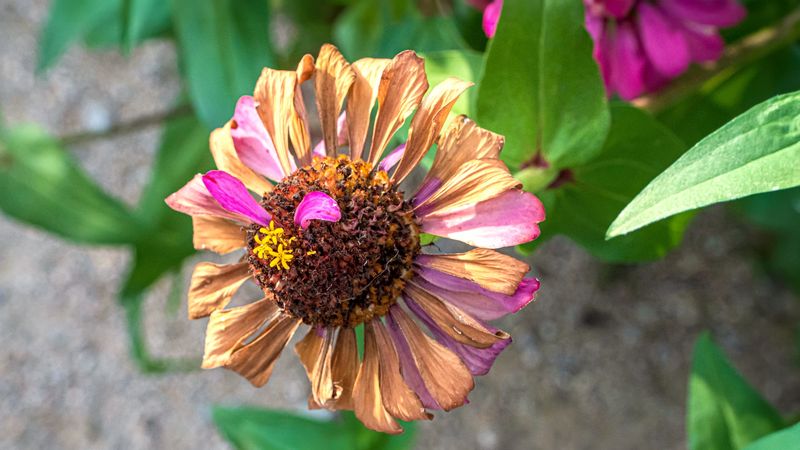
Those faded zinnias at the back of the bed are holding next year’s flowers, but only if you pick the right heads. Some heads are ready now, and others still need more time on the plant.
As the season winds down, a few simple checks can show you which is which. Here is how to sort the ready heads from the rest.
Check each head for maturity
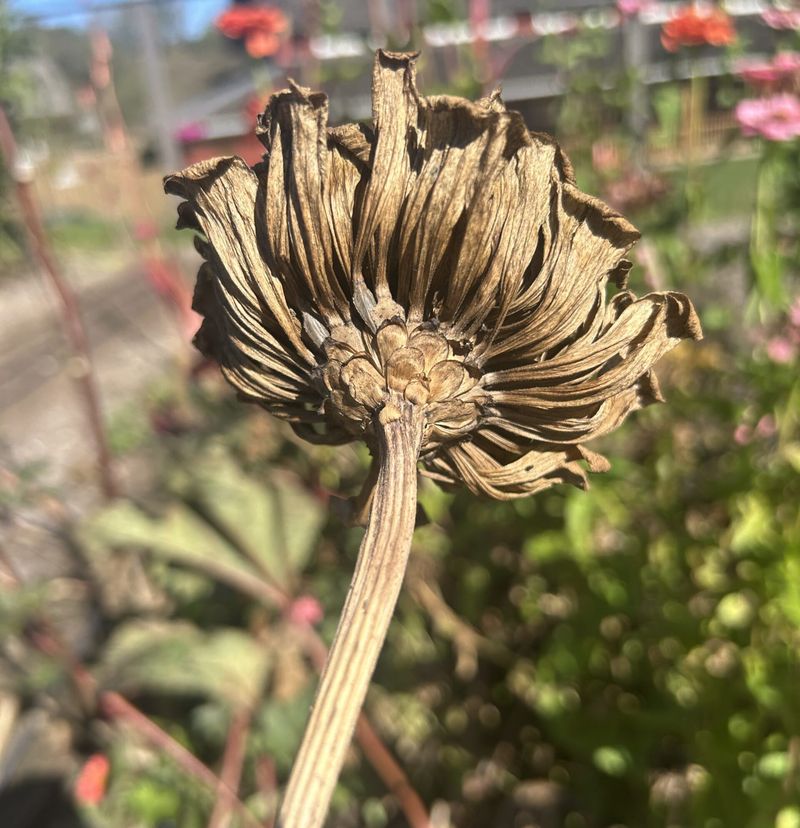
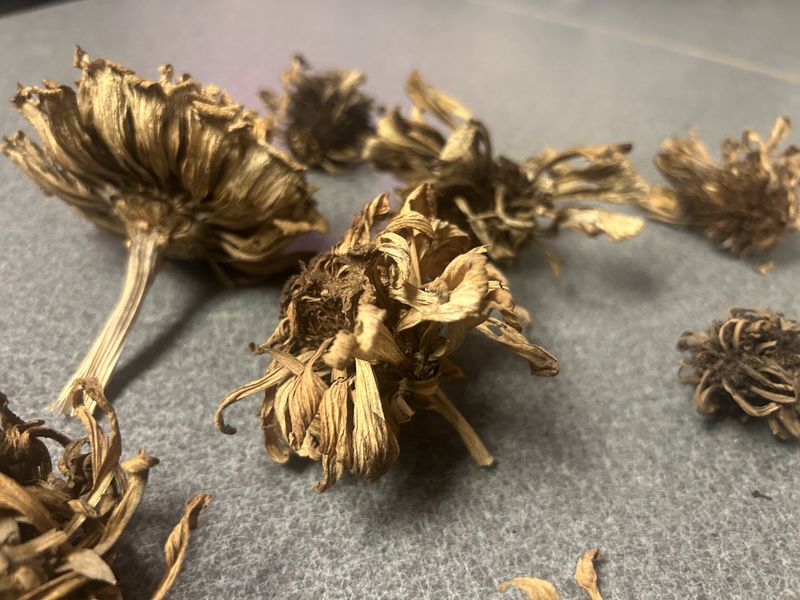
Start with the whole head, not the calendar. A zinnia is ready when the entire head has dried completely on the plant, turned brown, and shriveled, and the stem just below it has started to brown too.
Illinois Extension describes the brown, shriveled look, and Seed Savers Exchange adds that the head should be completely dry with a brown stem.
Timing matters because a ready head will not wait forever. Colorado State’s Ask Extension service advises harvesting after the head dries but before it disperses its seed.
Once a head starts to break apart, seed can drop into the mulch or blow away.
A green, soft, or partly colored head has not passed the test. A frost forecast does not change that, so leave those heads on the plant and check them again in a few days.
Choose blooms to leave for seed
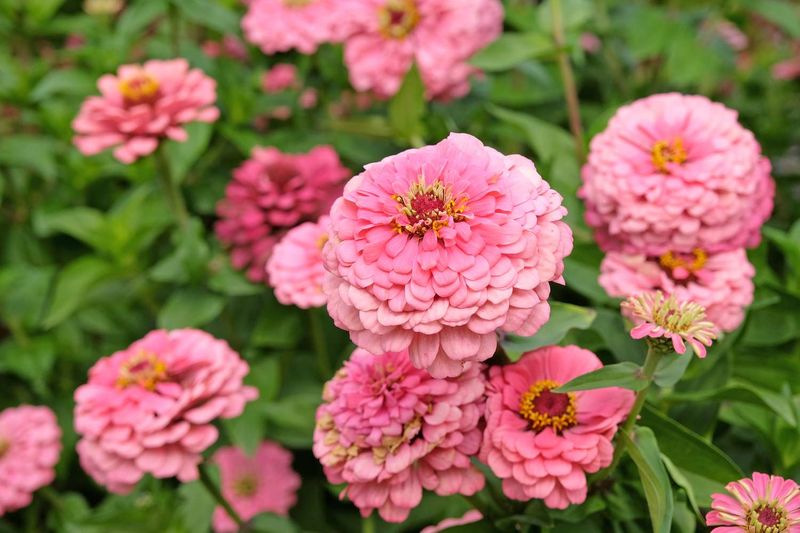
Deadheading keeps zinnias blooming. UF/IFAS notes that removing old flowers extends the bloom season.
So if you want seed, you have to pick a few blooms to skip.
Walk the bed and choose flowers you love for their color, size, or shape. Tie a bit of yarn around each stem so you do not clip it by accident.
Leaving three to five blooms per favorite plant gives you a nice backup supply.
Pick from strong, healthy plants. Illinois Extension recommends saving seed from disease-free plants, so skip any with mildew or leaf spots.
Keep in mind that seed from these blooms may not give you the exact same flowers next year. That is part of the fun, and a later section covers why.
Use frost as a reminder to check, not a deadline for every head
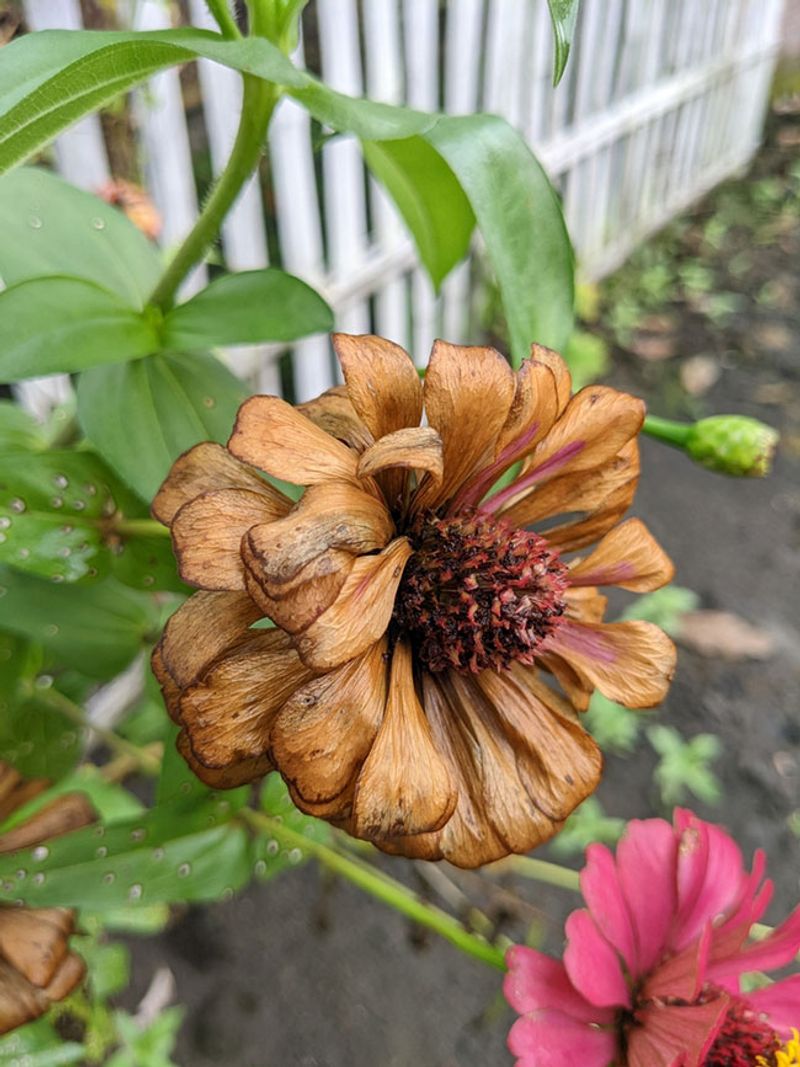
Cooler nights are a good cue to go out and look closely at your plants. Think of frost as the alarm clock, not the answer.
Heads mature one at a time, so one plant can hold a ready head, a half-dry head, and a green one all at once.
On each check, collect only the heads that show the maturity signs and have not yet scattered seed. Ask Extension and Illinois Extension both tie harvest to dryness and timing before dispersal, not to a frost date.
A cold snap does not make a soft head ready.
Timing also varies by place. UF/IFAS says healthy zinnias in Florida may bloom through summer, often until first frost, and that South Florida has a fall planting window.
That shows how much timing can differ even within one state.
Texas gardeners should watch their own plants and local weather rather than borrowing a Florida schedule.
Cut mature heads on a dry day
Once a head passes the maturity test, grab a pair of clean snips. Wiping the blades with rubbing alcohol first helps avoid spreading disease between plants.
Cut the stem a few inches below the head so it is easy to handle.
Pick a dry, sunny day when you can. Wet weather leaves heads damp, and dampness is the enemy of good seed.
Illinois Extension and Seed Savers Exchange both describe collecting only heads that are brown and dry.
Drop each head into a paper bag as you go. Paper lets air move through, so leftover moisture can escape.
Skip plastic bags and sealed containers, which can trap damp and invite mold.
Write the variety or color on the bag right away. It is easy to forget which is which after a busy afternoon.
Finish drying and separate the seeds
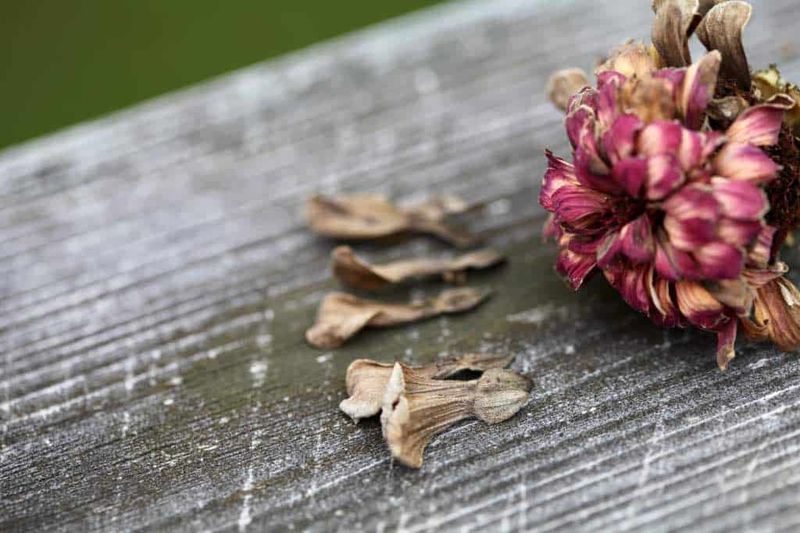
Back indoors, leave the heads in the open paper bag in a dry spot. Illinois Extension says heads can keep drying in a paper bag for a few weeks.
Giving them that time helps mature seed finish drying.
Next, crumble each head gently between your fingers. Seeds are slim and pointed, while the petals and bits of stem are chaff.
Pick out or blow away the chaff, and work over a tray so nothing is lost.
Seed Savers Exchange suggests spreading cleaned seeds in a thin layer to dry out of direct sunlight before storage.
Keep in mind that this step finishes the job for heads that were already mature. It is not a rescue for green or soft heads, because extra drying does not show that an immature head holds viable seed.
Store only thoroughly dry seed
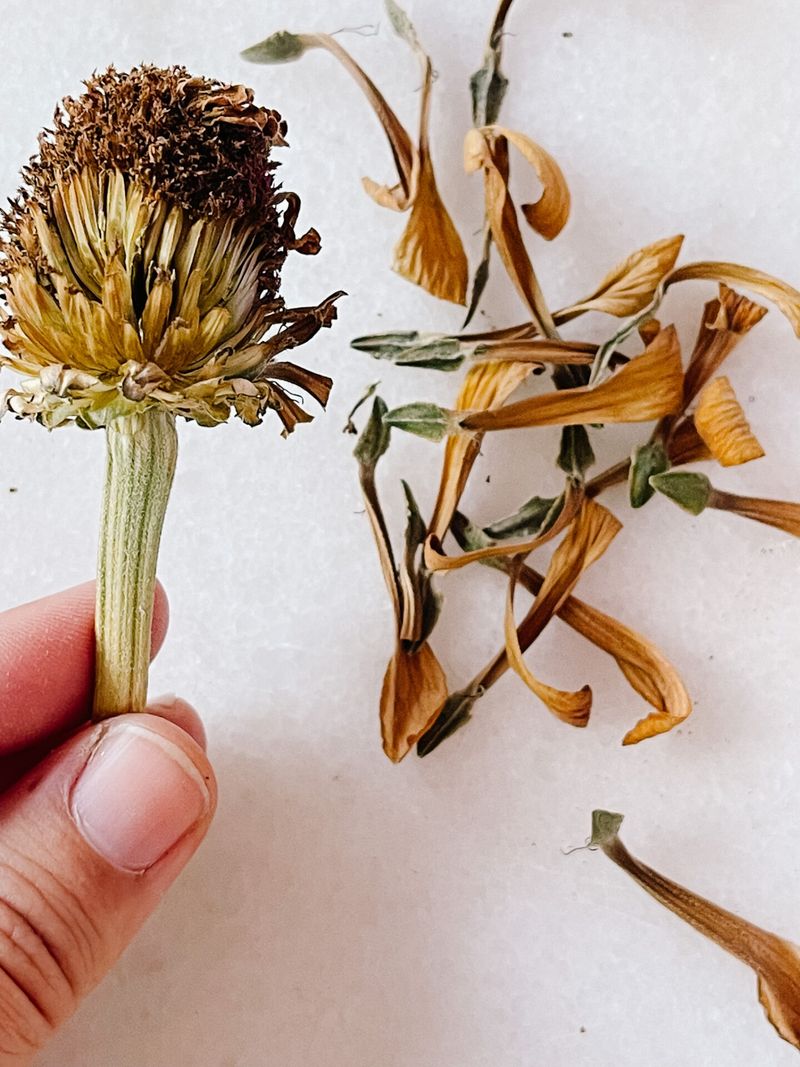
Patience pays off here. Seeds should feel dry and snap rather than bend before you put them away.
Moisture left behind can lead to mold and deterioration, which can ruin the whole batch.
Skip the temptation to seal damp heads or damp seeds in a jar. Seed Savers Exchange stresses thorough drying before storage.
If you are unsure, give the seeds another few days in a thin layer.
Once they are fully dry, pack them in paper envelopes or a container and label each with the variety and the year. A cool, dry place such as a closet shelf works well.
University of Georgia Extension offers seed-saving guidance that points to the same idea of dry, cool storage.
Good storage and careful drying improve your odds, but they do not guarantee that every seed will sprout.
Expect variation in next year’s flowers
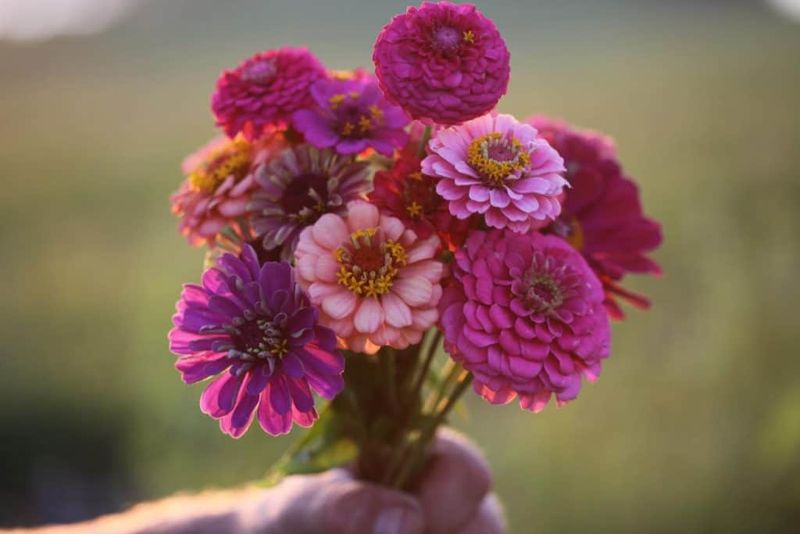
Saved seed is a bit of a surprise package. Illinois Extension warns that seed from hybrid flowers may vary in color or size.
Bees and butterflies also move pollen between plants, and Seed Savers Exchange describes cross-pollination among zinnia varieties as another source of variation.
If you want more predictable blooms, look at the variety you grew. Open-pollinated types tend to be a safer bet than hybrids, and it helps to know whether other zinnia varieties grew nearby.
Some gardeners enjoy the mix, and a few unexpected colors can be a bonus.
Whatever you grow, save seed from mature, fully dried heads and let the unfinished ones keep ripening. Frost may set the pace, but the plant sets the schedule.