
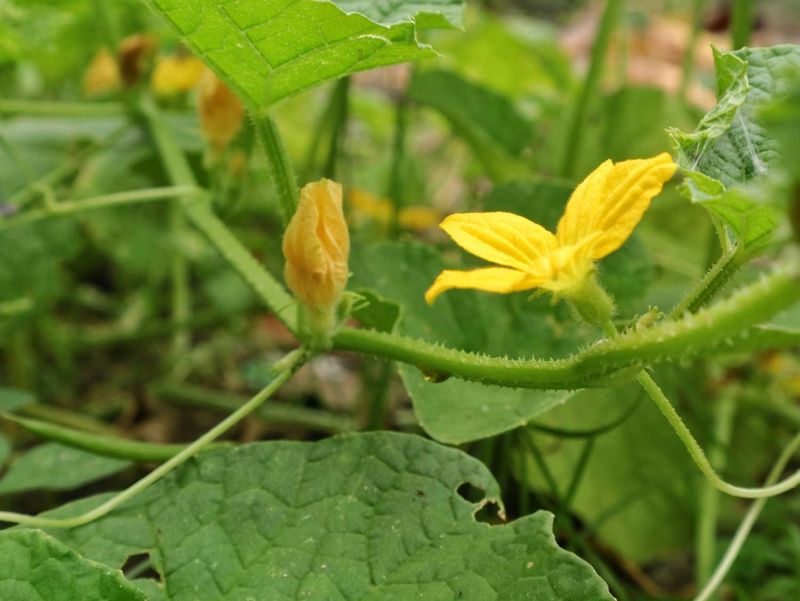
Your cucumber vines look lush and the yellow flowers keep opening, yet the harvest basket stays empty. It is a frustrating sight, especially when fall is supposed to give you one more round of crisp cucumbers.
Cool or rainy weather may play a part, but it is only one of several things worth checking. A few quick looks at your flowers and growing conditions can point you toward the real reason.
Start by checking what kind of flowers the vine is producing
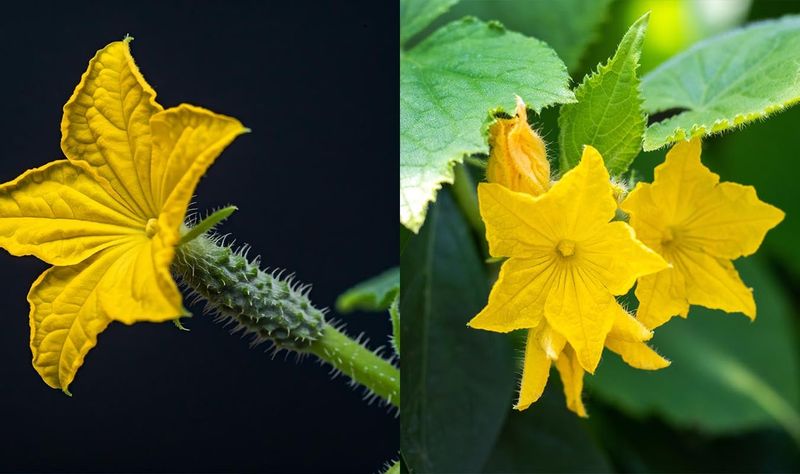
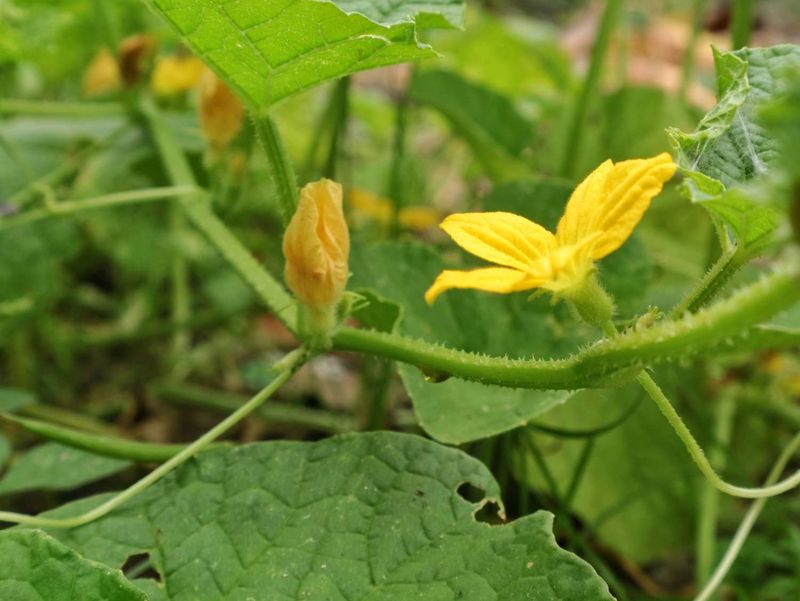
A vine covered in yellow blooms can still be a vine with no fruit-bearing flowers. Many gardeners see a burst of blossoms and assume cucumbers are on the way, when those blooms may all be male.
Male flowers have a plain, thin stem with no swelling behind the petals. They often show up first, and they fall off after blooming.
That drop is normal, as University of Illinois Extension explains, and it is not a sign something has gone wrong.
Female flowers are easy to spot once you know the trick. Look right behind the blossom for a miniature cucumber, a small green swelling that looks like a baby fruit.
Before deciding the vine has a fruit-set problem, inspect several flowers over a few mornings. If you only find male blooms, give the plant a little time.
If female flowers are present but the tiny fruits never grow, the next sections will help you narrow down why.
Check the variety before assuming every flower needs a bee
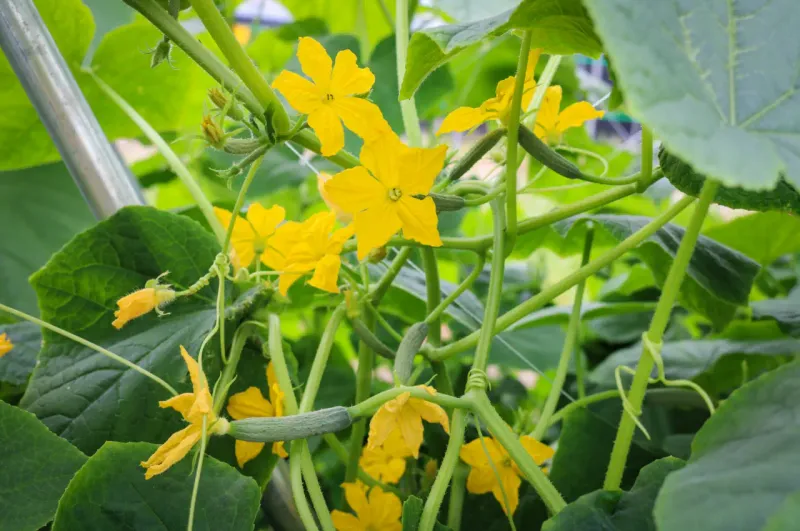
Grab your seed packet, plant tag, or order receipt. The variety label can change your whole diagnosis, because not every cucumber plays by the same pollination rules.
Standard cucumbers need pollen moved from male flowers to female flowers. Parthenocarpic types can set fruit without any pollination at all, and pollinating them may even lead to misshapen fruit.
Some gynoecious varieties, which produce mostly or only female flowers, need a nearby pollenizer unless they are also parthenocarpic. University of Minnesota Extension covers these differences.
Here is how that plays out in the garden. A vine with lots of female flowers and no fruit might be a gynoecious type missing its pollen source.
A parthenocarpic vine that stalls is probably dealing with something other than pollination.
If the label is long gone, note what you remember about the seed source and look up the variety name online. Knowing which group your plant belongs to saves a lot of guesswork.
Standard cucumbers need pollen transfer during morning bloom
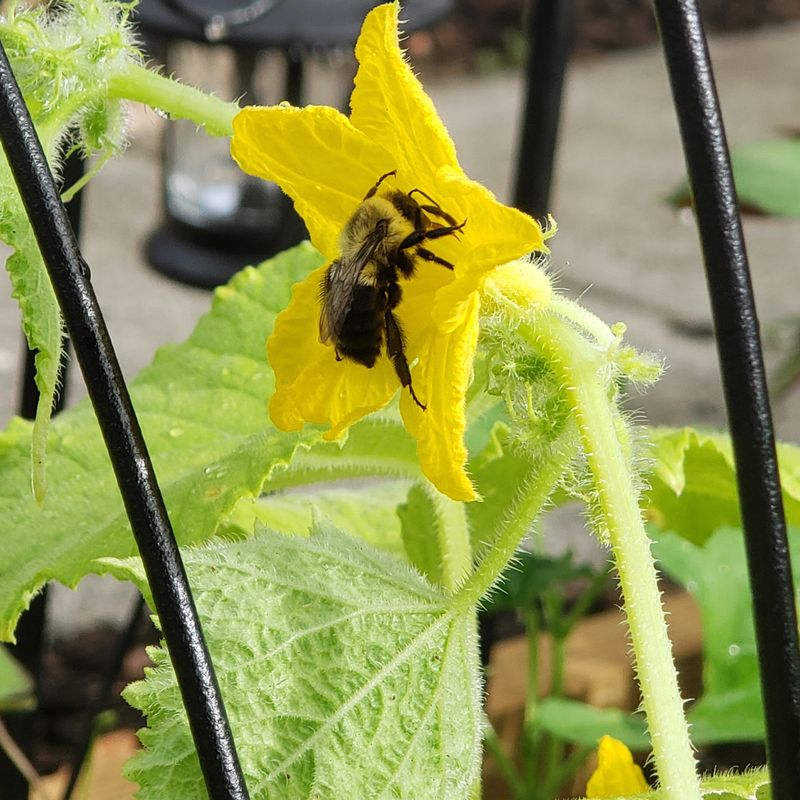
On a standard cucumber, fruit depends on insects carrying pollen from male blooms to female blooms. Without enough transfer, you may get no fruit, or small and misshapen ones.
University of Minnesota Extension notes how much flower and fruit set in cucurbits depends on this step.
Timing matters too. Cucumber flowers stay open for only a short window in the morning, so the visits that count happen early.
Utah State University Extension describes how insect activity during that window shapes the result.
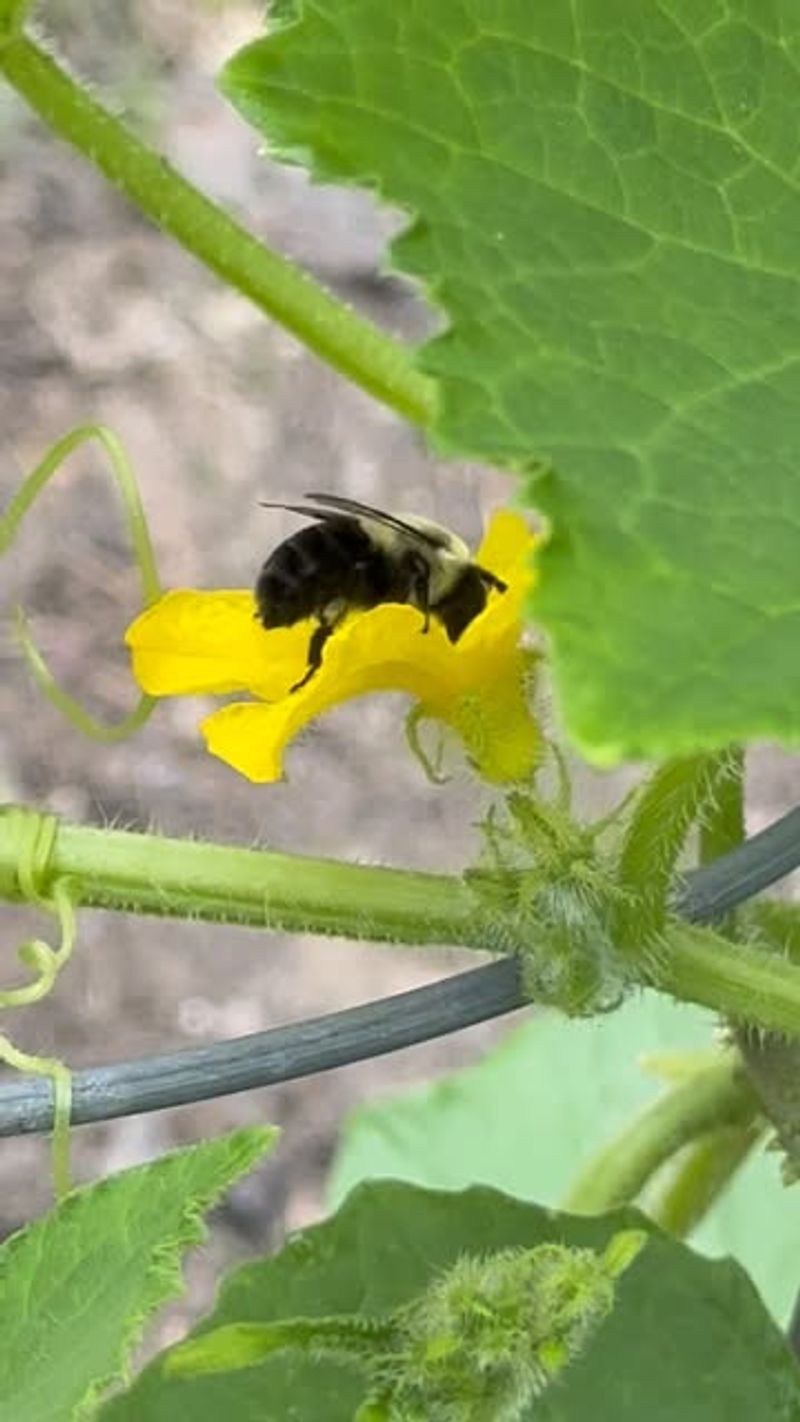
Try a simple check. On a dry morning, spend ten minutes near the vine and watch which insects land on the female flowers, the ones with the tiny cucumber behind them.
Bees, flies, and other small visitors all count.
If you see steady traffic, pollination is probably not your main problem. If the flowers sit untouched, keep reading.
None of this applies to parthenocarpic varieties, which do not need those visits.
Cool or rainy weather can hinder pollination, but it is not a diagnosis
It is tempting to blame one chilly night. The truth is more mixed.
Cold or rainy conditions can slow bee activity while flowers are open, yet nothing shows that a single cool night is the usual cause of failed fruit set.
You may have heard that honeybee activity drops below 55°F. Treat that as a general observation about honeybees, as Utah State University Extension describes it.
It is not a fruit-set cutoff for cucumbers, and it does not describe every bee species.
There is a flip side. Cooler temperatures can actually favor female flower production, according to University of Maryland Extension, and University of Illinois Extension echoes the point for cucurbits.
So a cool spell might give you more female flowers while making pollination harder.
Instead of guessing, jot down the weather during the mornings your flowers were open. Was it dry and mild, or wet and cold?
That record tells you far more than the overnight low alone.
Try hand-pollination only if it fits the situation
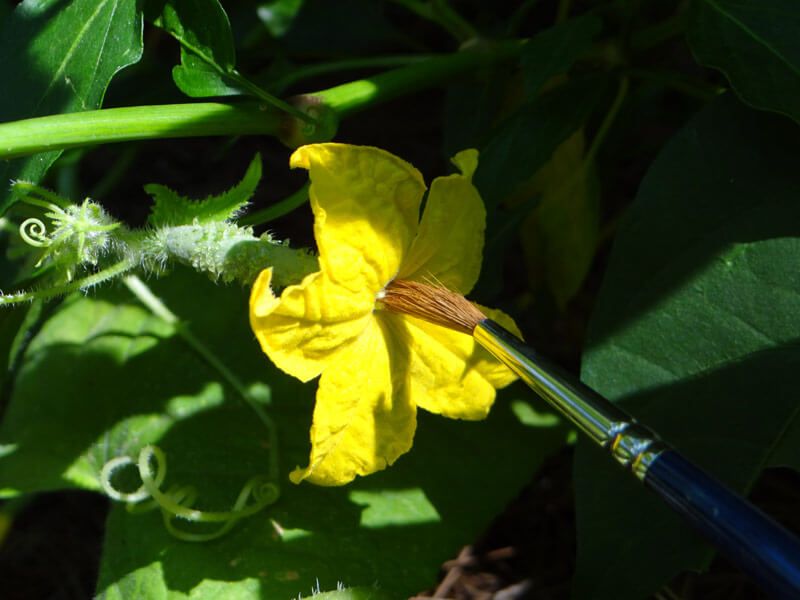
If female flowers are open but you rarely see insects visiting, hand-pollination is a low-cost test. It is optional, it is not needed in every home garden, and it will not fix every vine.
The method is simple. Pick a newly opened male flower, peel back or remove the petals, and gently touch its pollen-covered center to the center of a newly opened female flower.
A small soft brush works too. Do this in the morning, since the blooms close soon after.
The pollen transfer step is described by Utah State University Extension.
Watch the tiny cucumber behind each flower you pollinated over the next several days. If it swells, pollination was likely a missing piece.
If it yellows and shrivels, look at other factors.
Also keep bees safe. Avoid applying insecticides while bees are working the flowers, a point UGA Extension stresses for home cucumber growers.
Check water, heat, and fertilizer before changing the routine
Sometimes flowers or tiny fruits drop because the plant is stressed. Too much water, too little water, and extreme heat can all contribute to flower or small-fruit abortion in cucurbits, as University of Minnesota Extension notes.
None of these explains every vine, but each is worth a quick look.
Push a finger a couple of inches into the soil near the roots. Soggy soil after rain and bone-dry soil during a hot spell tell different stories.
Late summer heat that lingers into early fall can matter too.
Resist the urge to feed more. UGA Extension recommends basing fertilizer on a soil test and warns that overfertilizing can encourage vine growth and hold back fruiting.
A big, dark green vine with few cucumbers is a clue worth noting. Test the soil first, then adjust only what the results suggest.
Use local fall timing rather than a single Southern calendar
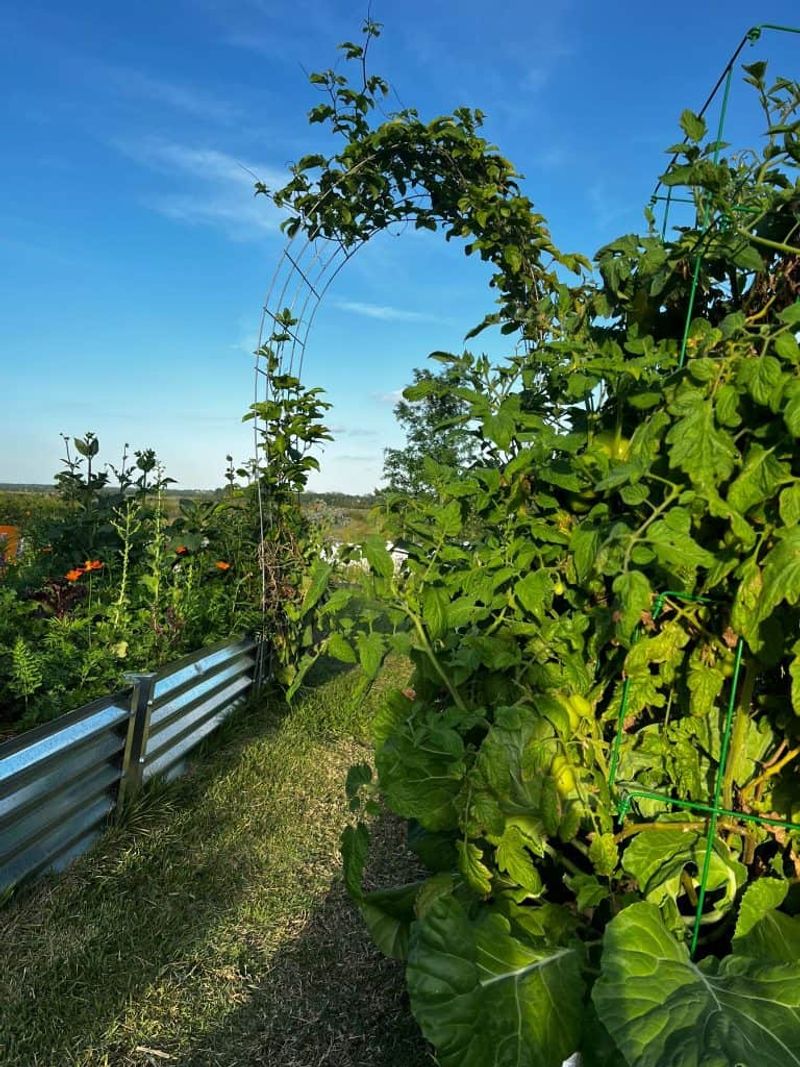
Fall looks different from Pensacola to Brownsville. A vine that blooms during mild weather in one yard may face heat or an early cold snap in another.
Florida shows this well. UF/IFAS Extension lists different cucumber planting windows for North, Central, and South Florida, so the right fall date depends on where you garden.
Texas has its own rhythm. Texas A&M AgriLife Extension describes both spring and fall cucumber seasons in most parts of the state and lists early freeze among the risks.
Pollinators do not simply vanish when autumn arrives, so check what is actually happening in your own yard. Compare your planting date to your local extension guidance, and use it to judge whether your vines bloomed at a good time.
Your vine is giving you clues with every flower, so read them one at a time.