
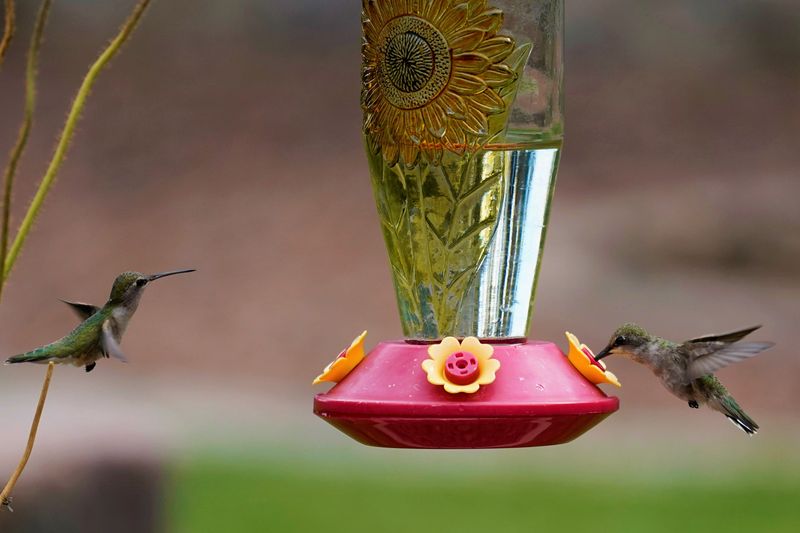
Fall in the South can feel like summer one day and crisp the next, and hummingbird nectar reacts to every swing. Sugar water that sits too long can spoil faster than you might guess.
Migrating and wintering hummingbirds count on feeders that stay fresh. A simple routine based on the weather, not the calendar, keeps your feeder safe and your visitors coming back.
A two-to-three-day routine works for ordinary fall weather
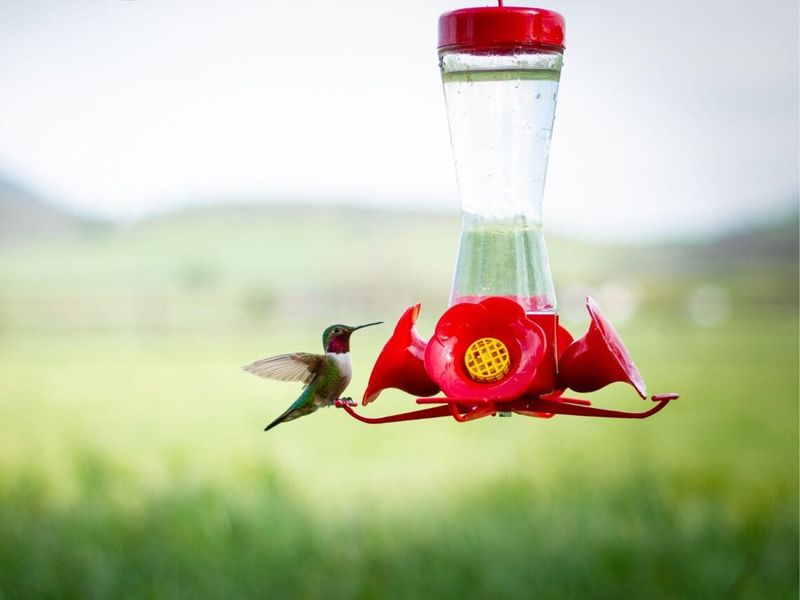
In ordinary Southern fall weather, plan to replace the nectar and clean the feeder about every two to three days. That gives you an easy baseline to remember, and you can shorten it whenever conditions call for it.
Expert sources do not all say the same thing. Audubon’s feeding FAQs suggest changing nectar about every three days in temperate weather and twice a week when it turns cooler.
Clemson Extension also recommends cleaning the feeder thoroughly each time you change the nectar.
Treat these numbers as practical guidelines, not a proven cutoff that works everywhere. A peer-reviewed feeder study found plenty of microbial growth in feeders, though it did not measure what that means for hummingbird health.
No schedule guarantees a germ-free feeder, so a steady routine plus close watching is your best approach.
Heat and sun can shorten the wait
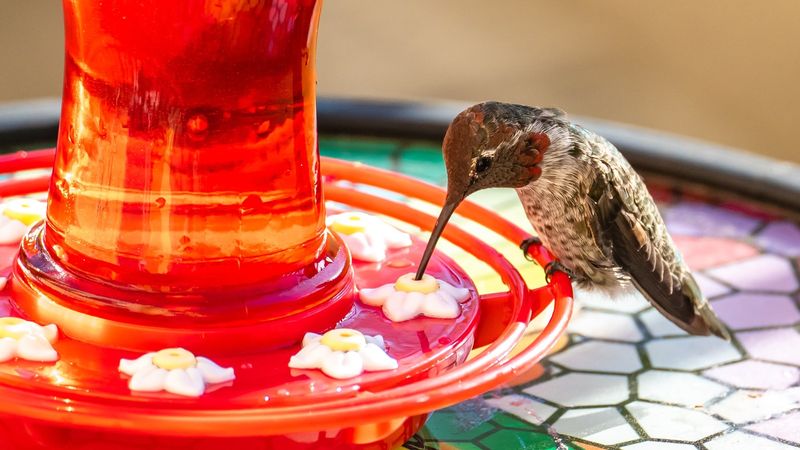
Southern autumn can stay hot well into October, so a weekly habit may leave nectar sitting too long. Warm days, direct sun, and a feeder that birds barely touch all call for a shorter wait.
For temperatures above 90°F, Clemson Extension recommends changing nectar daily. Audubon’s hot-weather advice is a bit broader, suggesting daily or every other day, so use the daily end of that range when the sun is strong.
The feeder study shows how advice shifts with conditions, recommending replacement every 12 to 24 hours in warm weather and every 48 to 72 hours in cooler weather. Its authors did not measure effects on hummingbird health, so read those intervals as sensible caution.
If your feeder is still half full after two days, that slow use is another reason to change it sooner.
Cloudiness or mold calls for a fresh start
Cloudy nectar is your signal to stop waiting. Clear sugar water turning hazy, stringy, or speckled means it is time to dump it, whatever day it is.
Audubon’s yard guide says to discard nectar that turns cloudy or shows mold, and to clean the feeder before refilling. Insects drowned in the liquid are another reason for a prompt cleanup.
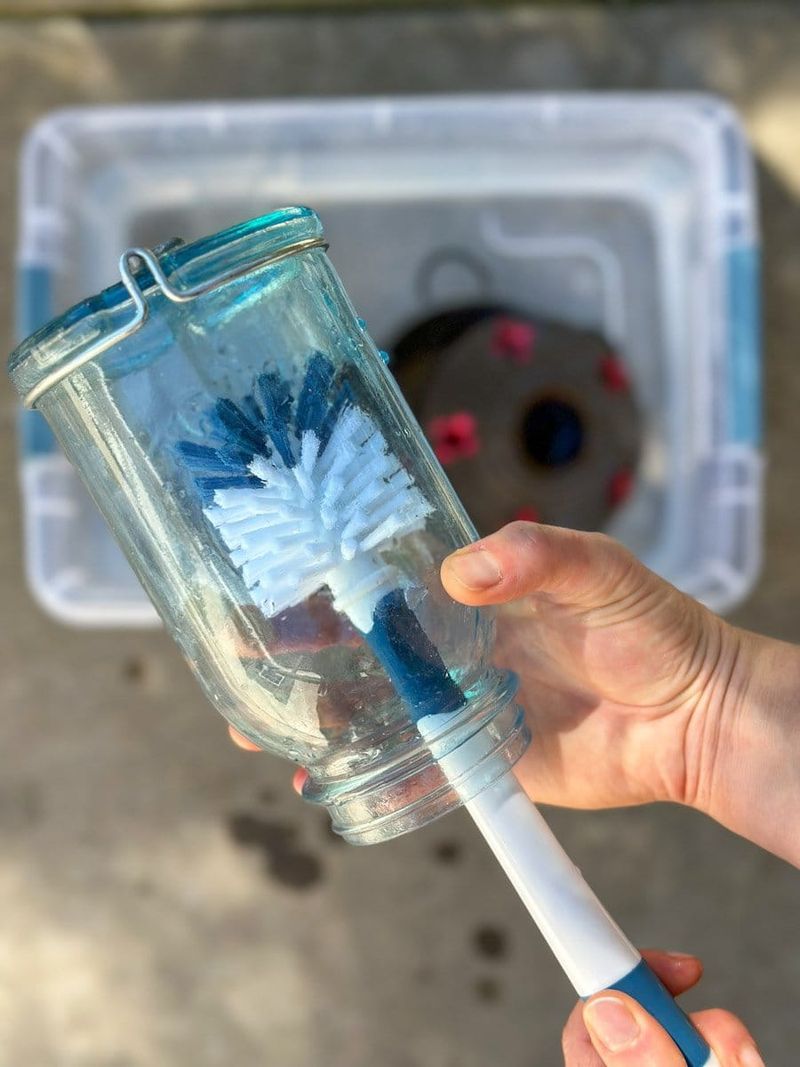
Clean the feeder every time you swap the nectar. Take it apart, then use a small bottle brush to reach ports and crevices, where residue likes to hide.
Rinse until no trace of cleaner or film remains.
Advice on cleaning agents varies. Audubon suggests hot water with hydrogen peroxide or a weak vinegar solution, and Cornell describes other options.
Scrubbing and thorough rinsing matter most. A grimy feeder does not prove a bird will get sick, but a clean one is the easy choice.
Small batches and shade make the routine easier
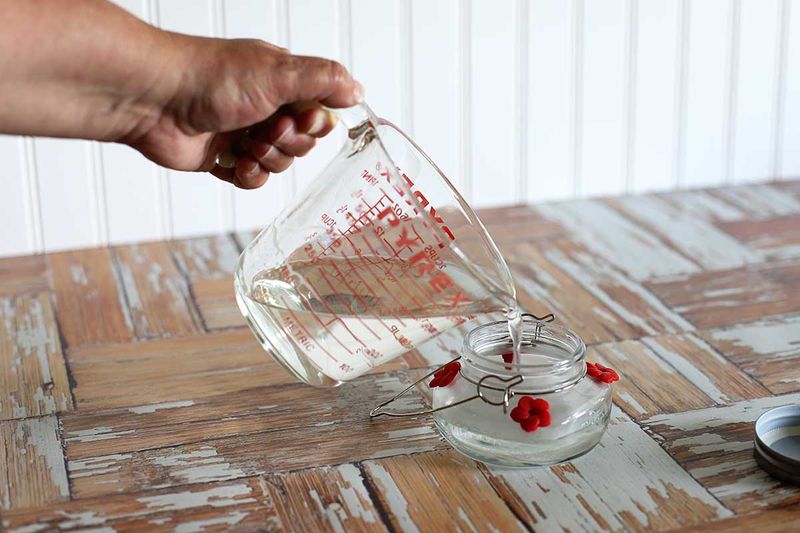
Mixing a little at a time keeps you from pouring leftover nectar down the drain. If only a few birds visit, a small feeder you can empty quickly beats a big one that sits for days.
Cornell recommends feeder sizes birds will empty quickly.
The standard homemade recipe is one part plain white granulated sugar to four parts water. For example, stir one-quarter cup of sugar into one cup of water.
Texas Parks and Wildlife gives similar guidance. Skip honey and red dye, and do not use sugar substitutes.
Boiling the mix is not a shortcut. It does not replace timely changes and cleaning, so keep to your schedule either way.
Finally, hang the feeder in shade. Audubon recommends shade, which helps slow spoilage on warm afternoons.
Keeping a feeder up does not delay migration
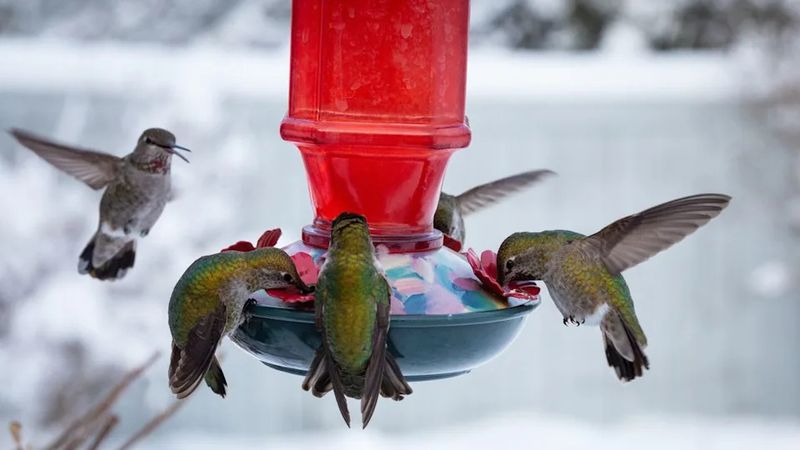
Plenty of people take feeders down in fall, worried they will keep birds from leaving. Both Cornell and Texas Parks and Wildlife say hummingbirds migrate on their own schedule whether feeders are out or not.
Not every hummingbird heads out of the South, either. Texas has wintering hummingbirds, and UF/IFAS reports some may stay in south Florida year-round.
Audubon also points to the Gulf Coast as a wintering area.
A common guideline is to leave your feeder up about two weeks after you last see a hummingbird, to help late travelers. That is a rule of thumb, not a date that fits every Southern yard, so go by the birds you actually see.
Let the weather set your fall routine
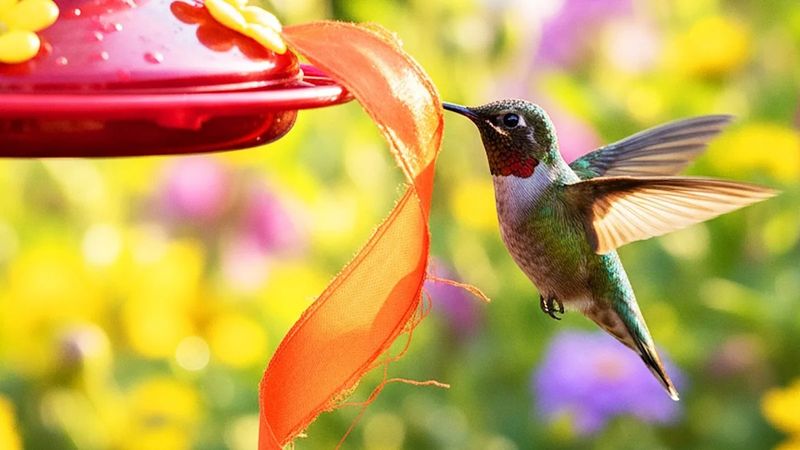
Start with a change-and-clean every two to three days, move to daily when it tops 90°F or the feeder sits in sun, and toss spoiled nectar at once. Keep the feeder available while hummingbirds are around, since taking it down will not trigger migration.
Fresh nectar is a small favor that travelers notice.