
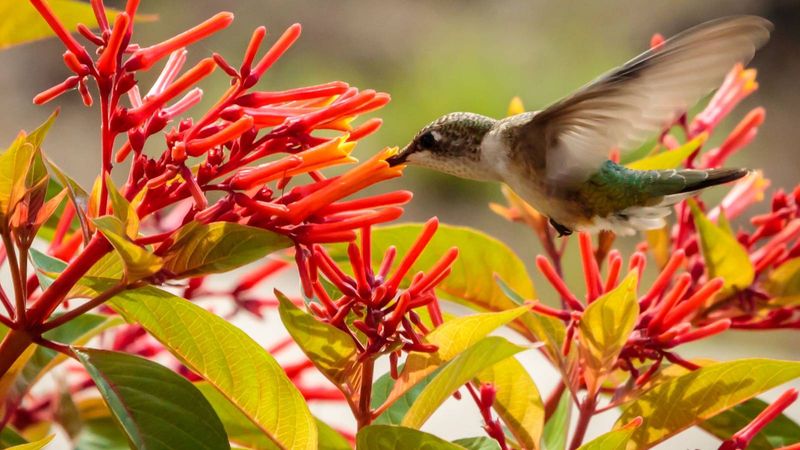
A hummingbird yard is more than a patch of flowers. Small branches and shrubs can give tiny birds a place to rest, watch, and hide.
One Florida shrub, firebush, can add blooms and some woody structure in the right spot. Here is how to use it wisely, without expecting any single plant to do all the work.
Perches can help, but they may not explain an empty yard
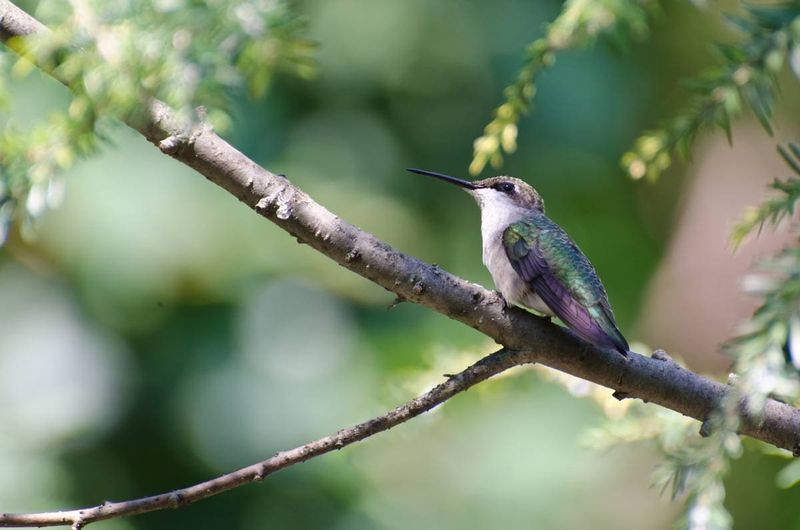
Plenty of headlines blame an empty yard on a missing perch. That goes too far.
Nobody has shown that a lack of perches is the common reason hummingbirds skip a particular yard.
Perches and cover are still smart habitat features. Audubon’s hummingbird yard guidance suggests leaving small branches for perching and keeping shrubs and small trees for protective cover.
Texas Parks and Wildlife also recommends perching trees alongside flowers and water.
So think of woody plants as one piece of a better yard, not a cure for a single proven problem. Adding them may improve conditions for hummingbirds, but it cannot promise a visit.
If your yard has been quiet, a few extra branches and shrubs are a reasonable, low-risk step, as long as you keep the bigger picture in mind.
Hummingbirds need food as well as places to land
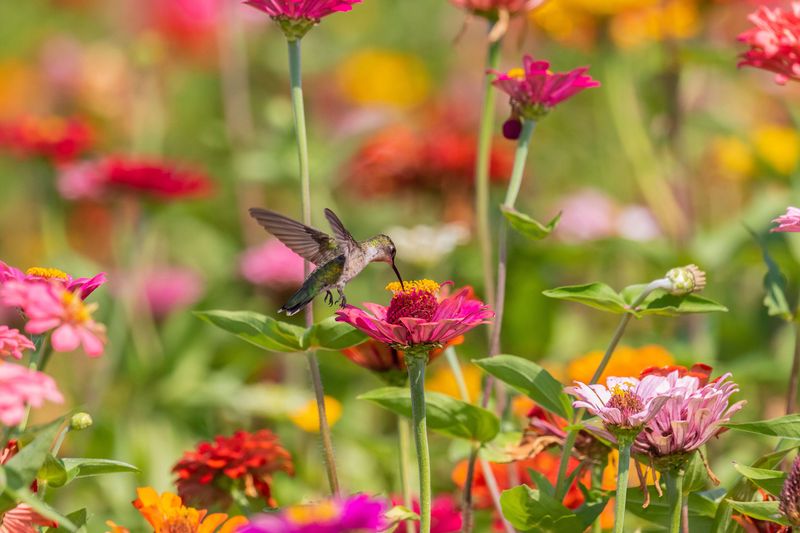
Flowers fuel a hummingbird’s busy days, but nectar is only part of the menu. According to Cornell Lab life history details, these birds also eat small insects and spiders.
That means a shrub or perch cannot stand in for blooms. Nectar is a major energy source, and woody cover works alongside it rather than replacing it.
A well-rounded yard has three layers. First, blooming plants that offer nectar through the warm months.
Second, leafy, untidy vegetation where insects and spiders can live. Third, some nearby branches or shrubs where a bird can rest and watch.
Audubon’s yard advice points the same direction, combining food plants with cover instead of relying on one feature. Picture a hummingbird zipping from a flower to a twig, then picking a tiny insect off a leaf.
Each stop depends on a different part of your planting.
Firebush offers flowers for suitable Florida yards
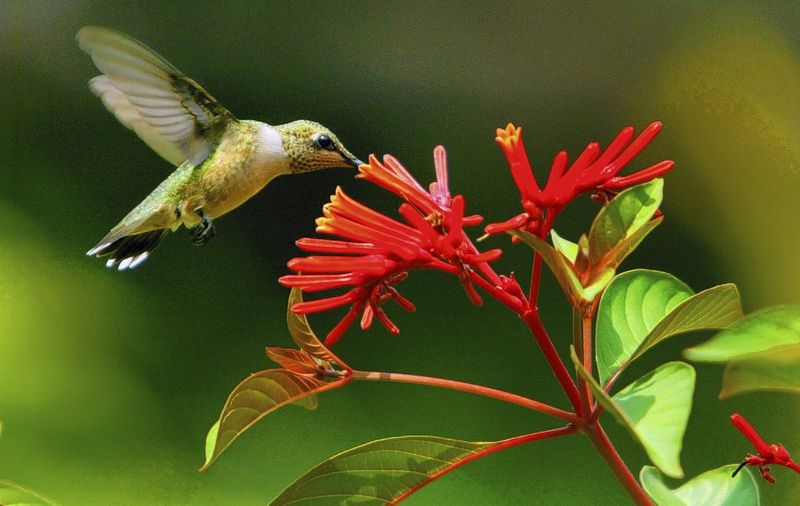
Firebush (Hamelia patens) is a flowering shrub worth a look in suitable parts of Florida. UF/IFAS Gardening Solutions describes its orange-red tubular flowers as attractive to hummingbirds, and notes that it blooms for months.
That long bloom period is the practical payoff. A shrub that keeps flowering can offer nectar over a long stretch, while its branches add some woody structure to the yard.
The UF/IFAS Hillsborough County extension blog also includes it among Florida plants for attracting hummingbirds.
Keep expectations grounded, though. Firebush is one food source, not a full habitat, and no plant can guarantee visits.
Use it alongside other nectar plants, leafy growth for insects, and additional cover for a stronger yard.
Check local conditions before planting firebush
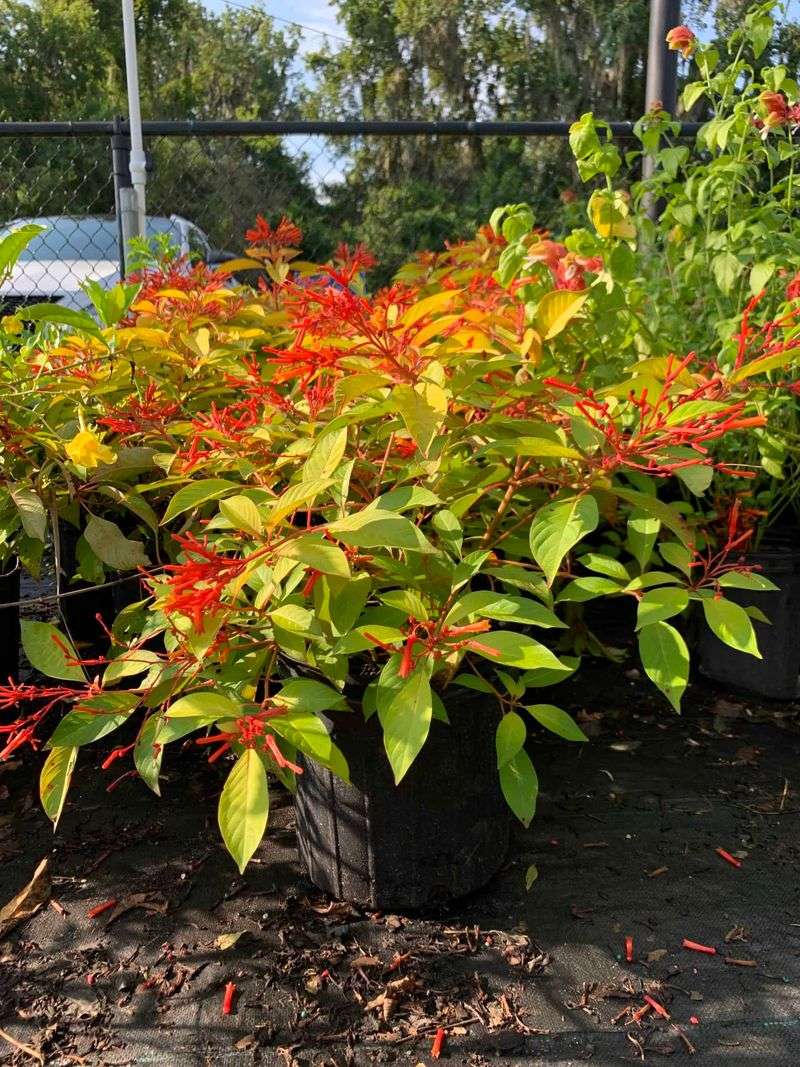
Before buying a plant, match it to your spot. UF/IFAS reports that firebush tolerates heat and drought once established.
Mature size and cold response vary by location, so leave room for growth.
In northern Florida, plants can freeze back after a hard freeze. Firebush is also native in South Florida, according to the Hillsborough County extension blog, so avoid calling it native statewide.
Texas and other Southern readers should not assume firebush is the answer. A Texas Parks and Wildlife hummingbird report recorded birds feeding, resting, or seeking cover in many plant species.
It says those observations cannot establish plant preference.
Your best move is to choose vegetation suited to your region, soil, and winter lows. A local extension office or native plant nursery can point you to good options.
Combine flowers, cover, and insect-friendly care
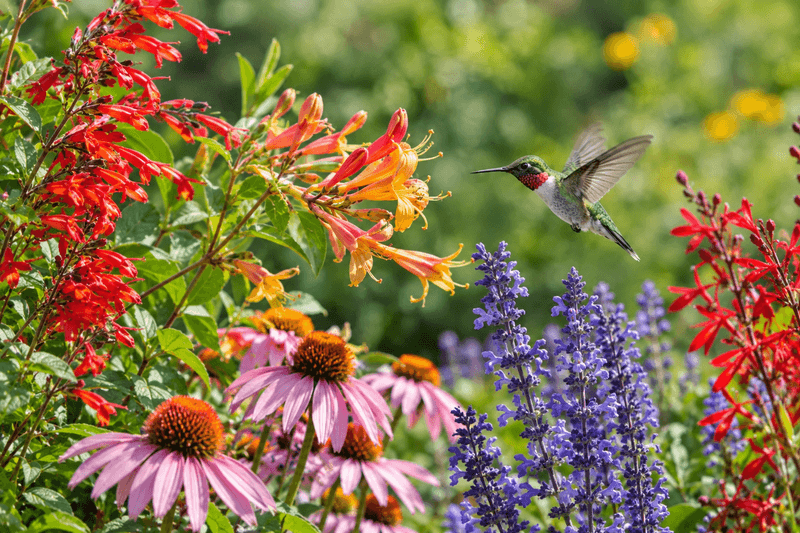
A stronger plan pairs locally suited flowering plants with nearby woody cover. Keep some small branches and shrubs, as Audubon suggests, so birds have places to rest.
Go easy on pesticides. Hummingbirds eat insects, and Audubon cautions that pesticides can harm birds and other wildlife.
Letting some insects live in your garden protects part of their food supply.
Feeders are optional. If you use one, mix plain white sugar and water at a 1:4 ratio, as U.S.
Fish and Wildlife Service guidance advises. Skip red dye and honey.
Change the nectar often and clean the feeder regularly. Cornell’s feeding advice matters most in hot weather, when nectar spoils faster.
Even a suitable yard can have quiet stretches
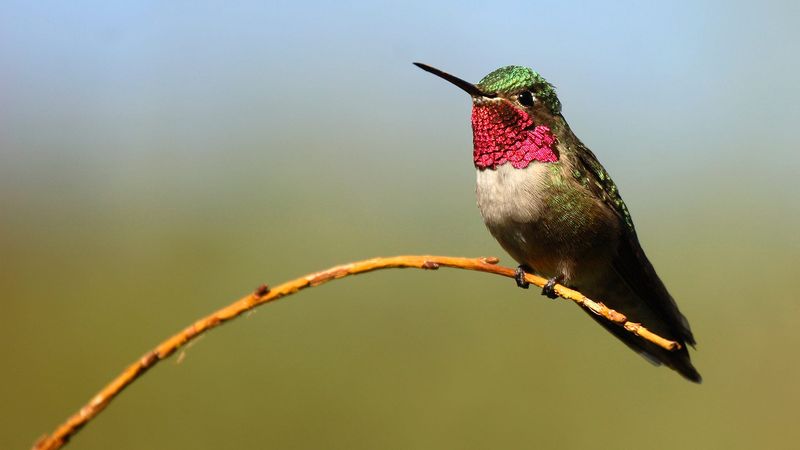
Some quiet weeks are normal. Hummingbirds come and go with the seasons, and Ruby-throated Hummingbirds migrate, as shown on the Cornell range map.
In Texas, Texas Parks and Wildlife lists a spring migration window of roughly late March to mid-May for much of the state. That timing will not match every Southern yard, so check local sightings.
Behavior matters too. Male Ruby-throated Hummingbirds defend flowers and feeders, per Cornell life history notes.
One bold male can chase others away, so you may see fewer birds at once.
All of this returns to the corrected idea. Better habitat may help, but sightings stay uncertain.
A yard can be well planted and still look empty on a given afternoon.
Choose one locally suited improvement
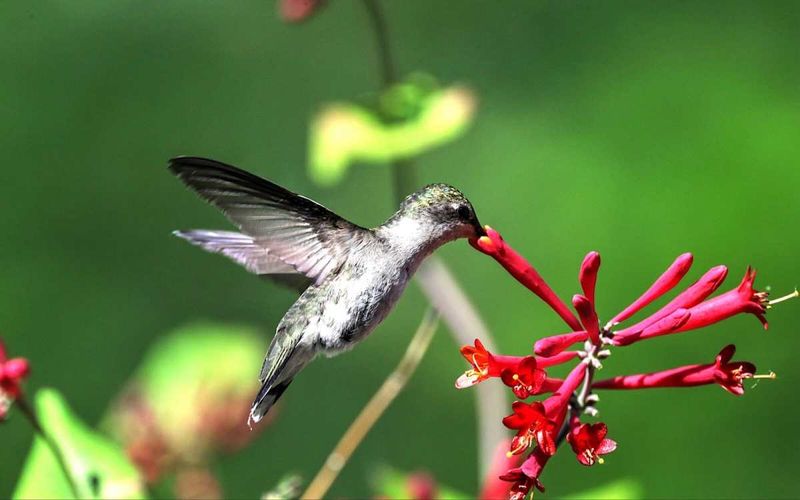
Start with a quick walk around the yard. Look for blooms, leafy plants that support insects, and branches or shrubs close by for perching and cover.
Whatever is missing becomes your next project.
If that gap is a flowering shrub and you live where it suits, firebush is one option. UF/IFAS can help you check size and growing needs first.
Elsewhere, pick a plant suited to your own region.
Habitat advice like Audubon’s yard guide works best as a package of food, cover, and insect-friendly care.
A hummingbird may or may not show up this season, but a thoughtful yard gives it a fair chance to stop by.