
Chewed, brown patches in a North Carolina lawn in late summer can send anyone hunting for a quick fix. Fall armyworms are often the cause, and they can do real damage fast.
Native plants like American beautyberry are great for wildlife, but they are a different job from pest control. Here is how to check your lawn first, then plan a planting that feeds birds.
Beautyberry is a wildlife choice, not an armyworm treatment
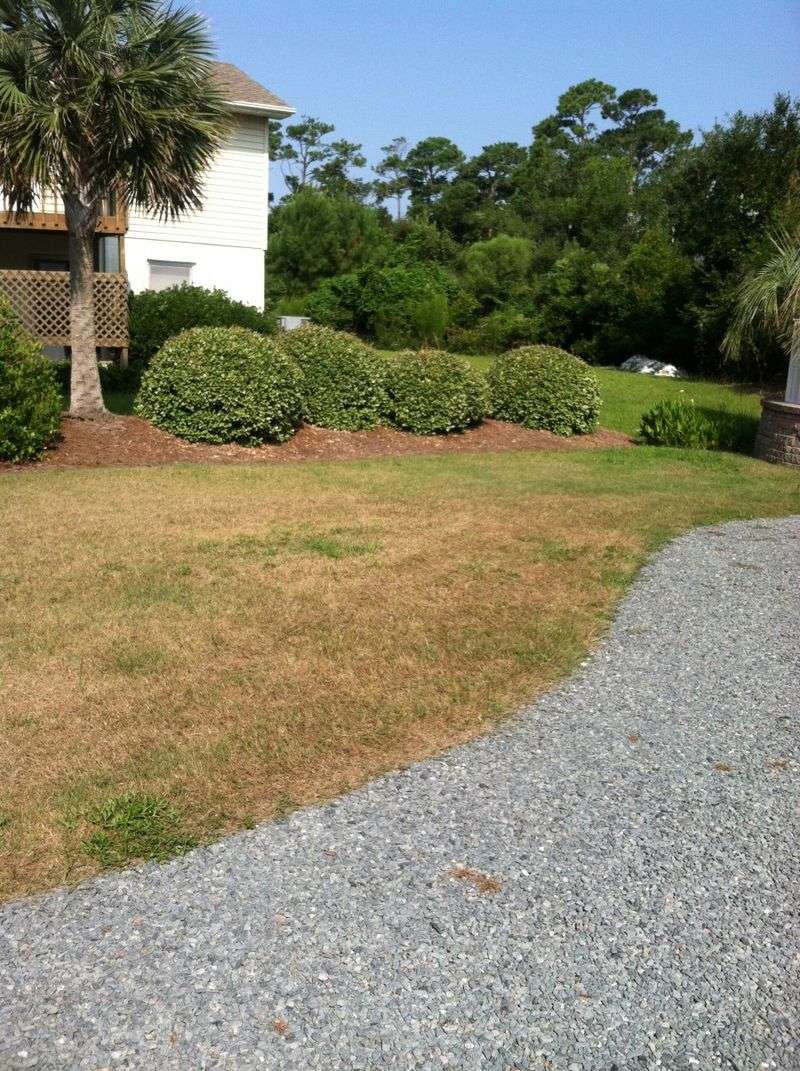
Brown patches showing up almost overnight deserve a close look. Fall armyworms can damage several turf grasses, and NC State Extension turf guidance says they feed for roughly 2 to 3 weeks in North Carolina.
Newly installed sod is especially susceptible.
Outbreaks can move quickly. Large larvae may strip the available leaf blades before they pupate, so waiting and hoping is a gamble when the damage is spreading.
Here is the honest picture on native shrubs. A planting like American beautyberry can support wildlife, and that is a fine reason to put one in your yard.
But no source we reviewed shows that planting one will bring in enough songbirds to stop an active lawn infestation. NC State also notes that natural enemies often keep armyworms in check but may fail when populations are large.
So treat these as two separate projects. First, learn whether larvae are really present and how big they are.
Second, plan a native planting for birds on its own timeline. The sections ahead walk through the lawn check, the size question, and then how beautyberry fits into a bird-friendly yard.
Nothing here is meant to shame anyone who weighs treatment. Protecting a lawn is a reasonable goal, and good information makes that choice easier.
What the bird evidence does—and does not—show
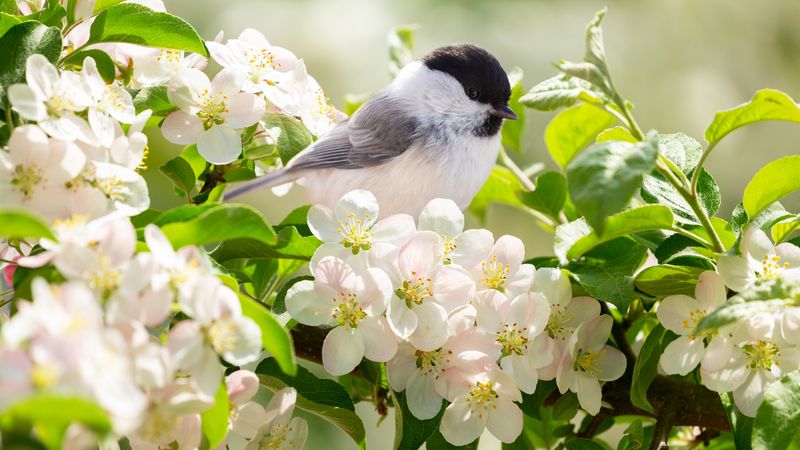
Birds do eat fall armyworms. A USDA Agricultural Research Service study found that birds ate the caterpillars and preferred larger, non-parasitized larvae over smaller parasitized ones.
The authors suggested birds may aid biological control in some situations.
That study used captive birds. It was not a field trial, and it did not test whether birds protect residential lawns from outbreaks.
It tells us what birds will eat when offered armyworms, not how many birds will show up in your yard or how much damage they would prevent.
A second body of research looks at native plants and bird habitat. For example, a study by Narango, Tallamy, and Marra found that native plants improve breeding and foraging habitat for an insect-eating bird.
That is good news for backyard wildlife.
Put the two together and you get a tempting story: plant a shrub, attract birds, lose the armyworms. Nobody has tested that chain.
No source we found shows a beautyberry-to-bird-to-lawn-control effect.
The practical meaning is simple. Native plants are worth growing for the birds themselves.
Just do not count on them as your armyworm plan, especially when damage is already underway.
Check the lawn before choosing a response
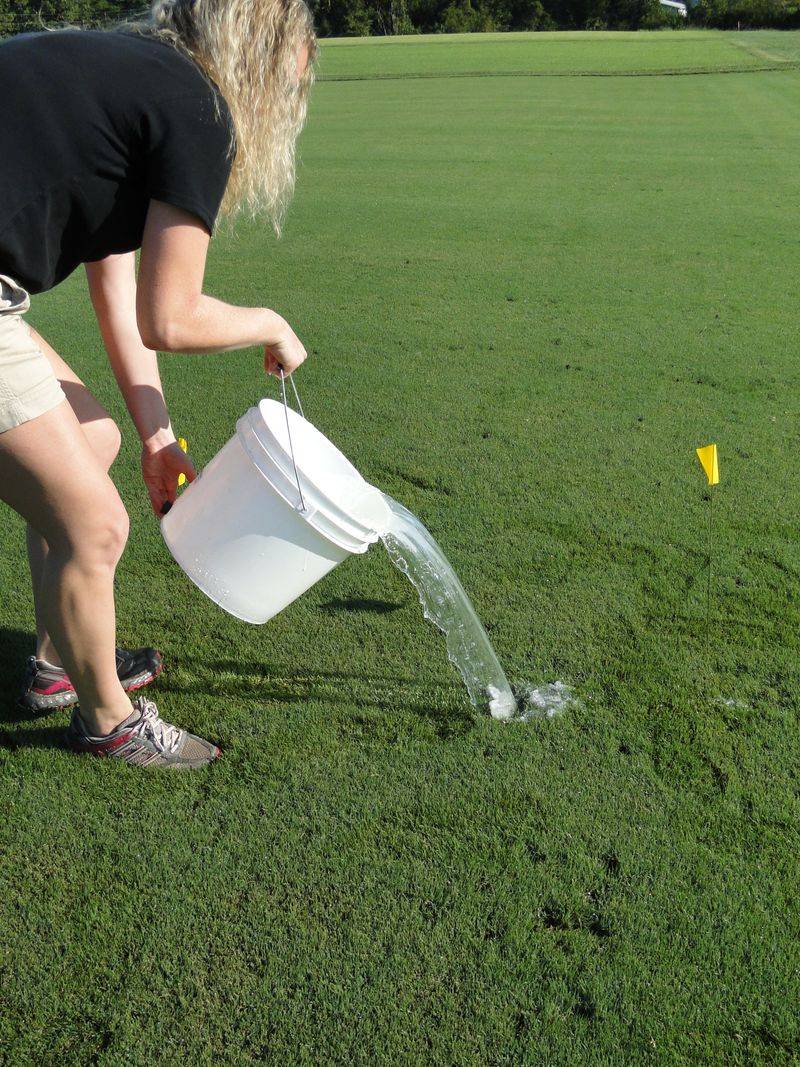
Guessing at the cause of lawn damage can waste time and money. A soapy-water flush gives you a quick way to see whether caterpillars are hiding in the turf.
The method comes from NC Cooperative Extension in Nash County.
Mix 1 to 2 tablespoons of liquid dish detergent into 1 to 2 gallons of water. Pour it over about one square yard of healthy-looking turf, near the edge of the damaged area rather than in the dead center.
Then watch the spot for 5 to 10 minutes. Any larvae in the grass should wiggle up to the surface where you can see them.
Remember what this test does. It helps confirm that larvae are present.
It does not treat them, and it does not give you a universal number that says when to act. Try a few spots across the lawn, since caterpillars can be patchy.
If nothing surfaces, the damage may have another cause, and your local Extension office can help you sort that out. If larvae do appear, note how big they are, because that detail matters in the next step.
Larva size matters when considering treatment
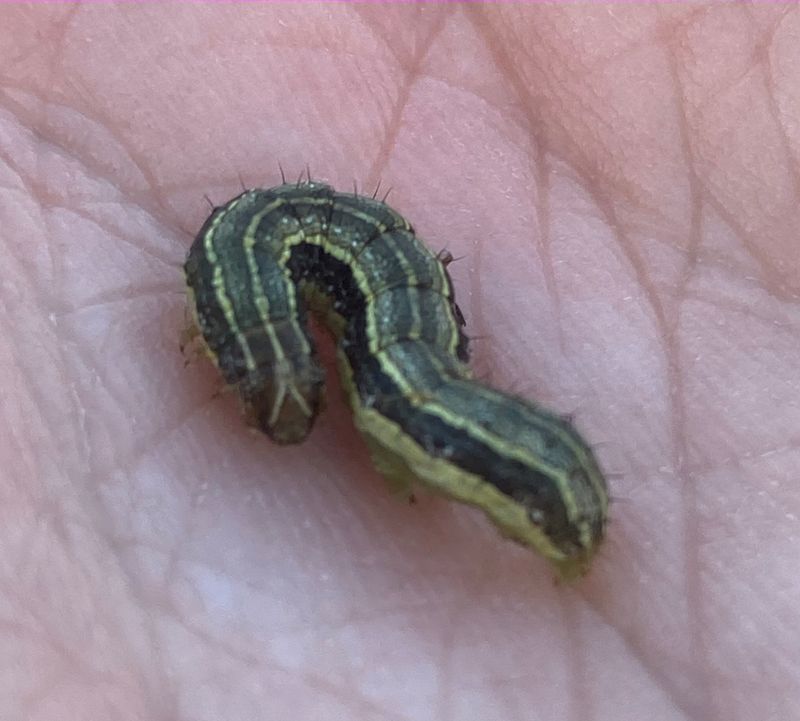
Finding larvae is only half the question. Size can decide whether a treatment is worth considering at all.
NC State says insecticides are generally ineffective against large larvae, which may be close to finishing their feeding and pupating.
Its turf guidance focuses control on smaller larvae. The NC State Fall Armyworm Management Guide, updated in February 2026, is a good place to see how that timing works in practice.
A practical example: if your flush turns up mostly tiny caterpillars, you may have a window to talk with Extension about options. If the caterpillars are fat and large, a product may do little, and the lawn may recover on its own after they pupate.
You may see a threshold of 3 larvae per square foot mentioned in Extension material. That figure comes from pasture and forage guidance, and it has not been validated for home lawns, so do not use it as your trigger.
If you consider treatment, contact your county Extension office for current local advice. Then read the product label closely.
The EPA says to follow all label requirements, which include site approval, directions, and precautions. This article does not name a product or rate on purpose.
American beautyberry provides fall fruit for birds
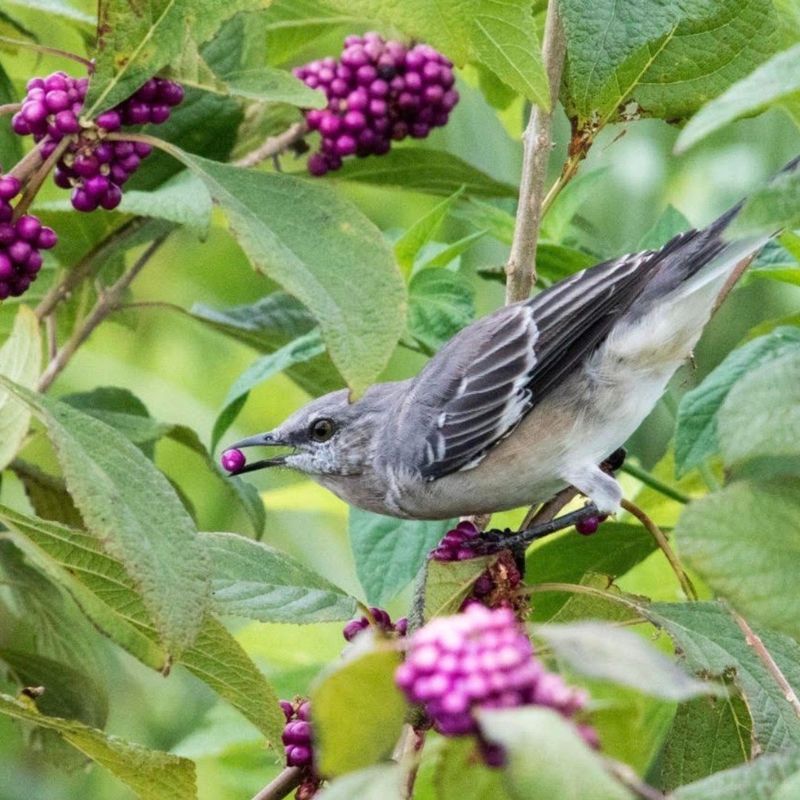
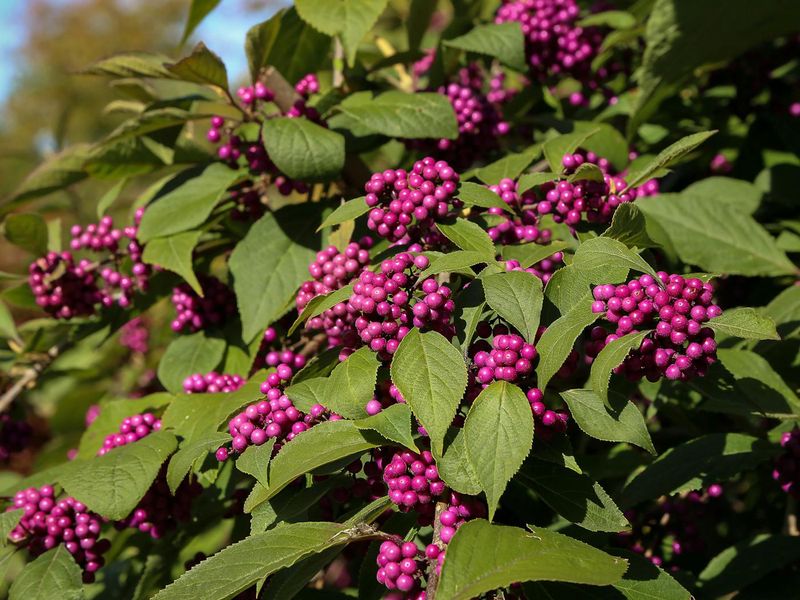
Few native shrubs are as eye-catching in early fall as American beautyberry (Callicarpa americana). According to the NC State Extension Gardener Plant Toolbox, it is native to North Carolina and listed for all three regions: mountains, Piedmont, and coast.
It grows about 3 to 8 feet tall and does well in sun or partial shade. Its purple fruits show up roughly August through October and may linger into winter.
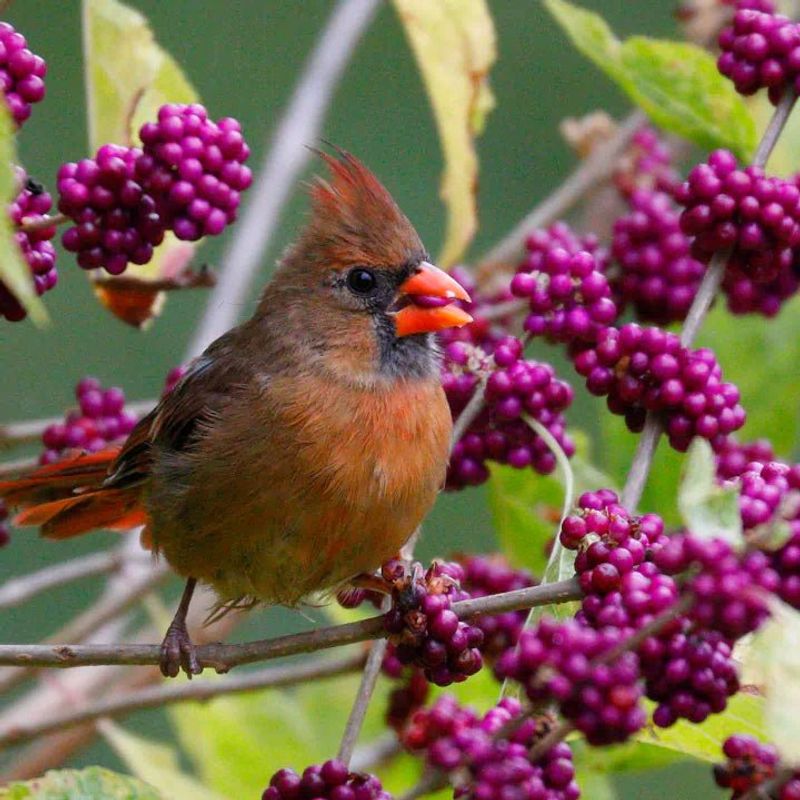
Songbirds eat those berries, including robins, brown thrashers, purple finches, and eastern towhees. That makes it a handy choice for a yard where you want fall food close to a window.
Here is the part worth getting straight. Fruit is the documented draw.
NC State’s guidance on managing backyards for birds notes that birds turn to fruit and seeds as cooler weather arrives and insect numbers decline.
In other words, the shrub offers food when bugs are getting scarce. It is not a proven armyworm-control service, and it should not be planted with that expectation.
Plant beautyberry for habitat and plan for establishment
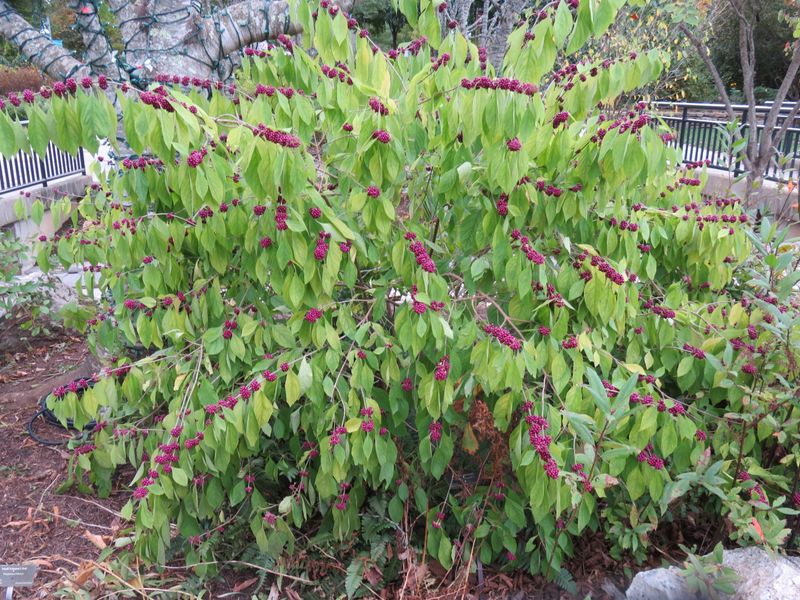
Timing helps a new shrub get off to a good start. NC State Extension recommends fall planting for most native plants because North Carolina summers are hot.
Cooler air and warmer soil let roots settle in before the next growing season.
Water the new plant regularly while its roots establish. A deep soak is better than frequent sprinkles, and a layer of mulch can help hold moisture.
Choose a spot with sun or partial shade, and leave room for a shrub that can reach 8 feet. Putting it where you can watch from a porch or kitchen window makes the payoff easier to enjoy.
Patience is part of the plan. Extension notes that wildlife use of a new planting may take three to five years to become obvious.
Mixing in other natives can build a fuller habitat, as the backyard bird habitat guidance describes.
Think of this as a long-term habitat project. It stands apart from any armyworm response and should be judged on its own terms.
Make the lawn decision and planting decision separately
Start with the lawn. Do a soapy-water flush, note the size of any larvae, and check current NC State turf guidance and your county Extension office before deciding on any response.
Then, on a separate track, plant American beautyberry for what it is known to offer. The NC State Plant Toolbox lists it as a native shrub with fall fruit that songbirds eat.
Your lawn gets a plan based on facts, and your yard gets a berry feast for the birds.