
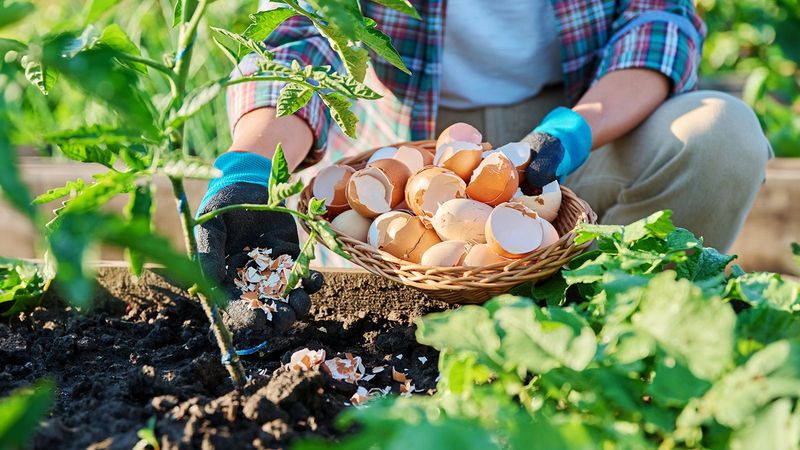
Every morning, a handful of eggshells or coffee grounds lands in the trash without a second thought. That little pile could be quietly feeding next spring’s tomato bed instead.
In the South, where fall is a real growing season and soil gets worn out fast by heat and heavy rain, autumn is the perfect time to start. Here is how one everyday kitchen scrap can help your tomatoes grow stronger roots and better fruit.
1. Why Eggshells Belong in Your Fall Beds
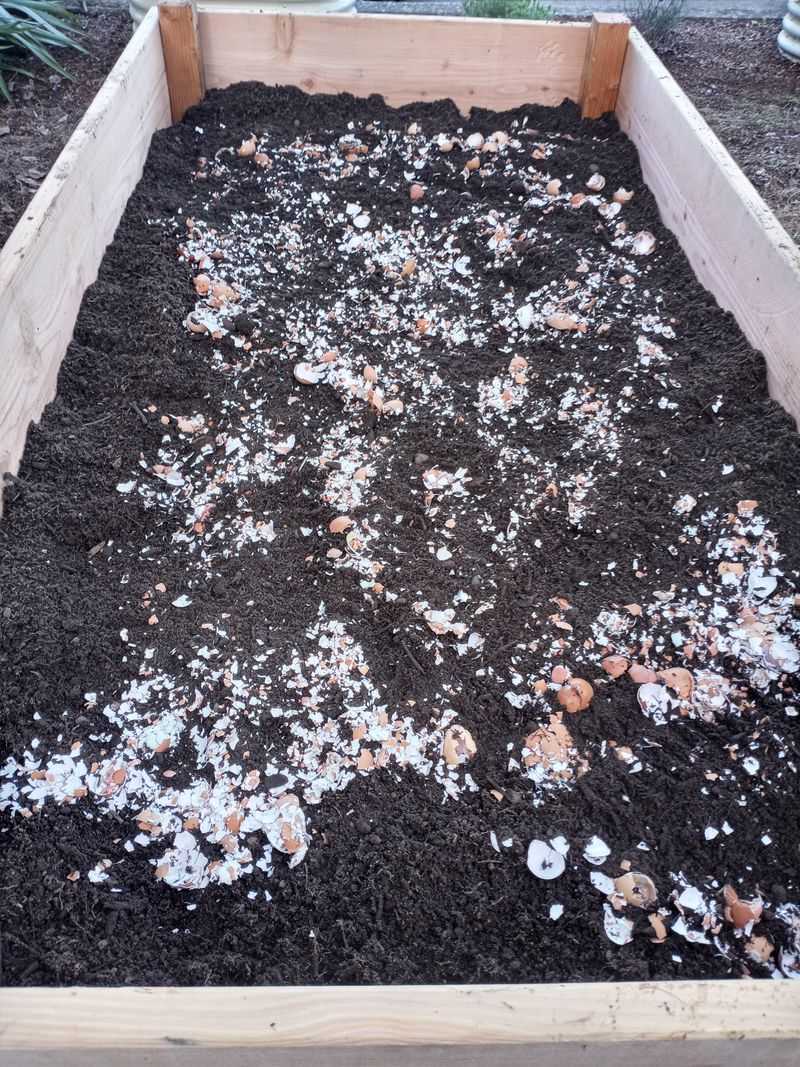
Picture a bowl of cracked eggshells on the counter after Sunday breakfast. Most folks scrape them straight into the garbage, but each shell is mostly calcium carbonate, the same mineral found in garden lime.
Tomatoes need steady calcium to build healthy fruit walls.
Calcium does not move quickly in soil. Shells break down slowly, often over several months, which is exactly why fall is the smart time to add them.
Tossing them in now gives soil microbes the cool season to work on them before transplants go in.
Gardeners in Florida and Texas get an extra edge here. Your fall and winter are mild enough that soil life stays active, so the breakdown keeps moving while northern beds sit frozen.
A bed that gets shells from October through January may be noticeably better prepared by a February or March planting date.
Shells will not fix every problem on their own. Think of them as a slow, steady deposit into your soil’s savings account rather than an instant cure.
Paired with compost and good watering habits, they can help set the stage for sturdier tomato plants. Best of all, the price is zero, since you were already buying the eggs anyway.
2. The Blossom End Rot Connection
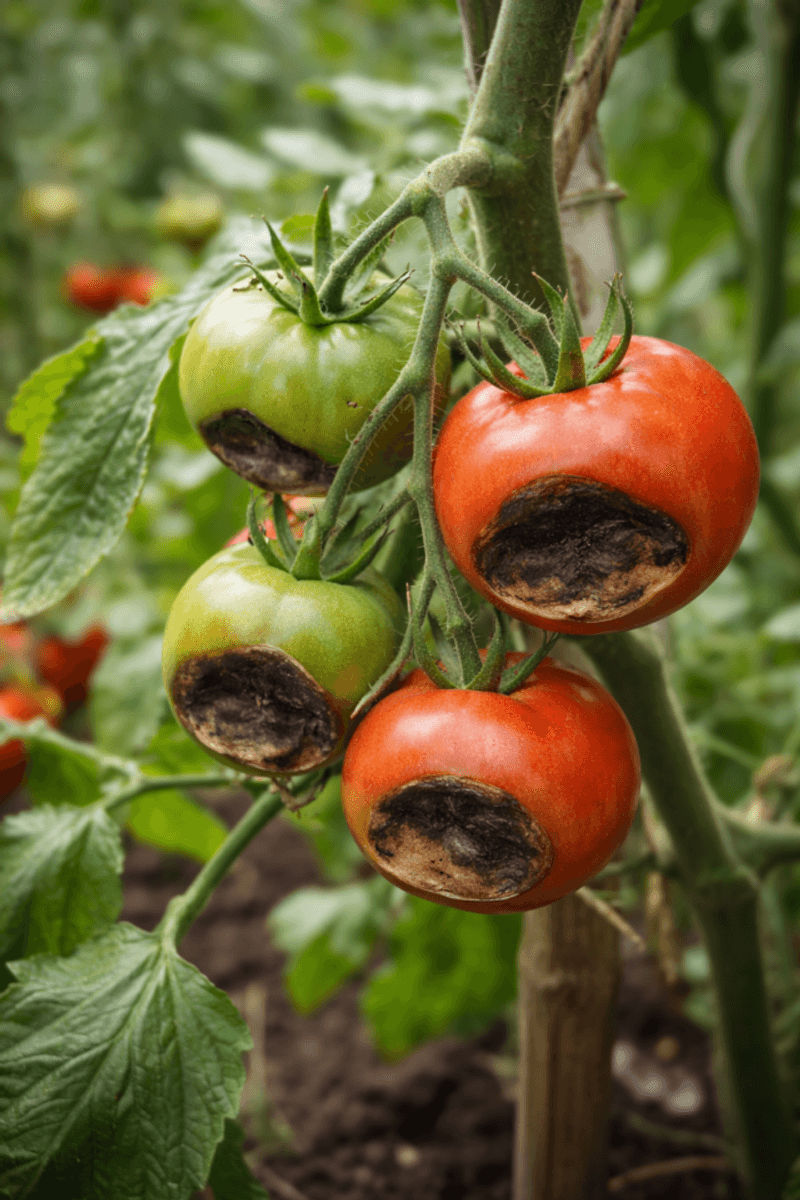
Nothing stings quite like flipping over a ripening tomato and finding a leathery black patch on the bottom. That ugly spot is blossom end rot, and it shows up in Southern gardens every single summer.
It is tied to calcium not reaching the developing fruit.
Here is the twist many gardeners miss. Often the soil already holds enough calcium, but uneven watering stops the plant from pulling it up.
Hot Texas afternoons followed by soaking storms create exactly the stop-and-start moisture that triggers the problem.
So where do eggshells fit? Building calcium reserves ahead of time can reduce the chance of a true shortage, especially in sandy Florida soils that leach nutrients quickly.
Shells added in fall may help cover that base while you focus on consistent watering in spring.
A simple routine works well. Mix crushed shells into beds now, mulch heavily to hold moisture, and water deeply on a regular schedule once tomatoes set fruit.
Rescue for already-rotted tomatoes is not possible, so just pick and toss them. Later fruit on the same plant often comes in clean once moisture evens out.
Prevention starts months early, and your breakfast leftovers can be part of that plan.
3. How to Prep Shells So They Actually Work
Big chunky shell pieces can sit in a garden bed for years looking almost brand new. Anyone who has dug up a perfect half-shell from last season knows the frustration.
Size matters a lot when it comes to how fast calcium becomes available.
Start by rinsing shells to remove leftover egg white, which can attract raccoons, possums, and flies. Let them air dry on a tray for a day or two.
For faster drying, slide them into a warm oven after baking something else.
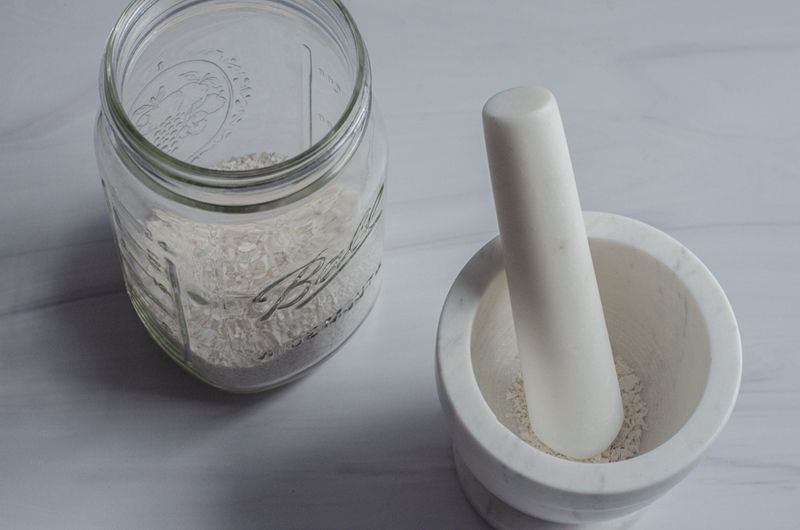
Next comes the fun part. Crush dried shells by hand for a coarse mix, or run them through an old coffee grinder or blender until they look like powder.
Fine powder offers far more surface area for microbes and soil acids to work on.
Store the powder in a lidded jar under the sink and keep adding through the fall. A family that eats a dozen eggs a week can collect a surprising amount by planting time.
Label the jar clearly so nobody mistakes it for flour.
Ground shells blend into soil evenly and disappear from sight. You get the benefit without the bed looking like a breakfast cleanup zone.
4. Where and How Much to Spread
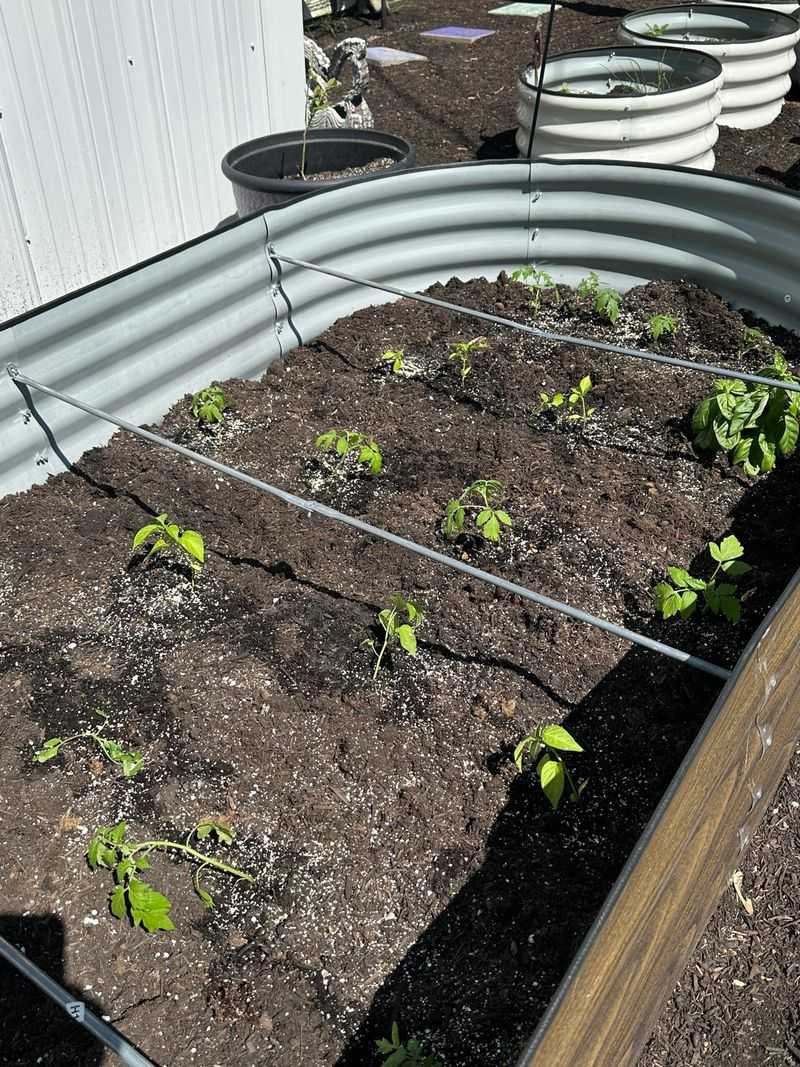
A good rule of thumb keeps things simple. Roughly a dozen eggs’ worth of ground shells works nicely for a single tomato planting spot, while a 4 by 8 foot raised bed can easily take a quart jar or two over the season.
Focus on the exact areas where tomatoes will grow next spring. Sprinkle powder across the surface, then scratch it into the top few inches with a hand rake or garden fork.
Deep digging is not needed and can disturb helpful soil life.
Plenty of Southern gardeners grow fall crops like lettuce, collards, or broccoli in the same beds. No problem at all.
Work shells in around those plants, since leafy greens also appreciate calcium, and the bed will already be enriched once you pull them for tomato season.
Overdoing it is hard because shells release so slowly. Still, a soil test from your county extension office is a smart move every couple of years.
Many Texas soils are already alkaline, and those beds may not need extra calcium at all. Florida’s sandy, often acidic ground tends to welcome it more.
A cheap test takes the guesswork out completely.
5. Pairing Shells With Your Compost Pile
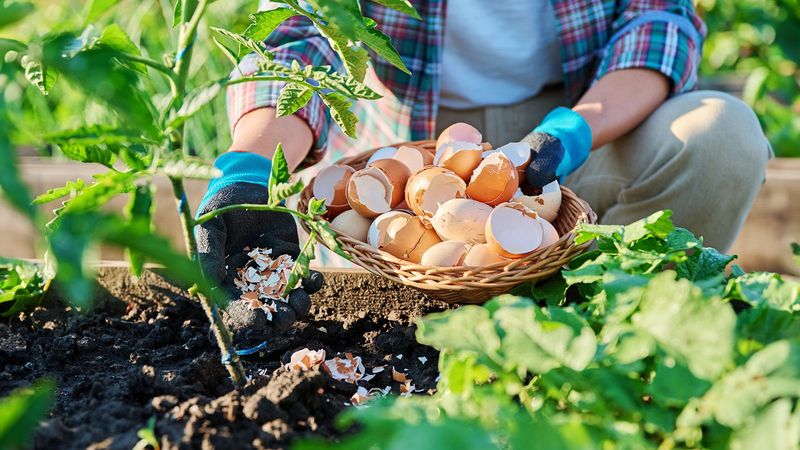
Compost piles in the South practically cook themselves. Long warm stretches keep the microbes busy, which makes a pile the ideal place to give eggshells a head start before they ever reach the tomato bed.
Toss crushed shells in alongside vegetable peels, coffee grounds, and fall leaves. Leaves are a gift this time of year, providing the brown, carbon-rich material that balances wet kitchen scraps.
A good mix often smells earthy rather than sour.
Coffee grounds deserve a quick mention as a teammate. They lean slightly acidic and add nitrogen, while shells lean alkaline and bring calcium.
Together they can help keep the pile balanced, and acids in active compost may speed up shell breakdown a bit.
Turn the pile every week or two and keep it about as damp as a wrung-out sponge. By late winter, much of that material can be ready to spread.
Mix finished compost into beds two to four weeks before setting out transplants.
You end up feeding tomatoes twice. Rich compost improves soil structure and water holding, and the calcium tagging along adds a bonus layer of support for fruit development come summer.
6. Myths Worth Clearing Up
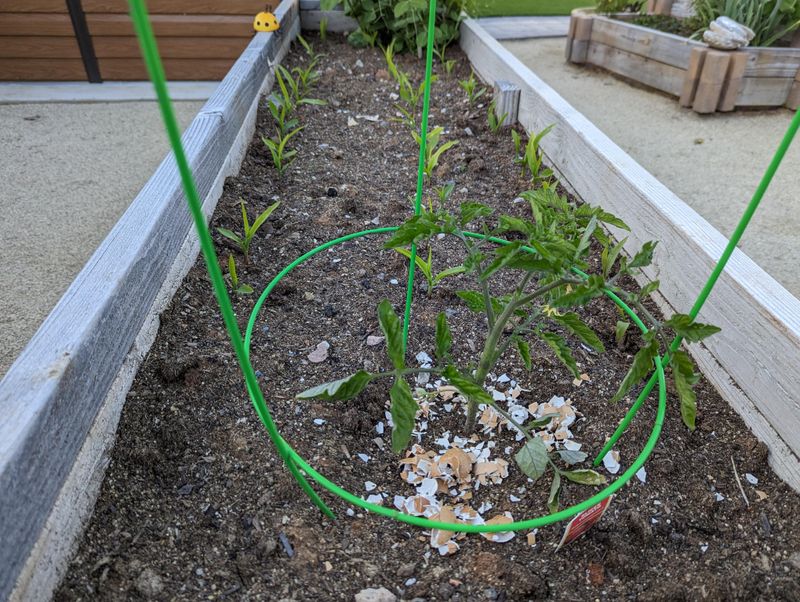
Ever heard that a ring of eggshells keeps slugs and snails away? It is one of the most repeated garden tips around, and sadly the results are mixed at best.
Some gardeners swear by it, but tests have shown slugs often crawl right over the sharp edges.
Another popular idea says dropping whole shells into the planting hole on transplant day will stop blossom end rot that same summer. Unfortunately, whole shells break down far too slowly to help a plant within weeks.
That is exactly why the fall head start matters.
Some folks also worry that shells spread salmonella. Rinsing and drying them makes that risk very low, and soil microbes handle the rest.
Baking them adds extra peace of mind for anyone concerned.
Finally, shells are not a full fertilizer. They offer calcium and a few trace minerals, but very little nitrogen, phosphorus, or potassium.
Tomatoes still need balanced feeding during the growing season.
Knowing what shells can and cannot do keeps expectations realistic. Used correctly, they are a helpful soil builder, not a magic shield.
That honest view saves gardeners from disappointment and wasted effort later.
7. A Simple Fall-to-Spring Timeline
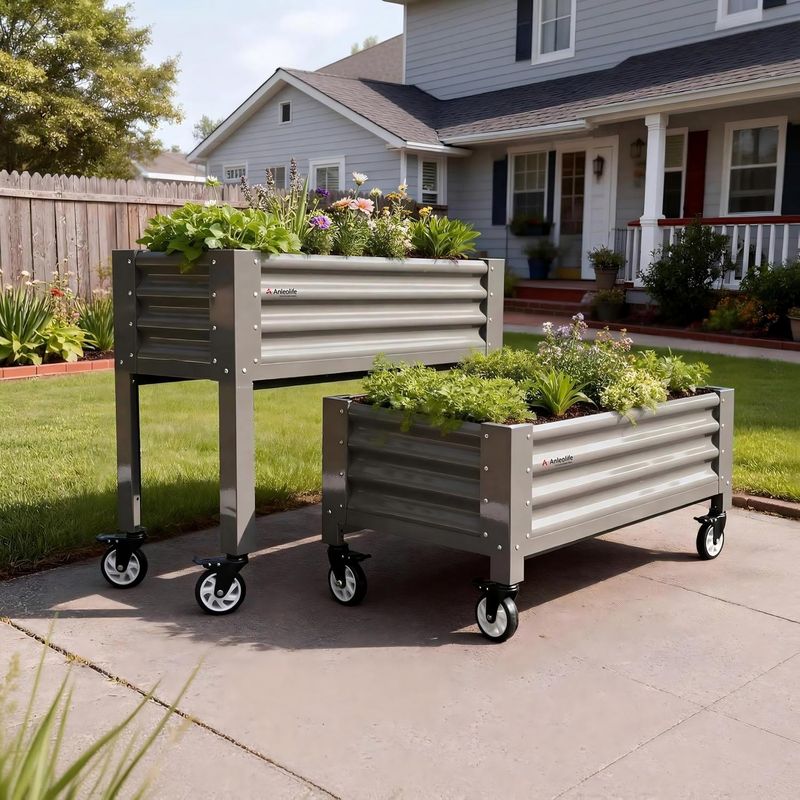
Mark your calendar, because timing turns a kitchen habit into real tomato results. Southern gardeners plant earlier than most of the country, so working backward from your transplant date makes the whole plan click.
October and November are collection months. Start your shell jar, rinse and dry as you go, and add crushed shells to the compost pile or straight into empty beds.
Rake in fallen leaves as a mulch layer to protect soil from heavy rain.
December and January keep the momentum going. Continue scratching powdered shells into tomato spots and turning compost.
In Central Florida and South Texas, this is also when to schedule a soil test before spring rush hits extension offices.
February brings the final prep for many Gulf Coast gardens, while North Texas growers often wait until March. Mix finished compost into beds a few weeks before transplanting, then mulch after planting to keep moisture even.
By May and June, the payoff can show up in sturdy stems and cleaner fruit. Results vary with weather and watering, of course.
Still, few garden upgrades cost nothing and start with something you were already throwing away every morning.