
Shady ground under big trees is hard to plant, and many North Carolina yards end up with Japanese pachysandra. It stays green and fills in fast, but it can also creep beyond the bed.
Allegheny spurge is a native cousin that grows in the same kind of dim spot. It works well in the right place, as long as you know what to expect.
Japanese pachysandra can escape, but North Carolina records are limited
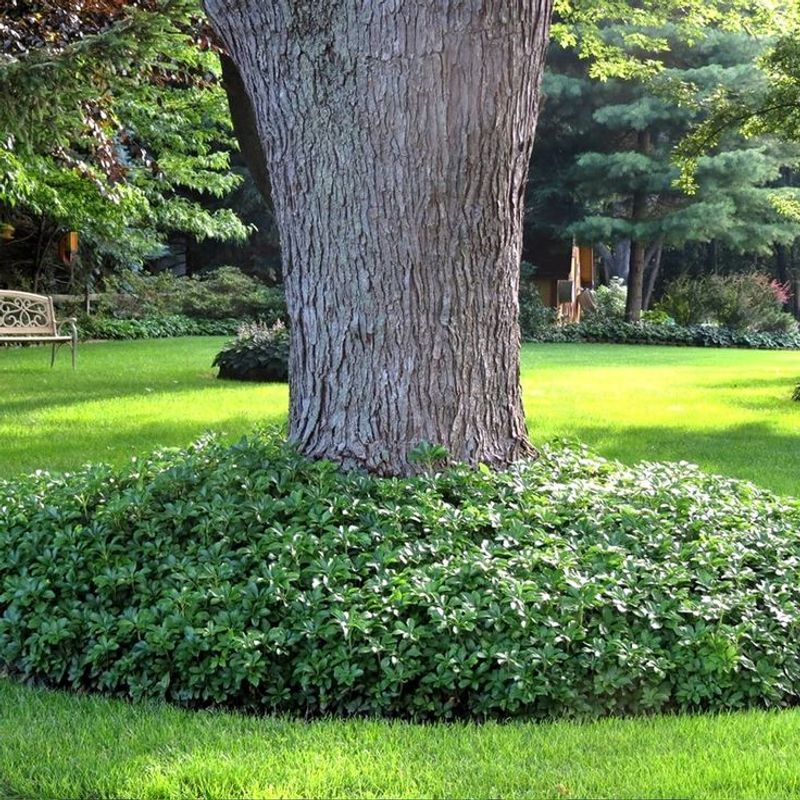
Japanese pachysandra spreads by underground stems, which is how it builds that thick green carpet. The same habit lets it travel.
A Pennsylvania DCNR fact sheet describes it colonizing forest and meadow edges, and it lists the plant as invasive in Pennsylvania, Virginia, and Washington, D.C.
North Carolina is a different story. The state’s vascular plant account shows only a few records considered adventive or naturalized here, alongside records from cultivated plants.
So there is no good reason to say it is taking over North Carolina woods.
The more accurate picture is a plant that can escape in some places and is worth watching. If your bed backs up to a natural area, a creek bank, or a wooded lot, that edge is where escape matters most.
Pulling runners that cross the bed line is a simple habit that keeps it in check.
That is the local reason to consider a different groundcover. It is a practical choice to make with your own site in mind, not an emergency.
Allegheny spurge is one option, and the next sections cover where it fits and where it does not.
Allegheny spurge offers a different kind of shade cover
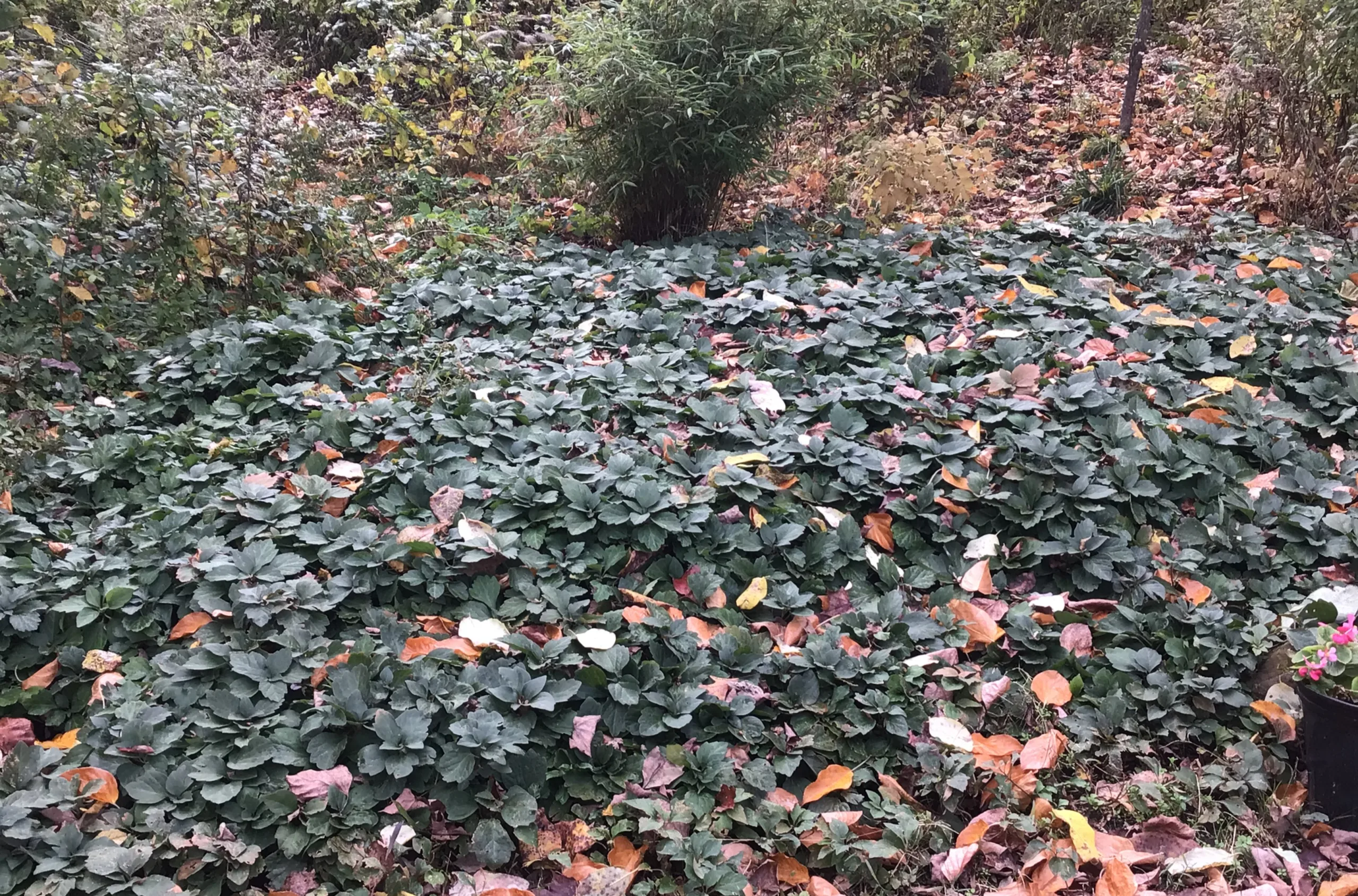
Think of Allegheny spurge as a cousin with its own personality, not a copy. According to NC State Extension, it grows in shade and can serve as groundcover under trees and shrubs.
Its leaves are often mottled, which gives the bed a softer, more woodland look.
The big difference is how it fills in. Clemson’s fact sheet describes it as clump-forming and suited to planting en masse, while Japanese pachysandra makes a denser, more uniform mat.
Georgia’s groundcover guide lists Allegheny spurge as slow-growing.
That means you will see more open spaces between plants, especially in the first few seasons. Some gardeners like that look because it feels like a forest floor.
Others want a solid green blanket right away, and this plant will not give them that.
It also spreads, though NC State describes it as not invasive and it is less aggressive than its Japanese relative. If you want a gentler plant and can accept gradual, patchy coverage, it is worth a look.
If you need fast, wall-to-wall green, it is the wrong tool.
Match it to a moist, shaded site
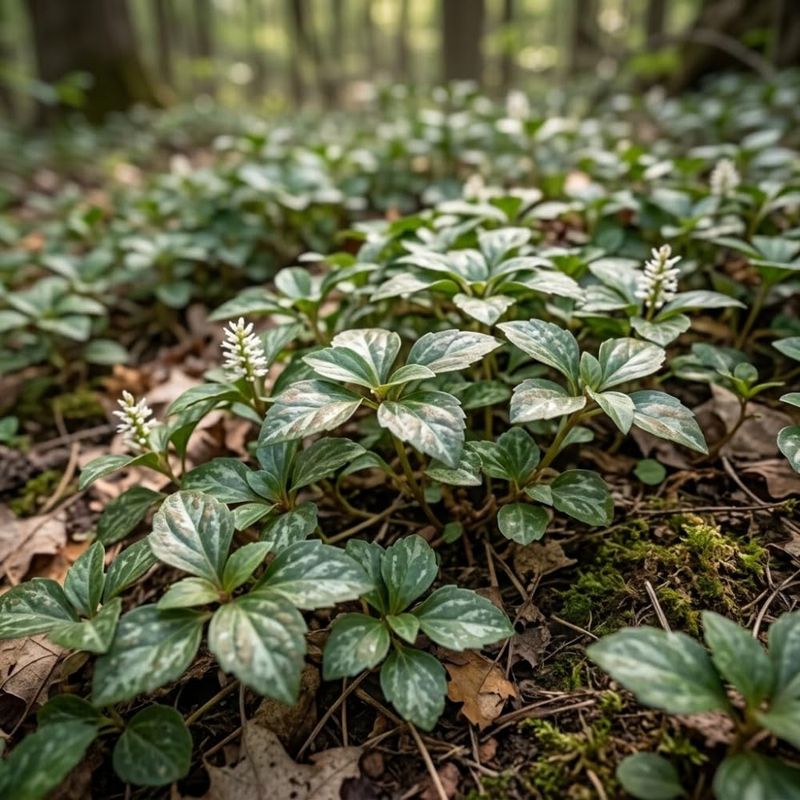
Before you buy anything, walk the bed and look at the light and the soil. NC State lists Allegheny spurge as suited to deep or dappled shade.
Its natural habitat is moist, rich woods, so it tends to do best where the ground holds some moisture and has plenty of leaf mold.
Squeeze a handful of soil a day or two after rain. If it crumbles into dark, loose crumbs and feels cool, that is a good sign.
If it is baked, sandy, or packed hard, the plant may sulk.
Dry shade is the usual trouble spot. Under a big maple or oak, roots take most of the water, and a bed can stay dusty even when the surface looks shady.
In that case, adding compost to the planting spots can help, but a very dry site may suit another plant better.
Beds under trees and shrubs on the north or east side of the house are often a better match than hot, west-facing spots. Heavy, soggy clay that stays wet for days is also a poor fit, since moist is not the same as waterlogged.
Plant small starts while protecting tree roots
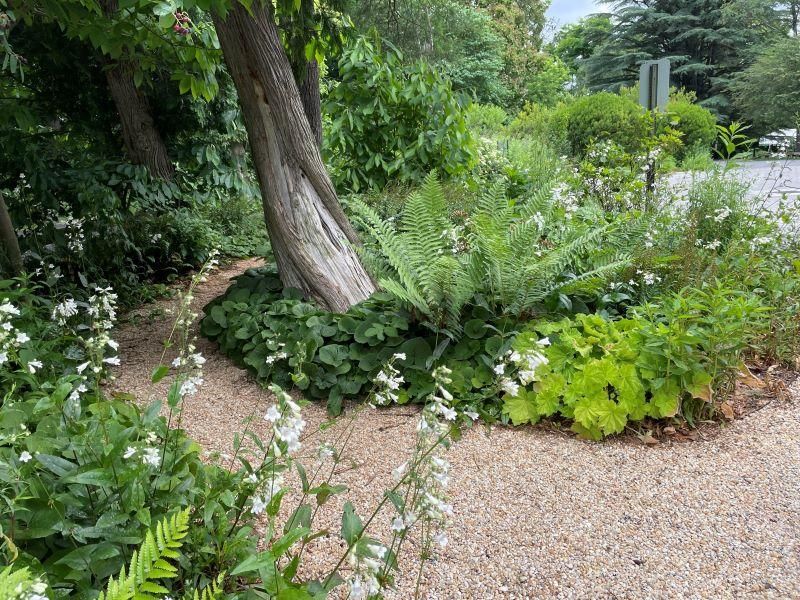
Small plants are the easiest to tuck in without harming the trees above them. Extension guidance on planting under trees notes that feeder roots of mature trees sit near the surface.
It advises avoiding major roots and leaving clear space around the trunk.
Use a hand trowel and dig small holes between roots. If you hit a thick root, move over a few inches rather than cutting it.
Keep mulch pulled back from the trunk so the base stays open.
NC State recommends spacing Allegheny spurge 6 to 12 inches apart. Closer spacing fills in sooner but costs more, and wider spacing saves money but leaves gaps for longer.
It also cautions against overwatering.
New plants need water while they settle in. Georgia’s groundcover guidance is a reminder that soil, shade, rainfall, and root competition vary from yard to yard, so no single schedule fits every bed.
Instead of a calendar, check the soil with a finger. If the top inch or two is dry, water.
If it is damp, wait. A soggy bed is a bigger risk than a slightly dry one.
Expect gradual coverage and variable winter foliage
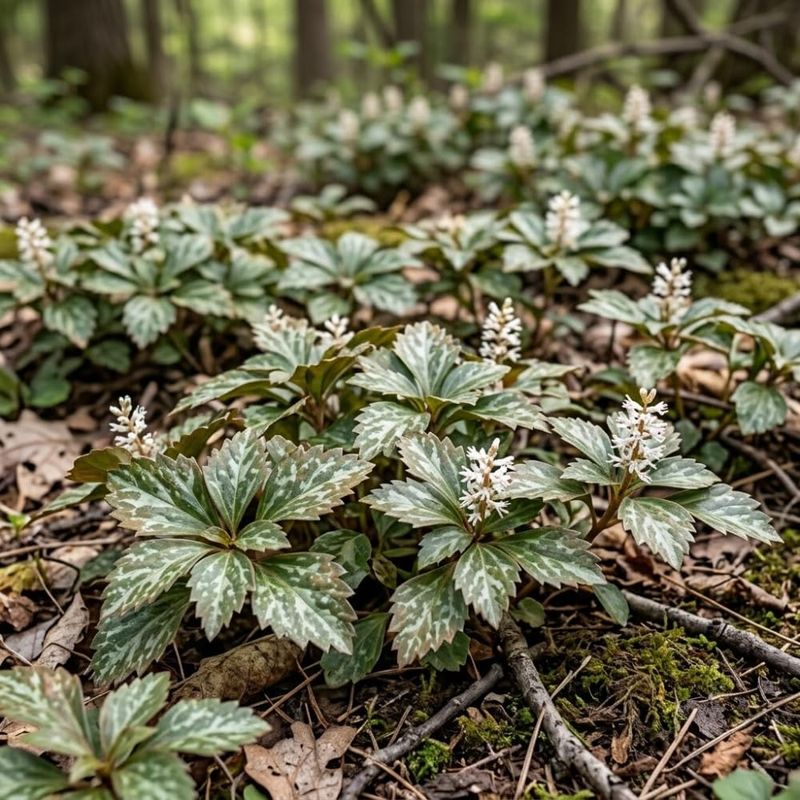
Year one will look sparse, and that is normal. Clemson describes the plant as clump-forming, and Georgia lists it as slow-growing, so the gaps between plants close over several seasons.
Mulch lightly and pull weeds by hand while the plants knit together.
Winter is the other surprise. In North Carolina, Virginia Tech’s description calls it evergreen in zones 7 to 9 and semi-deciduous or deciduous in zones 5 to 6.
Our state spans zones from the mountains to the coast, so results vary.
In a milder Piedmont or coastal bed, leaves may stay mostly green. In a colder mountain spot, or after a hard freeze, many may fade or drop.
Exposure and shelter also play a part, so do not count on year-round green leaves.
If some foliage looks tired in late winter, tidy it before new growth starts in spring. Patience pays off here.
A bed that looks thin in the first spring can look noticeably fuller a few years later.
Choose nursery-propagated plants
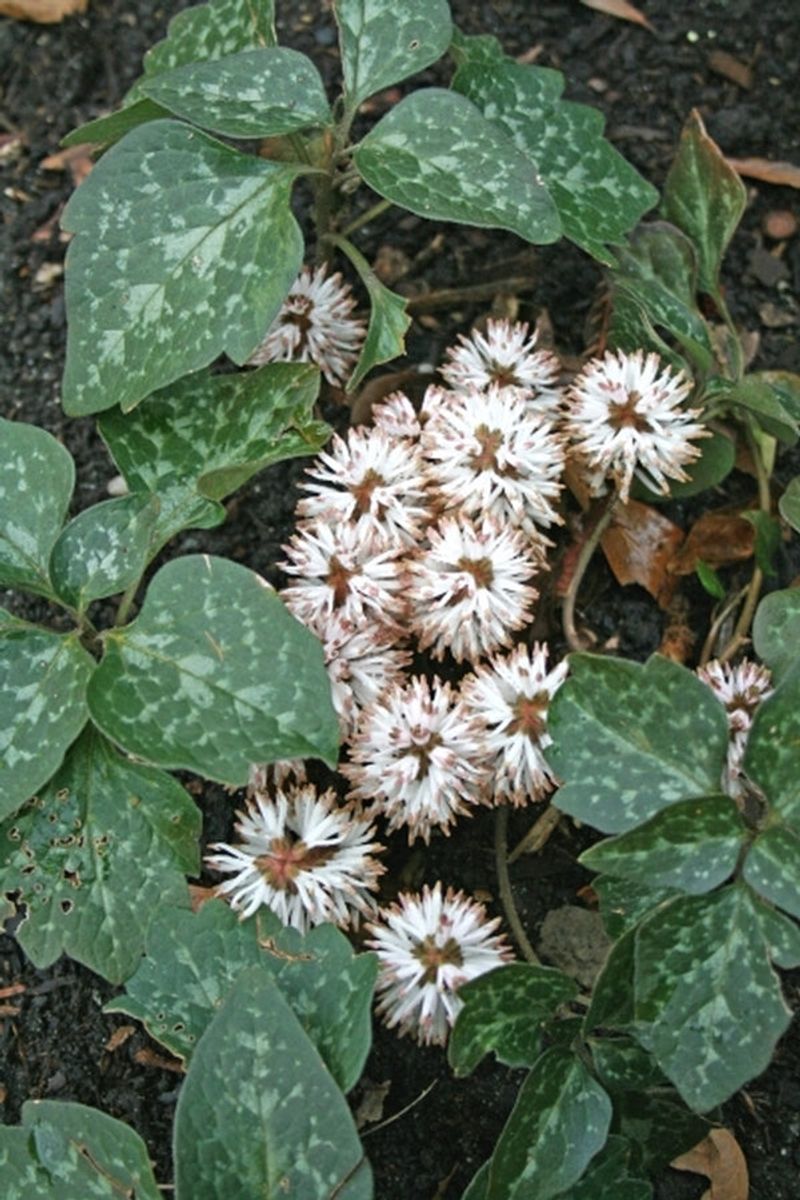
Here is the catch with this native. Allegheny spurge grows across a broader part of southeastern North America, but NC State lists it as endangered in North Carolina and native in only one county here.
It is not a common wild plant across the state.
The state’s 2024 Rare Plant List from the Natural Heritage Program is where rare species are tracked. That is why sourcing matters.
Buy nursery-propagated plants from a grower who can tell you the plants were raised in a nursery, and do not dig any from the wild. Native plant nurseries and plant sales run by botanical gardens are good places to ask.
If a seller cannot say where the plants came from, pass.
Planting it in your yard is not the same as protecting a wild population, but sourcing it responsibly keeps wild stands intact. A few small plants are plenty to start with, and they can spread slowly on their own.
Choose it when slower, more open cover fits your goals
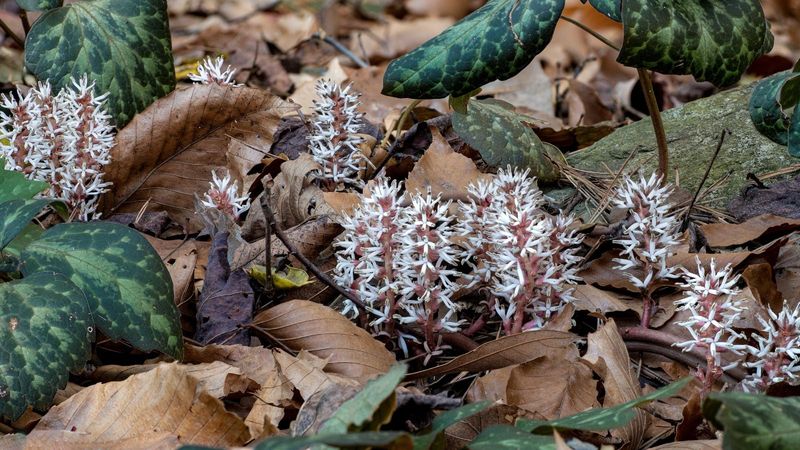
Allegheny spurge makes sense for a moist, shaded bed when you can live with slow, clump-forming coverage and you buy nursery-propagated plants. It does spread, as NC State notes, and Clemson describes a more open habit than Japanese pachysandra.
It is no guaranteed carpet and not a swap for every North Carolina yard. Some beds are simply too dry.
Think of it as a quiet woodland edge that fills in over time.