
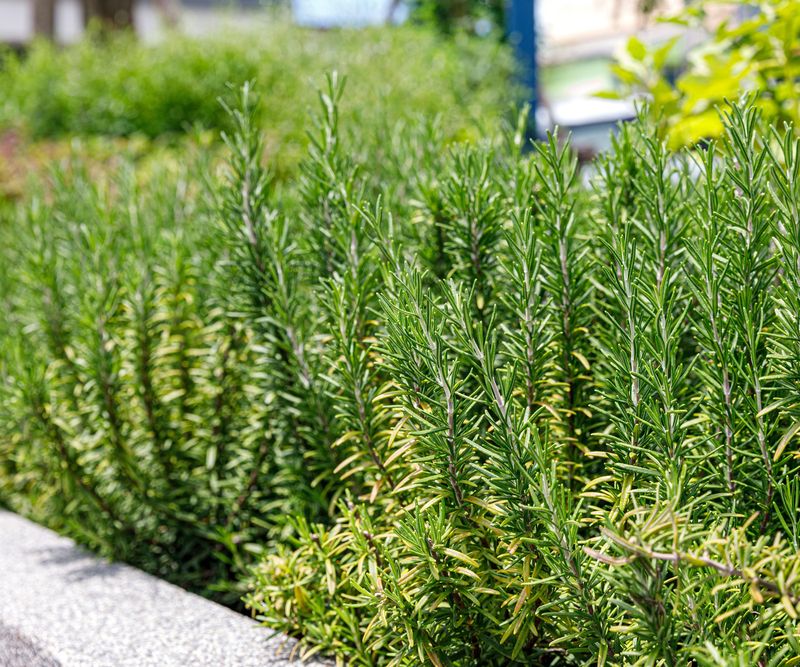
When rosemary looks thin, stretched, or dull, it is easy to blame the fertilizer bag. But established rosemary is a tough herb that usually asks for very little food.
Texas A&M offers one narrow feeding window for plants that truly need it, and the rest of the fix often lies in sun, drainage, and trimming. Here is how to tell which problem you actually have.
Established rosemary rarely needs fertilizer
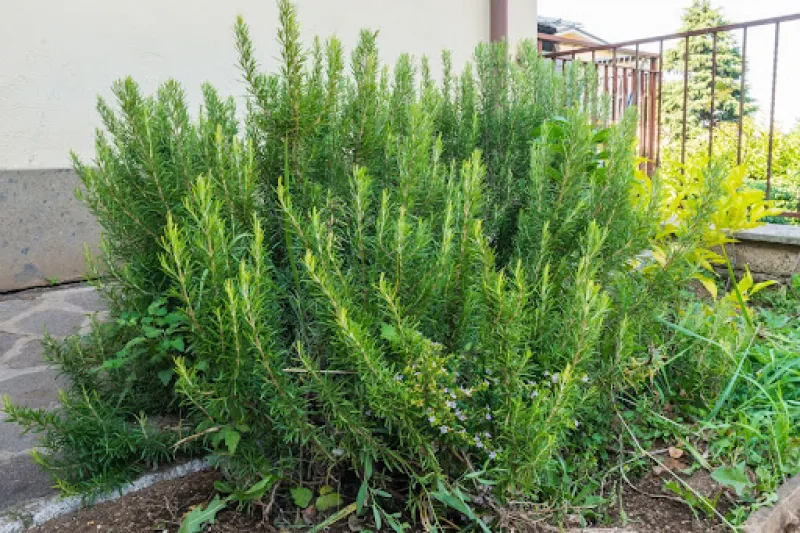
Rosemary that looks a little rough does not automatically need a meal. According to Texas A&M AgriLife Extension, established rosemary seldom needs fertilizer at all.
Feeding becomes worth considering only when the plant shows certain signs. Those are slow growth, a stunted look, or pale-yellow foliage.
If your plant is putting out steady green shoots, a bag of fertilizer is probably not the answer.
When a plant does fit those signs, read the product label and follow the directions. Keep the fertilizer off the leaves and needles rather than scattering it over the top of the plant.
This advice is for established plants growing in the ground. Pots play by slightly different rules, and we will get to those further down.
Early spring is a conditional feeding window
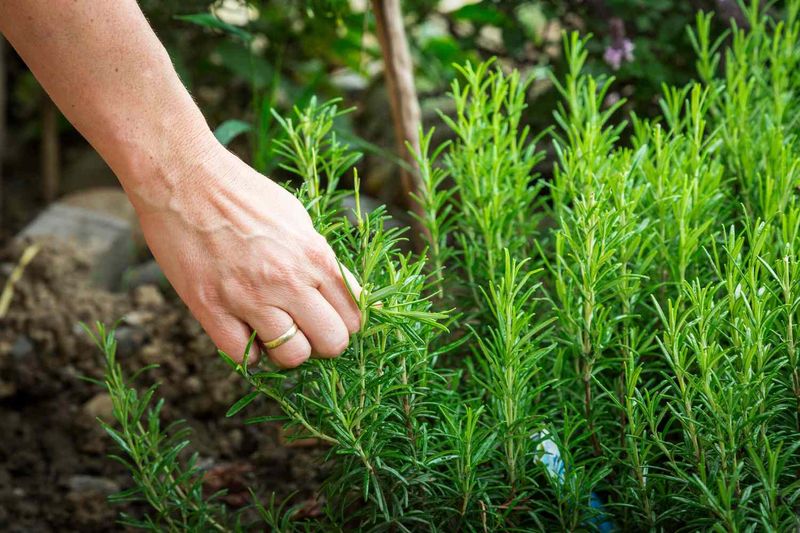
Timing only matters once a plant has earned a feeding. Texas A&M recommends a single application in early spring, before new growth appears, for an established plant that is growing slowly, looks stunted, or has pale-yellow foliage, as described in its rosemary guide.
That is not a yearly chore for every plant. A healthy, steadily growing rosemary can skip it.
It is also not a fixed date on the calendar. Spring arrives at different times in Texas, Florida, and the rest of the South, and the source does not give a Florida-wide or all-South schedule.
Watch your own plant and your own local weather instead.
Before you reach for the bag, run a quick check. Is growth slow?
Is the plant stunted? Are the leaves pale yellow?
If the answer is no, hold off.
Check light and drainage when rosemary grows leggy
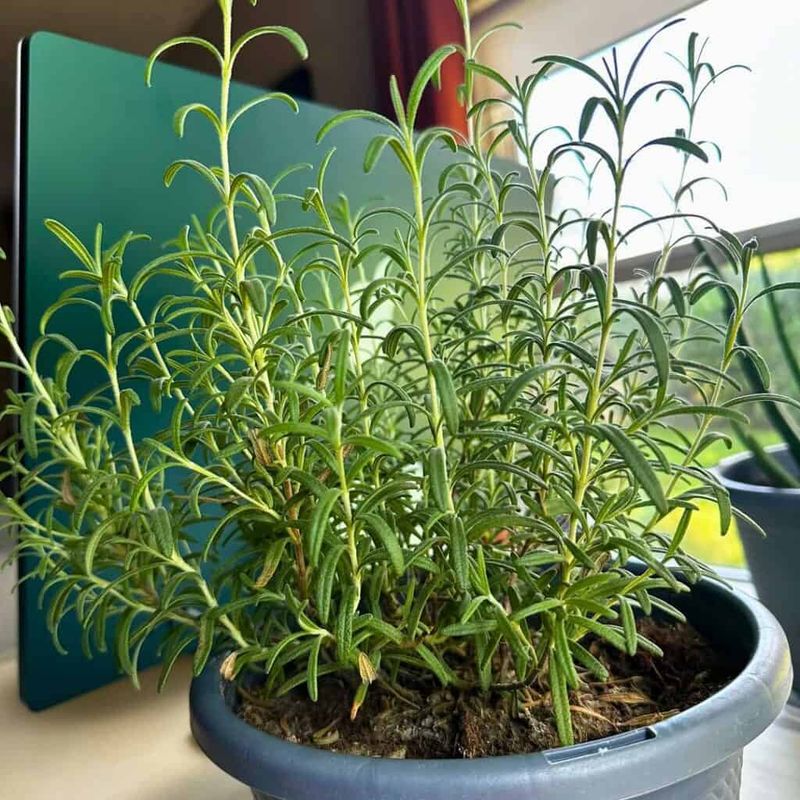
A lanky, stretched-out rosemary is a common worry, and fertilizer is not an established fix for it. Start with two simple checks instead: sun and soil.
Texas A&M says rosemary in Texas should get at least six hours of sun each day, and it recommends well-drained soil that dries thoroughly between waterings, per its rosemary publication. Rosemary is also described as doing best in full sun in UC IPM guidance.
Look at how the shade moves across your yard through the day. A tree that has leafed out or a fence added last year can quietly steal light.
Poke a finger into the soil, too. If it stays soggy for days, drainage may need work.
These are useful checks for a struggling plant, but they will not explain every leggy rosemary.
Use regular pruning to shape the plant
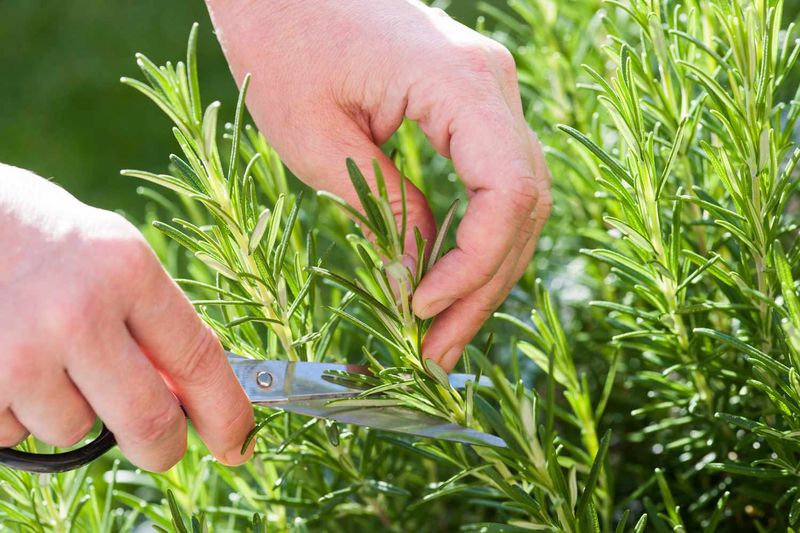
Shape is mostly a trimming job. Extension guidance from UC IPM recommends pinching or pruning tips to encourage a compact form, and University of Illinois Extension offers similar shaping advice.
Pinch young plants early and prune older ones on a regular basis. Light, repeated trims are easier on the plant than one big chop.
Texas A&M also describes pruning overgrown plants to improve airflow and stimulate new shoots.
Be careful with severe cuts. Wisconsin Extension advises avoiding woody stems unless you are shaping the plant.
Cutting into bare old wood is not a guaranteed way to get a bushy plant back, and some stems may never sprout again. Stay with measured tip work and keep green growth on every branch you trim.
Fertilizer timing is not a proven flavor fix
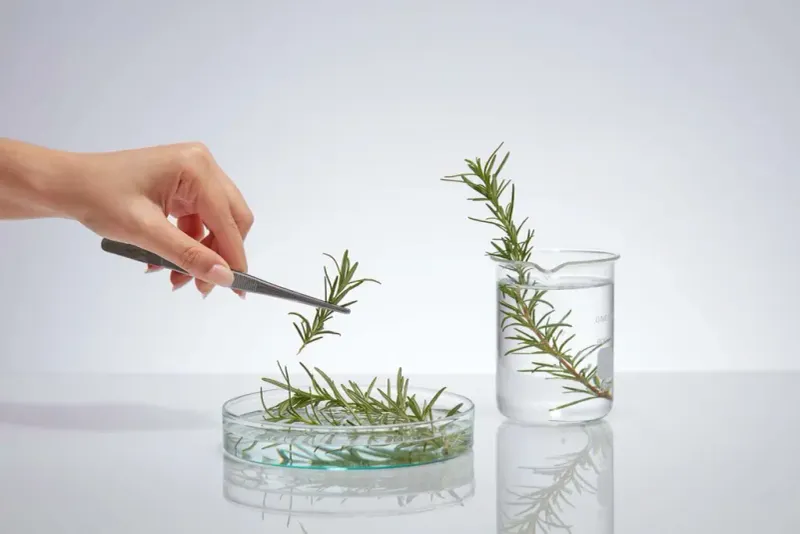
Many gardeners worry that the wrong feeding date will drain the flavor from their rosemary. The studies we have do not show that.
A 2018 pot experiment found that nitrogen raised essential-oil content up to a certain level, then lowered it at the highest level. A field study on nitrogen reported higher oil concentration and yield under the treatments it tested.
Those are lab-style measurements under set conditions. They are not taste tests of the rosemary in your backyard, so they cannot tell you how your seasoning will turn out.
Wisconsin Extension says too much fertilizer can reduce flowering and fragrance. That is a reason to feed lightly, but it does not prove that one feeding date ruins flavor, or that fertilizer always lowers oils.
Potted rosemary may need a different approach
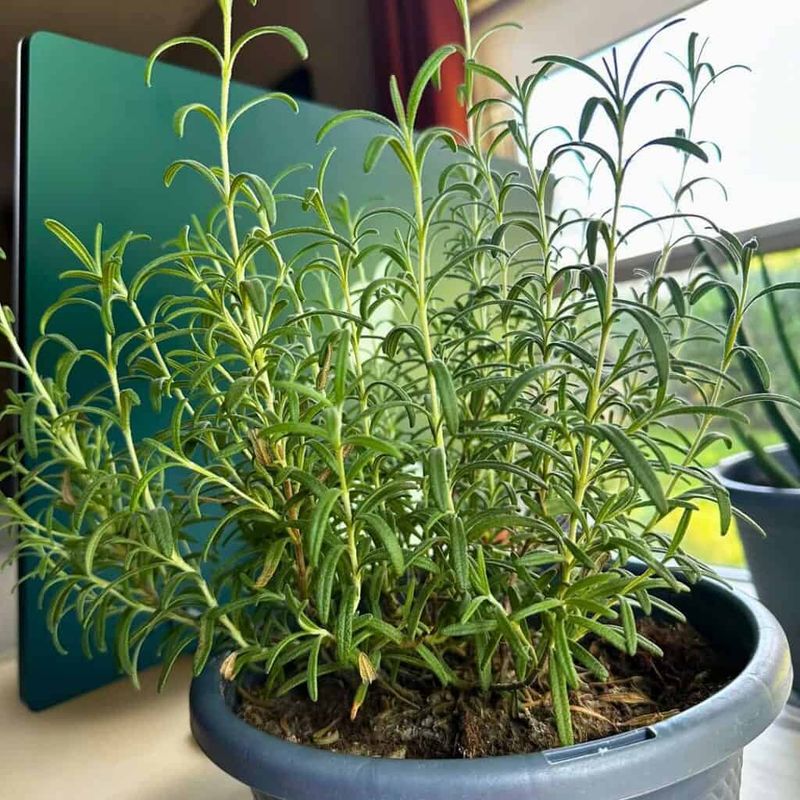
Containers change the picture. Potting mix holds a limited supply of nutrients, and watering can wash some of them out over time.
For that reason, Iowa State Extension says herbs grown in containers can benefit from periodic, dilute fertilization. A weak, occasional feeding fits that advice better than a strong dose.
That is general container-herb guidance, not a rosemary-specific calendar or dose. It also does not mean you should feed on autopilot.
If your potted rosemary is growing well and has deep green needles, it may be fine as is. If it looks pale or has stalled, a diluted feeding may be reasonable, and you should check light and drainage in the pot at the same time.
Harvest modestly and allow regrowth
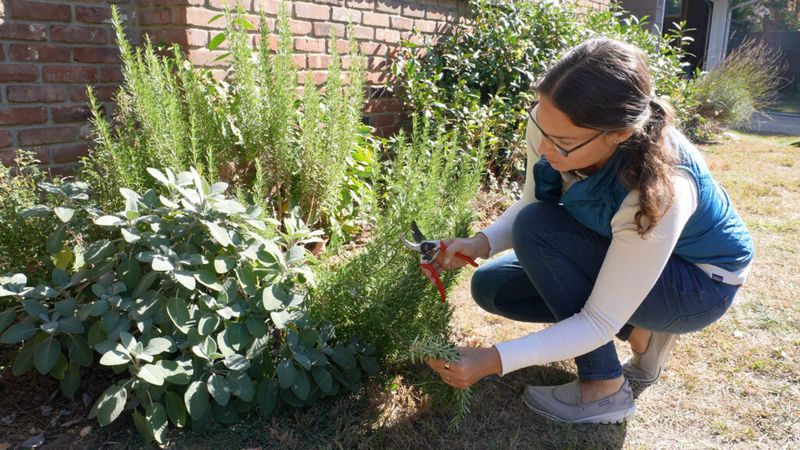
Snip a little, then wait. Texas A&M says to allow regrowth between harvests, as noted in its rosemary guide.
Wisconsin Extension gives a handy limit: remove no more than 20% at a time. For a small pot, that may be only a few sprigs for dinner.
Spread your cuts around the plant so it keeps an even shape. Take tips from different branches rather than shaving one side.
Harvesting is not a flavor treatment, and heavy cutting will not fix a leggy plant. Think of it as gentle trimming that happens to feed your kitchen.
Check the plant before reaching for fertilizer
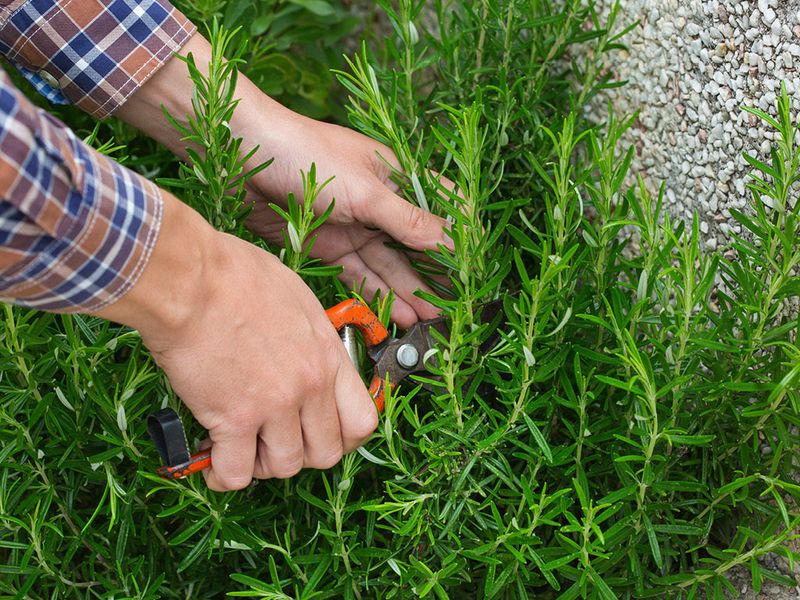
Work through the plant in order. First, look at an established in-ground rosemary for slow growth, stunting, or pale-yellow foliage, the signs Texas A&M ties to feeding.
Second, if the plant is struggling or leggy, check sun and drainage, as UC IPM describes. Third, shape it with regular, measured pruning.
Fourth, save the single early-spring application for plants that meet the conditions above.
Potted plants may need different care, such as the periodic dilute feeding suggested for container herbs. As for flavor, the pot and field studies do not link feeding time to flavor at home.
Most rosemary problems start with sun and scissors, not the fertilizer bag.