
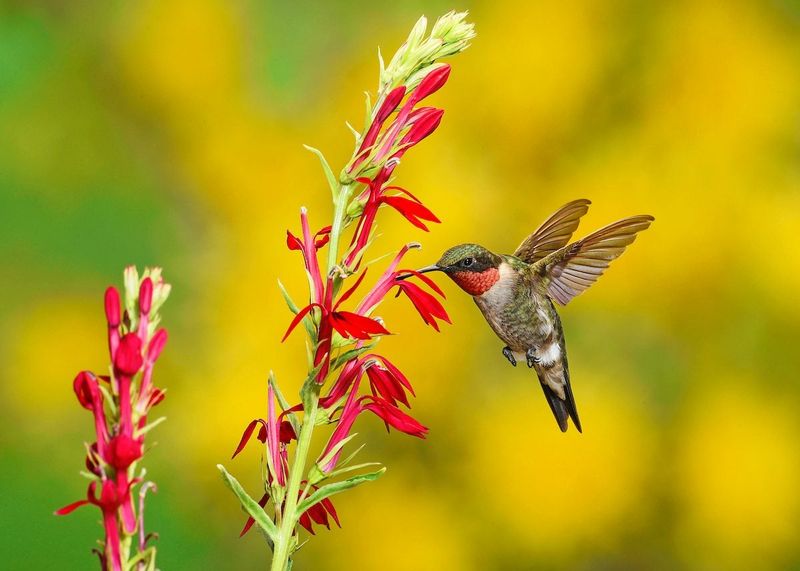
You hang a fresh feeder, wait all morning, and see nothing. Then you spot a hummingbird zipping around next door.
It stings a little, but a quiet feeder does not mean your yard is failing. Here is what may be going on, and how to make your yard friendlier to fall migrants.
A feeder visit is not a headcount
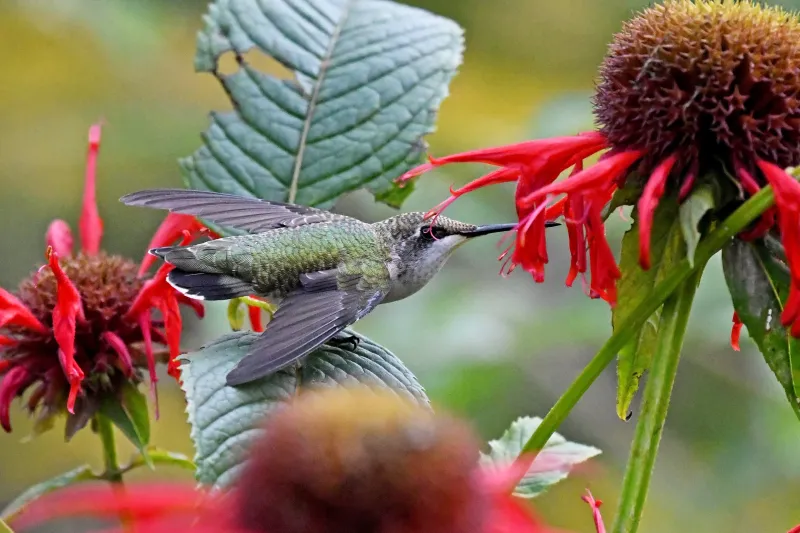
Staring at an empty feeder can feel like a verdict, but it is only a small window into what is happening in your yard. A hummingbird can zip through your garden, sip from a flower, snatch a tiny insect off a leaf, and never touch the sugar-water.
Hummingbirds eat more than nectar. Cornell Lab guidance on feeding hummingbirds notes that flowers and small insects are part of their natural diet, so a bird that skips your feeder may still be using your property.
Behavior matters too. Cornell Lab explains that hummingbirds can be territorial at feeding sites, and one feisty bird may chase others away.
You might see only the boss, or nobody at all, even when several birds are nearby.
So try not to read your feeder traffic as a grade. Watch the whole yard for a few mornings, including flowers and shrubs, before deciding anything is wrong.
Flowers can change where hummingbirds feed
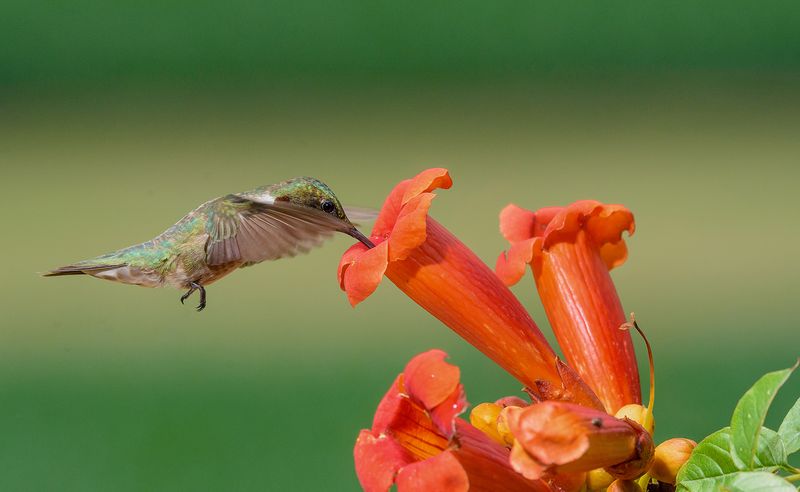
Researchers in southeastern Arizona tracked hummingbirds for a full year at one site. The study found that birds made a smaller share of their visits to feeders when flowers were more abundant.
That result is about where birds chose to feed. It does not prove that a plant-rich yard hosts more hummingbirds, and it does not show that your neighbor’s plants are the reason birds go there.
Keep in mind the study came from a single, geographically limited location. It should not be treated as a direct answer for a street in Tampa or Austin.
The practical lesson is gentle. Flowers and feeders work as partners, since a feeder offers sugar-water while blooms add natural nectar.
Lots of flowers might even mean fewer feeder visits, which is not a sign anything is broken.
Choose fall blooms for your region
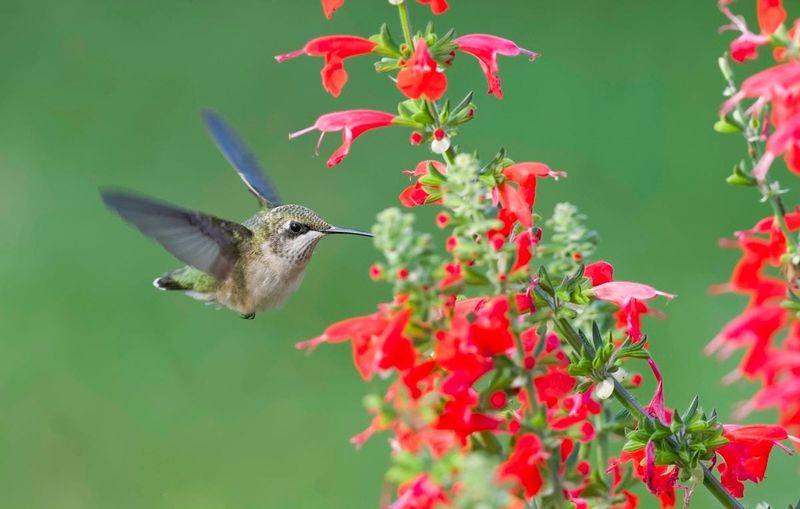
Fall planting works best when blooms overlap with the weeks hummingbirds are passing through. Think of it as habitat improvement, not a promise of more feeder visits.
In Florida, UF/IFAS Extension guidance lists firebush as a native that blooms from spring through winter and cardinal flower as a native blooming summer through fall. That advice is framed for north and central Florida, so South Florida gardeners should check local sources.
In Texas, a Texas Parks and Wildlife publication names Turk’s-cap, red sage, trumpet creeper, coral honeysuckle, lantana, cardinal flower, hibiscus, penstemon, and petunia as popular fall hummingbird plants. Treat it as a starting list for a big state, since not every plant suits every site or is native there.
Aim for variety. Audubon suggests choosing species with different blooming periods so flowers are available over a longer stretch.
Match plants to your yard’s conditions
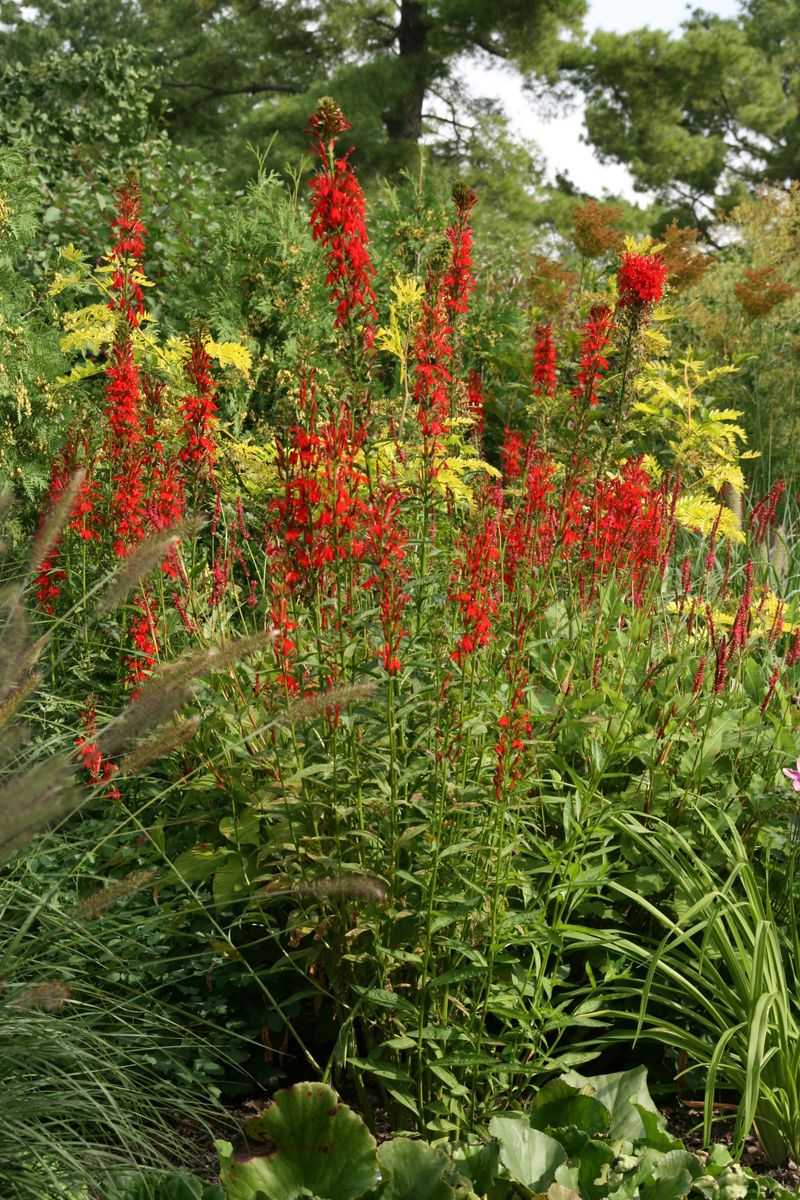
A plant that looks perfect on a hummingbird list can still struggle in the wrong spot. Before buying, read the tag or check a trusted source for sun, soil, and water needs instead of choosing by red blooms alone.
Cardinal flower is a good example. Texas Parks and Wildlife says it blooms in fall and grows and flowers best in wet, partially sunny areas.
That makes it a lovely choice near a rain garden, a pond edge, or a consistently damp bed. It is a poor blanket pick for a hot, dry strip beside a driveway, where it would likely need constant watering.
Walk your yard first and notice where water collects, where afternoon sun is harsh, and where shade lingers. Then match each spot to a plant that fits, and a healthier plant is more likely to bloom well.
Offer more than sugar-water
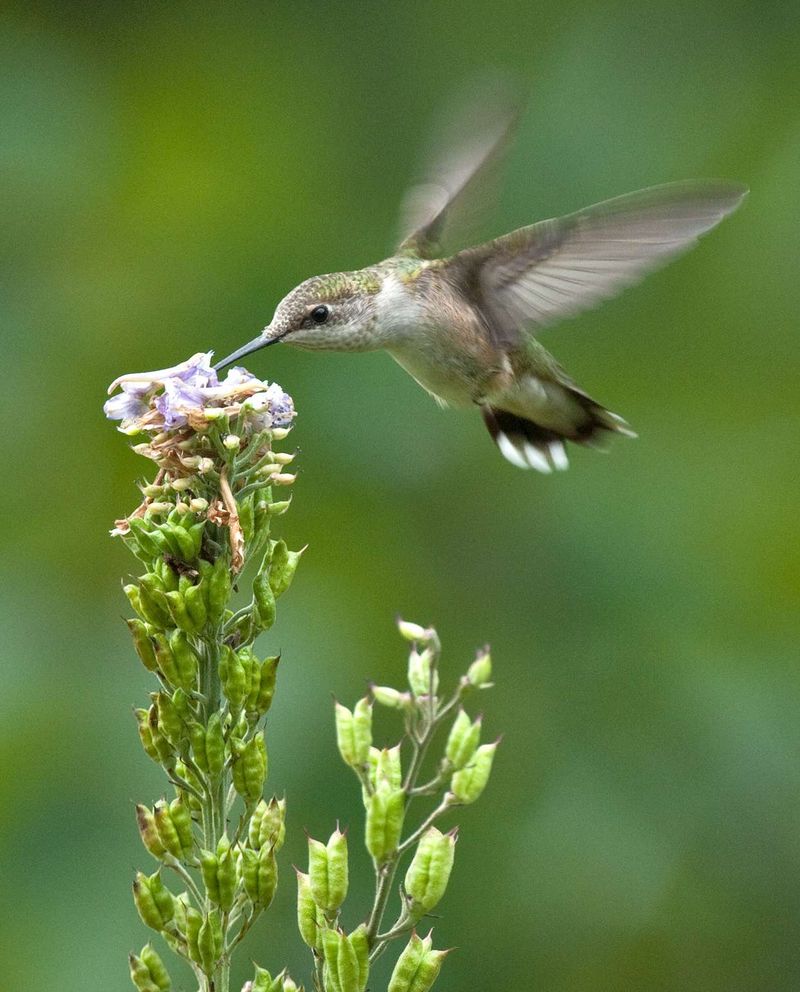
A feeder supplies sugar-water, but hummingbirds need more than that. Flowers provide natural nectar, and Audubon’s yard guidance points out that native vegetation can also support insects and spiders, which hummingbirds eat too.
That is a good reason to go easy on pesticides. Reducing or avoiding sprays where you can may help protect the small prey birds rely on, especially around the plants they visit.
Cornell Lab also describes insects as a regular part of the diet, so a slightly buggy garden is not always a bad sign.
Other features can help. Texas Parks and Wildlife has long mentioned habitat touches such as perches and water.
None of these guarantees visitors, but together they make a yard more useful to a hungry traveler.
Keep the feeder clean and accessible
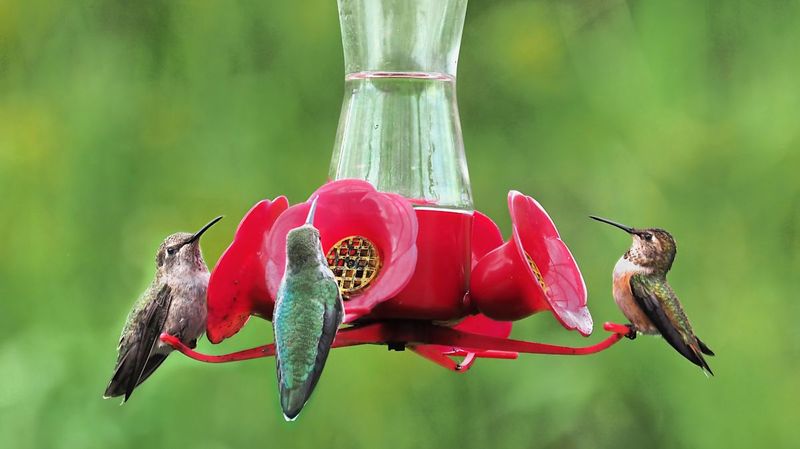
Think of the feeder as a supplement to your flowers, and keep it fresh. Audubon recommends one part refined white sugar to four parts water.
Skip honey, artificial sweeteners, and red dye.
In hot weather, clean and refill the feeder every day or every other day, and scrub it sooner if you see mold. Hanging it in shade can slow spoilage in hot climates like Florida and Texas.
Nearby red or orange tubular flowers may help birds discover a feeder, according to Audubon’s yard tips, though that is no promise of visits.
If one bird guards the feeder, Cornell Lab suggests trying several smaller feeders spaced apart. Out of sight of each other works best, since a single bird then has a harder time defending them all.
Follow local migration, not a fixed date
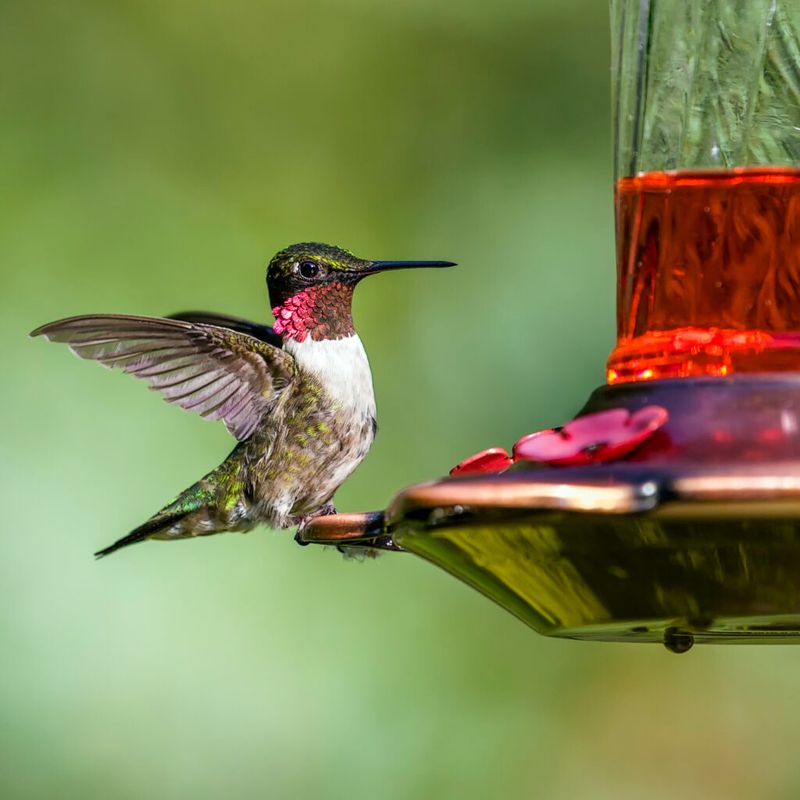
Many people worry that a feeder will keep hummingbirds from leaving. It will not.
Cornell Lab says feeders do not prevent migration, and it advises leaving them up for several weeks after your last local hummingbird sighting in case late migrants pass through.
Timing varies across the South, so skip any single take-down date. Track your own sightings, and keep cleaning the feeder on Audubon’s schedule for as long as it hangs.
In Texas, Texas Parks and Wildlife notes a substantial fall passage of Ruby-throated Hummingbirds, including birds gathering along the coast. That pattern is Texas-specific and should not set the calendar for Florida or elsewhere.
Fall is a quiet, fleeting visit, and a tidy, flower-filled yard gives each traveler a decent place to refuel.