
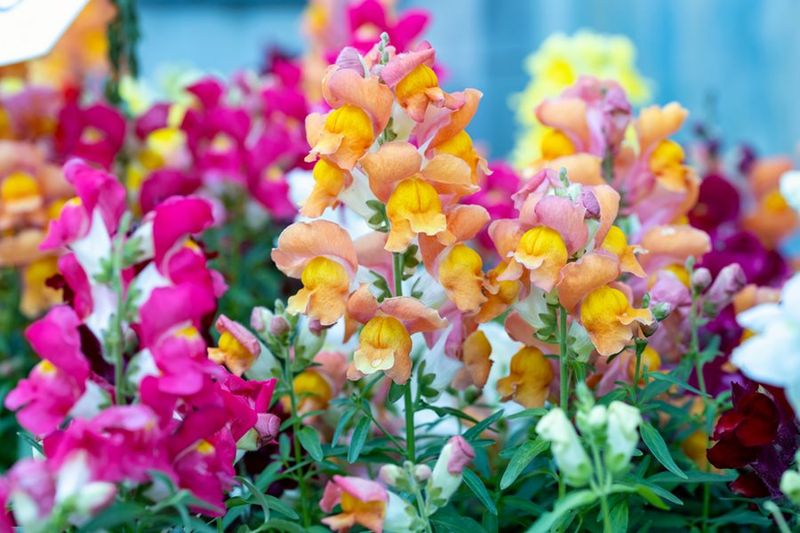
Cool nights are finally showing up, and the garden center is full of snapdragon six-packs. If you are wondering whether you missed your chance, take a breath.
For many Texas and Florida gardeners, October is right on time. Here is how to decide for your own yard and what to do once you pick up those plants.
October can still be a planting window in Texas and Florida
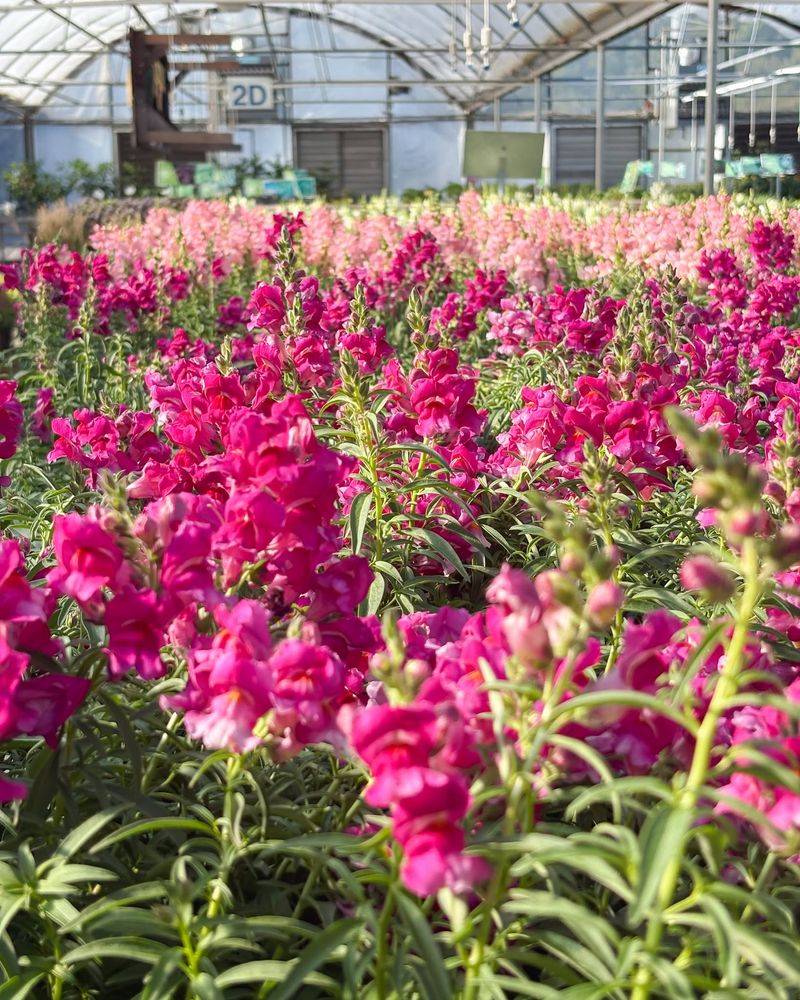
Good news first: in Texas and Florida, October is not automatically too late for snapdragons. Texas A&M lists snapdragons among fall-planted, spring-flowering annuals, and says fall annuals generally go in as temperatures cool in late September and October.
Florida points the same direction. UF/IFAS names October and November as planting time and says planting can continue through February for winter color.
Your answer still depends on where you live and how the weather is behaving. It also depends on what you plant.
A healthy nursery transplant is the practical October choice once your local weather has cooled, while seed runs on a much longer clock, which we cover below.
One more boundary: these findings cover Texas and Florida. If you garden elsewhere in the South, check with your local extension office before using the same timing.
Texas timing shifts with local temperatures
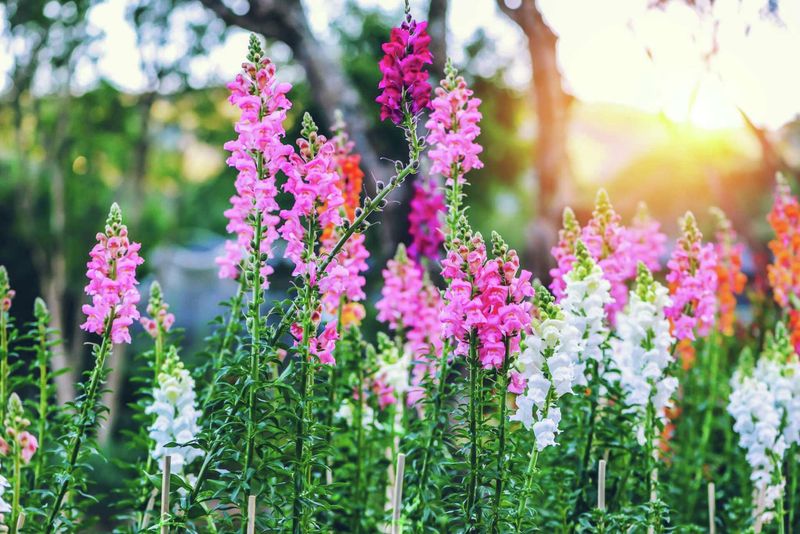
Texas is big, so one statewide deadline would not make sense. Texas A&M gives a broad window of late September through October for fall annuals as temperatures begin to cool.
Closer to San Antonio, the advice gets more specific. A Bexar County extension article recommends waiting until late October or November, after temperatures cool, to set out cold-hardy annual transplants including snapdragons.
Think of that as local context for the San Antonio area, not a calendar for every Texas yard. Your own region may warm up or cool down on a different schedule.
A simple habit helps: watch your nighttime lows and the feel of the soil rather than the date on the calendar. If summer heat is still hanging on, holding the plants in their pots a couple of weeks in a bright spot is a reasonable move.
Florida’s fall window varies by region
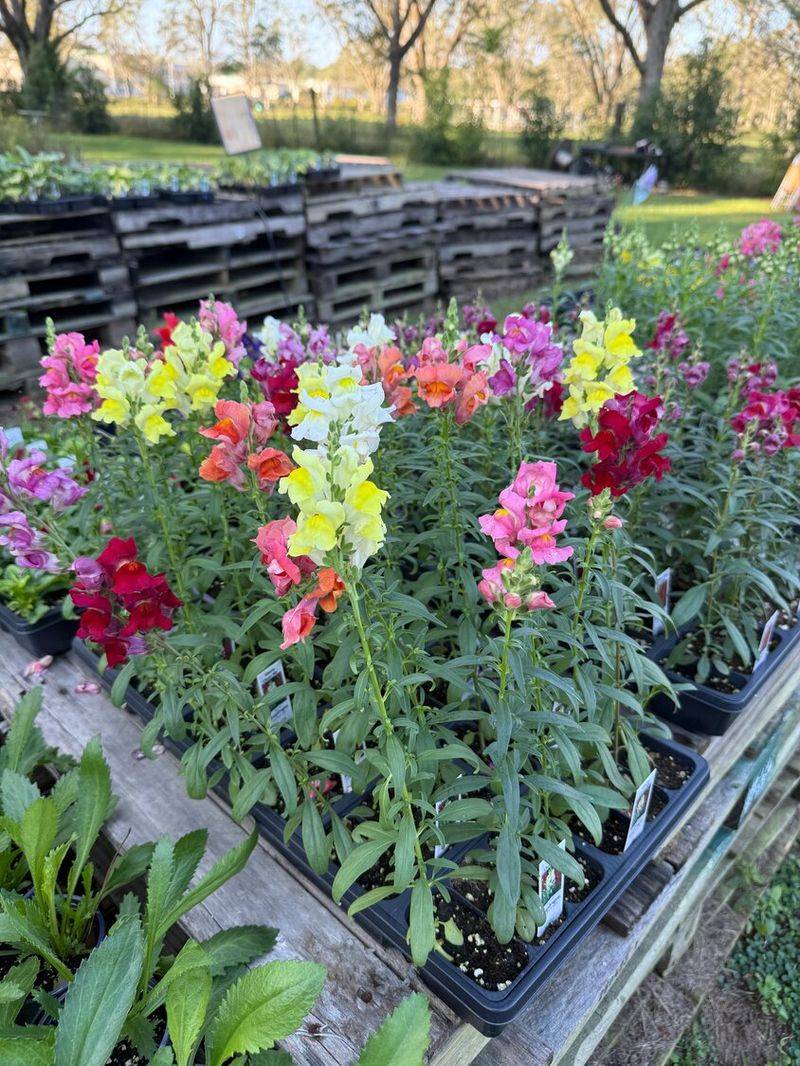
Florida gardeners get a long runway. UF/IFAS lists October and November as planting months and says snapdragons can keep going into the ground through February.
Region matters, though. In the UF/IFAS monthly planting guide, snapdragons appear on the October list for North and Central Florida, but not for South Florida.
The November list does include South Florida, so southern gardeners may want to wait a little.
Once planted, snapdragons act as cool-season annuals. UF/IFAS says they can flower until April or May, and winter annuals in general usually perform until warm weather returns.
Treat that as a typical season rather than a promise. Sun, soil, and weather swings will change how long your own plants bloom.
Choose transplants for near-term color
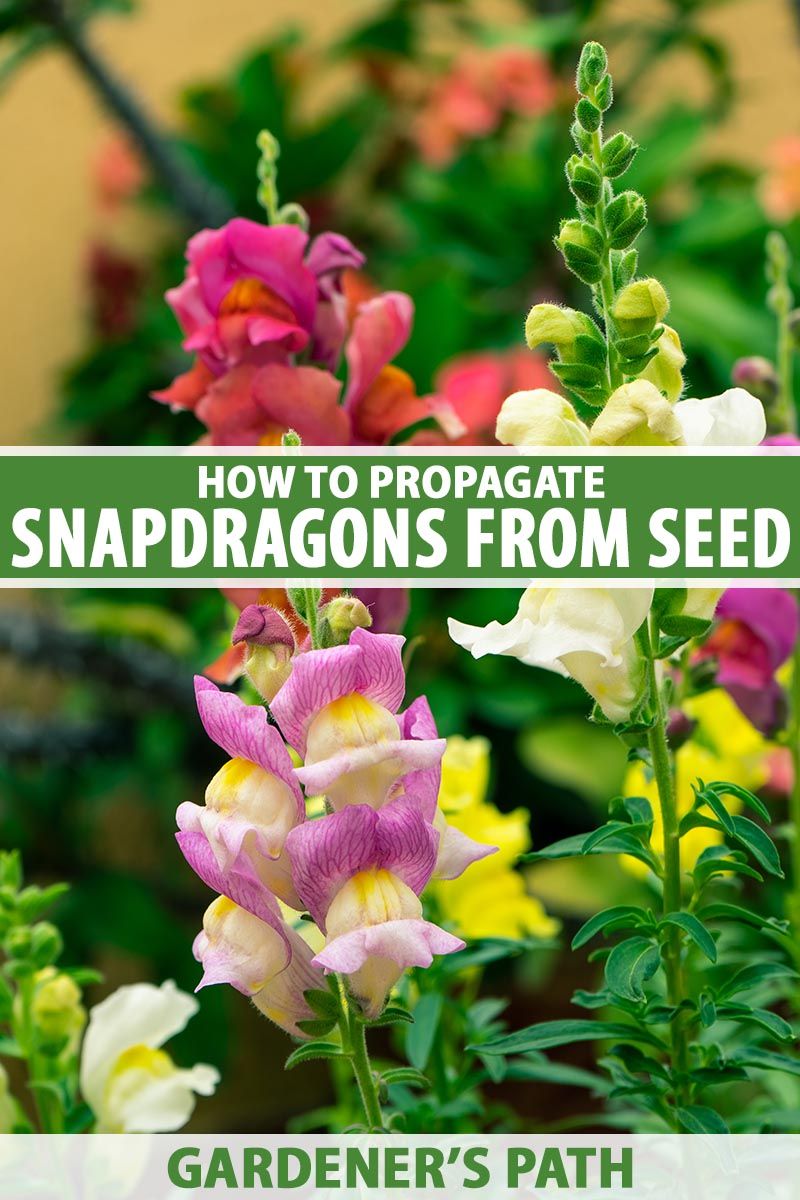
Most October planting questions are really transplant questions. Seed works on a slower schedule, and Iowa State lists snapdragon seed as needing light to germinate, taking about 7 to 14 days to sprout, and needing 8 to 10 weeks from sowing to reach planting size.
Do the math from a mid-October sowing and you can see why seed will not give quick color. If you want flowers sooner, a nursery transplant is the safer pick.
Sources do not fully agree on sowing straight into the garden. Mississippi State does not recommend direct sowing for its cut-flower growers, while Iowa State includes snapdragon on a list of annuals that can be direct-seeded.
So direct sowing is not impossible, but it is not a dependable shortcut either. Pick plants with healthy green leaves and compact growth.
Frost dates offer context, not a cutoff
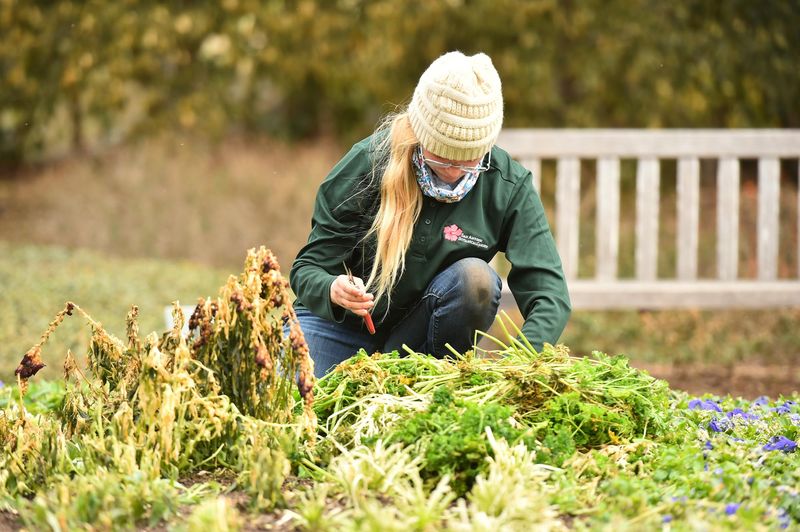
Frost dates are helpful background, but they are not a pass or fail line. Texas Tech describes snapdragons as frost-tolerant, yet frost-tolerant does not mean freeze-proof, and no safe minimum temperature has been established.
Austin shows how loose an average can be. Travis County guidance gives November 29 as the average first fall freeze, yet the earliest on record is October 26.
That is one local example, not a rule for Texas.
Your yard matters too. Texas A&M notes that topography and urban surroundings can make a landscape warmer or colder than nearby areas.
In Florida, UF/IFAS advises North Florida gardeners that plants may need protection on the coldest nights. Covering them may help, though it cannot guarantee survival.
Help new transplants settle in
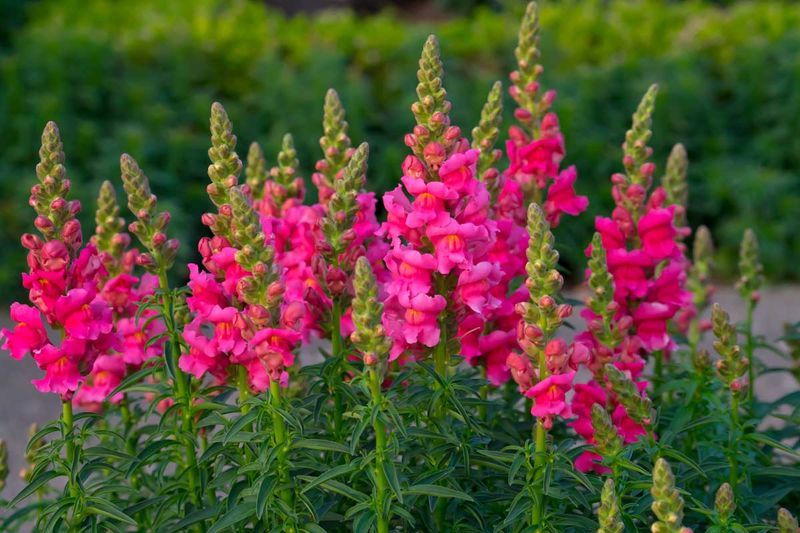
Once you have healthy transplants, give them a good start. UF/IFAS recommends full sun, soil amended with organic matter, and 6 to 12 inches between plants.
Mix compost into the bed before planting, set each plant at the same depth it grew in its pot, and water right after planting. Texas A&M advises watering new bedding plants well and regularly until they are established.
Your decision comes down to three checks. See whether your local weather has cooled and what your regional guidance says, choose a healthy transplant if you want color sooner, and treat frost history as context rather than a deadline.
These recommendations cover Texas and Florida, so gardeners elsewhere in the South should check with their local extension office.
A snapdragon planted on a cool October day often does its best work when the rest of the garden is quiet.