
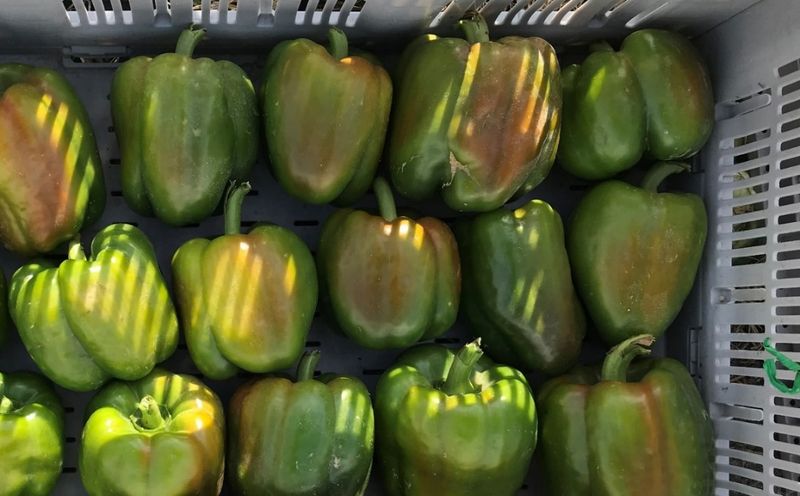
Your pepper plants are loaded with big, glossy fruit, but every single one is still green. With frost on the calendar, it is easy to panic and wonder what went wrong.
The answer is often a mix of timing, variety, light, and temperature, not just chilly nights. Here is how to sort out what is happening and what you can do before the cold arrives.
A full-sized pepper may still need weeks to color
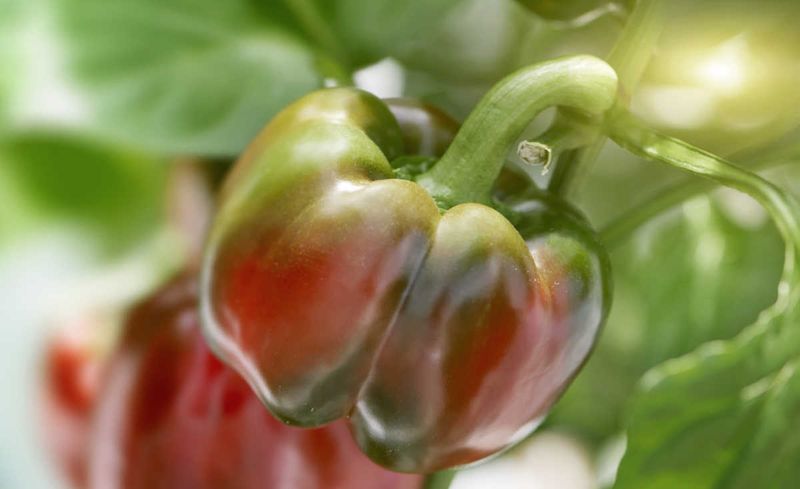
Size and color are two different milestones. A pepper can reach its full, plump shape while still at the mature green stage, which means it has finished growing but has not finished changing color.
According to Utah State Extension, bell peppers can take another two to three weeks to turn fully colored after reaching mature green size. Peppers also generally need about 35 to 45 days from flowering to full color.
Treat both numbers as rough estimates, since variety and temperature can stretch or shorten the wait.
That timeline explains a common October surprise. A pepper that looks finished may have set only a few weeks ago, so it simply has not had enough days on the plant.
Check how your fruit looks up close: a faint blush, a shift from deep green to a lighter shade, or a streak of color near the bottom suggests the change has started.
If fruit is still solid dark green and frost is a couple of weeks away, you are in a gray zone. Keep reading to figure out whether to wait or pick.
Check the variety before waiting for red
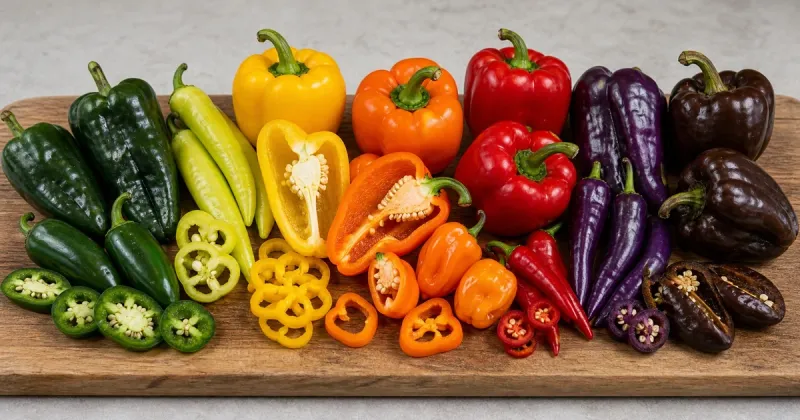
Some peppers were never meant to turn red. Depending on the variety, mature fruit may end up yellow, orange, purple, brown, or even stay green, and that is perfectly normal for those types.
Before you worry, dig out the seed packet or plant label. Maryland Extension notes that pepper varieties mature to different colors, so red is not the universal finish line.
If the label says the pepper ripens to chocolate brown or golden yellow, red will never arrive no matter how warm your yard stays.
No label? Look at the fruit shape and any clues on the plant.
Some purple types show dark streaks on young fruit, and some mature to a deeper green than their unripe stage.
A simple test: if the tag promises red and the fruit is still full-sized green in the weeks after it stopped growing, it is probably still developing. If the tag promises green, you can harvest whenever the size suits you.
Several conditions can slow the finish
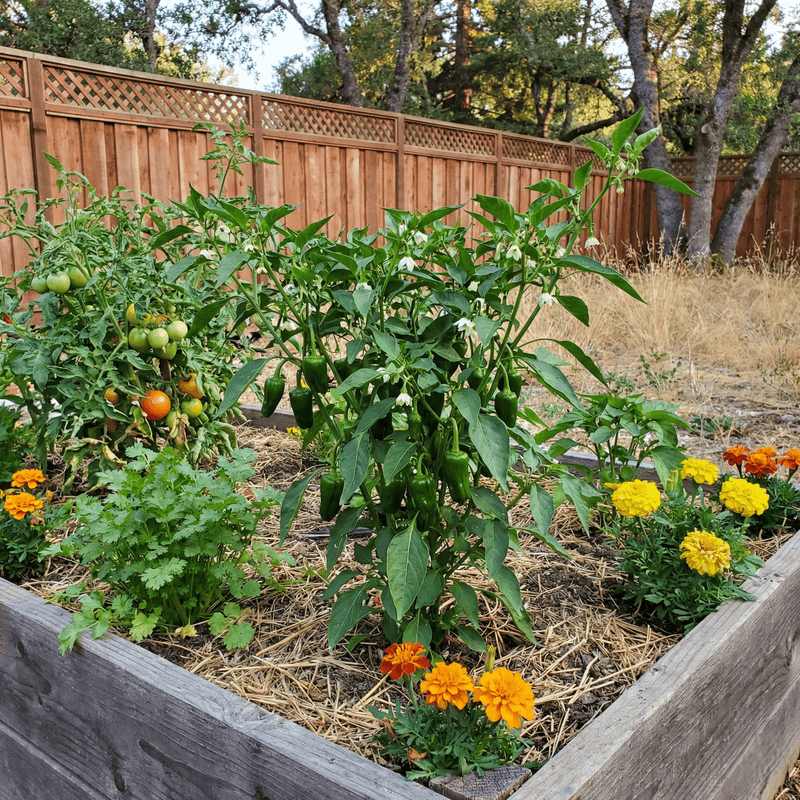
Cool nights get most of the blame, but they are only one suspect. Fruit age, light, temperature, and the plant’s feeding can all change how fast color arrives.
Start with light and food. Peppers do best in full sun, and Utah State Extension warns that overfertilizing can encourage lots of leafy growth and delay fruit set and maturity.
A plant that looks lush and dark green but carries late fruit may have had too much nitrogen earlier. Skip extra fertilizer now unless you have a diagnosed need.
Temperature matters too. A Japanese study of sweet pepper color found coloring was promoted around 68 to 77°F, while chlorophyll breakdown was delayed below 50°F and above 86°F.
Light sped coloring as well.
Keep the limits in mind. That study used sweet peppers harvested at the breaker stage, not entirely green fruit still growing on backyard plants.
It points to useful clues, but it does not tell you what any one pepper will do outdoors.
Give attached fruit the warmest bright conditions available
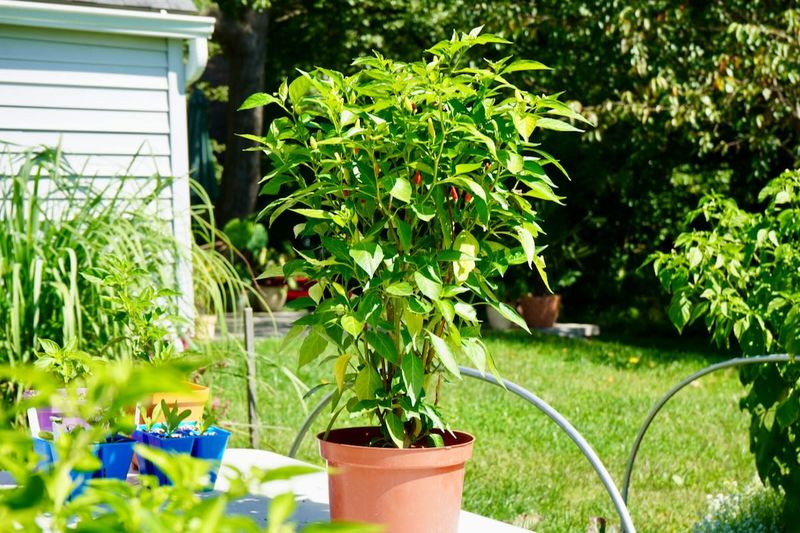
If you want to nudge things along, think warm and bright. For peppers in pots, move them to a sunny, sheltered spot, such as against a south-facing wall or on a porch that catches afternoon light.
For in-ground plants, you cannot relocate them, so make sure nothing new shades them. Trim back neighboring plants or move a nearby tool shed’s clutter, but leave the pepper’s own leaves alone.
Stripping foliage to expose fruit is not advised, because Utah State Extension lists sunscald as a pepper problem when fruit gets direct sun in hot, dry weather.
The reasoning comes from the sweet pepper color study, which found light and moderate warmth helped coloring in harvested breaker-stage fruit. Applying that to backyard plants is a reasonable guess, not a tested home-garden method.
So try it, but do not count on it. It may help color along, yet it cannot guarantee red peppers before frost.
Row covers help against cold, but need attention
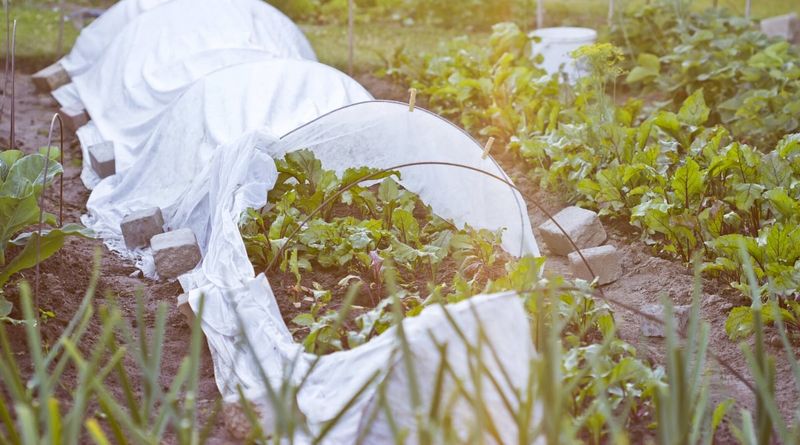
A breathable row cover can buy in-ground peppers a little time on a chilly night. It traps some heat rising from the soil, which may be enough to take the edge off a light frost.
How much help you get depends on the cover. Wisconsin Extension reports that heavyweight covers can provide about 4 to 8°F of frost protection.
Lighter fabrics give less, and gaps at the edges, wind, and bare or damp soil all change the result.
Covers also have a downside. Temperatures under them can climb high enough in sunlight to cause pepper blossom drop, so a cover left on during a warm afternoon can do harm.
Pull it off or vent the sides on warm days, then replace it before sunset when the forecast turns cold.
Do not expect a cover to ripen fruit. If nights stay low, the plant may never get warm enough to color up.
Think of it as short-term cold insurance, not a ripening tool.
Harvest before frost if the color does not arrive
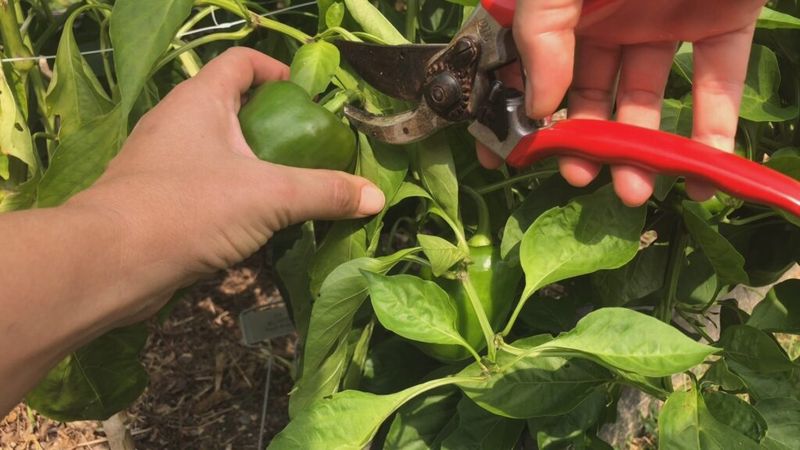
When frost is closing in and color has not come, pick the usable peppers. Green peppers are perfectly edible, and good for stuffing, roasting, and freezing.
Just set expectations. Iowa State Extension says peppers generally will not keep ripening once picked, though some may change color.
UC Davis notes bell peppers respond very little to ethylene, so an apple in a bag is not a reliable fix. A little color change is not the same as full ripening.
Skip the idea of one October deadline. Texas A&M separates five Texas regions and lists peppers as frost-susceptible, and UF/IFAS gives different pepper windows for North, Central, and South Florida.
Watch your local forecast instead.
Your plan: check the variety, keep fruit bright and sheltered, use covers carefully, and harvest before frost when needed.
A green pepper in the kitchen beats a red one lost to a freeze.