
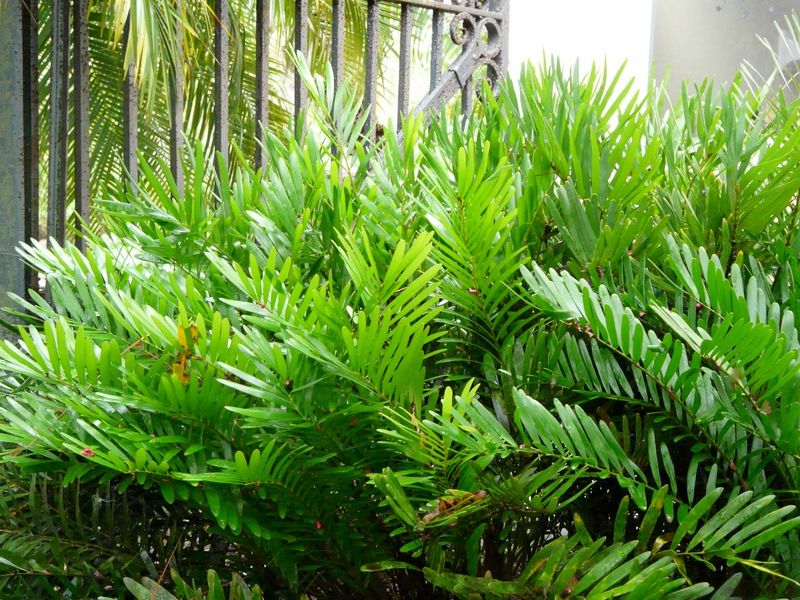
A butterfly garden needs more than colorful flowers. Caterpillars need the right leaves to eat, while adult butterflies need nectar and safe places to rest.
These seven Florida native plants can help turn a patch of yard into a place where butterflies grow, not just visit. Pick a few that match your soil and sunlight, then give them room to do their work.
1. Aquatic Milkweed
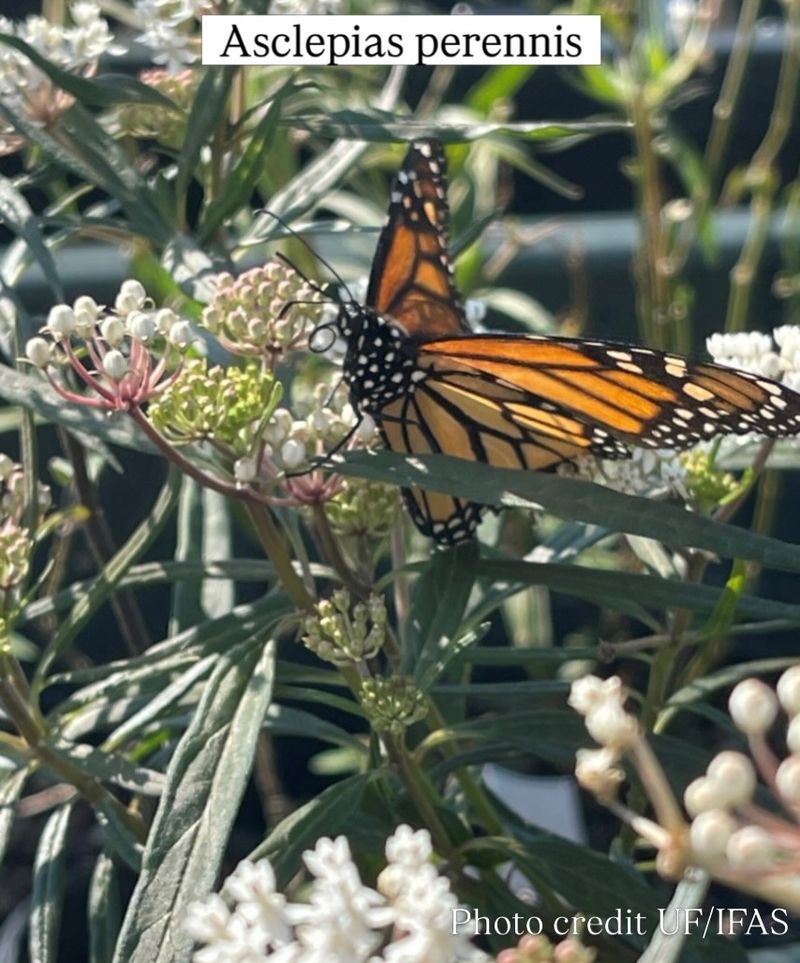
Monarchs need more than a quick stop at a flower. Their caterpillars eat milkweed leaves, so a living milkweed plant gives visiting adults a place to lay eggs and gives the young a meal when they hatch.
Aquatic milkweed is a Florida native that suits a damp part of the yard, making it a useful choice for a rain garden or a low spot that stays moist.
Look for the plant’s small white flower clusters rather than the bright orange blooms of tropical milkweed. The flowers offer nectar, while the leaves serve monarch and queen caterpillars.
Plant several together if you have room: a hungry caterpillar can strip a small plant, and a group provides more food without making one bare stem the whole show.
Keep aquatic milkweed in moist soil and sun to partial shade; it is not the pick for a dry, sandy bed with no irrigation. Avoid spraying caterpillars, even when the leaves look ragged.
Chewed foliage means the plant is doing its job. Ask a native nursery for locally appropriate plants rather than collecting them from the wild.
2. Corkystem Passionflower
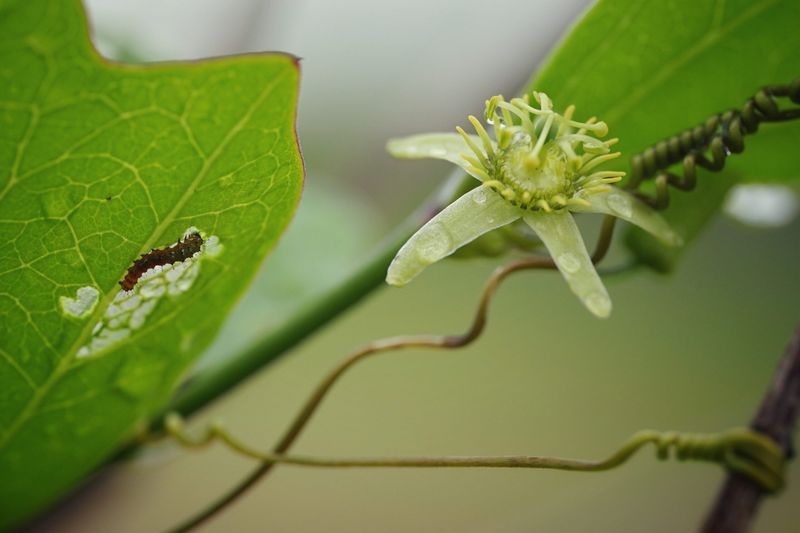
A plain fence can become caterpillar habitat with a little help from corkystem passionflower. This Florida native vine grows modest flowers, but its leaves are the main attraction: zebra longwing and gulf fritillary butterflies use passionflower vines as host plants.
The adults can also visit flowers elsewhere in the garden for nectar.
Give the vine a trellis, fence, or other support where you can watch it without letting it climb over a prized shrub. Corkystem passionflower can work in sun or partial shade and has a more delicate look than showier passionflower species.
Its small flowers and berries add detail to a planting that might otherwise be all large, bold blooms.
Expect some holes in the leaves. Orange gulf fritillary caterpillars and pale zebra longwing caterpillars with dark spines look startling, but they are exactly the guests the vine is there to feed.
Skip insecticides nearby, and leave enough vine growth for caterpillars to finish eating. In a small yard, one supported vine can add an egg-to-caterpillar food source without taking up much ground space.
3. Coontie
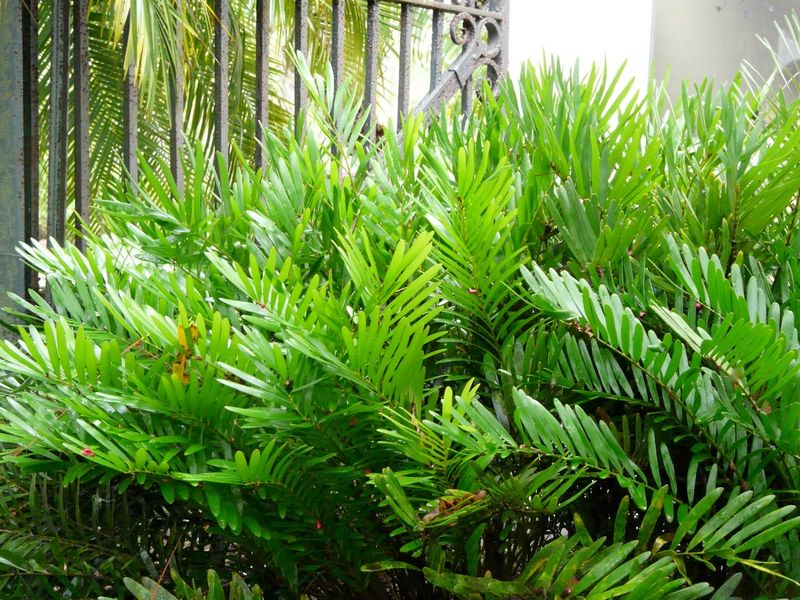
Atala butterflies nearly disappeared from parts of Florida after their host plant became scarce. That plant is coontie, a sturdy native cycad whose neat, fernlike fronds also make an attractive low border.
Planting it gives atalas somewhere to lay eggs and gives their caterpillars the foliage they need.
Coontie fits a spot where a gardener wants wildlife value without a wild-looking bed. Once established, it handles sandy soil and dry periods well, and it grows in sun to shade.
Use several plants along a walkway or beneath open-branched trees for a fuller display. Its slow growth means it will not quickly swallow a small planting area.
Atala caterpillars may chew new leaves heavily. Healthy coonties can produce fresh growth, so hold off on cutting away damaged fronds while caterpillars are still feeding.
Adult atalas need nectar from flowering plants nearby, because coontie is their nursery, not a nectar stop. One important household caution: coontie is toxic if eaten, so place it thoughtfully where children or pets might sample plants.
4. Wild Lime
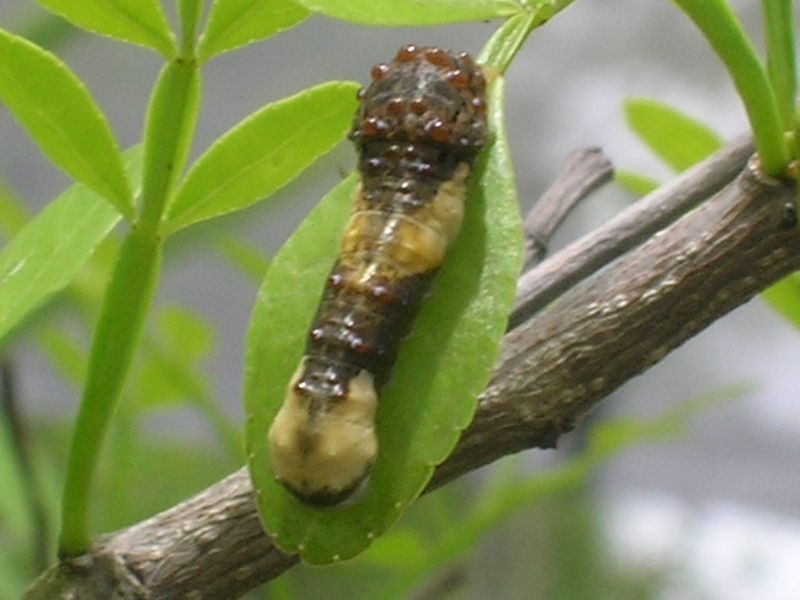
The giant swallowtail is hard to miss, but its young are easy to overlook. A caterpillar on wild lime can resemble a bit of bird droppings, a clever disguise while it feeds on the leaves.
Wild lime is a native host plant that can bring this large butterfly’s early life stages into view in a Florida yard.
Despite its name, wild lime is not a citrus tree grown for limes. It is a thorny shrub or small tree, best suited to a sunny spot with room around it.
It is especially useful in warmer parts of Florida, where it can make an airy screen or sit at the back of a wildlife border. Check its mature size and your local growing conditions before placing it beside a path.
Those thorns are worth planning around. Put wild lime away from play areas and tight walkways, then let its branches hold the leaves that caterpillars need.
A giant swallowtail may take nectar from other flowers in the yard, so pair this host with blooming natives. You get a more complete butterfly stop: a place to raise young and flowers that help fuel the adults.
5. Privet Senna
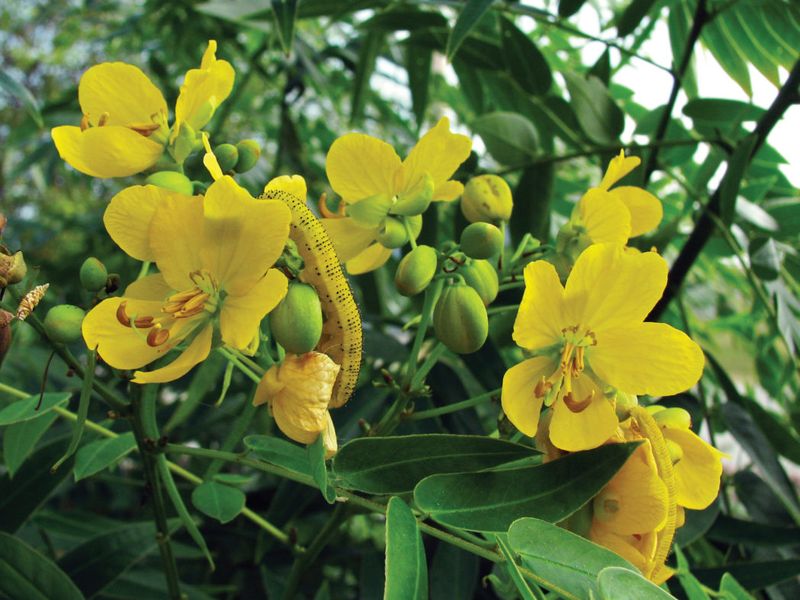
Need a bright spot in a sunny border? Privet senna brings clusters of yellow flowers and serves as a host plant for sulphur butterflies, including the cloudless sulphur.
Females can lay eggs on its foliage, and the caterpillars feed there before becoming the yellow butterflies that drift across Florida yards.
Place this native shrub where it has room to grow rather than squeezing it between small bedding plants. It suits sun to partial shade and, once established, can handle the well-drained, sandy conditions common in many Florida gardens.
Its cheerful flowers give the border a strong pop of color while offering nectar to visiting insects.
Look closely before treating a plant that seems to be losing leaves. Sulphur caterpillars can blend into the foliage or flowers, so the missing bits may be a sign of success rather than a pest emergency.
Letting a few leaves go is a fair trade for another generation of butterflies. If your yard has both dry and damp areas, privet senna also makes a useful partner for aquatic milkweed: each can occupy the soil conditions that suit it best.
6. Frogfruit
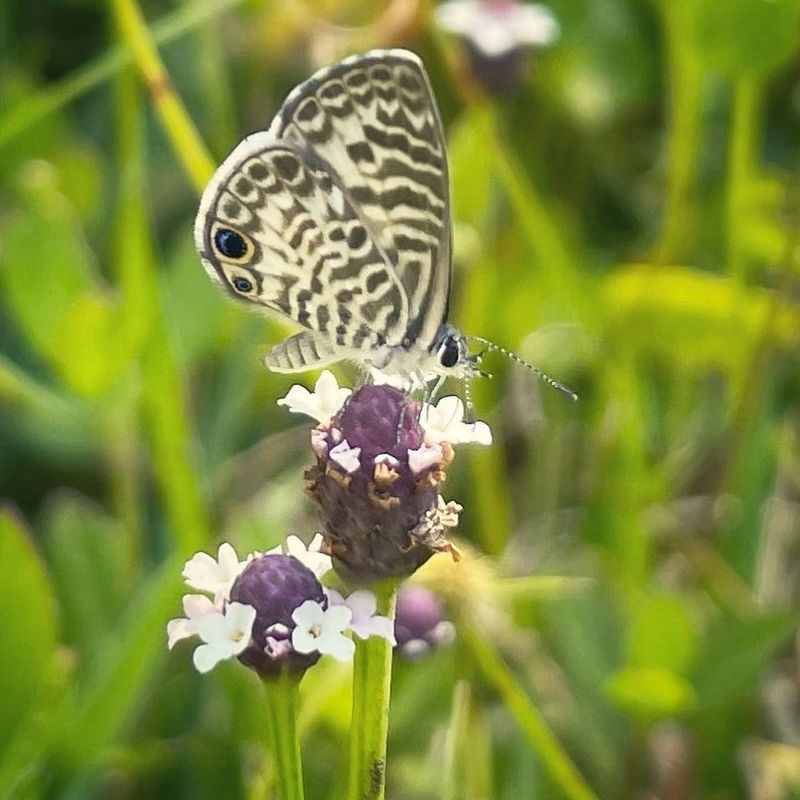
Between stepping-stones or along a lawn edge, frogfruit does something taller butterfly plants cannot: it covers the ground. This low, spreading Florida native bears tiny flowers that nectar-seeking butterflies can visit.
It also acts as a host plant for species such as the white peacock and phaon crescent, making a small patch more than a decorative carpet.
Use frogfruit where a low-growing plant can spread into open space. It tolerates sun and can handle some foot traffic, though a busy play area still calls for a tougher walking surface.
Once established, it can be a helpful alternative to keeping every edge of a bed clipped short. In suitable spots, its long warm-season bloom period keeps small flowers available when butterflies are active.
Give new plants water while their roots settle, especially in fast-draining sand. Afterward, watch where the stems travel and trim them back from paths or neighboring plants as needed.
Avoid mowing a butterfly patch too closely or too often: eggs and caterpillars may be on the foliage. A frogfruit strip beside taller native flowers creates layers of habitat without asking for another large garden bed.
7. Dotted Blazing Star
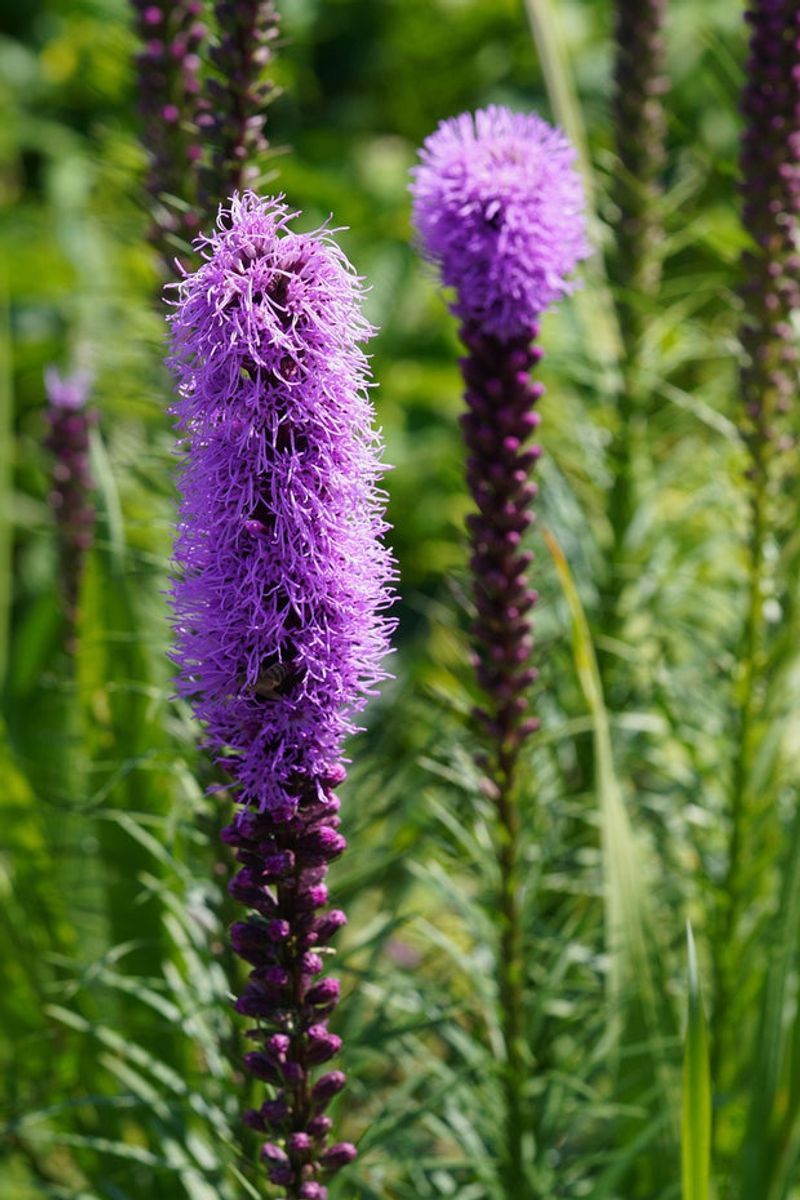
Once the caterpillar food is in place, adult butterflies still need a reason to stay and feed. Dotted blazing star supplies that missing piece with upright purple flower spikes that add height to a sunny border.
Its nectar can help visiting butterflies, including migrating monarchs, while nearby host plants supply leaves for the next generation.
Choose a sunny, well-drained spot for this native wildflower. Its shape works well tucked among lower plants such as frogfruit, where the flower spikes can rise above a green edge without blocking the view.
Sandy soil is a better match than a spot that stays soggy after heavy rain. Check that the nursery label says dotted blazing star, Liatris punctata, since different blazing star species can prefer different conditions.
Leave the blooms standing long enough for insects to use them, and resist the urge to make the whole border spotless at once. Staggering your cleanup leaves some cover while other plants grow in.
Dotted blazing star does not replace milkweed, coontie, or another caterpillar host. Its job is different and just as useful: offering nectar that helps turn a collection of host plants into a butterfly-friendly yard.