
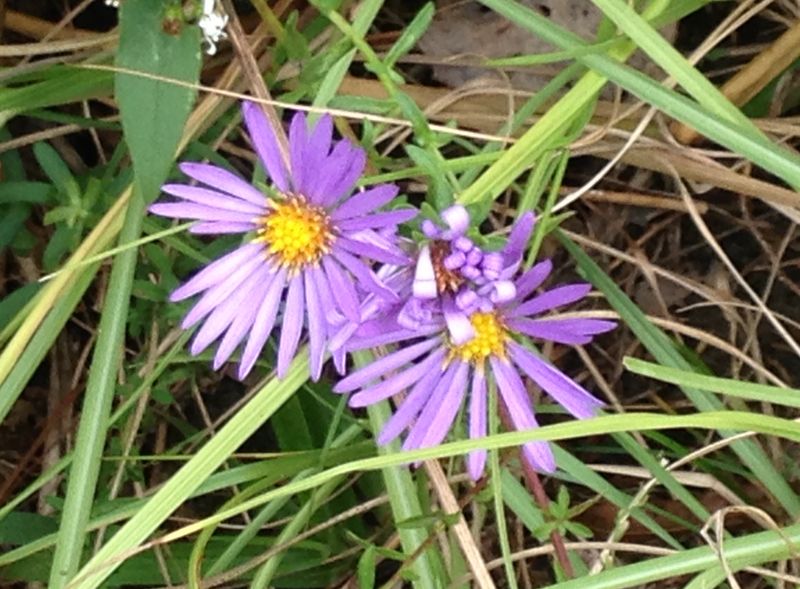
By the time fall settles in, many beds start to look tired. Big-headed aster is a native perennial that keeps going with showy purple flowers, and it may still be blooming after other plants have faded.
It does not fit every yard in North Carolina, so knowing where it belongs matters. Here is how to tell if it could earn a spot in yours.
Big-headed aster brings vivid color to the late-season garden
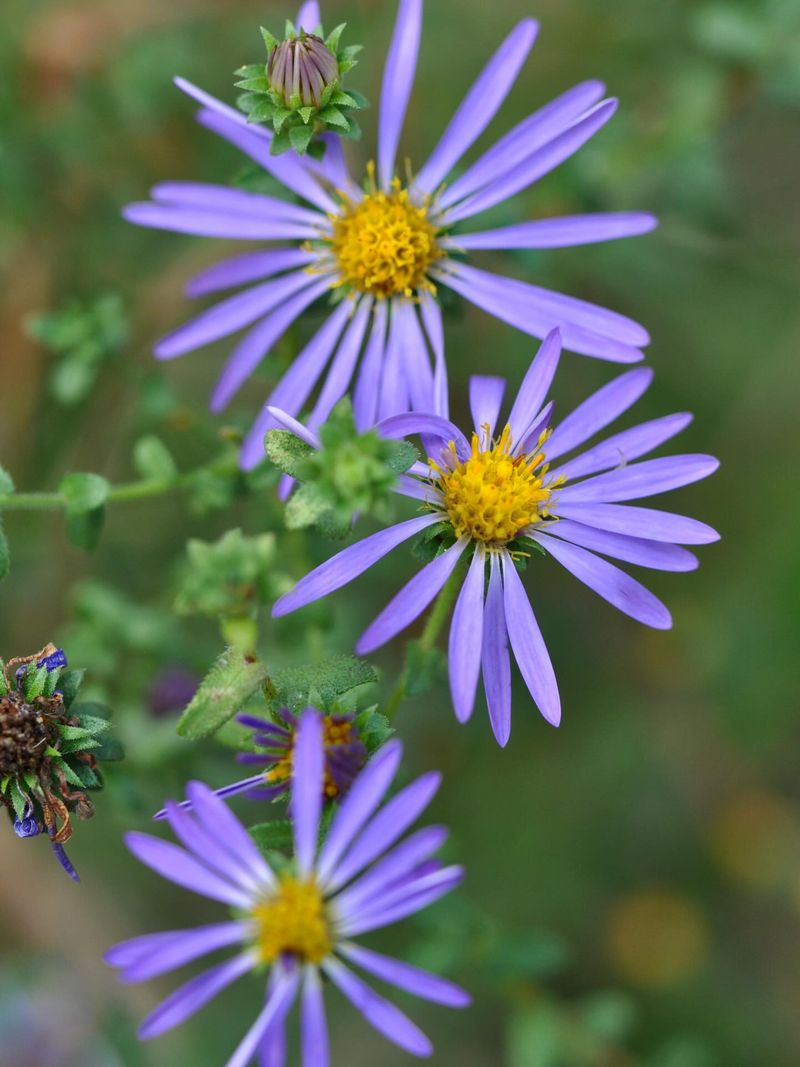
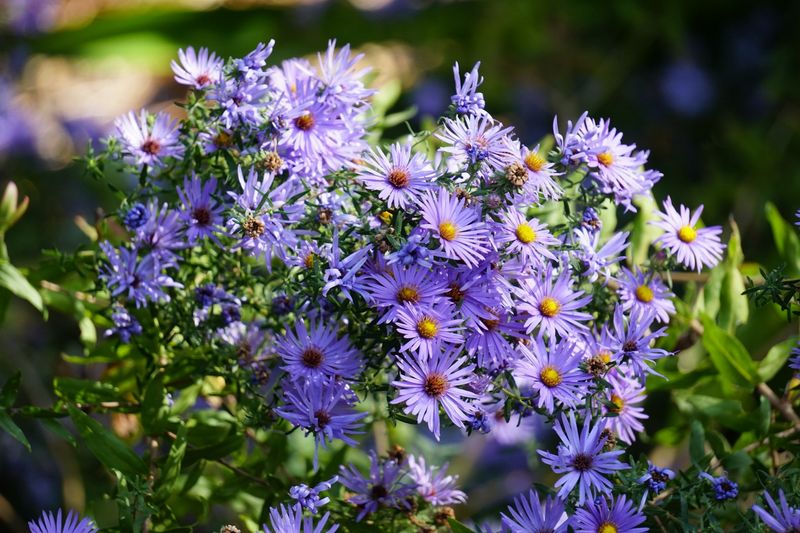
Picture a mounded plant about 2 to 3 feet tall and wide, covered in purple daisy-like flowers with yellow centers. That is big-headed aster, known to botanists as Symphyotrichum grandiflorum.
NC State Extension’s plant profile describes its showy purple flowers as measuring 1 to 2 inches across.
The same profile lists the bloom season as September through November. That is a long window, and it stretches well past the point when many summer perennials have finished.
Each bloom is large for an aster, so a healthy plant makes a bold splash of violet-purple against fading grasses and golden fall foliage.
A word of caution keeps expectations honest. Listed bloom time describes the species in general, not a promise for your yard this year.
Weather, local conditions, and the timing of the first freeze all shape how long the flowers last.
Still, the visual payoff is easy to imagine. Think of a front border where tall purple sprays rise above low evergreen groundcovers, or a sunny corner that suddenly has a focal point after summer color fades.
The next sections cover whether it is native near you, where to plant it, and how to keep it shapely.
Is big-headed aster native where you garden in North Carolina?
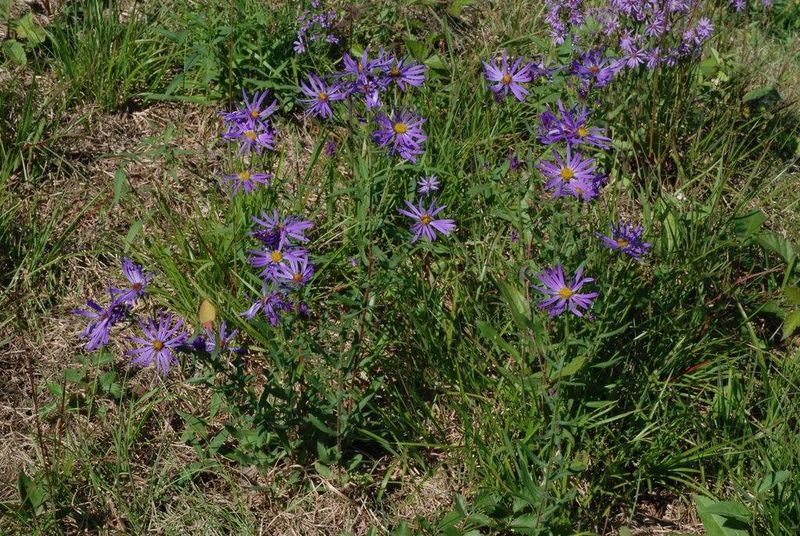
Local fit comes first. Big-headed aster is native to parts of the Coastal Plain and Piedmont, not to the whole state.
The Vascular Plants of North Carolina account describes it as frequent to locally common in parts of the eastern Piedmont, the western Coastal Plain, and the Sandhills, but infrequent or absent in other areas.
That patchy pattern means two neighbors in the same region may not share the same story. If you garden in the mountains or far eastern counties, check the distribution before you buy.
A county extension office or a native plant nursery can tell you how well it fits your area.
Range is one question, and bloom timing is another. NC State’s frost date chart, based on data through 2019, shows average first fall freezes ranging from October at mountain stations to November or later at some coastal ones.
A freeze that arrives early can end the show sooner.
Plants listed to bloom through November, as the NC State profile notes, may still be in flower late in the season in some years and places. In others, the last flowers may fade earlier.
Treat November color as a possible bonus, then enjoy the weeks of bloom that come before it.
Choose a site that matches its growing needs
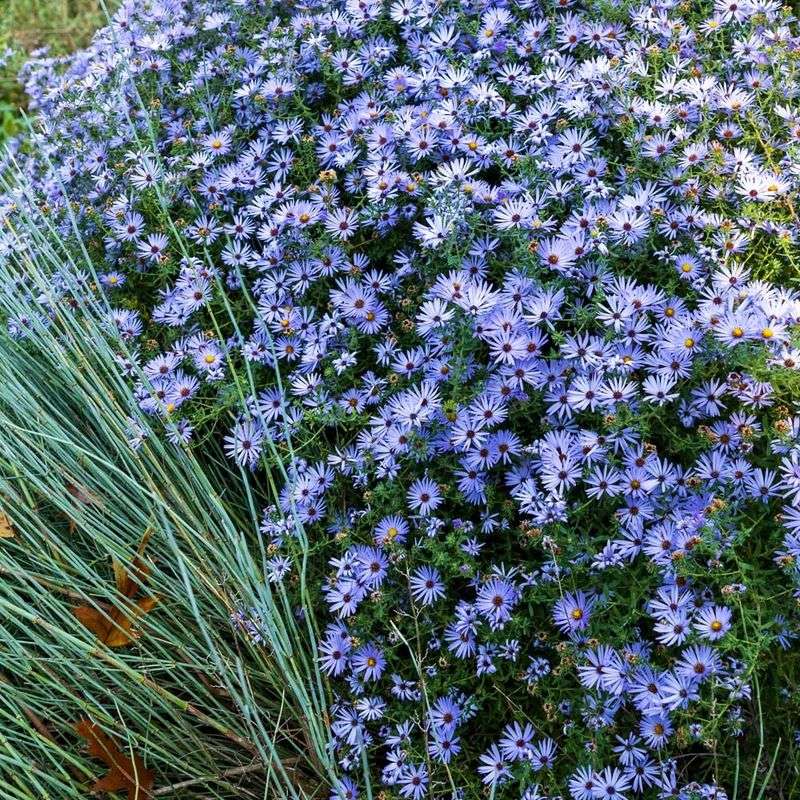
Walk your yard in the afternoon and look for light. According to NC State Extension, big-headed aster grows in sun or partial shade.
A spot that gets plenty of direct sun for much of the day is a natural starting point, while a bed with dappled light is also within its documented range.
Soil drainage matters just as much. The plant needs well-drained soil, and it handles conditions from moist to occasionally dry.
A low spot where water stands for days is a poor match, while a gently sloped bed or a border that drains after rain is a better one.
Size is the other piece. At roughly 2 to 3 feet tall and wide, it needs a place where it can fill out as a medium-sized clump.
Think mid-border, not the very front edge, and not tucked behind a path where it could crowd smaller neighbors.
Before planting, do a simple check. Note how many hours of light the spot gets, watch how it drains after a heavy rain, and picture a plant that size in that space.
If the answers fit, you have a promising location. If they do not, another native may suit that spot better.
A midsummer cutback can encourage a bushier plant
Late June is when some gardeners reach for pruners. NC Cooperative Extension notes that many asters can be cut back or pinched in early summer to encourage shorter, bushier plants.
For big-headed aster, cutting plants back by half in late June can promote more branching and more flowers.
Consider it a shaping option, not a rule. Plenty of gardeners skip it and enjoy the plant as it grows.
Cutting back also does not guarantee a specific bloom date, so think of it as a way to nudge the plant toward a fuller form.
The trade-off is simple. A trimmed plant may stay more compact and carry more flowering stems, while an untrimmed one may grow taller and looser.
If you like a tidier look in a formal border, the cutback may appeal to you. If you prefer a relaxed meadow feel, you can leave it alone.
Summer pruning is a different job from winter cleanup. Once the flowers finish, leave the stems and seedheads standing through winter, since they have value for wildlife.
Hold off on cutting everything down until growth returns in spring.
Its flowers can offer pollinators a useful resource
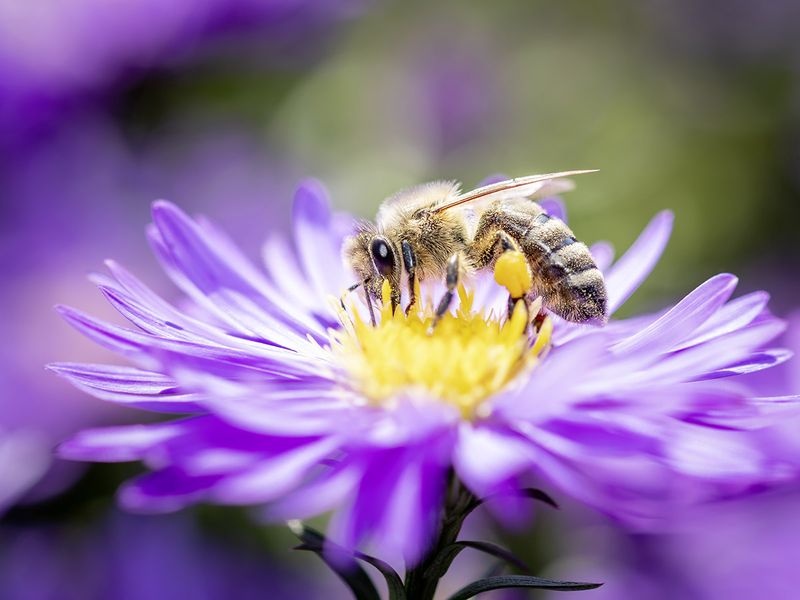
Open flowers with bright centers are easy for insects to land on. NC State’s plant profile lists bees and butterflies among the visitors to big-headed aster.
It also names specialist bees supported by the genus Symphyotrichum.
Specialist bees are native species that depend on a narrow group of plants for pollen. Asters are among the groups they use, which makes fall-blooming asters a useful part of a native garden.
NC Cooperative Extension also points out that asters can extend the garden’s fall bloom for pollinators.
Keep the claim realistic. Flowers can offer nectar and pollen while they are open, but visits are never guaranteed.
Whether insects show up depends on bloom timing, which species are active, the weather, and what else is flowering nearby.
Watching is part of the fun. On a mild, sunny afternoon, stand near the plant for a few minutes and see who stops by.
You may spot bees working the flower heads, or you may not, and either way the plant is doing its job as one contributor to a bigger picture.
Make it one part of a longer-season native planting
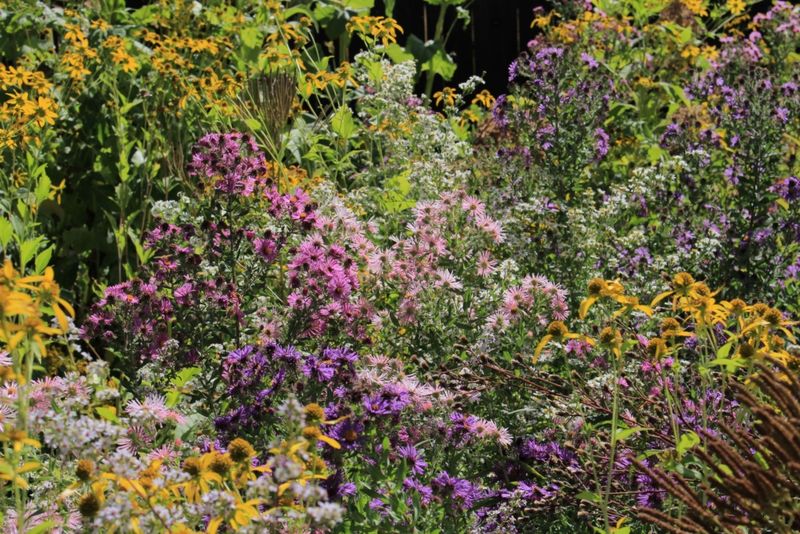
Think of big-headed aster as one accent in a longer lineup. If your yard falls within its range and has the right sun and drainage, it can anchor the fall end of the planting.
Other natives, such as goldenrods, can add their own fall interest alongside it.
Planning by season keeps the garden interesting from spring to frost. The NC State Extension Gardener Handbook recommends at least three native species blooming in each season.
NC State’s pollinator team likewise advises diverse plantings rather than relying on a single plant.
This weekend, sketch your beds and mark what blooms in spring, summer, and fall. Wherever fall looks thin and the site fits, a big-headed aster might fill the gap.
One plant will not carry the whole year, but a well-chosen few can.