
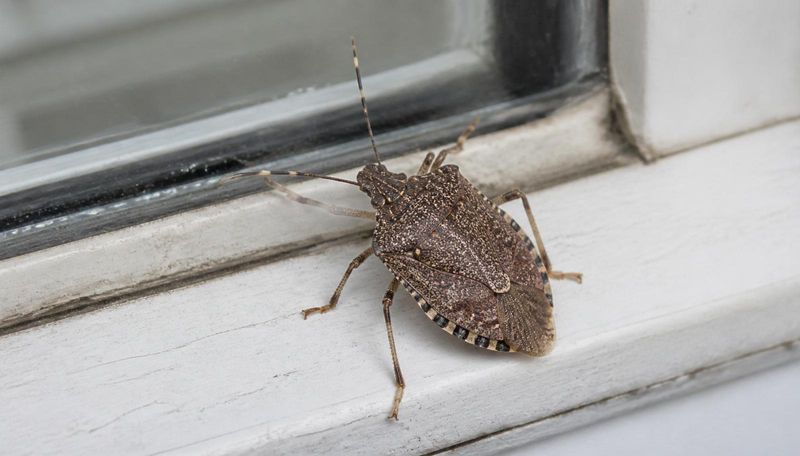
Finding a shield-shaped bug on the windowsill or curtains in autumn is a common homeowner headache. Headlines have pointed to a familiar herb as the fix, but the real story is narrower.
A study with spearmint oil gave researchers something interesting to measure, though it did not test your doorway or your garden pot. Here is what the research shows, and what actually helps keep brown marmorated stink bugs out of the house.
Why brown marmorated stink bugs seek shelter in fall
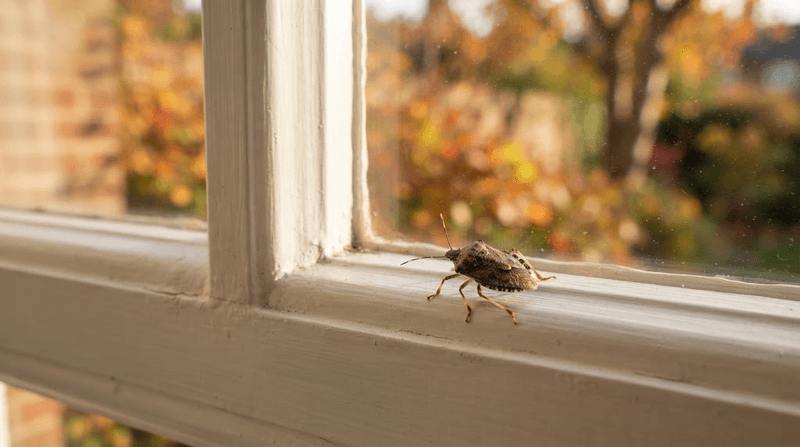
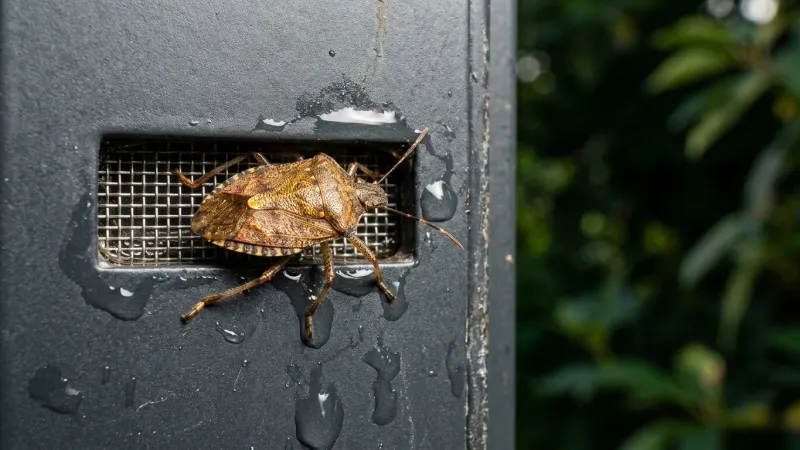
Late summer and fall bring a change in behavior for the brown marmorated stink bug, or BMSB. Adults look for sheltered spots to wait out the cold months, and buildings can fit the bill, as UF/IFAS describes.
That is why you may spot them on sunny walls, around window frames, or inside near light.
Once indoors, they are mostly a nuisance. According to University of Maryland Extension, they do not reproduce inside or damage the structure.
They can, however, release an odor when crushed or disturbed, so a gentle hand pays off.
Keep in mind that this seasonal habit describes BMSB specifically. Other stink bug species live in Southern yards too, and they do not all act the same way.
A bug on your wall is not automatically a BMSB, which is a point worth remembering before you act on any advice.
What the spearmint-oil field study found
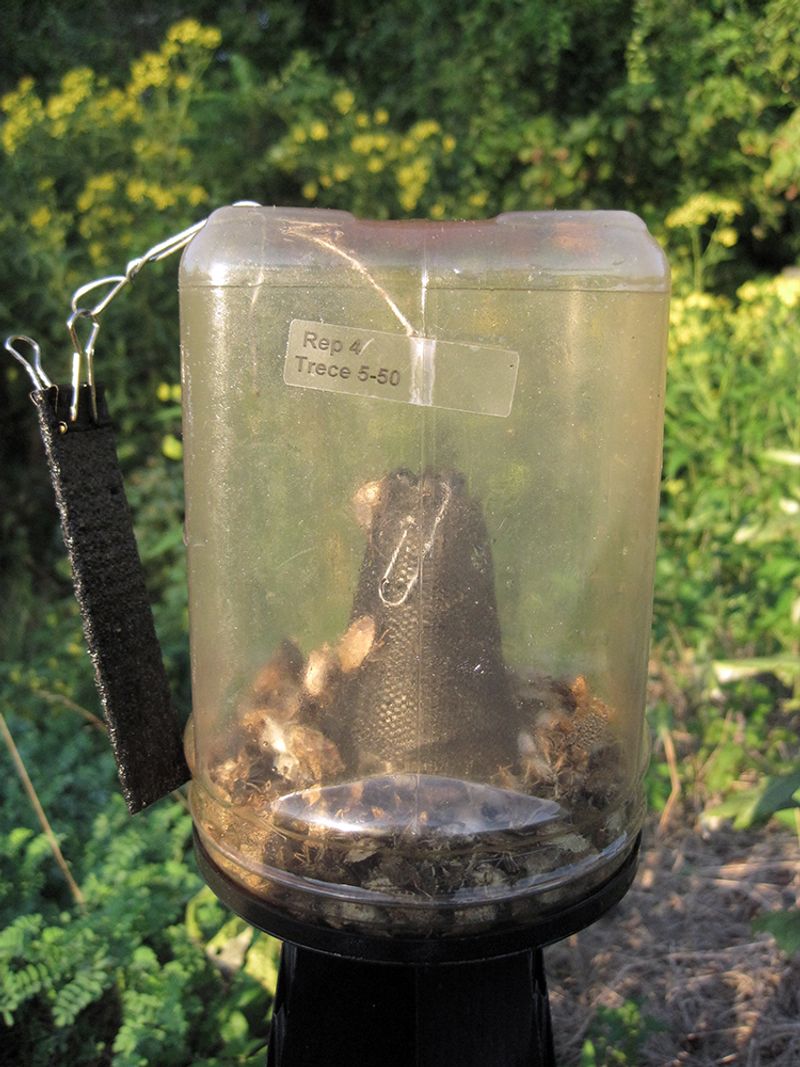
The herb claim traces back to a 2011 field experiment in Maryland. Researchers set up pheromone-baited traps for brown marmorated stink bugs, then placed essential oil dispensers alongside them.
They counted how many BMSB showed up in the traps.
In the Journal of Applied Entomology study, spearmint oil substantially reduced captures. Clove, lemongrass, and ylang-ylang oils also stood out.
The oils were released at measured rates, which is a controlled setup, not a kitchen experiment.
So what was actually shown? Spearmint oil near a baited trap meant fewer bugs landed in that trap.
That is a result about trap attraction. It says nothing about whether bugs would stay out of a house, so treat it as an interesting lab-to-field lead and not a home remedy.
A mint plant has not been shown to block a doorway
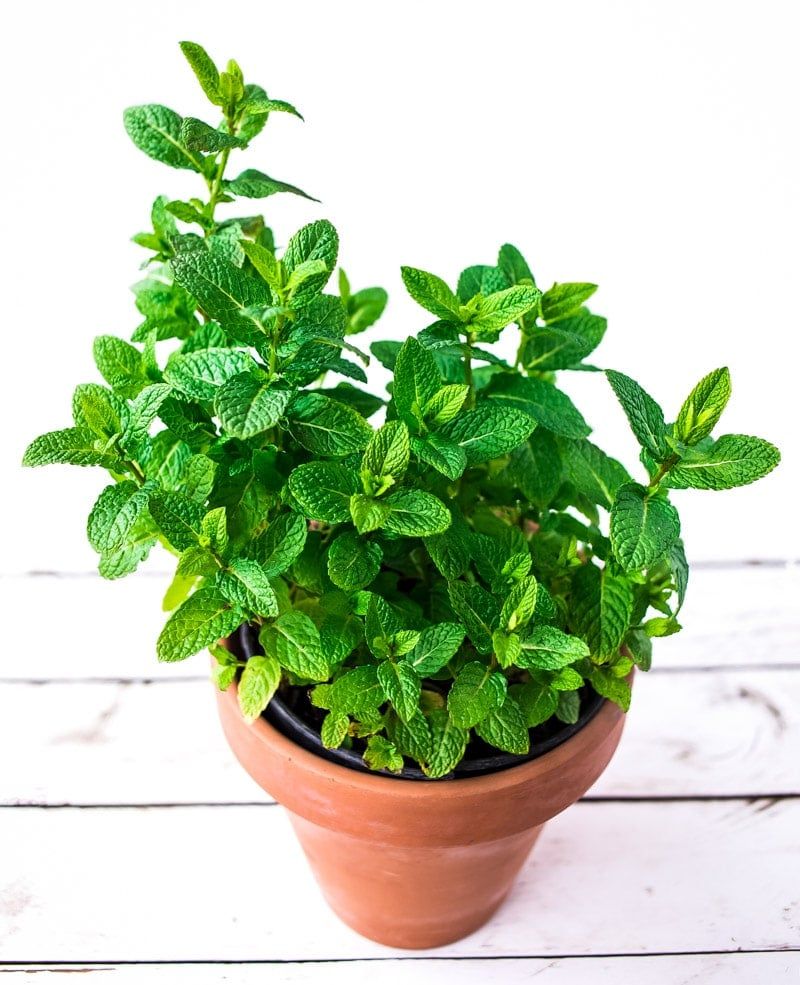
Picture a pot of spearmint by the back door. It looks like a neat answer, but the study never tested it.
Researchers used essential oil in field traps, not live plants growing in a garden or container.
The same goes for sprays. The work does not give a household barrier, a spray recipe, an application schedule, or season-long protection.
Anyone offering those details is filling in blanks the data does not cover.
That does not make mint a bad plant. It is easy to grow, and many gardeners enjoy it, though it spreads fast, so a pot keeps it in check.
Just do not count on it to guard the house. The steps with a better track record involve closing gaps, which comes up shortly.
Local BMSB risk depends on place and identification
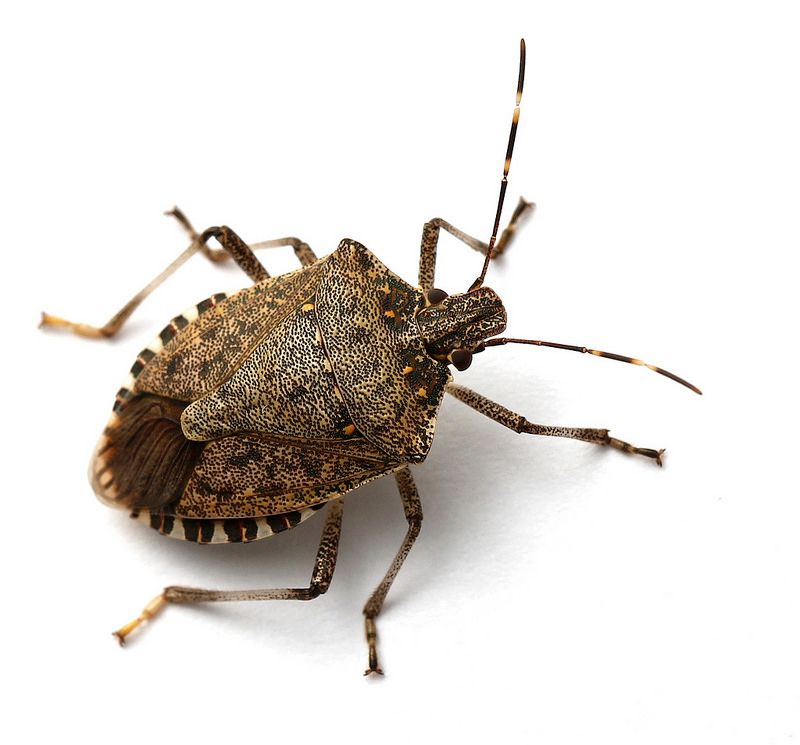
Southern readers should not assume BMSB pressure is the same everywhere. A UF/IFAS publication from 2018 reported a localized, confirmed Florida population in Lake County at that time.
It is not a current statewide status report, so check with your county extension office for today’s picture.
Texas has its own guidance. Texas A&M AgriLife Extension covers BMSB, but that does not mean Florida and Texas homes face equal risk of fall invasions.
Identification matters as well. Many stink bug species live in Southern yards, and BMSB advice fits BMSB.
If you are unsure what is crawling on your siding, take a clear photo and send it to your local extension office before changing anything around the house.
Seal openings to reduce the chance of entry
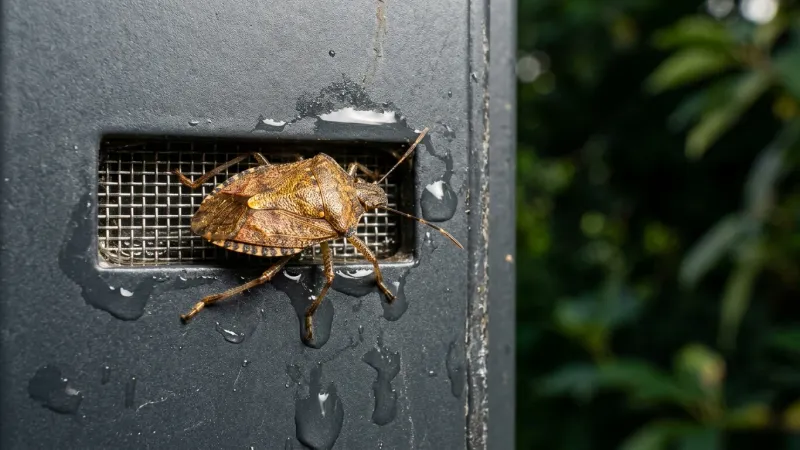
Blocking the way in is the main advice from extension specialists. University of Maryland Extension points to caulking gaps outside, and UC IPM Pest Notes lines up with that approach.
Walk the outside of the house with a tube of exterior caulk. Check around window and door frames, siding seams, utility pipes, and any other spot where a thin gap shows.
A bug needs very little room.
Next, look at screens. Patch tears, and make sure window screens sit snug in their frames.
Add weather stripping or a door sweep where daylight shows under or around a door.
Do this before bugs start gathering on sunny walls. These steps reduce the chance of entry, but no home is perfectly sealed, so a stray bug may still turn up.
Even then, you will likely see far fewer of them than if the gaps stayed open.
Remove indoor bugs without crushing them
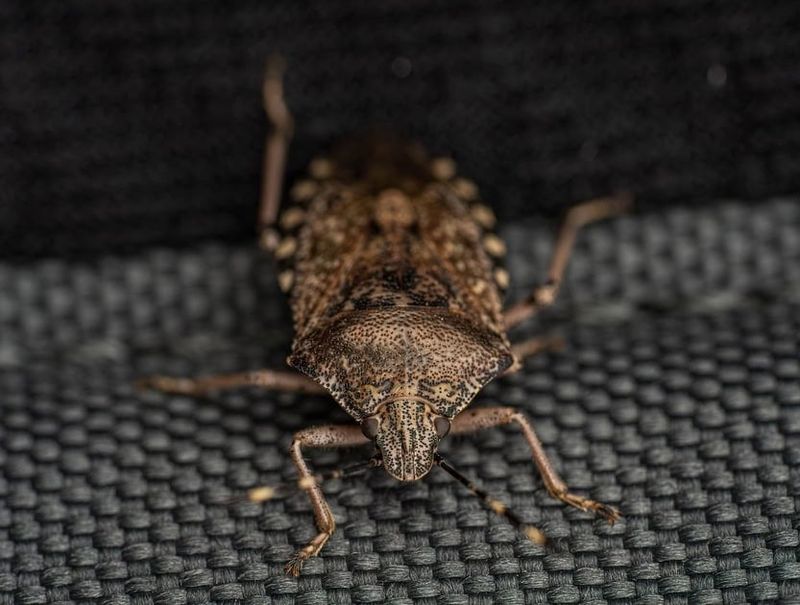
Already have a few inside? Stay calm and skip the swat.
Crushing or disturbing BMSB can release their odor, which turns a small annoyance into a smelly one.
Two options come from University of Maryland Extension and UC IPM. You can vacuum them up, or sweep them into a container of soapy water.
Vacuuming can leave an odor in the machine. If that bothers you, use a dedicated vacuum, or a capture method that keeps the bugs out of the canister.
A handy trick for the soapy water method is to hold a wide-mouth jar or bowl under the bug, then nudge it in with a piece of paper. Keep the container ready near windows where they tend to gather.
Why sprays and homemade oils are not dependable shortcuts
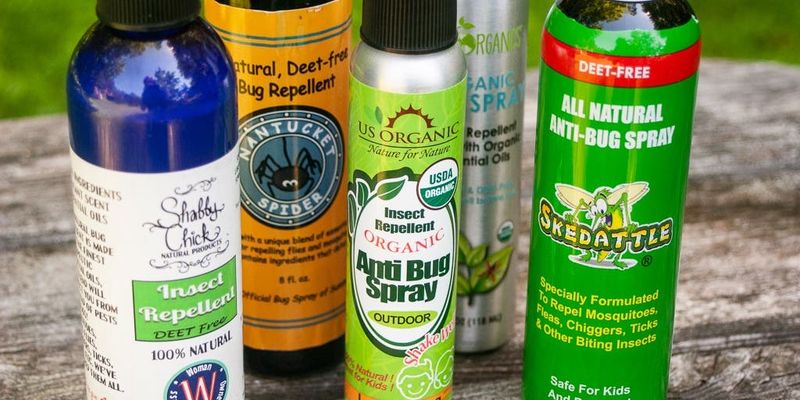
It is tempting to grab a can of spray or run a fogger. University of Maryland Extension says pesticides are generally ineffective and not recommended for controlling BMSB in or around the home.
Foggers will not stop more bugs from entering.
Homemade oil mixes raise another question. EPA says certain minimum-risk pesticide products can be exempt from federal registration if they meet specific conditions.
Meeting those conditions does not show that a mix works on stink bugs, or that it is safe for every person or pet.
EPA also notes that some unregistered repellent products have not been evaluated for effectiveness. Its repellent page covers skin-applied products, so it does not speak to oils used around the house.
If you use any product, follow its label. Natural does not automatically mean harmless.
Choose exclusion over the mint claim
Spearmint oil cut BMSB captures in field traps, but nothing shows that mint keeps them out of homes. Put your time into caulking gaps, repairing screens, and removing indoor bugs without crushing them.
Grow the mint for tea, and fix the gaps for the bugs.