
A cold snap can leave a hibiscus bare just when your yard could use more color. Florida natives offer other ways to brighten the cooler months, from low flowers along a path to a vine near the porch.
Bloom times change across the state, so the right pick depends on where you live. Here are seven plants worth a spot in your winter garden.
1. Dune Sunflower
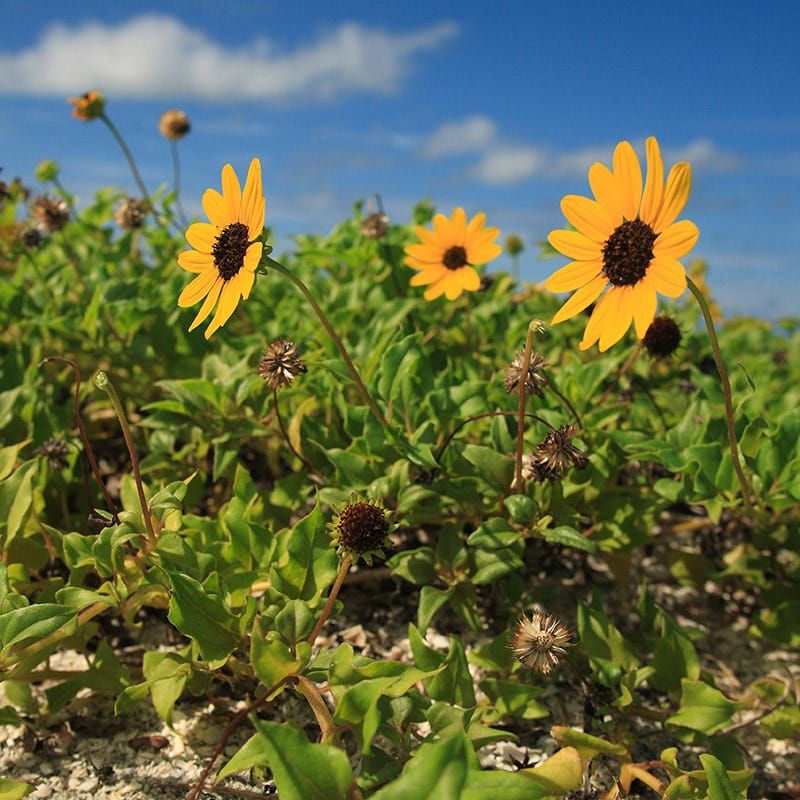
Few flowers make a sandy front yard look as cheerful as dune sunflower. Its small, bright yellow blooms appear above a loose mat of green leaves, giving a walkway or mailbox bed color without the stiff look of a formal border.
In frost-free parts of Florida, it can flower through much of winter, although a cold spell may slow it down.
Give dune sunflower full sun and soil that drains quickly. It is well suited to coastal gardens and other dry, sandy spots where fussier flowers struggle.
Use it where the stems have room to spread, rather than squeezing it beside tiny plants. The flowers attract pollinators, and the leafy growth helps cover bare ground.
Check the plant label before buying: Florida has different dune sunflower forms, and a locally appropriate native selection is the best choice. Trim sprawling stems if they reach a path, but avoid heavy feeding or frequent watering once the plant is established.
In North Florida, expect frost to pause the show; farther south, it can be a reliable source of winter yellow.
2. Tropical Sage
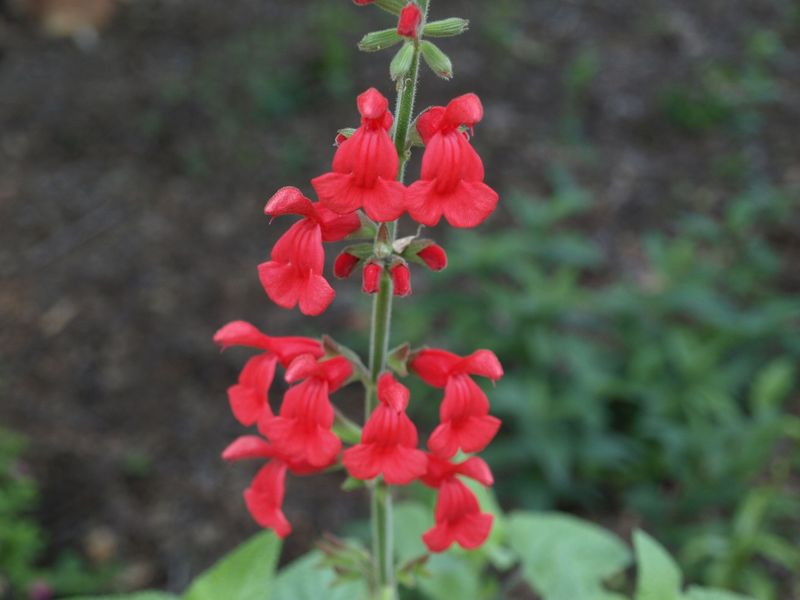
A flash of red outside the kitchen window might be a hummingbird stopping at tropical sage. This Florida native carries small tubular flowers on upright spikes, adding color without taking over a bed.
Red is the familiar form, though plants with pink or white flowers are also available. In warmer parts of the state, blooms can continue into winter.
Set tropical sage in a spot with sun to partial shade and reasonably well-drained soil. It is useful along a porch, near a window, or behind lower flowers, where you can enjoy the visitors it draws.
Hummingbirds and butterflies use the flowers, while the airy stems leave room for neighboring plants to show.
Cold weather changes the plan in North Florida: frost may kill the top growth, even if the roots return in spring. Leave a little standing growth until the worst cold has passed, then cut back damaged stems.
The plant also self-seeds, so you may find young plants nearby. Keep the seedlings you want and pull the rest while they are small.
3. Blanketflower
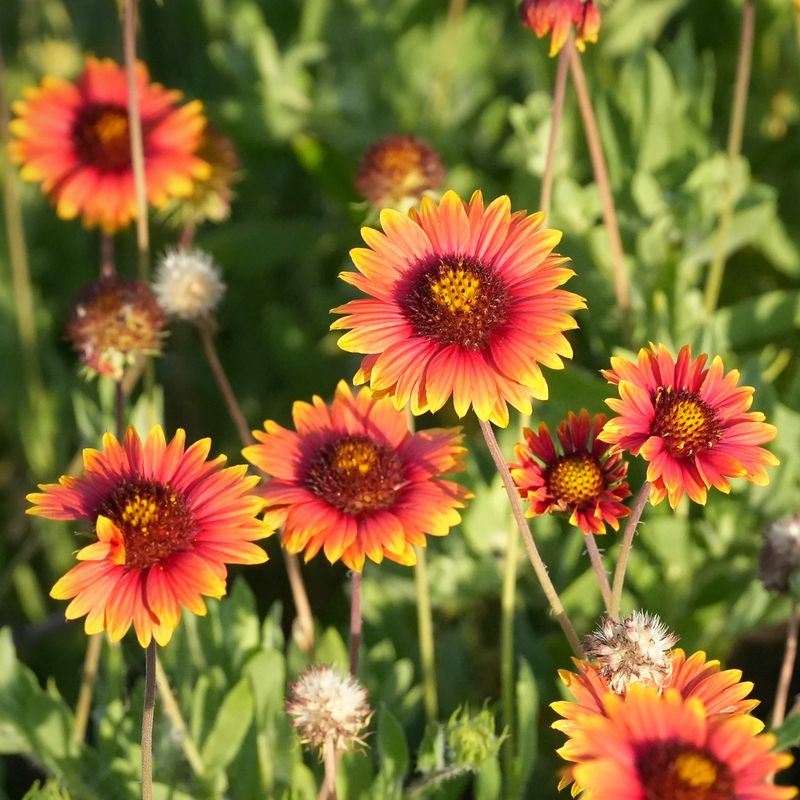
For a flower that looks ready for a beach picnic, try blanketflower. Its daisy-like blooms mix red, orange, and yellow, so even a small planting can wake up a plain border.
It often flowers for a long stretch in Florida, including mild winter weather, and pollinators visit the open blooms.
The trick is drainage. Plant blanketflower in full sun and sandy soil that does not stay wet, especially during cooler months.
It fits naturally near a driveway, in a sunny front bed, or among other low plants in a coastal-style garden. Once established, it generally needs less attention than thirsty annual bedding flowers.
Skip rich soil and heavy fertilizer, which can encourage weak growth instead of a sturdy plant.
Blanketflower is often short-lived, so think of it as a plant that may renew itself by seed rather than a permanent shrub. Leave a few spent flower heads if you want seedlings, and remove extras where they crowd a path.
Winter flowering is strongest where freezes are rare; farther north, enjoy its late-season color and expect a quieter period after hard frost.
4. Blue Porterweed
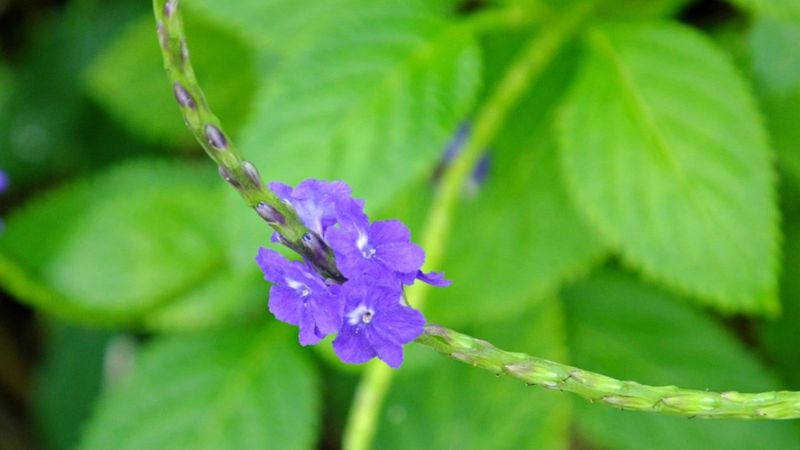
Look closely at blue porterweed and you will see tiny blue flowers spaced along long, slender spikes. From a few steps away, the effect is soft and lively, especially when butterflies move from spike to spike.
Native blue porterweed is a useful pick for South Florida gardeners who want flowers during the cooler part of the year.
Give it sun to partial shade and well-drained soil. Its low, spreading habit works beside a path or at the front of a wildlife-friendly bed, where the flowers are easy to see.
Water new plants until they settle in, then avoid keeping the soil soggy. Blooms can slow during unusually cool weather, and frost can damage the plant, so it is not a dependable winter display throughout North Florida.
Shop carefully here. Plants sold simply as porterweed can be different species or hybrids, including taller nonnative types.
Ask for native Stachytarpheta jamaicensis and confirm the botanical name on the label. That small check helps you get the lower-growing plant you intended, rather than discovering a much larger one in your front border.
5. Beach Verbena
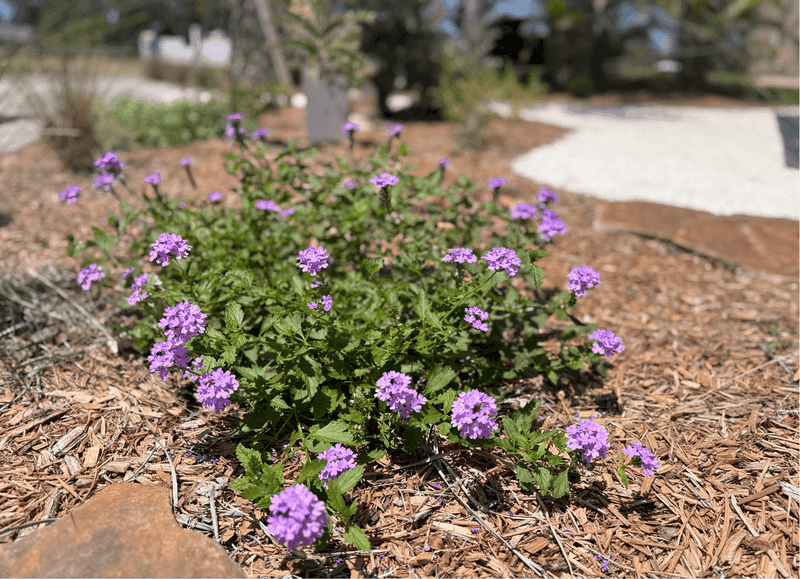
Purple flowers at the edge of a sunny path can make a winter garden feel anything but sleepy. Beach verbena stays low and trails across the ground, placing clusters of blooms where you can appreciate them up close.
It is native to Florida and especially suited to warm coastal settings, where mild winter days can support flowering.
Choose a sunny place with sharply draining sand, such as the edge of a dry border or a coastal planting. Beach verbena is not a fix for a damp, shaded corner: wet soil can work against the very conditions it likes.
Give young plants water while they establish, then ease back rather than treating them like thirsty bedding annuals. Their ground-hugging shape is handy where you want color without blocking the view from a porch.
This is a choice to match to your location. Beach verbena is most useful as a winter bloomer in warmer parts of Florida, not as a promise of January flowers after a North Florida freeze.
Buy nursery-grown plants from a reputable source rather than collecting them from wild coastal areas, where native vegetation has work to do holding sand in place.
6. Leavenworth’s Tickseed
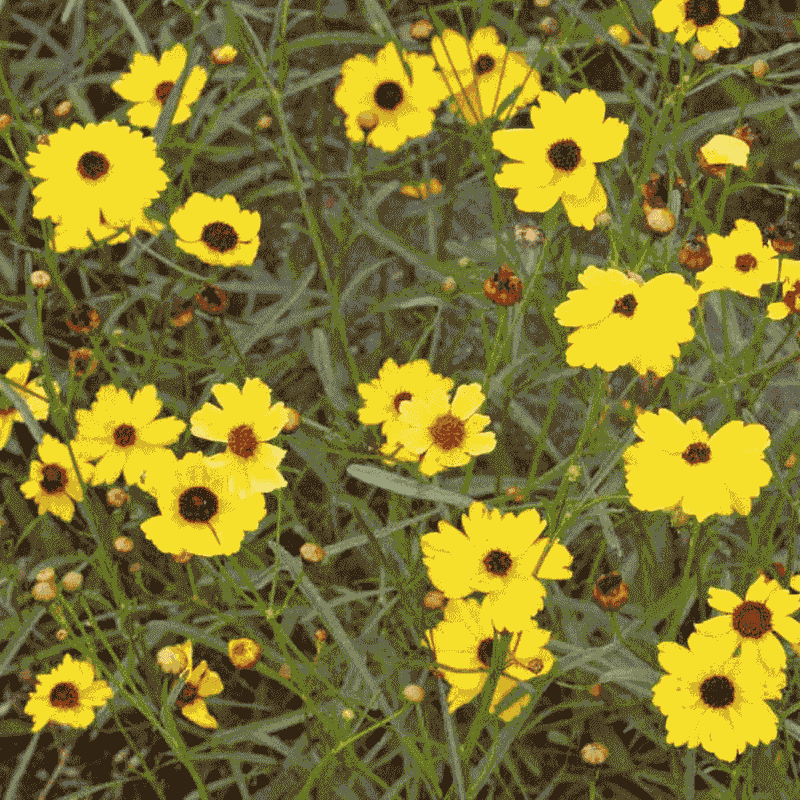
Florida’s state wildflower has a particularly useful local representative in Leavenworth’s tickseed. Its yellow flowers have darker centers and sit on slender stems, making a patch look light rather than crowded.
For gardeners tired of replacing summer color, it offers a different rhythm: plants can flower through mild periods, with a strong display as winter gives way to spring.
Plant it in full sun and moist to moderately dry soil that drains well. A small group looks good in a natural-style front bed or around a rain garden’s drier edge.
Bees visit the flowers, and the fine texture pairs nicely with sturdier native plants. Unlike dune sunflower, tickseed grows upright, so it can bring color just above a low groundcover.
Leavenworth’s tickseed is often short-lived and may self-seed where conditions suit it. Let some seed heads mature before tidying the bed if you want a new crop.
Check the botanical name, Coreopsis leavenworthii, when shopping, since garden centers sell several kinds of coreopsis. Freeze timing and local conditions affect bloom dates, so treat winter flowers as a welcome possibility rather than a statewide guarantee.
7. Carolina Jessamine
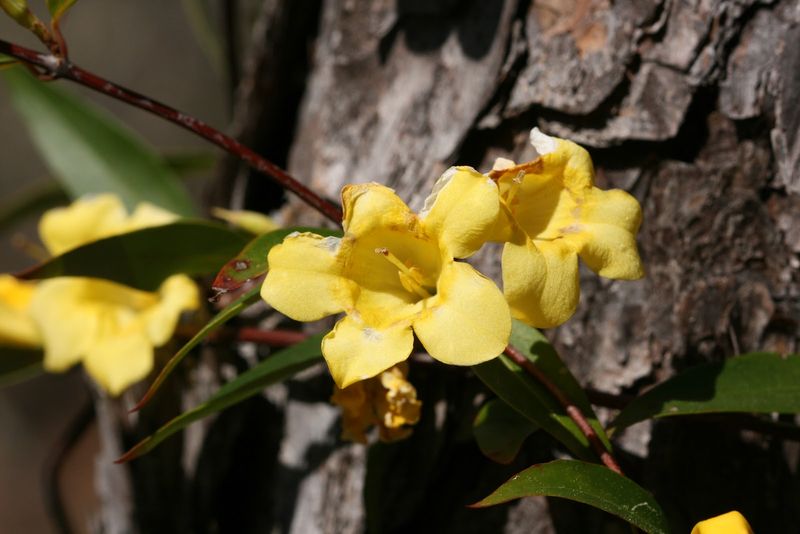
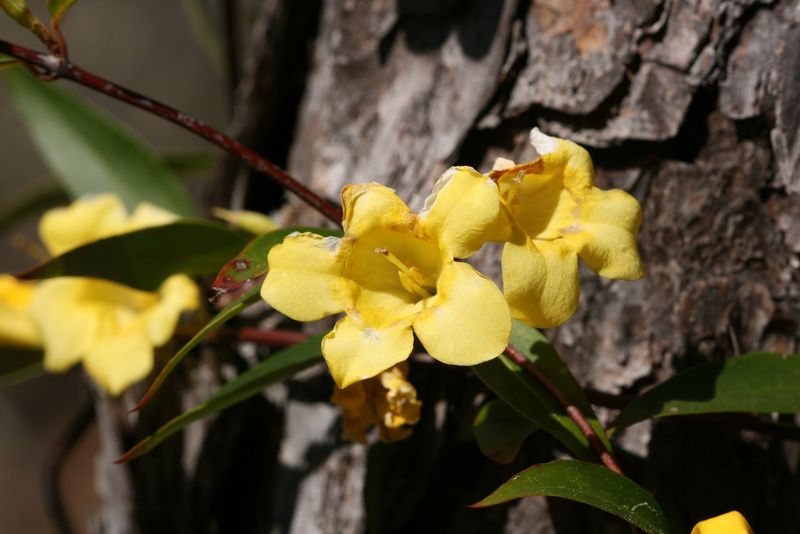
When the flat parts of the garden are already full, look up. Carolina jessamine can turn a fence or sturdy trellis into a curtain of golden trumpet-shaped flowers.
Unlike the low bloomers on this list, its big moment often arrives in late winter or early spring, giving the yard a lift before many warm-season plants get going.
Plant this Florida-native vine where it can climb with support, in sun to partial shade and well-drained soil. More sun generally means a fuller flower display.
A trellis near an entry can make the blooms easy to enjoy, but leave room to guide the stems and trim them after flowering if they wander. Established plants can handle some dry weather, though new vines need regular water while their roots grow.
There is one firm safety rule: all parts of Carolina jessamine are poisonous if eaten. Choose a location away from children or pets likely to chew plants, and do not confuse it with edible jasmine.
Its bloom season will vary with the weather, but as a late-winter handoff from a frost-hit hibiscus, few vines make a brighter entrance.