
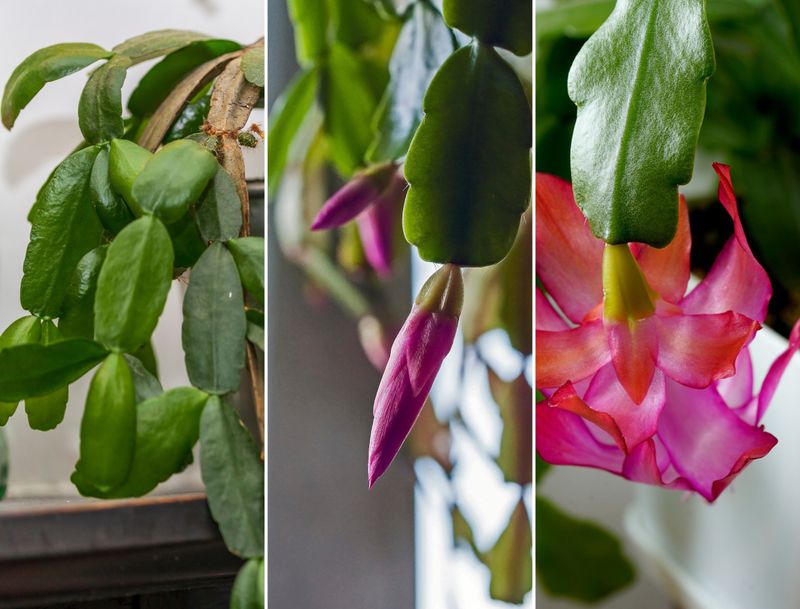
A Christmas cactus that stays green all fall can leave you wondering what it is waiting for. Day length and night temperature both play a part in telling the plant to start making flower buds.
A cooler indoor spot is one helpful option, and a dark night routine is another. Here is how to use each one without stressing the plant.
Cooler nights can encourage bud initiation
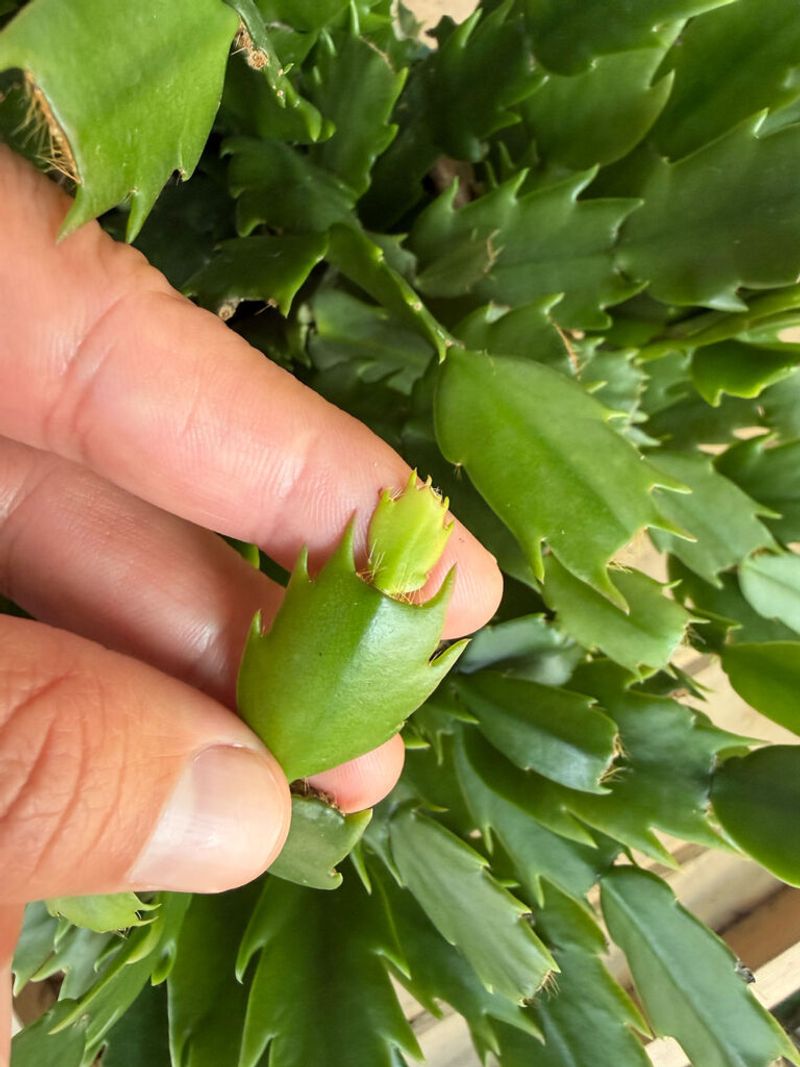
Holiday cacti decide when to start flower buds based on two things: day length and night temperature. Commercial growers have studied this closely, and UMass Extension guidance reports that plants held at 50 to 59°F nights may start buds under either long or short days.
At 60 to 75°F, short days are needed.
That makes cooler nights one more option for encouraging new buds, not a requirement. A plant kept in a warmer room can still bloom with the right dark nights, which we cover below.
Keep expectations realistic. Cultivar, earlier growing conditions, and timing all affect the result, so cool nights are not a guaranteed rescue.
They also apply only to a plant that has not yet formed buds. If you already see tiny buds, skip the chill and move on to steady care.
Choose a cool indoor spot, not cold exposure
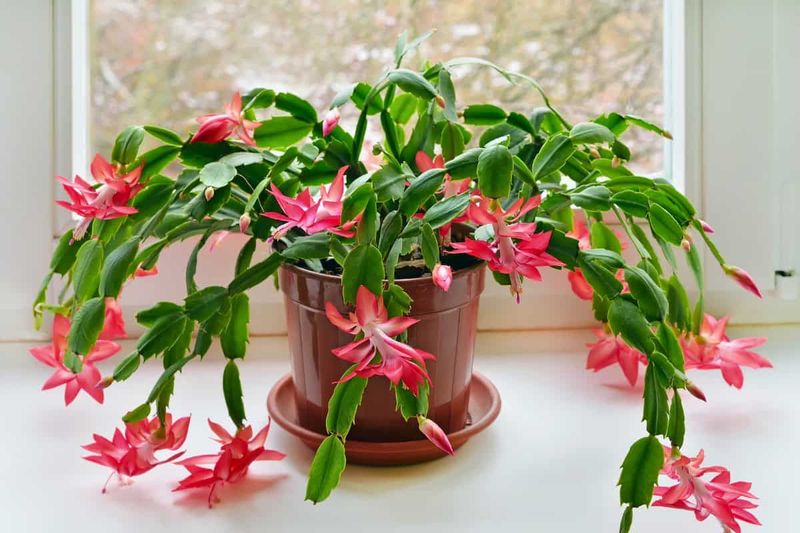
For a home target, aim for nights around 55 to 60°F with bright daytime light. UConn Extension suggests 60 to 70°F days and 55 to 60°F nights, and University of Minnesota Extension also points to a bright, cool indoor location.
Treat that range as useful guidance, not a promise of flowers. The commercial 50 to 59°F finding describes greenhouse conditions, and it does not mean a houseplant should be pushed colder.
Dropping below 50°F will not force buds. A North Carolina Extension reference says buds do not form below that night temperature.
A spare bedroom or a bright, cooler corner works better than a cold porch.
Keep temperatures and location steady
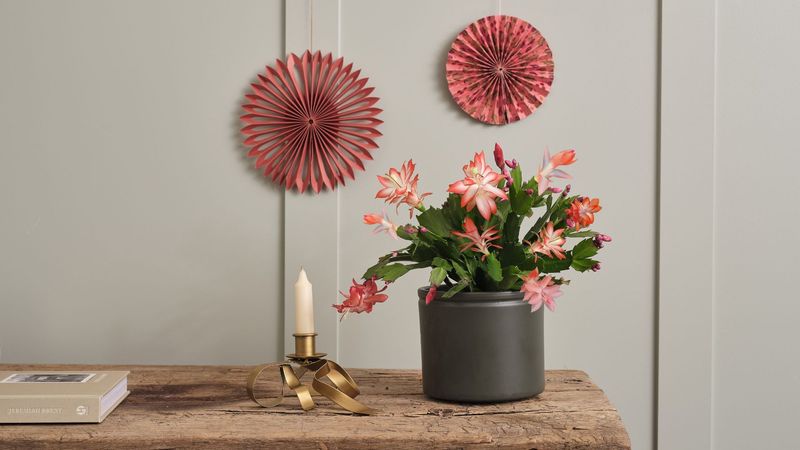
Once you find the coolest suitable room, leave the plant there. Sudden changes in temperature or location can contribute to bud drop, according to Iowa State Extension, and a UF/IFAS Nassau County post on losing buds says much the same.
Keep the pot away from heaters, vents, and drafty doors or windows. A spot beside an air conditioner vent or a leaky entry door can swing the temperature more than you would expect.
Southern readers in Florida and Texas do not have a tested outdoor routine to follow. Skip moving the plant outside and back in.
Pick the coolest stable room in the house and let the plant settle there, as the Minnesota guidance on bright, cool placement also suggests.
Use uninterrupted darkness if your home stays warm
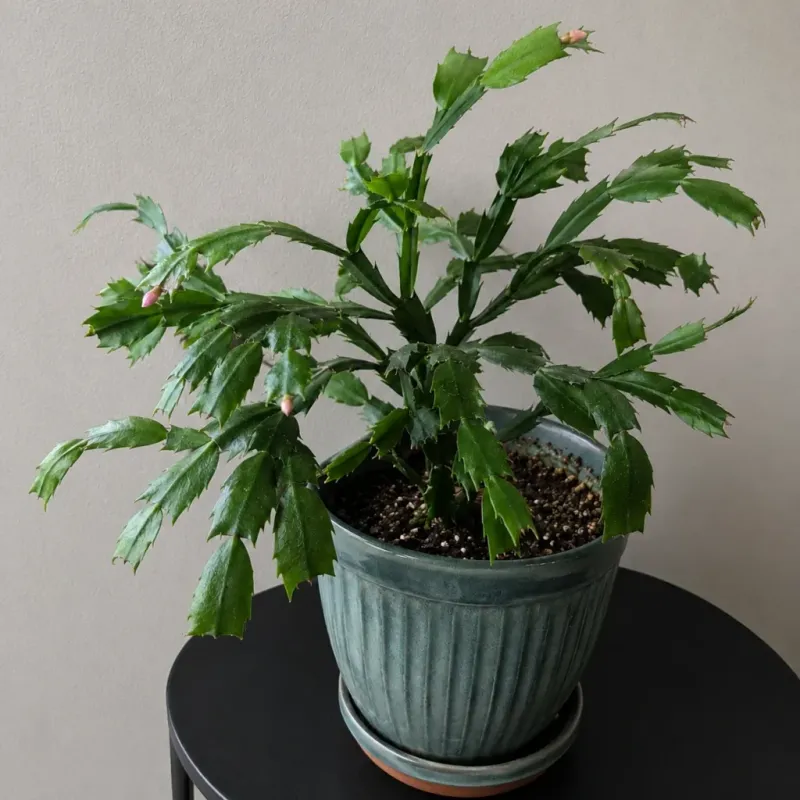
Many Southern homes hold nights near 60 to 65°F or warmer. In that case, short-day treatment is the practical option.
Give the plant at least 12 hours of complete, uninterrupted darkness every night, as University of Minnesota Extension advises.
Extension guidance runs from about four to six weeks, and some cultivars may need longer. UConn Extension gives similar advice.
Light during the dark period counts against you. Room lights, lamps, and grow lights all interrupt the night, so a closet or a quiet spare room works well.
Bring the plant back to bright light in the morning.
You do not have to combine every method. Cool nights or long dark nights can each help, and neither guarantees flowers.
Protect the plant as buds develop
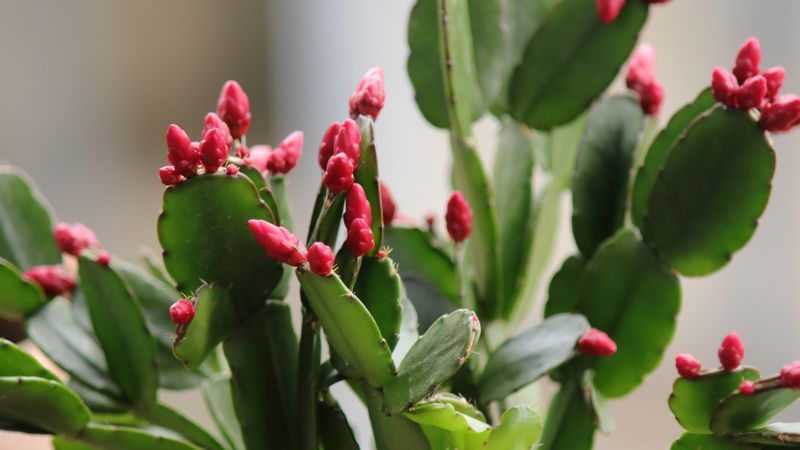
Starting buds and caring for buds you can already see are two different jobs. Once buds show, the plant does not need a chill.
It needs steady conditions.
Withholding water to trigger flowers is not a supported method. UMass Extension reports that research has not backed that practice and that water stress during induction can reduce bud set.
Keep the mix from getting severely dry.
Avoid unnecessary moves. Iowa State Extension advises leaving the plant in place until flowers start opening, and Wisconsin Extension warns against sudden shifts in light or temperature.
If a few buds fall, check for a recent move, a draft, or a heat source before changing anything else.
October is a starting point, not a deadline
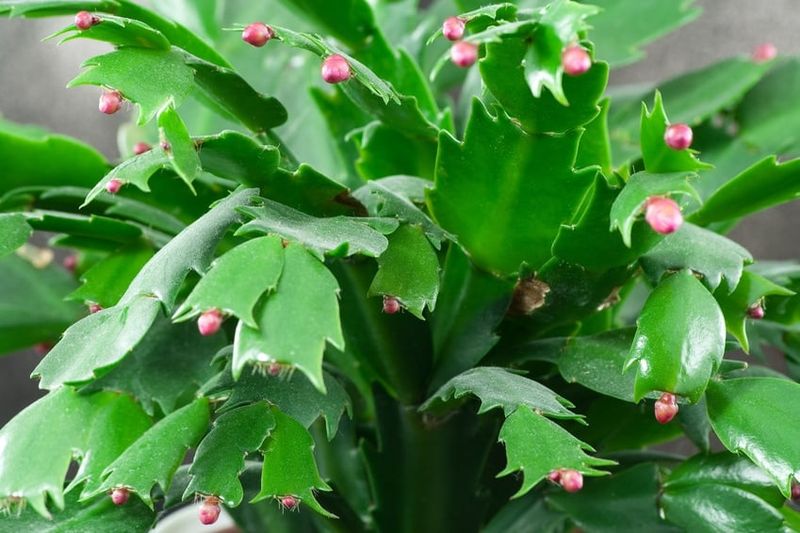
October is a commonly recommended time to start, but it is not a last chance. Examples show how timing can work under described conditions.
UMass notes buds may take about eight weeks to open after short-day treatment begins in its production setup.
UF/IFAS gives one home schedule: start October 14 for full bloom around December 23. Treat both as examples, not promises for your plant.
Holiday cactus types and hybrids differ, and so do their homes. Some peak near Thanksgiving, and some bloom later.
As Iowa State and Wisconsin Extension both note, the name covers several plants.
A cactus that blooms a little off the calendar still gives you flowers.