
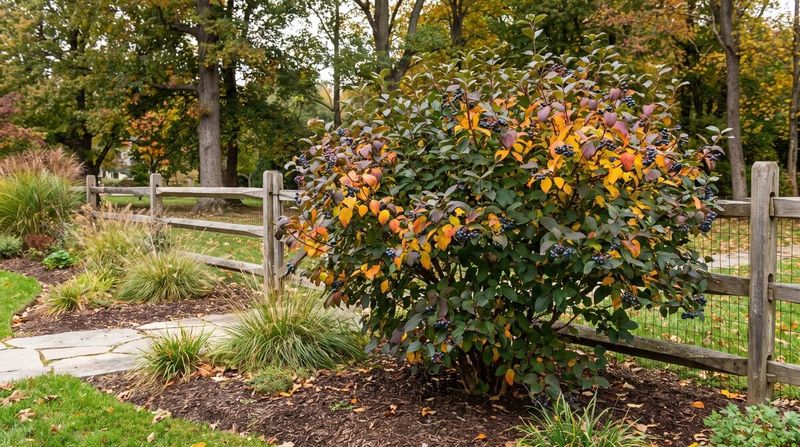
A bare back fence can make a yard feel exposed, and a row of shrubs that also feeds birds sounds like a double win. Arrowwood viburnum is a North Carolina native that may do both jobs, with some limits worth knowing before you buy.
It loses its leaves in winter, and berries take time. Fall is a good moment to plan, so here is how to decide if it fits your fence line.
Arrowwood fits the North Carolina fence-line role
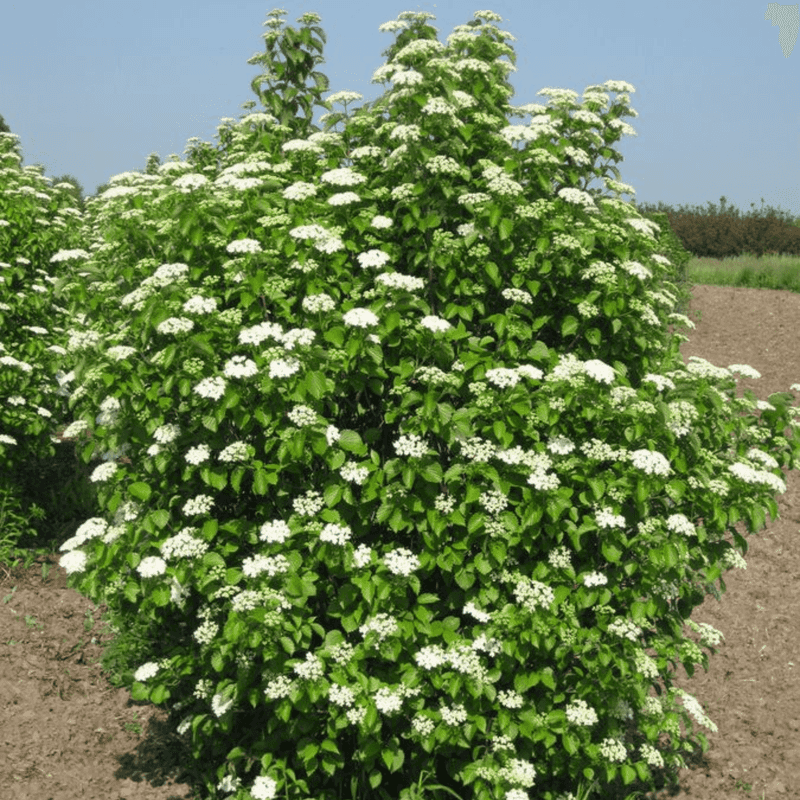
Arrowwood viburnum (Viburnum dentatum), sometimes sold as southern arrowwood, is worth a look if you are planning a planting along a back fence. NC State’s Plant Toolbox lists it as native across the Coastal Plain, Piedmont, and Mountains, so it belongs in the state’s natural plant community.
The same source describes it as a multi-stemmed, deciduous shrub that typically grows 5 to 10 feet tall and 6 to 10 feet wide. Hedges and screens are among its listed uses.
That size is large enough to soften a fence line and hide some of what sits beyond it.
A quick word on the title’s premise: nothing in the research shows a measured surge of North Carolina gardeners planting it. The case for arrowwood rests on how well the plant suits the job, not on a trend.
It is a sensible candidate, not a guaranteed fix.
Native range is a good starting point, but your own yard still decides the outcome. A shady, soggy corner in the Coastal Plain and a sunny, well-drained slope in the Piedmont are very different places.
Walk the fence at different times of day and note the light and drainage before you shop. That small habit can save you from planting the right shrub in the wrong spot.
How much privacy survives winter?
Picture the fence in July, then again in January. In summer, arrowwood’s leaves can fill in a good deal of the view.
After leaf drop, that coverage thins out.
The reason is simple: NC State lists the shrub as deciduous. Think of it as a leafy screen for the growing season, not a year-round wall.
The branches and height still give the planting some structure in cold months. How much winter privacy that provides is not something the sources measure, so do not count on a set amount.
Your result will depend on the cultivar, how dense the stems get, and how close the neighbors are.
If you need cover all twelve months, plan for it. Some gardeners pair deciduous shrubs with evergreen natives in the spots that matter most, such as the line of sight from a patio or a second-story window.
Others simply accept a more open fence in winter and enjoy the bare branches.
Decide which camp you are in before planting. Arrowwood suits the person who values green summer screening and wildlife more than constant winter cover.
Flowers and berries add a second payoff
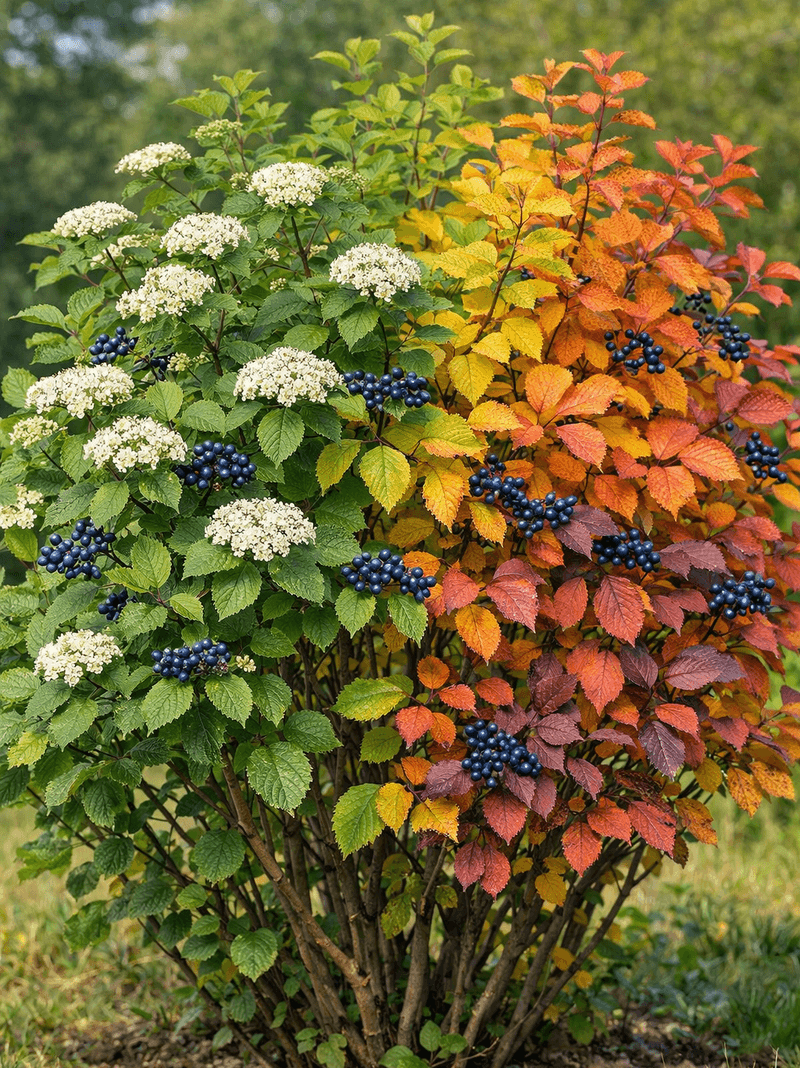
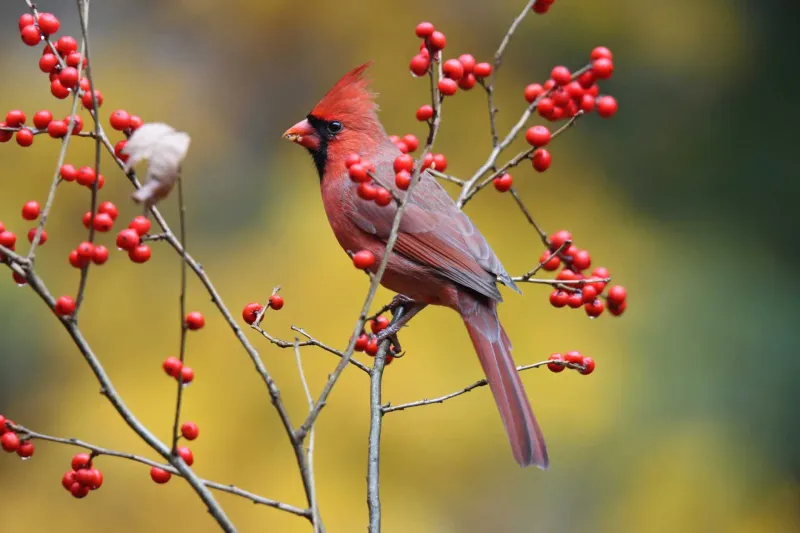
Spring brings flat clusters of white flowers that attract pollinators. Later come blue-black fruits that songbirds and other wildlife eat, according to the NC State Plant Toolbox.
That is the bird-feeding side of the fence-line deal.
Expect patience, though. A shrub planted this fall will not feed birds right away, and fruit is never guaranteed.
Young plants spend their first seasons building roots and stems.
Berries also depend on pollination. NC State says more than one genetic strain is needed for fruit.
Penn State Extension explains that compatible plants with overlapping bloom times improve fruit set. A row of identical cloned cultivars may look tidy but will not necessarily give you a big crop.
When you shop, ask nurseries about the cultivars or seed sources so you can mix genetically different plants that bloom together. Some wildlife groups note that the fruit often lingers into winter.
Audubon mentions this persistence, but treat it as a possibility, not a promise, since not every shrub sets a heavy crop.
A fence line needs room for mature width
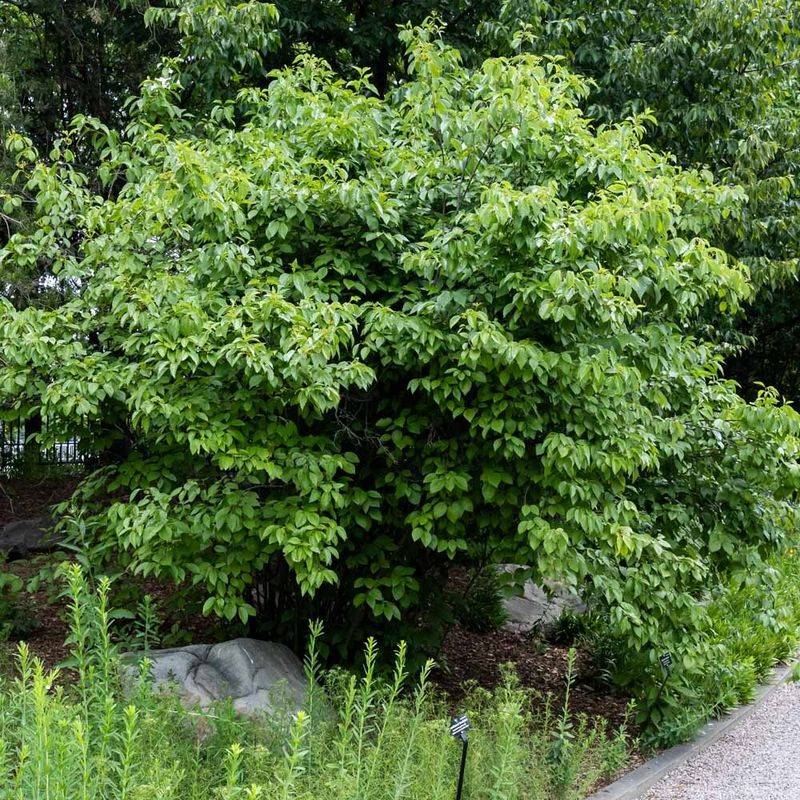
Before buying, look at the light and the soil. NC State lists full sun to partial shade and moist, well-drained soil as favorable.
The shrub tolerates a wider range of conditions, but that does not make a persistently soggy, poorly drained strip a good home for it.
Next, think about width. The listed mature spread is 6 to 10 feet, which is wider than many people expect from a fence shrub.
A plant that reaches that size needs room, or it will lean on the fence and crowd walkways.
Spacing is not one number for every yard. Cultivar, site, and how dense you want the screen all change the plan.
Sketch the fence, mark where each shrub could reach at maturity, and decide whether you want separate plants or a tighter, merged hedge.
Also consider suckering. Arrowwood sends up new stems from the base, which can thicken a screen but also spread beyond where you want it.
If you like a tidy edge, plan to trim or remove suckers now and then. If you have space and a relaxed style, a fuller thicket may suit you fine.
Fall planting starts roots, not instant coverage
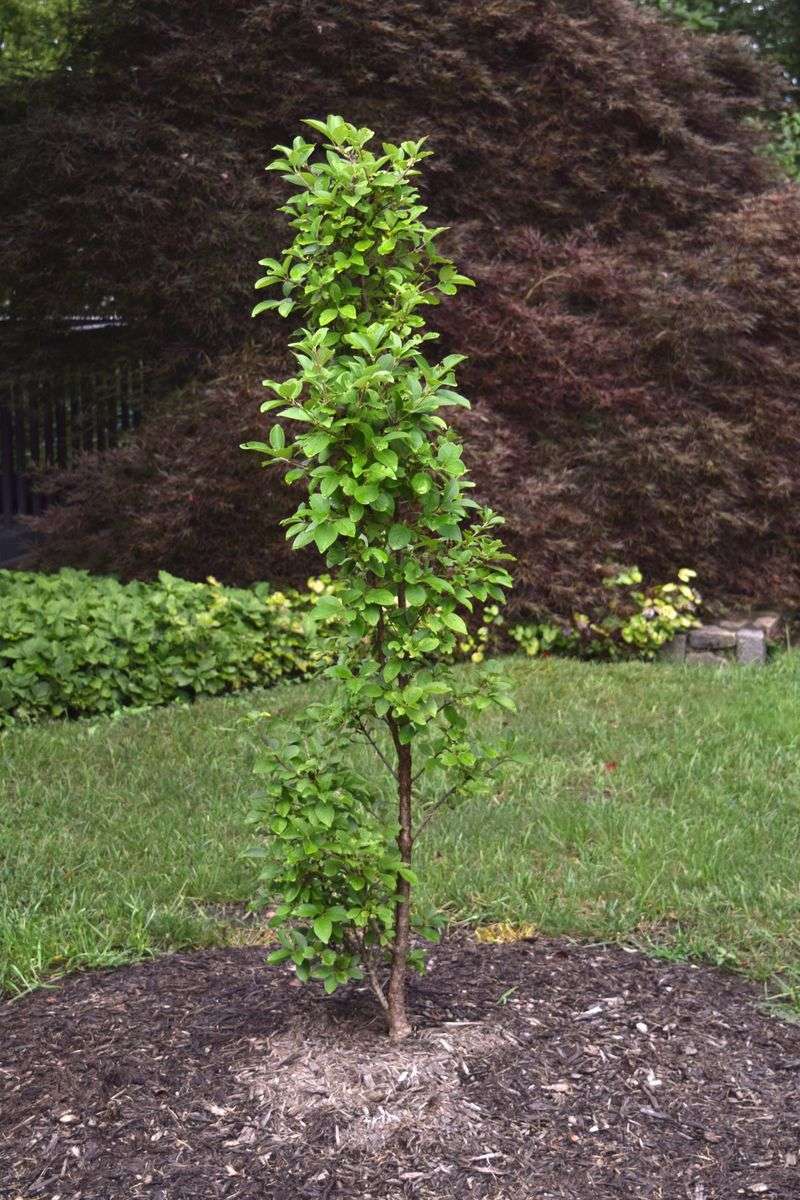
Cooler weather is easier on a newly planted shrub. UGA Extension guidance for woody ornamentals notes that cooler-season planting reduces heat stress while roots can keep developing.
That is why fall is a reasonable window for a fence-line shrub.
Reasonable does not mean effortless. A fall planting will not create a finished screen, and it will not produce berries this season.
What you are really buying is a head start underground.
Site conditions still matter. A shrub in the wrong light or in ground that stays wet will struggle in any season.
Check that the spot drains and gets the sun the plant likes before you dig.
Moisture matters too. Fall rain in North Carolina can be uneven, and a dry autumn is common enough to plan for.
A quick test is to push a finger a few inches into the soil near the root ball. If it feels dry, the shrub needs water.
Plant wide, shallow, and water through establishment
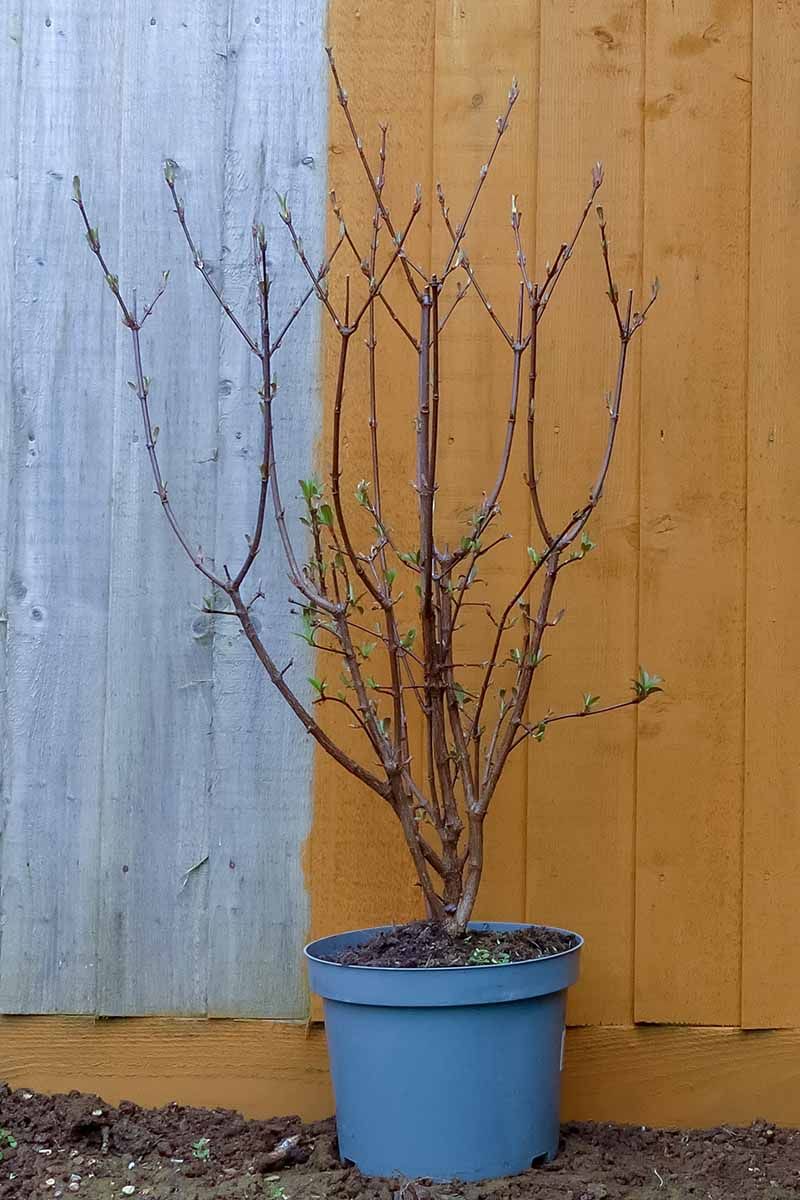
Start with the hole. NC State’s Extension Gardener Handbook recommends digging at least two to three times as wide as the root ball and no deeper than the root ball.
Wide loosened soil gives roots room to spread, while a shallow hole keeps the crown from sinking.
After setting the shrub, water thoroughly to settle the soil around the roots. Then add 2 to 3 inches of mulch.
Pull it back from the crown so it does not pile against the stems.
Early care is mostly about moisture. Check the soil regularly through the first seasons, especially in dry spells.
The UGA guidance says newly planted shrubs still need supplemental water when rainfall is inadequate.
A simple routine helps: look at the soil every few days at first, water deeply when it dries out, and ease off as the plant settles in. Deep, less frequent watering usually beats a quick sprinkle.
Keep an eye on the leaves as well, since wilting can mean the shrub is thirsty.
Choose it for a seasonal screen and a possible bird-food crop
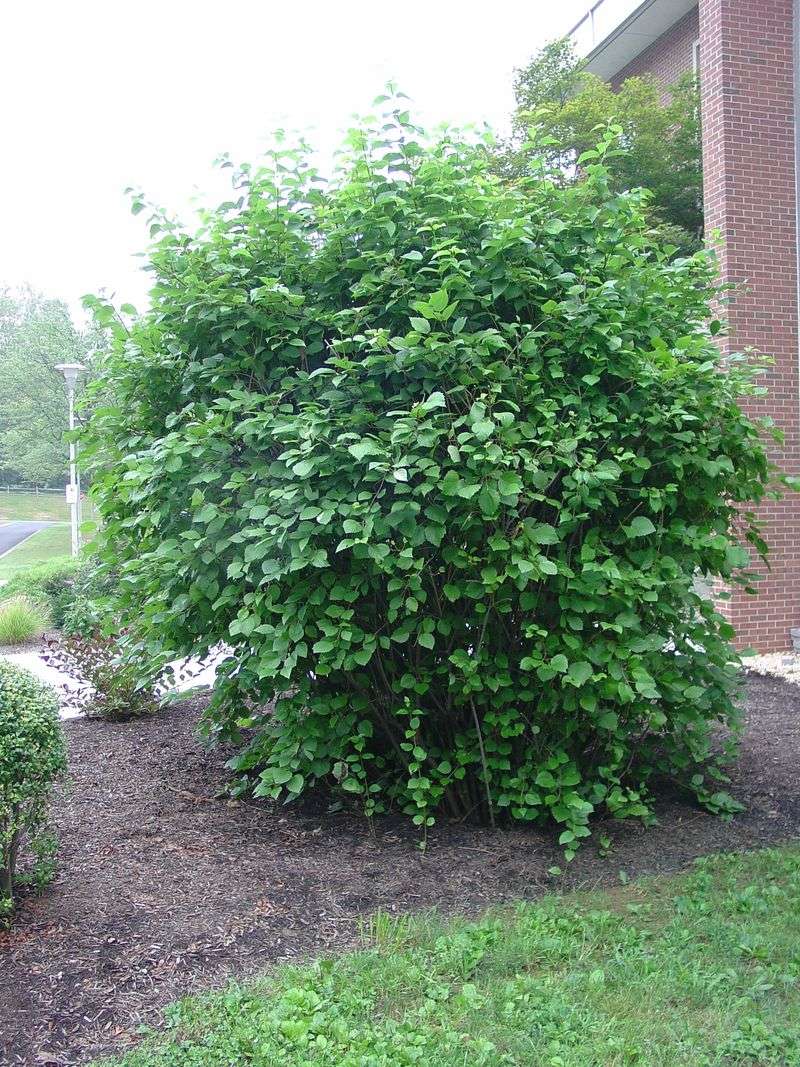
Arrowwood viburnum earns a spot when you have room for its mature size, can live with bare branches in winter, and will water it through the early seasons. Follow the NC State planting steps, and the shrub has a fair chance to settle in.
Treat berries as a later bonus, not a promise. Some years and some plants will give birds more than others.
Plant it for the summers you will spend behind a green fence, and let the birds be a welcome surprise.