
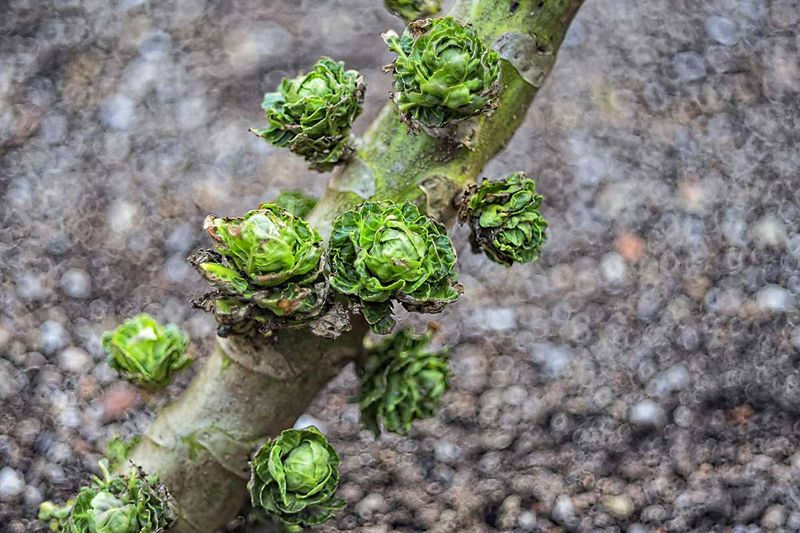
You wait weeks for tight little cabbages to line the stalk, and instead you find puffy, open rosettes. It is a frustrating sight, especially when you have babied the plants all fall.
Watering is one possible reason, but heat, timing, and feeding can matter too. Sorting out which clues point where can help you protect what is left of this crop and plan a better one.
Loose rosettes are a symptom, not a diagnosis
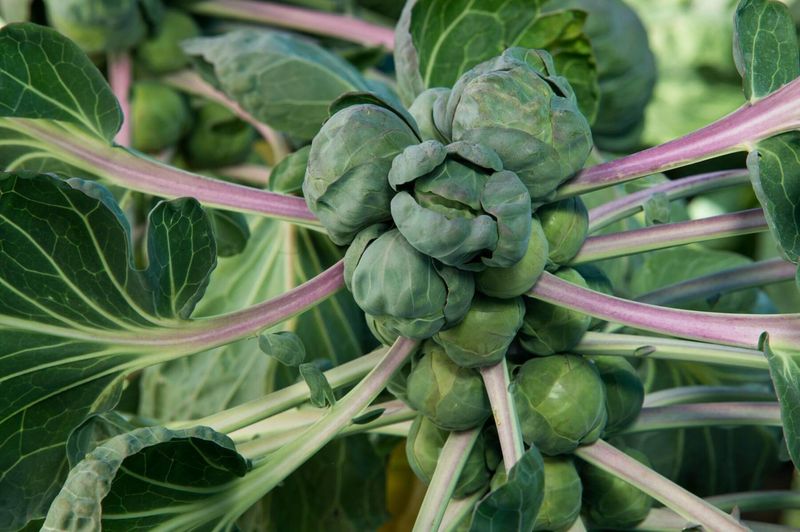
Seeing open, leafy sprouts where you hoped for firm buttons is worrying, and it is natural to blame the hose first. But a loose sprout does not point to a single mistake.
Watering is one piece of the puzzle, not the answer for every garden.
It helps to keep the words straight. Loose or puffy describes sprouts that never packed tightly.
Split describes outer leaves that crack or peel open. Utah State Extension links moisture swings during sprout formation mostly to splitting, and it also warns that too much nitrogen can lead to loose sprouts.
University of Maryland Extension notes that plants maturing in hot, dry conditions may fail to form compact sprouts. UC Davis adds that firmness can vary with cultivar and growing conditions.
So the plan here is detective work: check moisture, heat history, feeding, and variety, then adjust what you still can.
Moisture swings can disrupt sprouts as they form
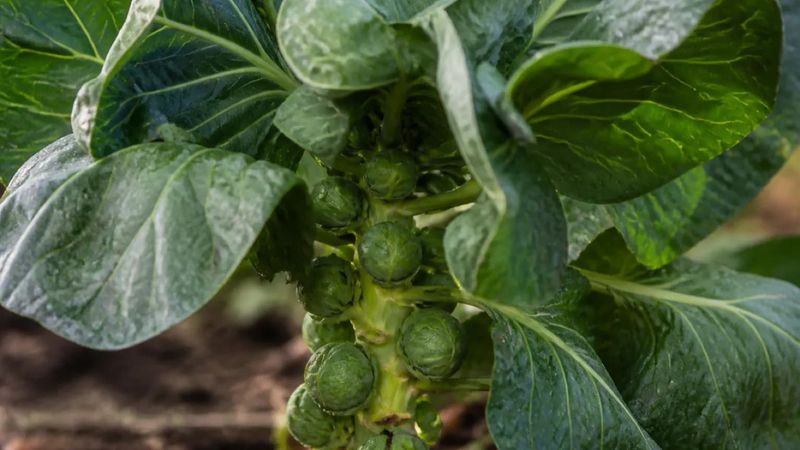
Picture a plant that bone-dries for a week, then gets a heavy soaking. That up-and-down pattern is what Utah State Extension has in mind when it says moisture fluctuations during sprout formation can make sprouts split.
Splitting is the main problem linked to those swings.
Heat and dryness act a bit differently. Maryland Extension says plants maturing in hot, dry conditions may not form compact sprouts at all.
That is a development issue, not simply a split.
Because of this, an open rosette is not proof of overwatering or underwatering. A gardener with soggy soil and one with parched soil could both see puffy sprouts for different reasons.
Before you change anything, find out what the soil is actually doing. A quick check will tell you more than guessing.
A soil check beats a rigid watering schedule
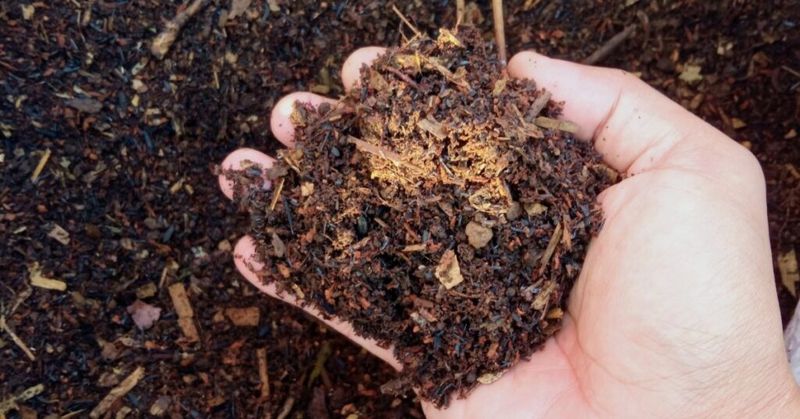
Skip the daily routine and use your finger. Push it a couple of inches into the soil near the plants, especially in hot or dry weather.
If it feels damp, wait. If it is dry, it is time to water.
The goal is evenly moist soil that is not waterlogged. Utah State Extension recommends deep, infrequent watering and gives about 1 to 2 inches per week as a general benchmark.
Treat that as a starting point, since rainfall, sandy or clay soil, and local weather can change what your bed needs.
Avoid the cycle of letting plants dry out and then flooding them. A slow, deep soak that wets the root zone is gentler than frequent heavy watering.
A layer of mulch can help hold moisture and slow swings. It may help, but it will not guarantee tight sprouts.
Heat and planting time set limits on a rescue
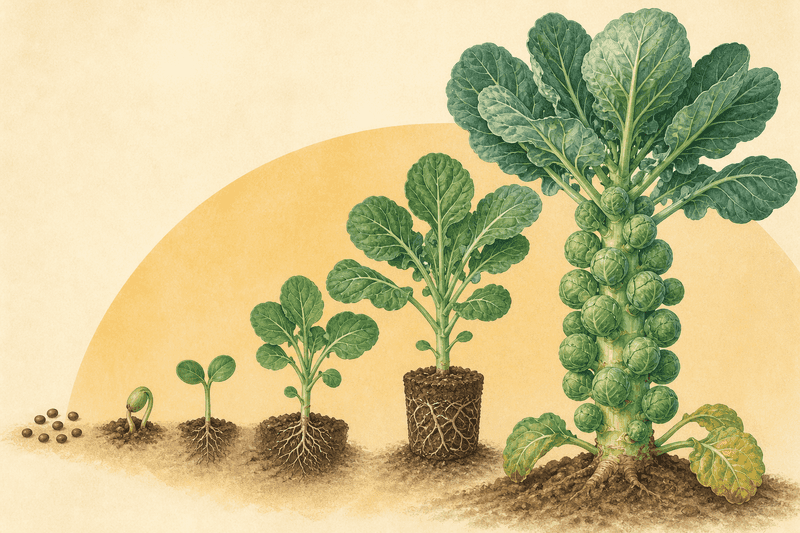
Even perfect watering cannot cool a warm spell. Brussels sprouts form best when they mature in cool weather, and Texas A&M guidance says they generally do best when daytime temperatures average about 65 degrees F or less.
Planting in the wrong season can leave sprouts small or not firm enough.
Steadier moisture can ease stress on the plant. It cannot undo heat exposure that has already happened, so this is mostly a lesson for your next planting.
Timing varies across the South. Texas A&M suggests planting roughly 120 days before the first expected hard freeze, and its fall guide breaks recommendations out by region.
In Florida, UF/IFAS lists September to November for North Florida, September to February for Central, and October to January for South Florida. UF/IFAS Gardening Solutions notes cool temperatures are needed for firm sprouts, and a Nassau County post cautions that results are not reliable in every Florida location.
Extra nitrogen can work against firm sprouts
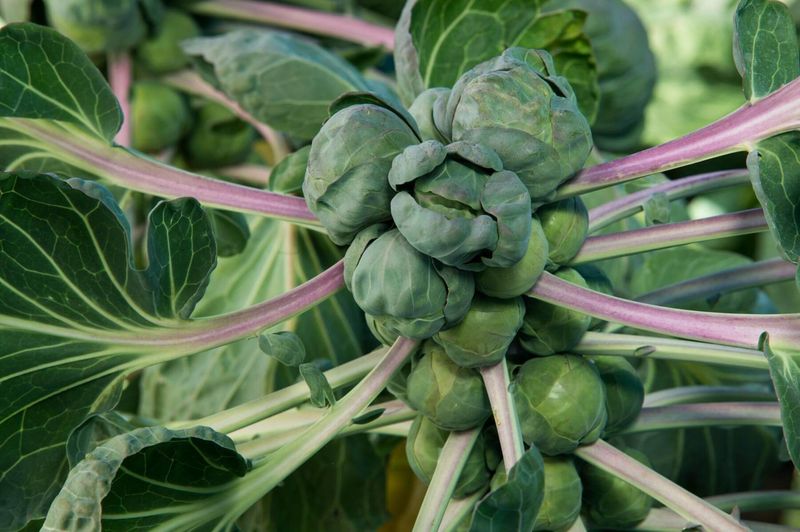
Feeding is a separate lever from watering, and it is easy to mix them up. Leafy, fast growth can feel like a good sign, yet Utah State Extension warns that high nitrogen during sprout formation can contribute to loose sprouts and splitting.
Once little sprouts start showing along the stalk, hold off on adding extra nitrogen. A fresh dose at that stage pushes leaves rather than tight buttons.
If you are unsure what your soil needs, a soil test is the better guide. It can show what is already there so you are not guessing at amounts.
Changing fertilizer will not fix a moisture problem, and fixing moisture will not offset too much nitrogen. Check each one on its own, and keep notes for next season.
Harvest firm sprouts before their outer leaves split
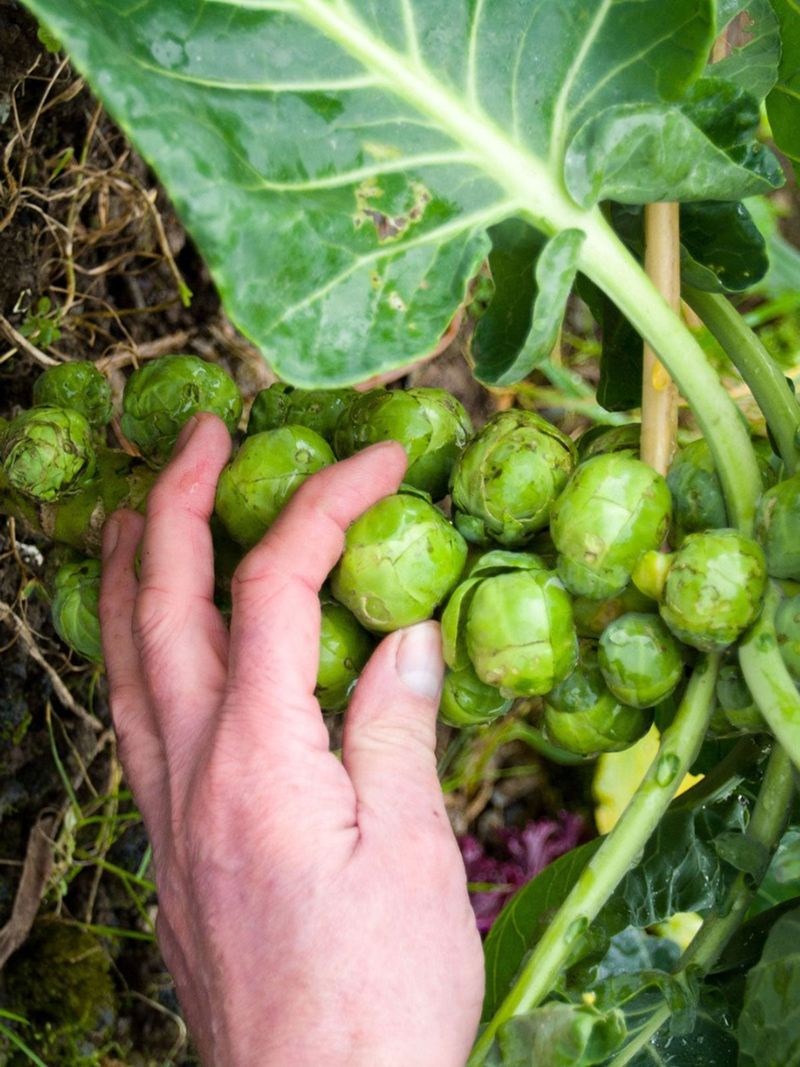
Some sprouts on your stalk may still be tight, and those are worth picking. UC Davis describes good sprouts as firm and compact, so pick them before outer leaves split.
Start at the bottom, where sprouts mature first. Texas A&M AgriLife advises harvesting lower sprouts as they mature, since leaving them may let them open and turn yellow.
Picking ready sprouts will not tighten ones that have already opened. It simply keeps good ones from slipping past their prime.
For the rest of the season, keep checking soil moisture and hold back extra nitrogen, as Utah State advises. Next fall, time planting so sprouts mature in cool weather, which Texas A&M stresses.
A loose sprout is a clue, not a verdict, and the calendar often matters as much as the hose.