
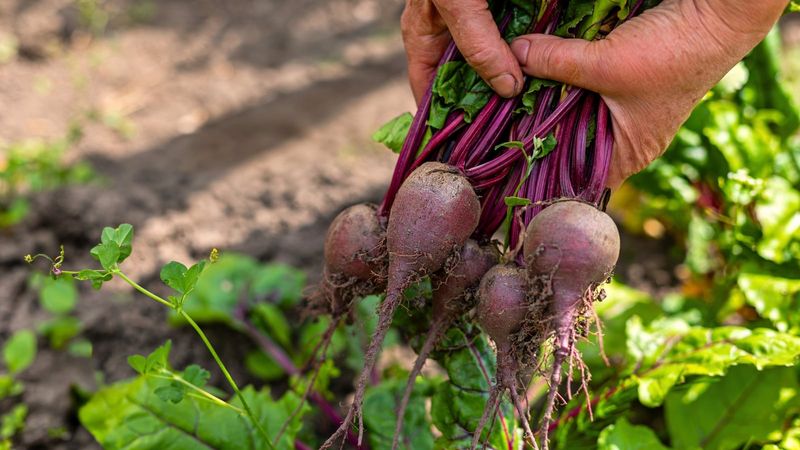
You planted beets, and now the leaves look amazing. But when you pull one up, the root is barely bigger than a marble.
Before you blame the soil or the weather, look closely at how close together your seedlings are growing. A quick check can often point you toward a fix you can use right now.
A leafy beet bed can hide too many seedlings
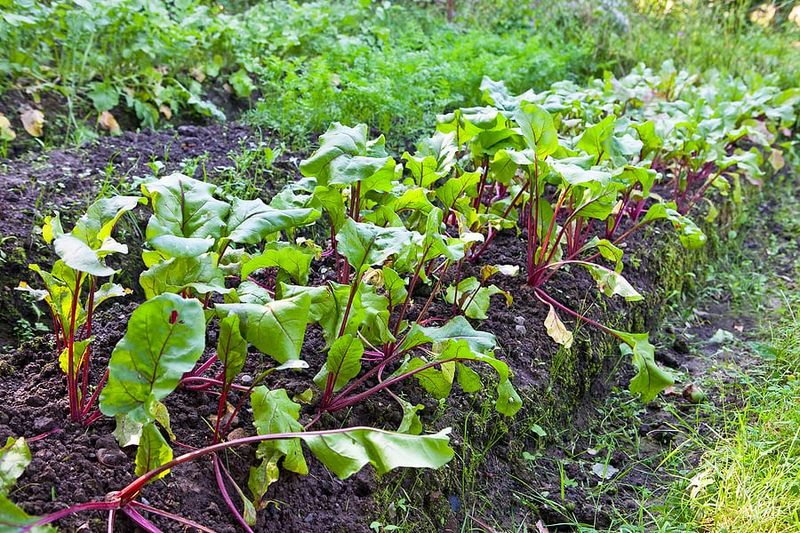
Lush leaves with a puny root underneath can be frustrating, but the cause is often simple. Illinois Extension names improper thinning and overcrowding as the most frequent reason beet plants fail to develop roots.
Crowding is not the only possible cause, yet it is a smart first thing to check.
Here is why it is so easy to miss. What looks like a single beet seed is actually a tiny cluster, and one seed can sprout several seedlings.
A row that seems to hold neatly spaced plants may really be full of small clumps, each with two, three, or more seedlings jammed together.
Those neighbors share the same small patch of soil, water, and light. The leaves can still look full and healthy because they have plenty of sun overhead, while the roots below get squeezed for room.
Kneel down and look closely at the base of your plants. If you see several stems rising from one spot, you have found a likely suspect, and the next step is thinning.
Thin seedlings while they are still young
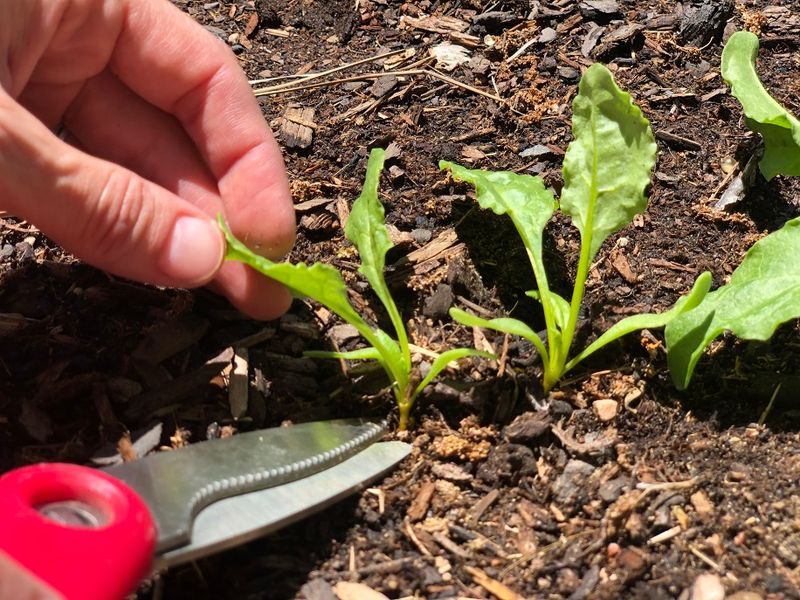
Timing matters here. Both Iowa State Extension and other university sources point to thinning soon after seedlings emerge, before clumps spend weeks competing with each other.
Pick the strongest seedling in each cluster and remove the rest. Snipping the extras at soil level with small scissors is gentle on the roots of the one you keep.
Pulling can tug at its neighbor and disturb the soil around it.
Water lightly afterward if the soil is dry so the remaining seedlings settle in comfortably.
Do not toss the thinnings. Tender young beet leaves are good in salads or quick sauteed greens, so you get a small harvest out of the job.
If you are reading this with plants that have been crowded for a long time, thin anyway to give the survivors room. Just keep expectations realistic, since stunted roots may not catch up.
Choose spacing for the roots you want
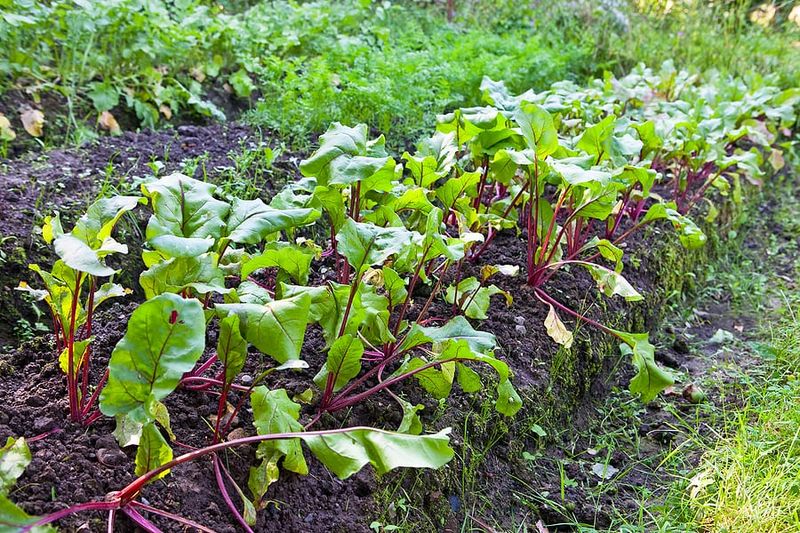
A good working target is about 3 inches between plants. For ordinary table beets, 3 to 4 inches gives a bit more breathing room if you hope for bigger roots.
Sources such as Illinois Extension support spacing in this range, though advice varies a little by variety and desired size.
That variation is why the seed packet is your best companion. Some varieties are bred for smaller roots and may be happy closer together, while others want more space.
Think about what you want on the plate. If baby beets for roasting or pickling sound good, tighter spacing may be fine for that variety.
If you want fat, full-size roots, lean toward the wider end.
A ruler or your hand held flat can help you eyeball the distance. Spacing is a starting point rather than a promise, so treat it as one tool among several.
What if the roots stay small after thinning?
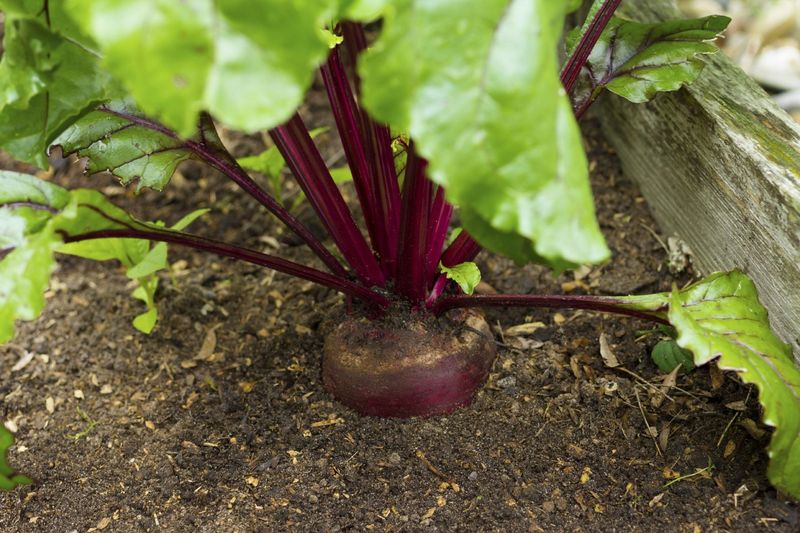
If spacing looks right and roots are still small, widen your search. Too much nitrogen can push leafy growth at the expense of root sizing, according to Utah State Extension.
Think back on your fertilizer use, and use a soil test instead of adding more by guesswork.
Moisture is another clue. Aim for reasonably even soil moisture, especially while roots are swelling, as Utah State guidance on beets suggests.
Long dry spells can hurt, and so can soggy soil, and needs depend on your soil type. Check irrigation guidance rather than relying on a fixed schedule.
Soil structure matters too. Texas A&M notes that beets struggle in tight clay, and poor drainage can also limit roots.
Small roots alone do not prove a boron problem. A Southeastern crop handbook links boron shortage to internal black spots, so confirm with a soil test or your local Extension office before adding any.
Heat and harvest timing shape root size
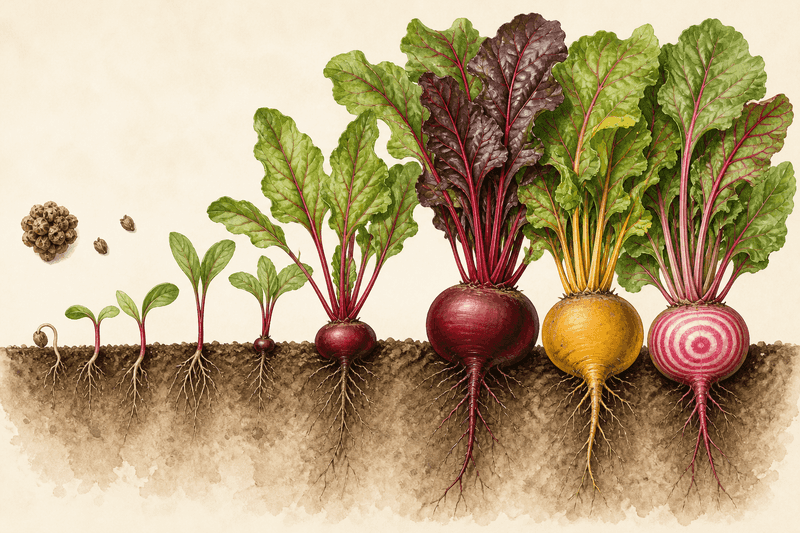
Sometimes the plants are fine and simply need more days. UF/IFAS lists 50 to 70 days to harvest for beets, but that range is not a promise, since variety and growing conditions change the pace.
You can find it in the Florida Vegetable Gardening Guide.
Heat can also hold roots back. Beets like cool weather, and Texas A&M describes them as a cool-season crop that does poorly in hot weather.
A Southeastern handbook gives 50 to 65 degrees F as the best range for quality.
For Florida, the same guide lists planting windows of September to March in North Florida, September to February in Central Florida, and October to January in South Florida. Treat those as regional guidance, since your site and year may differ.
Many South Texas areas can grow beets through winter.
Finally, check your variety. One chosen mainly for its greens may not form the big roots you want, so pick one suited to root size.
Start with spacing, then reassess
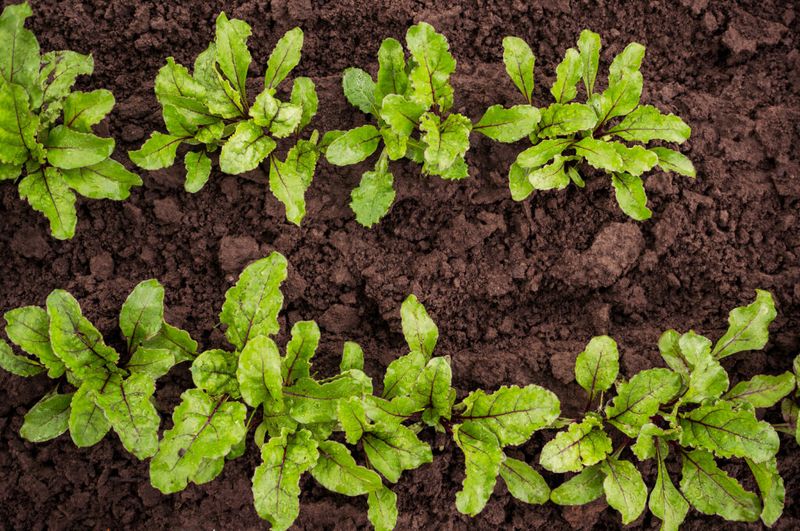
Begin by looking for seedling clumps, thin promptly where plants crowd each other, and leave room suited to your variety and the root size you want. If roots still lag, review your fertilizer history using soil fertility guidance, then moisture, soil, heat, and days to maturity listed in the UF/IFAS guide.
These steps address likely limits but cannot guarantee a certain size.
A beet bed rewards the gardener who gives each plant a little elbow room.