
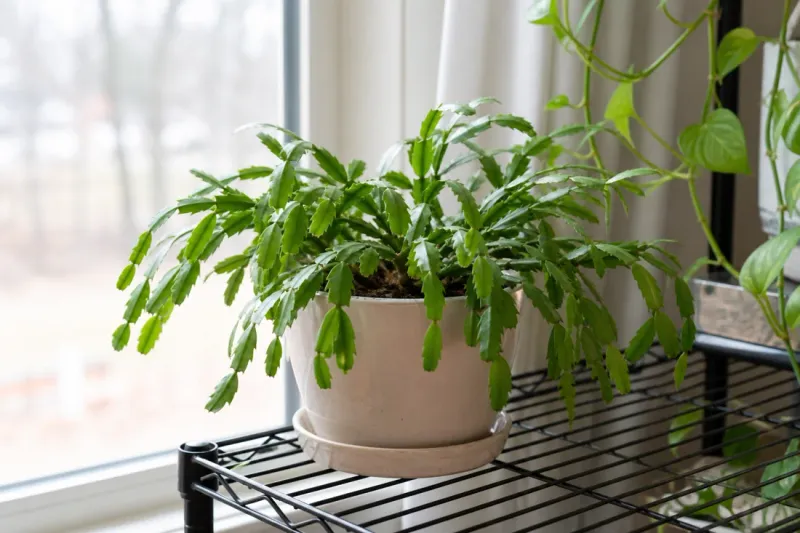
Your holiday cactus looks perfect, with plump green segments and no sign of a single bud. Fall is when the plant decides whether to make flowers, so now is the time to look at its nights.
Light and temperature after dark may be holding it back, though they are not the only possible reasons. A few simple checks can show you what your plant is getting.
Green growth does not identify the reason for missing buds
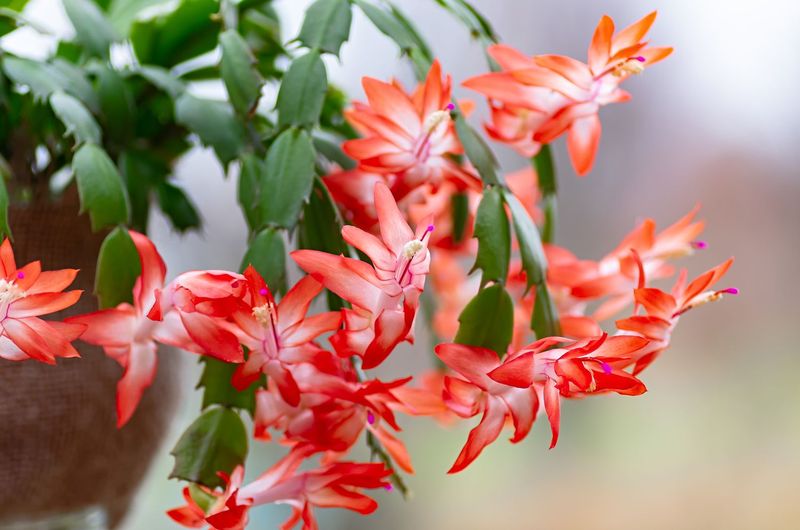
Leaves and stems are one job for a holiday cactus, and flowers are another. A plant can push out fresh, glossy segments all year and still skip the step where it starts buds.
According to University of Minnesota Extension, flower buds respond to a mix of night length and temperature.
That means warm nights, interrupted darkness, or both may prevent or reduce bud formation. A porch light, a lamp in the den, or a street light through the window can all shorten the dark period your plant gets.
Here is the catch. Green, plump segments tell you the plant is growing, not whether it has received the cues it needs.
Illinois Extension separates leafy growth from bud initiation for this reason. Looks alone cannot pinpoint your plant’s cause, so treat light and night temperature as the first two things worth checking, not as a verdict.
Give it a long, uninterrupted night
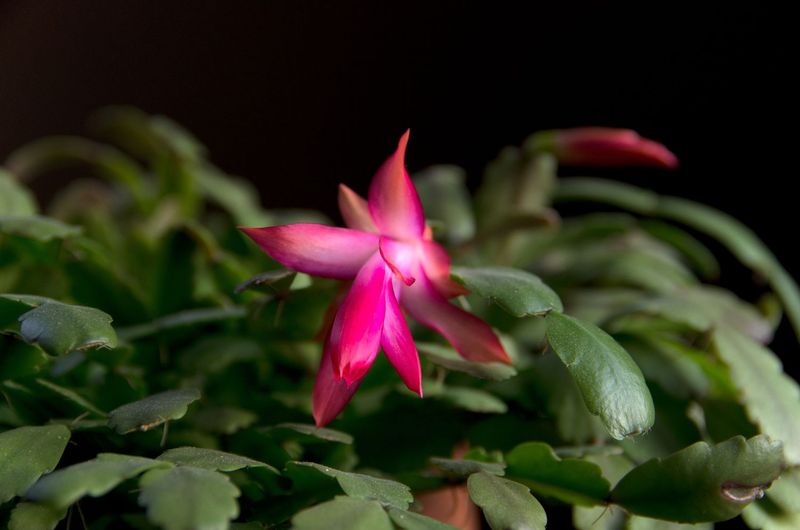
Picture a simple trial. Give the plant bright light during the day, then roughly 12 to 14 hours of steady darkness each night for about six weeks.
Sources differ on the exact number, so treat that range as a starting point rather than a guarantee. Illinois Extension suggests 12 hours, while Iowa State Extension points to longer nights for many plants.
A spare room that stays dark after sunset is the easiest setup. If that is not possible, a breathable cover such as a cloth or a cardboard box, placed over the plant each evening and removed in the morning, can work.
Be consistent, because skipping nights muddies the trial.
Avoid routine evening light near the plant, including lamps, TV glow, and bright hallway bulbs. University of Minnesota Extension also warns about artificial light.
Not every faint glimmer will stop every plant, but a steady habit of dark nights gives it the best chance.
Use cool nights without exposing the plant to cold
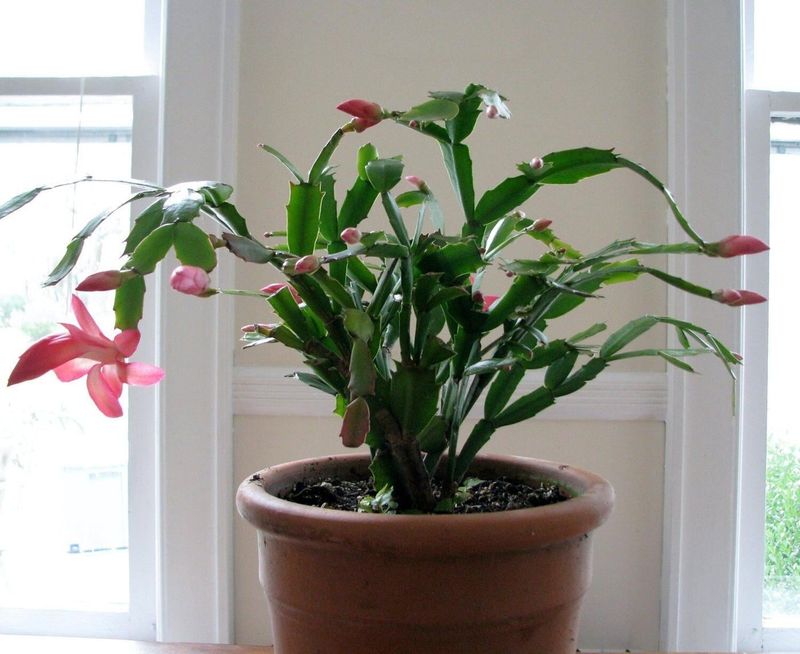
Temperature works right alongside darkness. A practical goal is about 55 to 65°F at night, with bright light by day.
University of Minnesota Extension notes that at cooler nights around 55°F, some plants may set buds without strict day-length control. That is not a promise for every plant, but it shows why warm nights can matter.
Southern fall makes this tricky. Outdoor nights in Florida and Texas may stay warm well into autumn, and then a cold snap can arrive fast.
Frost and temperatures below about 50°F can harm the plant. UF/IFAS Extension advises bringing plants inside when forecasts drop below 50°F, and Texas A&M AgriLife says to move them in before frost.
A sheltered porch can work on mild nights, but an indoor room gives you more control. Pick a spot that is cool and dark in the evening, and check it with a thermometer.
Keep care steady while buds form and develop
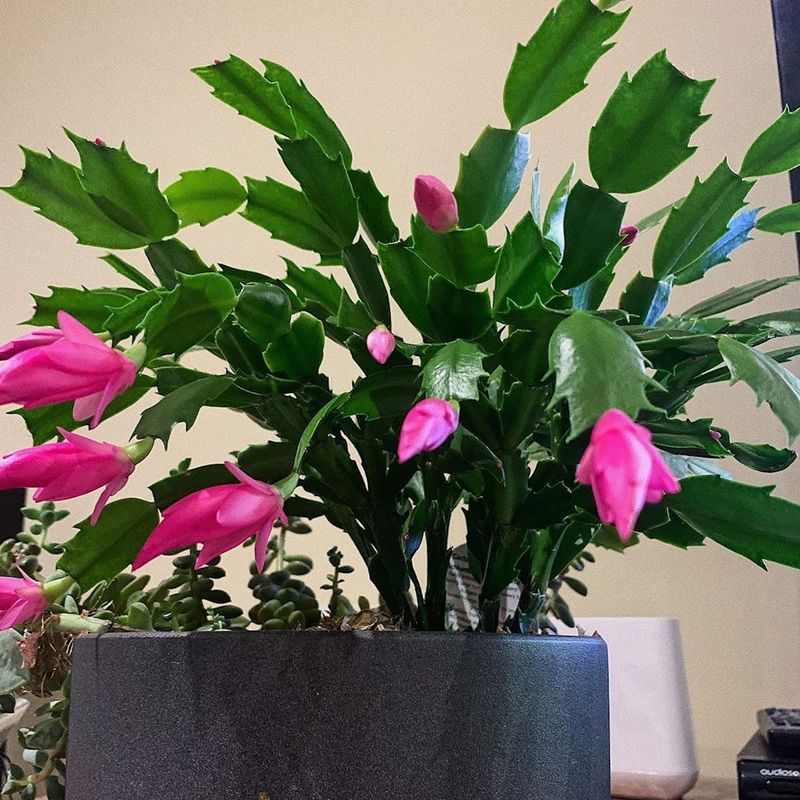
Moisture comes next. Water according to your potting mix and the conditions in your home, let the extra drain away, and never leave the pot sitting in a saucer of water.
A tray of standing water invites root trouble.
Letting the mix go dry is not a reliable bloom trick. UConn Extension warns that drying the medium while buds are being induced can reduce the number of buds.
Overwatering causes problems too, so aim for even moisture rather than extremes.
It also helps to separate two problems. Failing to start buds is about light and temperature.
Losing buds after they appear is a different issue. Illinois Extension lists watering stress, drafts, and sudden changes as possible causes of bud drop.
Once you see buds, avoid moving the plant and keep it away from vents and drafty doors. University of Minnesota Extension notes that shifts in light, temperature, and humidity can all contribute to bud loss.
Check whether it is a Thanksgiving cactus
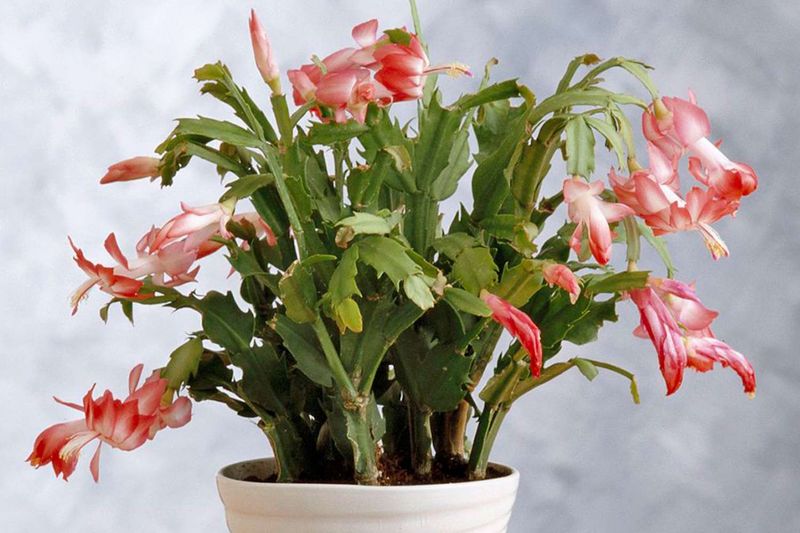
Many plants sold as Christmas cactus are actually Thanksgiving cactus. Run your finger along a segment edge.
Illinois Extension explains that Thanksgiving cactus segments have pointed teeth, while true Christmas cactus segments are smoother and more rounded.
Why does it matter? The two types usually bloom at different times, so a plant that flowers earlier or later than Christmas is not necessarily failing.
UGA Extension covers this common mix-up.
Treat the name on the plant tag as a hint, not an exact ID. Cultivars and growing conditions also shift timing, and UConn Extension notes that buds can take weeks to appear.
If your cactus has pointed teeth, you may simply be watching for flowers a bit before the big holiday.
Start with the conditions you can control
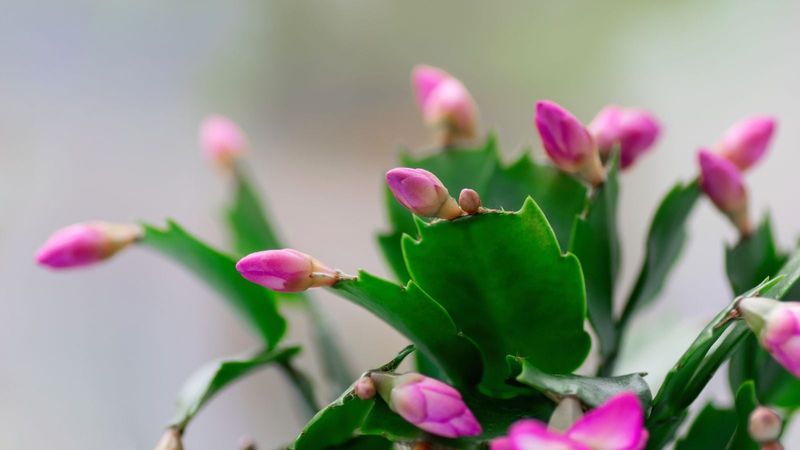
Keep the plan short. Check where evening light reaches the plant and whether your nights run warm.
If your porch or yard is too warm or too cold, move the cactus to an indoor spot that is dark at night and mild, around 55 to 65°F. Then keep the watering even and drained.
These steps support bud formation, which University of Minnesota Extension ties to light and temperature, but they cannot guarantee flowers by Christmas. UConn Extension reminds growers that timing varies with plant type and conditions.
A holiday cactus keeps its own calendar, and giving it good nights is the best way to listen.