
You walk up to your avocado or citrus tree and spot long, fuzzy white threads on the leaves. It looks strange, and it is natural to wonder what is going on.
In California, one likely cause is giant whitefly, though several other pests leave white or waxy signs too. A few minutes with a close look at the leaves can tell you a lot before you reach for any spray.
Inspect leaf undersides before naming the pest
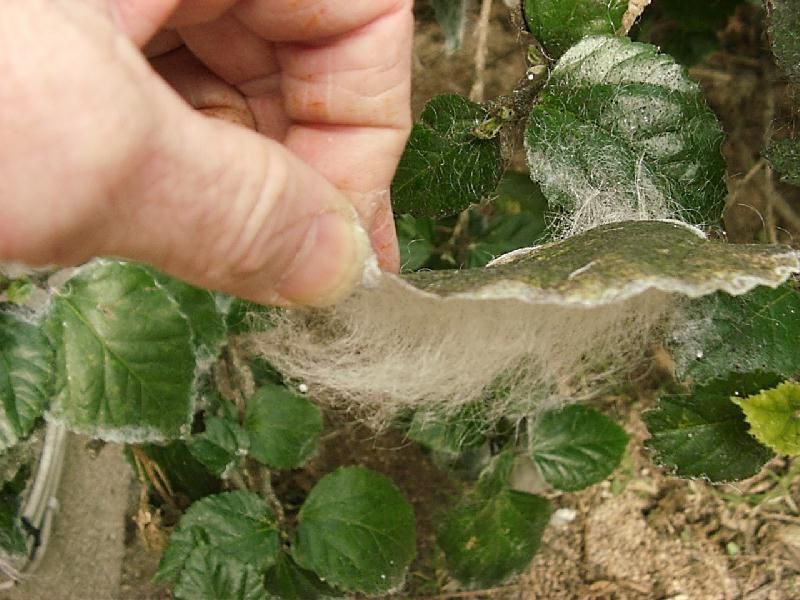
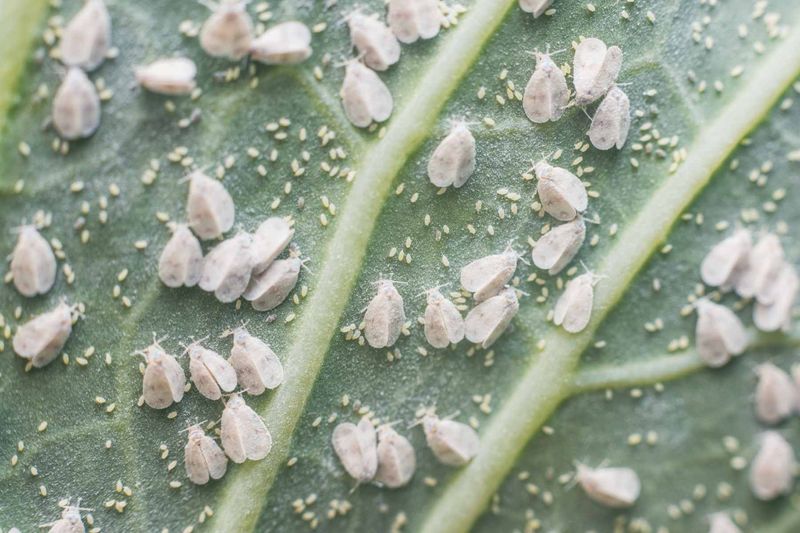
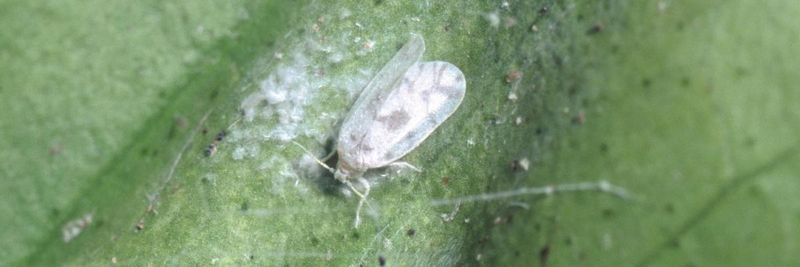
Flip a few leaves over and take your time. Giant whitefly nymphs settle on the undersides of leaves, and they produce long, white wax filaments that can make the foliage look bearded or fuzzy.
UC IPM’s giant whitefly guidance lists both citrus and avocado among the plants this insect feeds on, so the pest can turn up on either tree in California.
Start with the lower and inner parts of the canopy, where colonies often go unnoticed. Check several leaves from different branches rather than just one.
A small patch of wax on a single leaf is a different situation from wax on most of the tree, and counting how many leaves are affected gives you a useful sense of scale.
Look for supporting clues as well. Sticky honeydew on leaves, or on things below the tree like patio furniture or walkways, points to sap-feeding insects overhead.
A black, sooty film on the leaf surface can follow, because that mold grows on the honeydew. These signs together make giant whitefly a stronger suspect.
Still, white fuzz alone does not prove which insect you have. Several pests leave white or waxy material, and a few of them need very different responses.
Treat what you see as a good reason to look closer, not as a final answer. A hand lens, a phone camera with zoom, and a little patience will help you sort out what is really living on the leaf.
If you are unsure, take clear photos of the leaf undersides and the whole branch. Your local UC Cooperative Extension office or Master Gardener program can help you confirm the identification.
Sap feeding can weaken a tree, but does not doom it
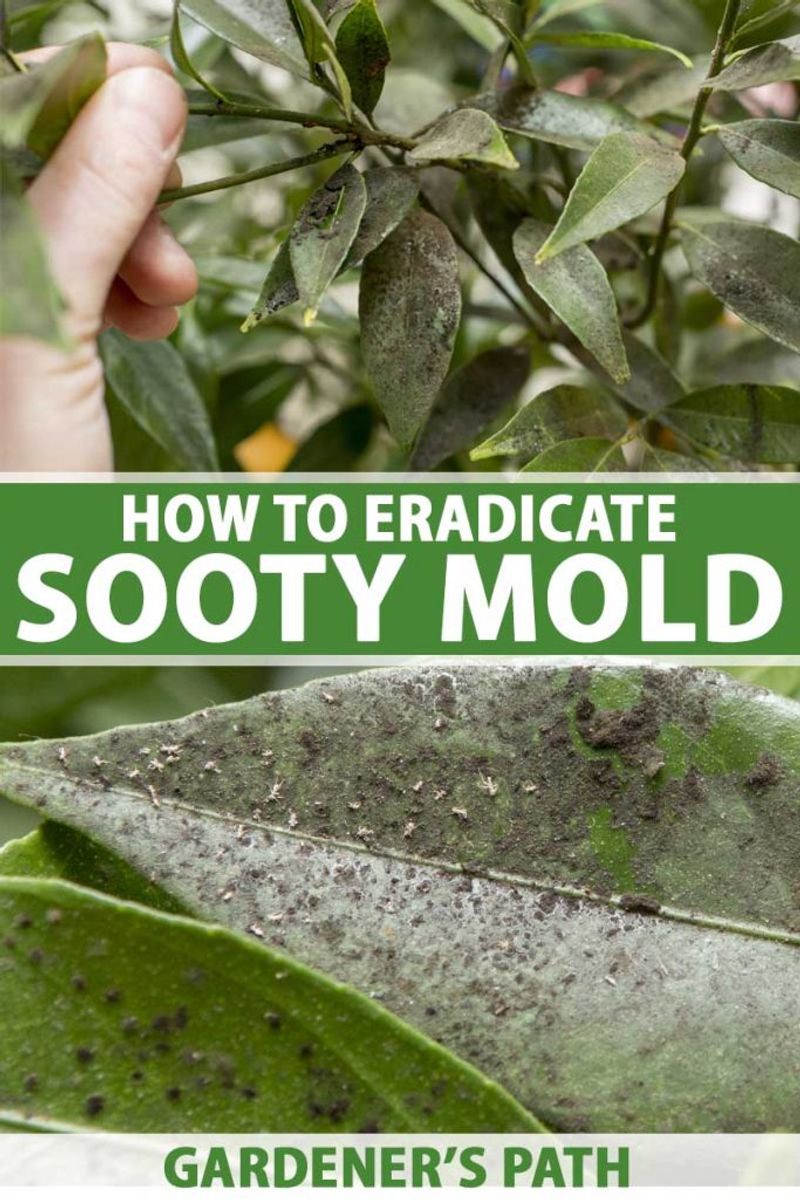
Giant whitefly feeds on plant sap, and the nymphs cover themselves in wax as they grow. As the insects feed, they also release sticky honeydew, which can support black sooty mold on leaves and nearby surfaces.
The mold looks unsightly, and heavy coverage can reduce how much light reaches the leaf.
Heavy feeding can weaken a plant. That said, UC IPM notes that affected plants rarely die, so finding a colony is not a sign that your tree is doomed.
Think of it as a pest to keep an eye on, not an emergency.
What matters most is how much of the tree is involved. A few waxy leaves on one branch is a very different story from a canopy coated in wax, honeydew, and mold.
Notice whether new growth looks healthy, whether leaves are dropping early, and whether the problem is spreading from week to week.
Tree stress can make any pest problem look worse, so basics still count. Steady, appropriate watering that fits your local water rules and a good layer of mulch help a tree handle sap loss better.
Keeping an eye on ants is also useful, since ants that feed on honeydew can interfere with natural enemies.
The takeaway is calm, steady attention. One colony does not guarantee severe damage, and a measured response protects both your tree and the helpful insects living on it.
Other pests can leave white or waxy signs
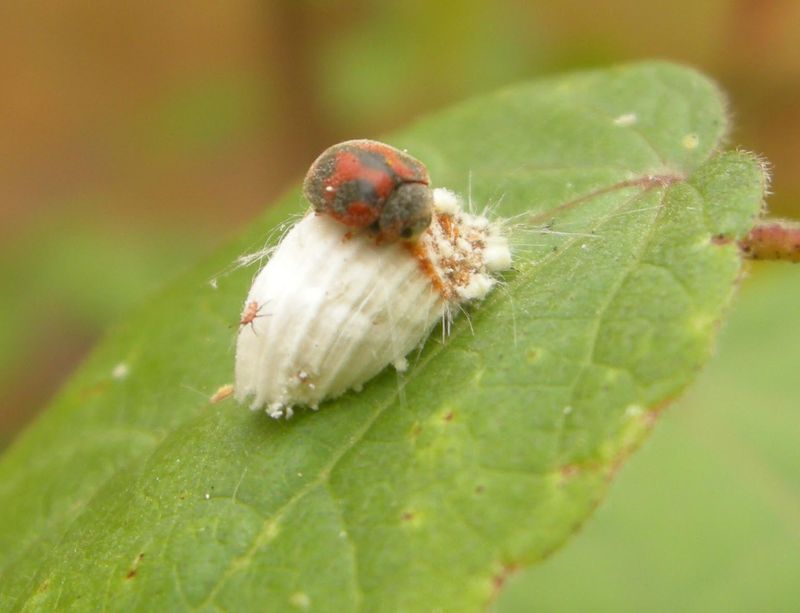
A fuzzy white look is not a species label. Woolly whitefly, for example, is listed on citrus and eugenia, while giant whitefly is listed on citrus and avocado.
UC IPM’s whitefly guide tells them apart by the look of their immature stages, so not every fuzzy white colony is woolly whitefly. The UC citrus pest management guidelines cover whitefly details for citrus growers.
White cottony clusters on twigs or leaves may be mealybugs or cottony cushion scale instead. UC ANR cautions that these big white bugs on citrus can look alike, so identify them before choosing how to manage them.
On avocado, Persea mite is a separate problem. It is yellow to green with dark blotches, and its feeding causes circular yellow or brown spots along leaf veins plus dense, silvery webbed patches beneath leaves.
UC IPM’s avocado mite page shows the damage, which looks more like silk webbing than long wax threads.
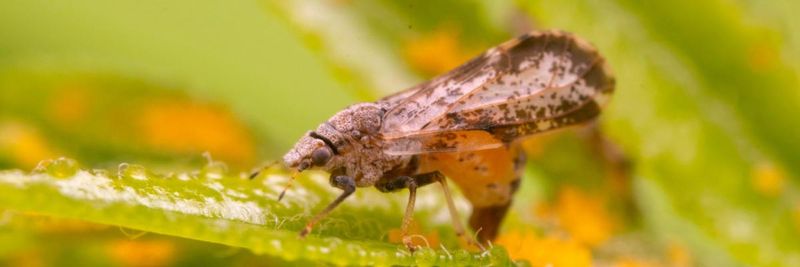
On new citrus growth, white wax can also come from Asian citrus psyllid nymphs. These nymphs are tiny and yellowish and produce waxy tubules.
Because the psyllid can spread huanglongbing, it deserves its own attention, and UC IPM’s psyllid page explains what to look for.
The practical rule is simple: identify first, then respond. A wrong guess can mean a wasted spray or a missed warning sign.
Fall is not a proven giant-whitefly deadline
Plenty of people feel a nudge to check their trees when the weather shifts, and that is fine. Look whenever you notice wax, sticky leaves, or sooty mold.
But the giant whitefly guidance from UC IPM does not point to fall as a special detection or treatment window, so there is no reason to treat autumn as a deadline.
You may have come across seasonal monitoring advice for avocado mites. Commercial growers are advised to check for Persea mite about every 7 to 10 days from mid-March through October, as described in UC’s monitoring guidance for Persea and sixspotted mites.
That schedule is for mites in commercial groves. It does not show a fall-specific warning for giant whitefly or for home gardeners.
A better habit is a relaxed routine. Take a quick look at leaf undersides whenever you water, prune, or pick fruit.
Early notice gives you more options, like removing a few leaves, and it keeps small problems from sneaking up on you.
If you find wax in October, that is a good time to look closely. If you find it in May, the same steps apply.
The calendar matters less than what you actually see on the leaves.
Start with water and early leaf removal
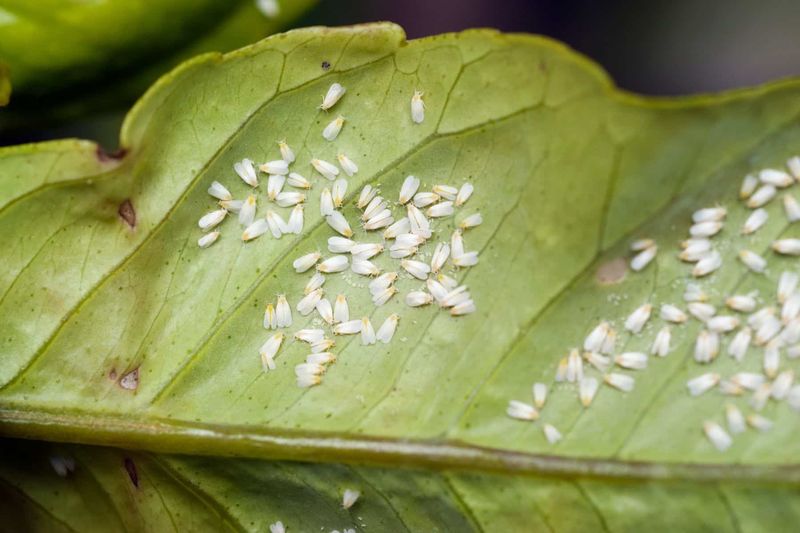
Once you are fairly sure you have whiteflies, begin with simple tools. If only a few leaves carry colonies, removing those leaves early can keep the problem from spreading.
UC IPM’s general whitefly guidance recommends pulling isolated infested leaves, and it also suggests protecting predators and parasites and managing dust and ants.
Bag the leaves and throw them away instead of dropping them under the tree. Keep this approach for isolated spots.
If most of the canopy is covered, removing leaves is not practical.
Water is the next step. A strong stream aimed at the undersides of infested leaves can knock colonies loose and reduce giant whitefly.
According to UC IPM’s giant whitefly page, wash at least weekly when populations are high, then every two or three weeks as they decline.
Aim upward from below, since the colonies sit on the undersides. Work in the morning so leaves dry during the day, and keep California water rules in mind by washing only the affected parts of the tree and not running the hose longer than needed.
These steps fit whiteflies. They are not a cure-all for every white or waxy pest, which is another reason to confirm what you have first.
A hose will not solve a psyllid or mite problem the same way.
Look for natural enemies before considering treatment
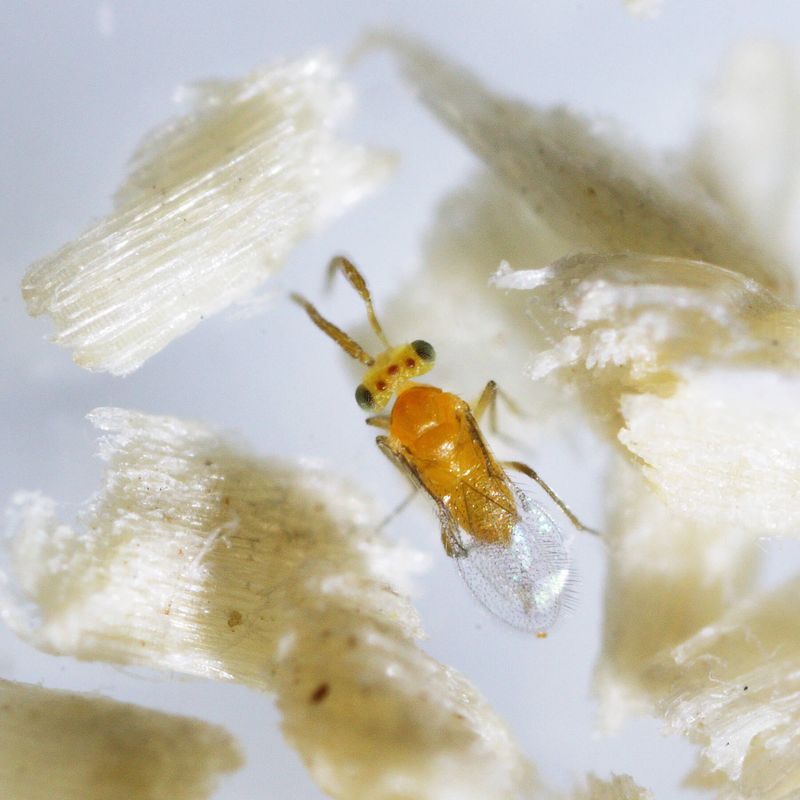
Before you consider any spray, grab a hand lens and look again. Giant whitefly is often kept in check by parasitoid wasps, and you may be able to spot signs of them.
Look for tiny wasps, darkened parasitized nymphs, or small emergence holes where young wasps have left.
If you see this evidence, hold off on insecticides. UC IPM generally does not recommend insecticides for giant whitefly because they can kill the biological-control agents that do much of the work.
UC advises against using them when parasitoids are present.
Treatment is not a default. If you decide you need something, UC suggests least-toxic choices like insecticidal soap or oil, always used according to the product label.
These products only affect insects they touch, so they must cover the insects thoroughly, including leaf undersides, and repeat applications may be needed.
Timing and plant health matter too. UC IPM’s whitefly guidance cautions against applying soaps or oils to drought-stressed plants or when temperatures are above 90°F.
In much of inland California, that means checking the forecast and picking a cooler day, or skipping the application altogether.
Remember that soaps and oils can also harm helpful insects that they contact. Spot-treating a small area is gentler than coating the whole tree, and it leaves more natural enemies working in your favor.
Choose the next step based on what you identify
Keep the path simple. Inspect leaf undersides, compare what you see with giant whitefly and its lookalikes, and begin with gentle steps like removing a few leaves or washing the tree with water.
UC IPM notes that affected plants rarely die, so there is no need to assume the worst.
For citrus, add one more note. If you suspect Asian citrus psyllid or see symptoms that might be huanglongbing, do not treat it as ordinary whitefly.
UC IPM advises contacting your county agricultural commissioner or the CDFA hotline.
Most white fuzz turns out to be a manageable puzzle, and the helpful insects on your tree are usually on your side.