
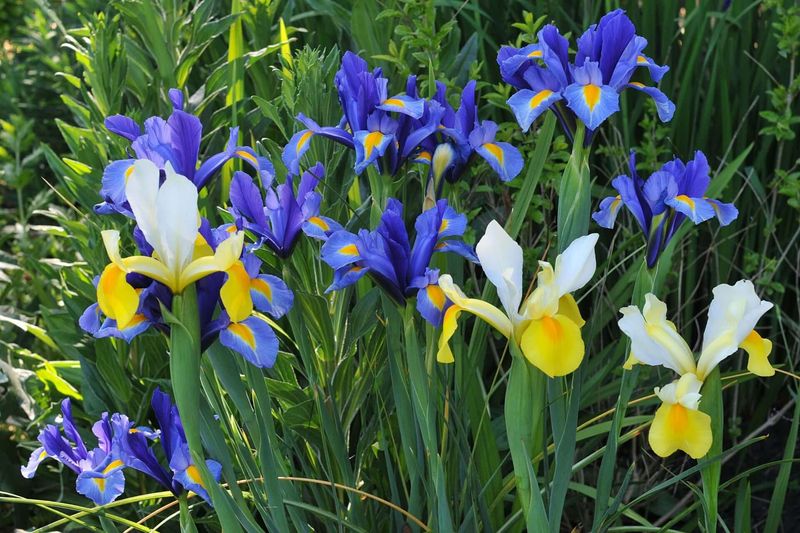
A bag of bulbs tucked into the soil this fall can turn into a burst of color when spring finally shows up. The catch is timing, because most bulbs need to settle in and grow roots before the soil turns cold.
Southern gardeners in places like Texas and Florida also face a twist, since mild winters change which bulbs succeed and how you prep them. Here are nine bulbs worth planting now, plus simple tips to help each one bloom.
1. Tulips
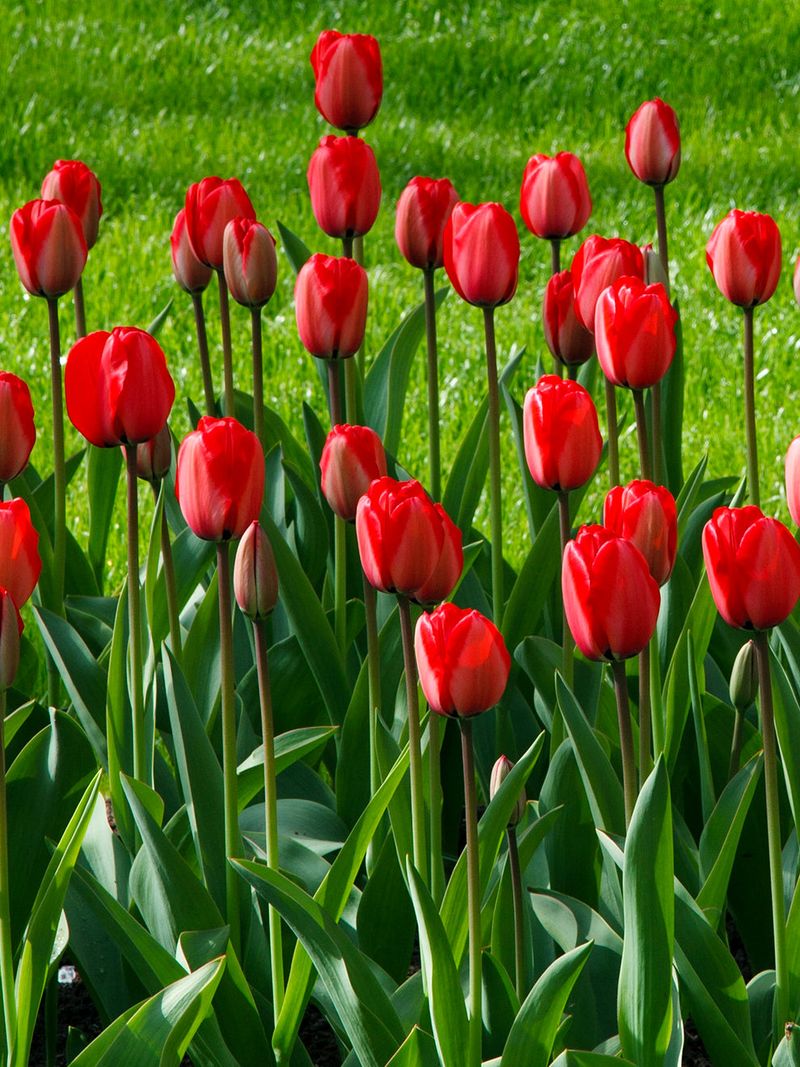
Picture a row of red tulips nodding by your mailbox in March. That cheerful scene starts months earlier, with a little planning and a cold drink for the bulbs.
Tulips need around 10 to 14 weeks of chilling below about 45 degrees to bloom well. Gardeners in northern Texas may get enough natural cold, but in Central and South Texas or Florida, winters often run too warm.
The fix is simple: buy bulbs in early fall and store them in a paper bag in the refrigerator, away from apples and other ripening fruit, which can damage the flower buds inside.
Plant chilled bulbs in late December or early January in the South, about 6 to 8 inches deep, pointy end up. Farther north, aim for planting about six weeks before the ground freezes.
Pick a sunny spot with soil that drains fast, since soggy beds can cause rot.
One honest note for warm-climate growers: tulips often behave like annuals here. Many will not return strongly the next year, so treat them like a seasonal splurge, similar to pansies.
For the best show, group 10 or more bulbs together rather than spacing them in a single line.
2. Daffodils
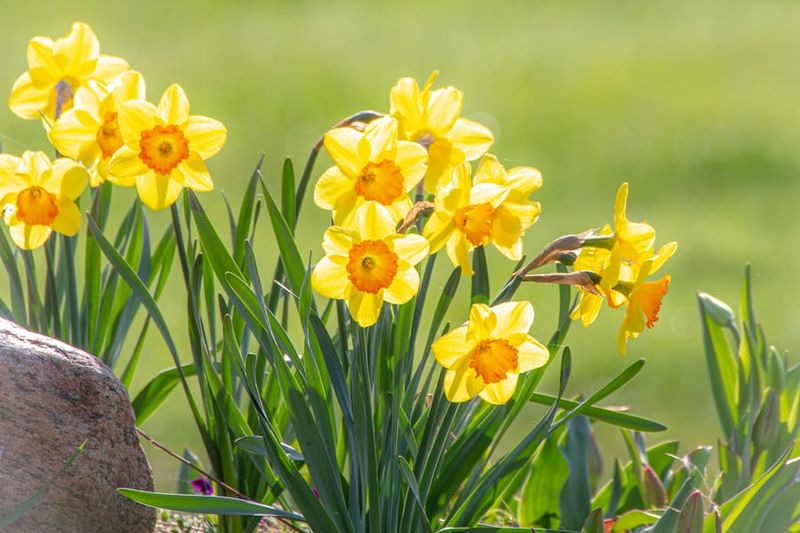
Deer walk right past daffodils, and squirrels rarely bother digging them up. That alone makes them a favorite for anyone tired of feeding wildlife their flower budget.
Daffodils contain compounds that taste bitter and can irritate animals, so they often survive where tulips get eaten. They also come back year after year in many Southern gardens, especially if you pick the right types.
Varieties like ‘Carlton,’ ‘Ice Follies,’ and the old-fashioned paperwhites and jonquils tend to handle warm winters better than giant showy hybrids.
Plant bulbs in October or November, roughly 6 inches deep and 4 to 6 inches apart. Full sun to light shade works, and good drainage matters a lot.
A spot under deciduous trees can be perfect, since leaves are still off the branches when daffodils bloom.
After flowers fade, leave the foliage alone until it yellows. Those leaves are recharging the bulb for next year, so cutting or braiding them early may reduce future blooms.
Fun bit of history: many daffodil clumps blooming in old Texas farmyards were planted generations ago and are still going strong without any help.
3. Hyacinths
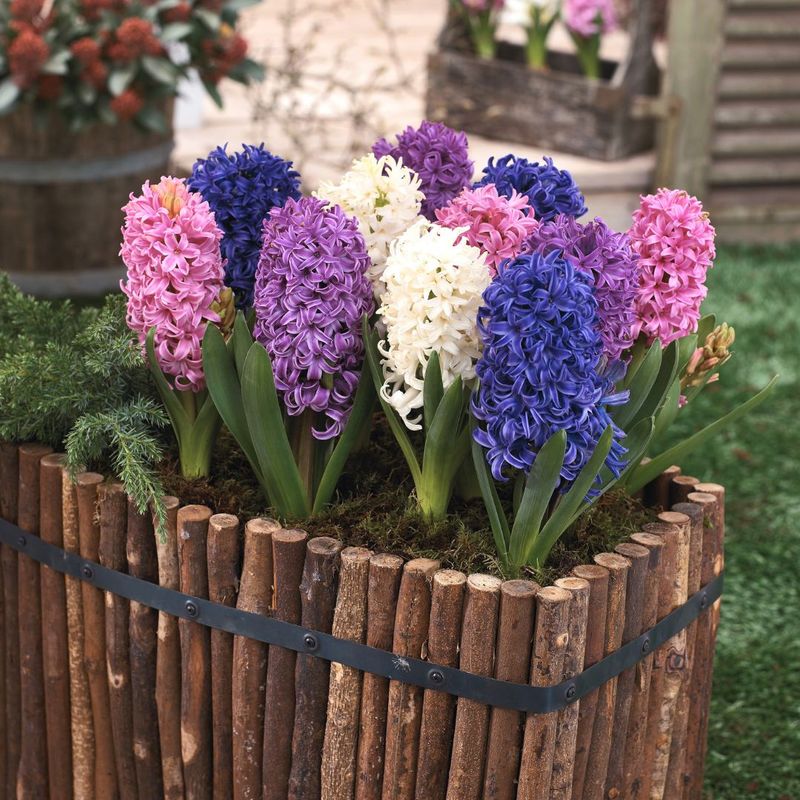
You will smell hyacinths before you see them. A few blooms near the front steps can perfume the whole porch on a warm spring afternoon.
Their thick, chunky flower spikes come in purple, pink, white, and blue, and they look great in containers by an entryway. Like tulips, hyacinths need chilling to bloom on a strong stem.
In much of Florida and southern Texas, refrigerate bulbs for 8 to 12 weeks before planting in December or early January. Gardeners in cooler spots can plant directly in October or November.
Set bulbs about 6 inches deep and 3 to 4 inches apart in loose, well-drained soil or potting mix. Containers work well because you control drainage and can move the pots where the fragrance matters most.
Wear gloves while handling them, since the bulb skins can make some people itch.
Expect the biggest flowers the first spring. In warm climates, later blooms usually come back thinner or not at all, so many Southern gardeners replant fresh bulbs each year.
If yours struggle, check for wet soil first, because standing water is one of the most common reasons hyacinth bulbs turn mushy.
4. Crocus
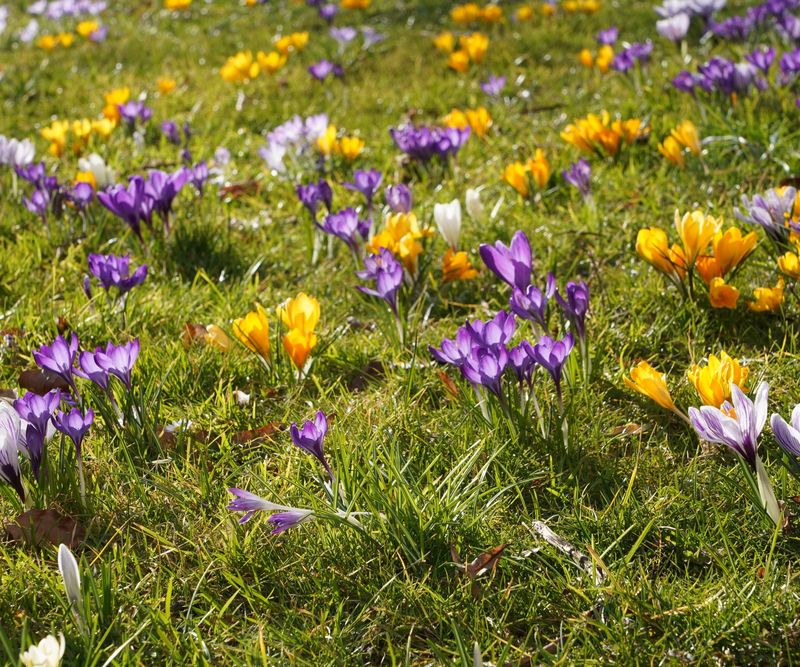
Small but scrappy, crocus often blooms while the rest of the yard still looks asleep. Spotting those purple cups in late winter feels like a tiny promise that spring is on its way.
Crocus works best in the upper South and cooler parts of Texas, where winters bring regular chilly nights. Along the Gulf Coast and in Florida, results can be hit or miss, so try a small batch before buying in bulk.
Plant the little corms in fall, about 3 to 4 inches deep and a few inches apart.
Here is a fun trick: tuck crocus right into the lawn. They bloom and fade before most mowing begins, adding color to plain grass.
Just wait to mow those patches until the leaves start to yellow.
Squirrels and chipmunks do enjoy crocus corms, unfortunately. Laying chicken wire over the planting area or mixing in sharp gravel may help discourage digging.
Early bees also love these blooms, since few other flowers offer pollen so early. Did you know?
Saffron, the costly spice, comes from a fall-blooming crocus relative.
5. Dutch Iris
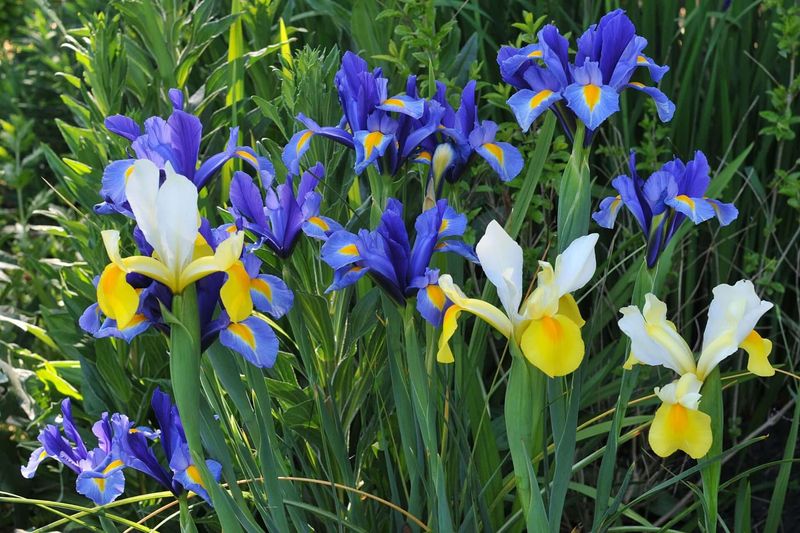
Florists love Dutch iris for cut flowers, and once you grow them, you will understand why. Tall stems carry blue, purple, white, or yellow blooms that look almost painted.
Better still, Dutch iris usually needs no refrigerator chilling in most of Texas and the Southeast. Plant bulbs in October or November, about 4 to 5 inches deep and 3 to 4 inches apart.
Leaves often pop up in fall and stay green through winter, which is normal and nothing to worry about.
Sunshine and sharp drainage keep them happiest. Heavy clay can hold too much water, so raised beds or amended soil may improve your success.
A light layer of mulch helps protect foliage during a rare hard freeze.
Flowers arrive in mid spring, filling the gap after daffodils fade. Cut a few stems when buds show color, and they can last about a week in a vase.
In many warm gardens they rebloom for a few years, though the show often thins out over time. Plan to add fresh bulbs every couple of seasons to keep the border full.
6. Anemones
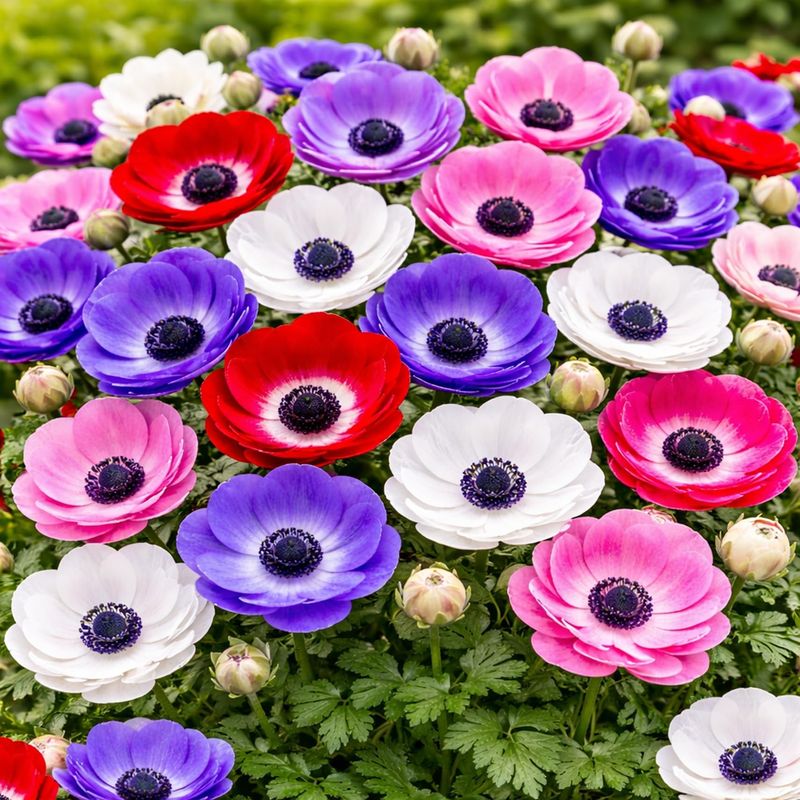
Soaking a handful of wrinkled, rock-hard lumps in water might not seem exciting. Give it a few months, though, and those odd little corms turn into poppy-like blooms with bold dark centers.
Anemones, often sold as ‘De Caen’ or ‘St. Brigid’ types, enjoy the cool, mild winters found across much of the South. Before planting, soak corms in room-temperature water for 3 to 4 hours so they plump up.
Then plant them 2 inches deep, about 4 inches apart, in fall once the soil has cooled a bit.
Which side goes up? It can be hard to tell.
If you cannot spot a pointed tip, plant them sideways, and they will usually figure it out on their own.
Give anemones sun and loose soil that drains well. They may bloom from late winter into spring, offering plenty of cut flowers along the way.
Once summer heat arrives, plants fade fast, and most Southern gardeners simply replant each fall. Overwatering is the main mistake to avoid, since soggy corms often rot before they ever sprout.
7. Ranunculus
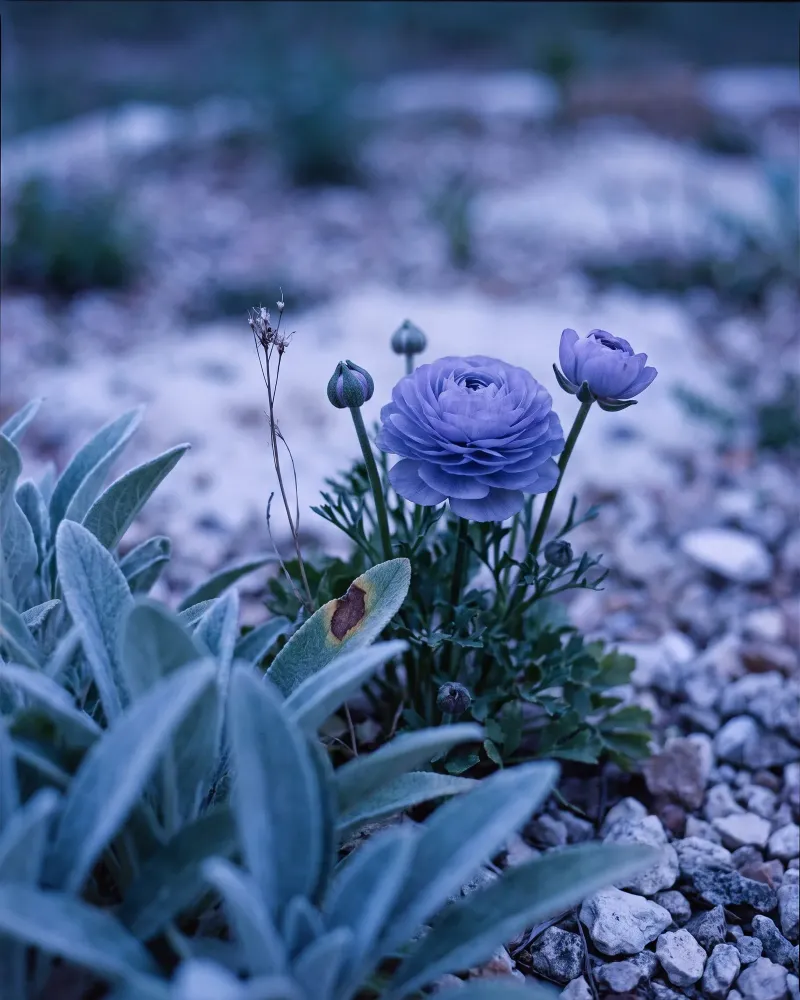
Layer after layer of thin, paper-like petals make ranunculus look almost too fancy to grow at home. Good news: Southern winters suit them surprisingly well.
These blooms prefer cool weather and fade when heat returns, so fall planting gives them the long, mild season they need. In Texas and Florida, plant from October through December.
Soak the claw-shaped corms for a few hours first, then set them 2 inches deep with the claws pointing down, about 6 inches apart.
Protect young plants when a hard freeze is forecast. A frost cloth or an old sheet thrown over the bed overnight may save leaves from damage.
Remove it the next morning so plants get sunlight.
Each plant can produce many blooms over several weeks, especially if you cut flowers often. Colors range from soft blush to fiery orange, so they fit nearly any style of garden.
If leaves turn yellow early, check soil moisture, since soggy ground is usually the culprit. Think of ranunculus as a cool-season treat that rewards a little care with florist-worthy bouquets straight from your own yard.
8. Grape Hyacinth
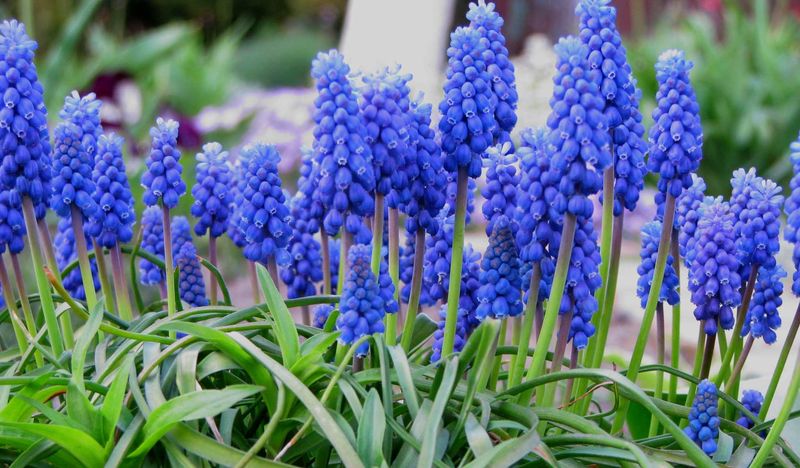
Tiny clusters of blue bells packed tight on short stems give grape hyacinth its name, and kids often say they look like little bunches of grapes. Gardeners love them for a different reason: they are tough.
Muscari, as they are also called, handle a wider range of winters than many spring bulbs. They often return each year in North and Central Texas and across much of the upper South.
In very warm parts of Florida, results vary, so a small trial is a smart move.
Plant bulbs in October or November, about 3 inches deep and 3 inches apart. Use them along paths, under shrubs, or around taller tulips and daffodils, where their deep blue makes yellow and red pop.
Plant in big drifts of 25 or more for real impact, since single bulbs disappear visually.
Leaves sometimes show up in fall, which is completely normal. Deer and rabbits usually leave them alone, and early pollinators visit the flowers.
Over the years, clumps can spread on their own, giving you more blooms each spring without buying anything new.
9. Leucojum (Summer Snowflake)
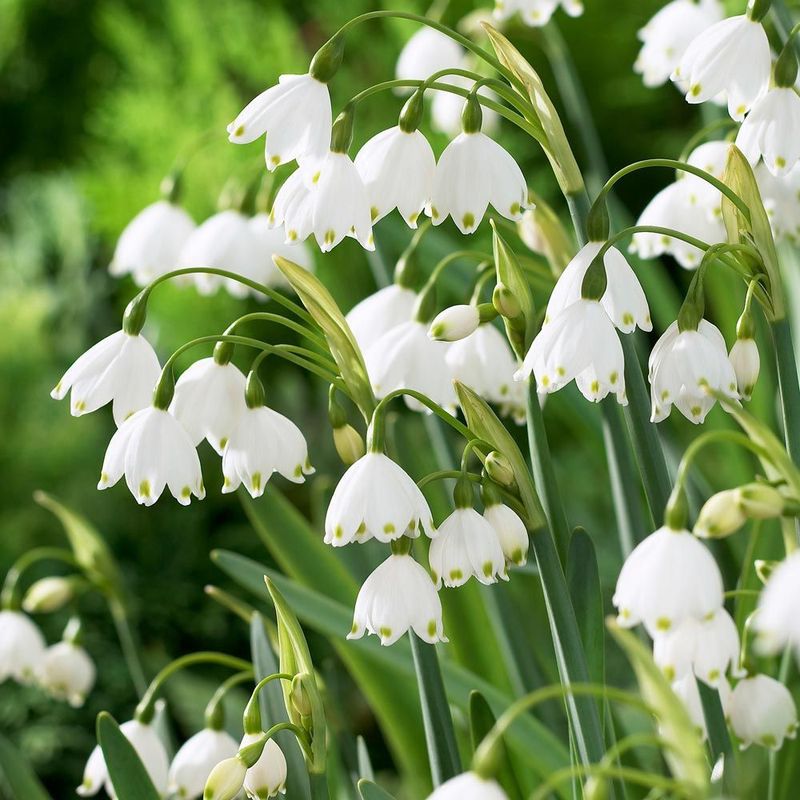
Ask an old-time Southern gardener about a bulb that never quits, and Leucojum may come up first. Its white bells, each tipped with a tiny green dot, show up faithfully every spring.
Despite the name summer snowflake, it blooms in late winter to early spring across the South. It is one of the most reliable spring bulbs for warm climates, often thriving in places where tulips and crocus struggle.
No refrigerator chilling is needed, and clay soil is usually fine.
Plant bulbs in fall, about 4 inches deep and 4 to 6 inches apart. Part shade suits them well, making them a handy choice for spots under trees or along the north side of a house.
They also tolerate damp soil better than most bulbs.
Once settled, clumps slowly multiply and can bloom for decades with little attention. Deer and rodents tend to avoid them.
If you only try one bulb this fall and live in Texas or the Gulf South, this dependable charmer makes a strong first pick, offering spring color year after year with almost no fuss.