
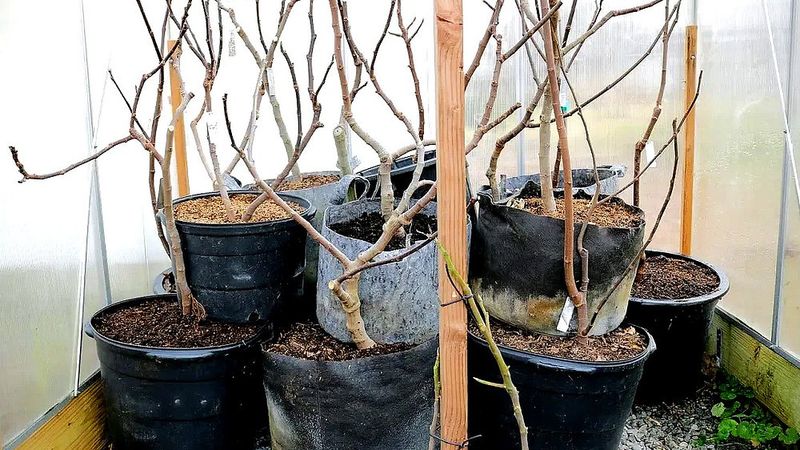
A fig tree in a pot can give you sweet, sticky fruit right off your North Carolina patio. The catch is that roots in a container feel the cold far more than roots tucked safely in the ground.
One hard January night in the Piedmont or mountains can undo years of growth if the plant isn’t ready. A few simple steps before the first freeze can make the difference between a fig that leafs out in spring and one that never wakes up.
1. Know Your First Freeze Date
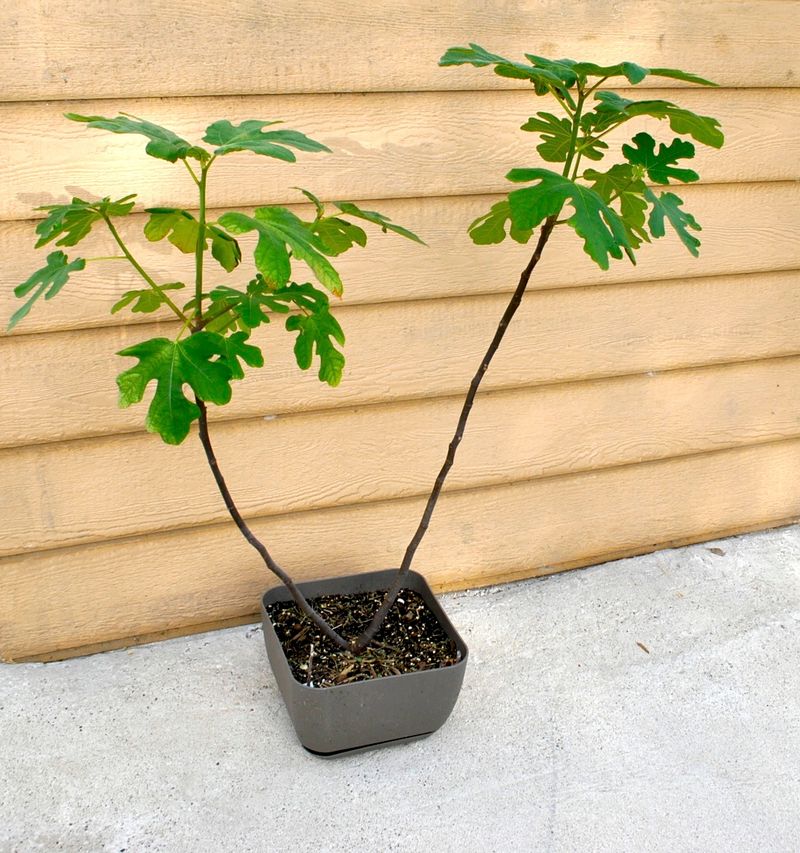
Timing is the quiet secret behind every fig that survives winter. In the North Carolina mountains, the first frost can arrive in early October, while the Piedmont usually sees it from late October into early November.
Down on the coastal plain, many gardeners don’t get a real freeze until mid to late November.
Check a local frost date tool from NC State Extension and mark it on your calendar. Then plan to start your prep about two weeks ahead, so you aren’t hauling heavy pots around in a panic at dusk.
A light frost that browns the leaves is actually fine. Figs tend to harden up after a brush of cold, and that natural slowdown may help them handle deeper chills later.
2. Stop Feeding and Ease Up on Water
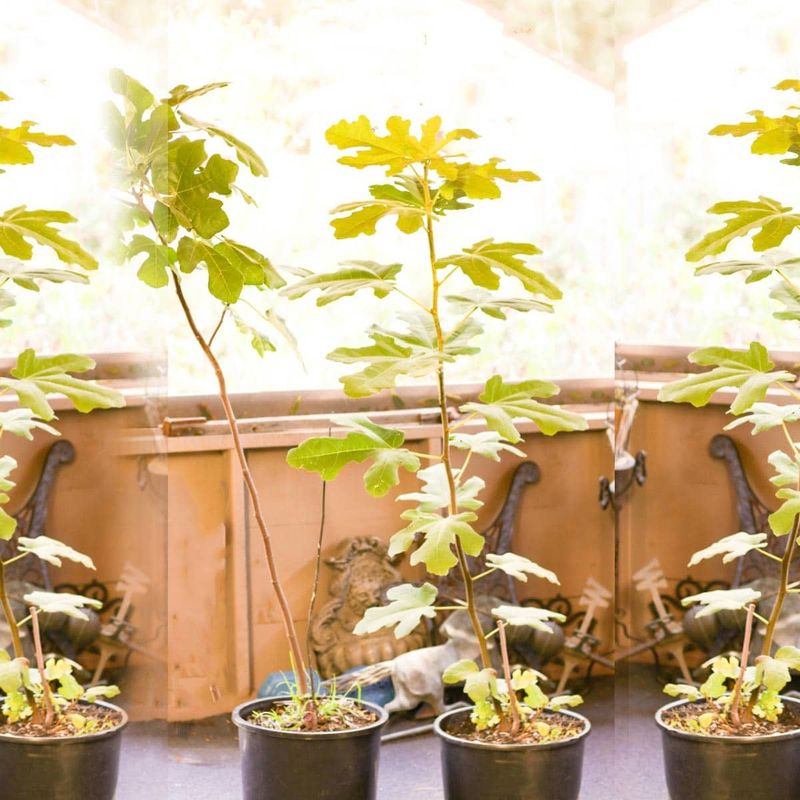
Picture a fig pushing out tender new shoots in October. Those soft green tips look hopeful, but they’re the first thing a freeze will kill.
Skip fertilizer after mid-August so the plant can slow down and let its wood mature. Firm, brown stems store energy and handle cold far better than fresh growth.
Watering should taper too, though not stop. Let the top couple of inches of soil dry between drinks, since soggy roots in cold weather can rot.
3. Pick a Cold-Hardy Variety From the Start
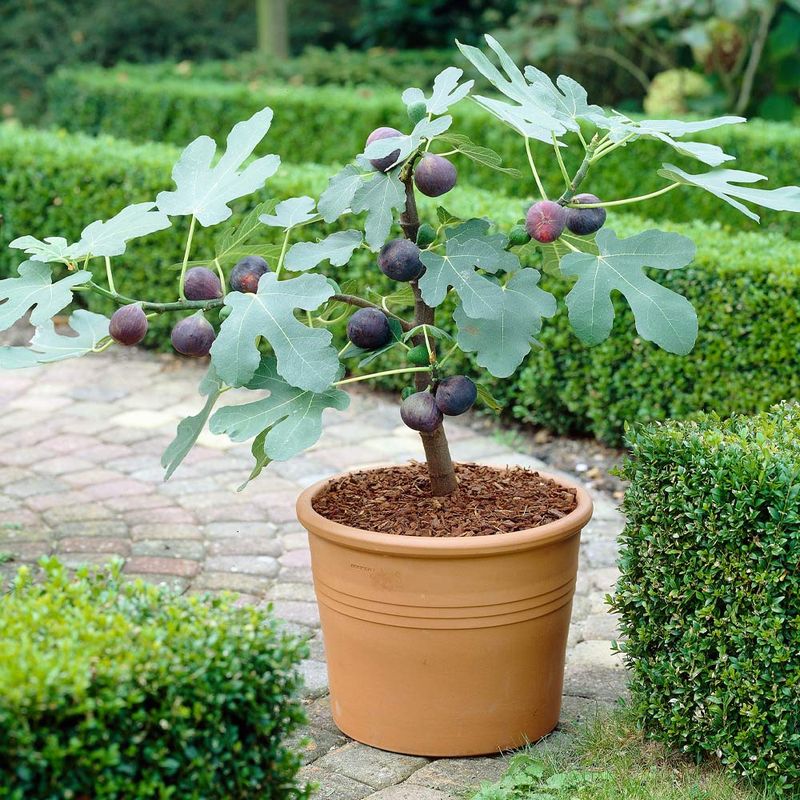
Some figs are simply tougher than others, and that matters a lot in a pot. Celeste, Brown Turkey, and Chicago Hardy have long track records across the Southeast, and Celeste is a classic in older Carolina yards for good reason.
If you already own a fussier type, don’t worry. You’ll just want to lean harder on the protection steps in this list.
Planning to buy one? Ask your local nursery which varieties overwinter well in your county.
Folks in Boone and folks in Wilmington will get very different answers, and both will be right.
4. Move the Pot Into an Unheated Garage or Shed
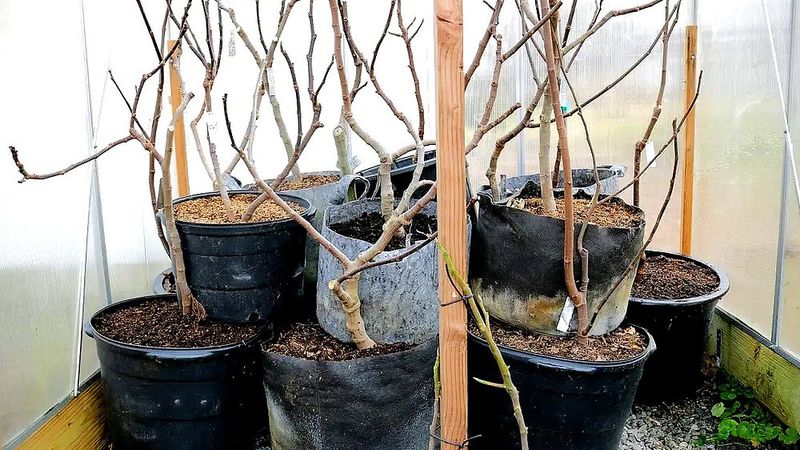
Here’s the move that saves the most figs, hands down. An attached garage or a sturdy shed usually stays several degrees warmer than the open yard, which can be enough to keep roots alive.
Wait until the leaves drop and the plant goes dormant. A dormant fig doesn’t need light, so a dim corner works fine.
Avoid bringing it into your heated house. Warm indoor air tends to confuse the plant, triggering weak growth and inviting pests like spider mites.
Check the soil once a month and give a small drink if it’s bone dry. That’s about all the babysitting it needs until spring.
5. Wrap and Insulate Pots That Stay Outside
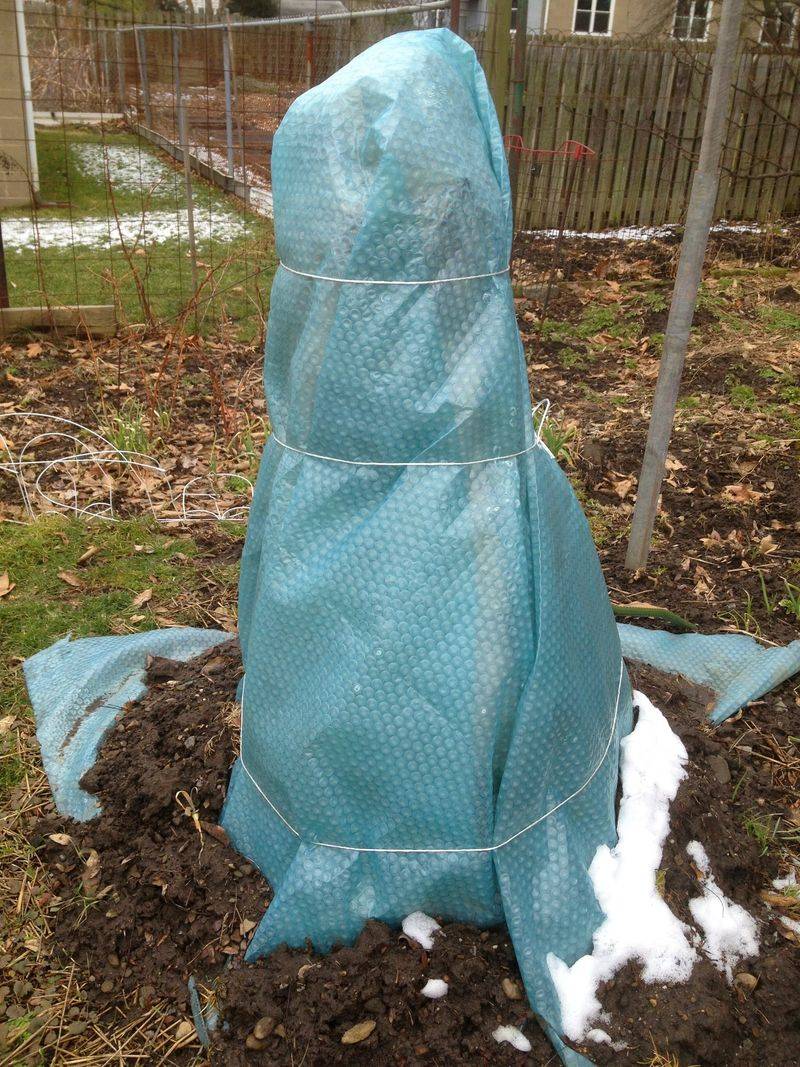
No garage? Plenty of coastal plain gardeners keep figs outdoors all winter with a little creative bundling.
Push the pot against a south-facing wall, where it soaks up daytime warmth. Circle it with straw bales or bags of leaves, then wrap the pot itself in bubble wrap or burlap to shield the roots.
On nights forecast below the mid-20s, drape frost cloth over the branches too. Pull it off on sunny days so the plant doesn’t overheat under the cover.
6. Lift the Pot Off Cold Ground
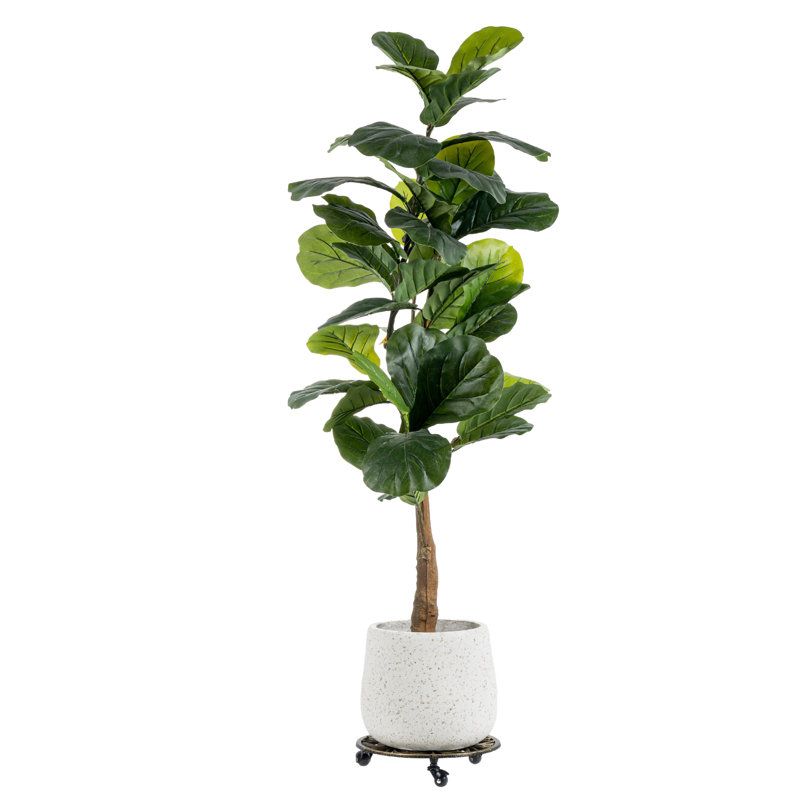
Small detail, big payoff. A pot sitting directly on frozen concrete or soggy ground loses heat fast and can sit in icy water after winter rains.
Set it on pot feet, a couple of bricks, or a wooden plant caddy. Better drainage keeps roots from rotting, and a rolling caddy makes moving a heavy fig into the garage much easier on your back.
If you use terracotta, consider this step essential. Wet clay that freezes can crack, leaving roots exposed at the worst possible time.
7. Clean Up Fallen Fruit and Leaves
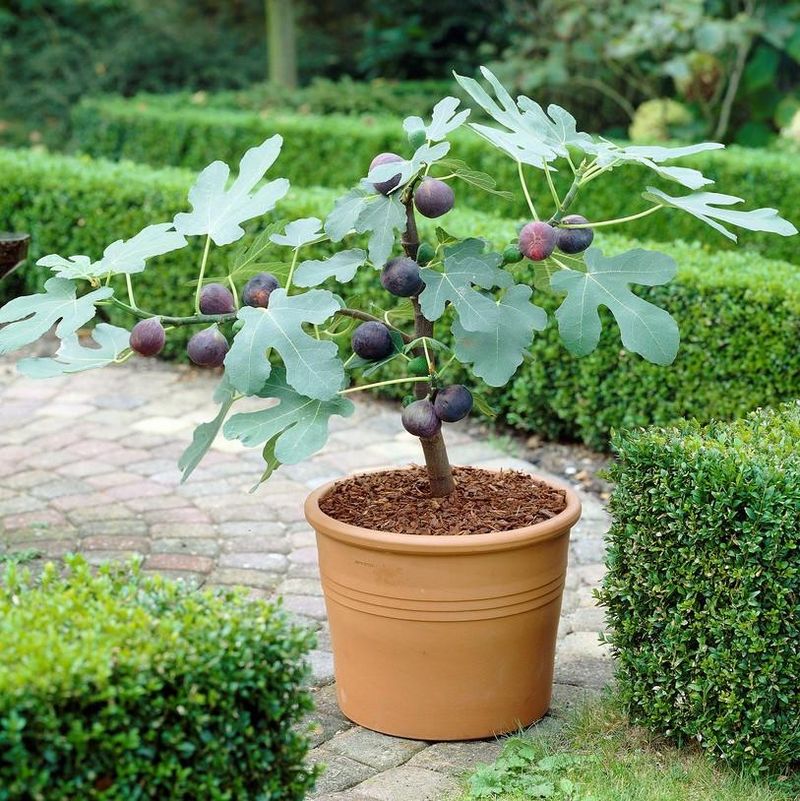
Leftover figs rotting on the patio do more than make a mess. They can draw wasps, fruit flies, and even raccoons, plus they give fungal diseases like fig rust a place to linger.
Rake up dropped leaves and toss mushy fruit into the compost. Snip off any small, unripe figs still on the branches, since they won’t ripen and can harbor problems.
Hold off on heavy pruning until late winter, though. Trimming now may push new growth or open fresh cuts to cold damage.
Come February, you’ll get a clear look at which branches made it through, and your fig will be ready for another sweet summer.