
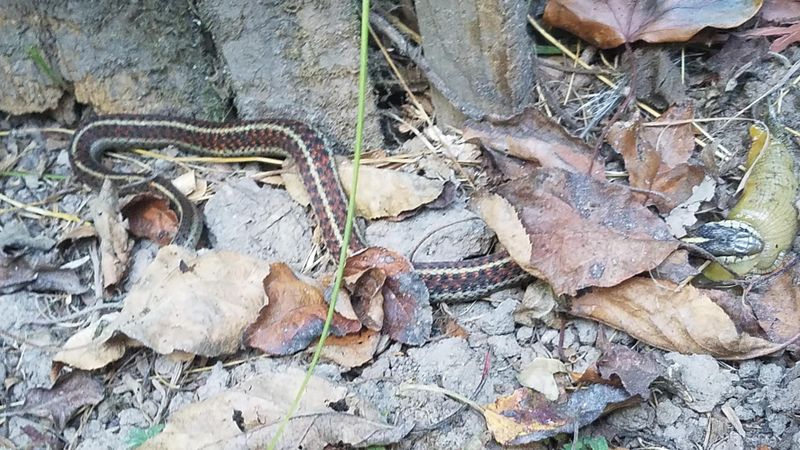
A striped snake slipping through your flower bed can make your heart jump. Some garter snakes in California do eat slugs, but the full story is more limited than the hype.
Diet depends on the species and where the snake lives, and a snake is not a pest-control plan. Here is how to read the situation, stay safe, and deal with real slug and snail damage.
A striped snake is not enough to identify a garden visitor
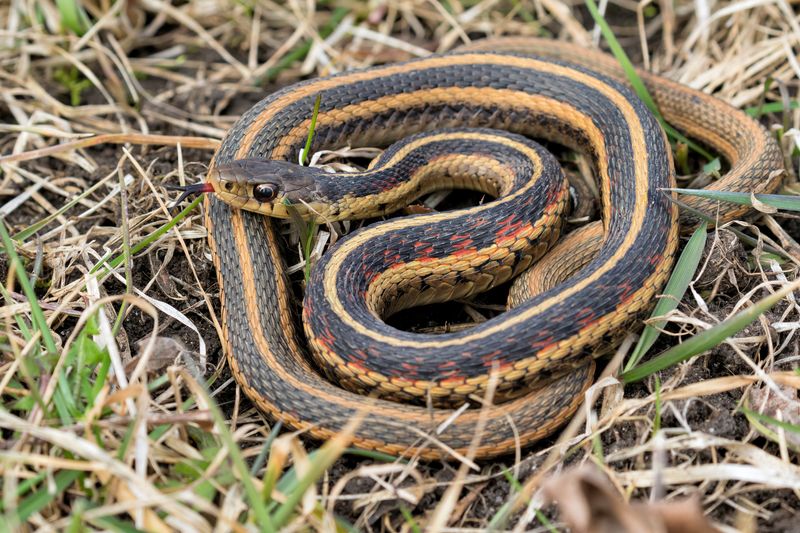
Stripes alone do not tell you what you are looking at. California has nearly 50 native snake species, and that group includes rattlesnakes.
Color and pattern also vary a lot within a single species.
Garter snakes are a group, not a single animal. California has several garter snake species, and each has its own range, habitat, and menu.
So the phrase “California garter snake” does not point to one clearly identified snake.
Habitat gives a clue. The common garter snake is generally linked to permanent or semi-permanent water, such as ponds, creeks, and marshy edges.
A dry hillside yard far from water may host something different.
One garter snake deserves special mention. The San Francisco garter snake is federally endangered and lives in a limited area.
It is not a garden helper to count on, so a boldly colored snake is not automatically a common backyard visitor.
Please do not walk up to a snake for a closer look. Watch from a distance, snap a zoomed photo if you can, and let it move along.
Some garter snakes eat slugs, but diets vary
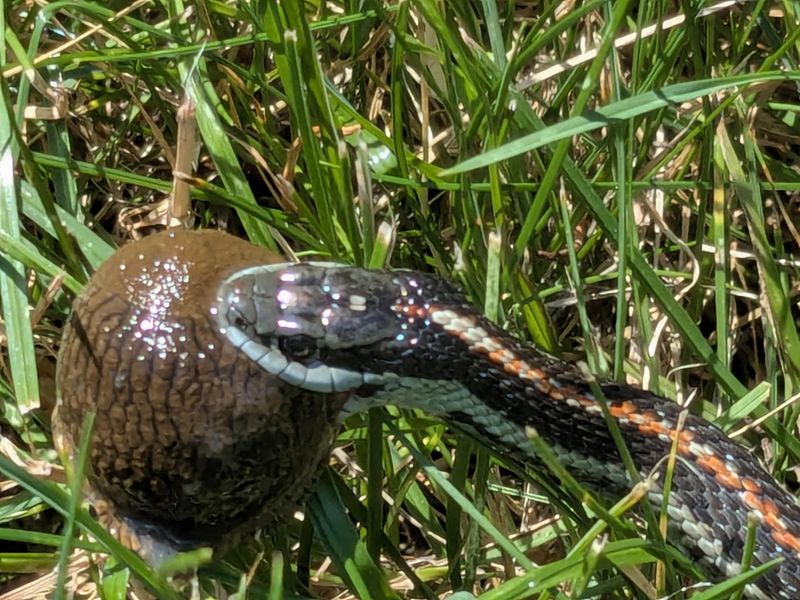
Slugs do show up on the garter snake menu, just not for every snake. The California Department of Fish and Wildlife describes the common garter snake as an eater of many things, including fish, amphibians, earthworms, and small mammals.
Slugs are listed as one of its invertebrate foods.
Western terrestrial garter snakes tell a more specific story. In research on feeding behavior, slugs made up most of the diet in coastal populations.
Inland populations of the same species mainly ate other prey.
That split matters for your yard. A snake near the foggy coast may be a regular slug eater, while a snake in an inland valley may rarely touch one.
It also means you cannot take a finding from one place or species and apply it to every garter snake in the state. Location, species, and available food all shape what a snake actually eats.
So the honest version is modest: some garter snakes eat slugs, and certain coastal groups lean on them heavily. Beyond that, diets differ.
A slug meal does not prove garden pest control
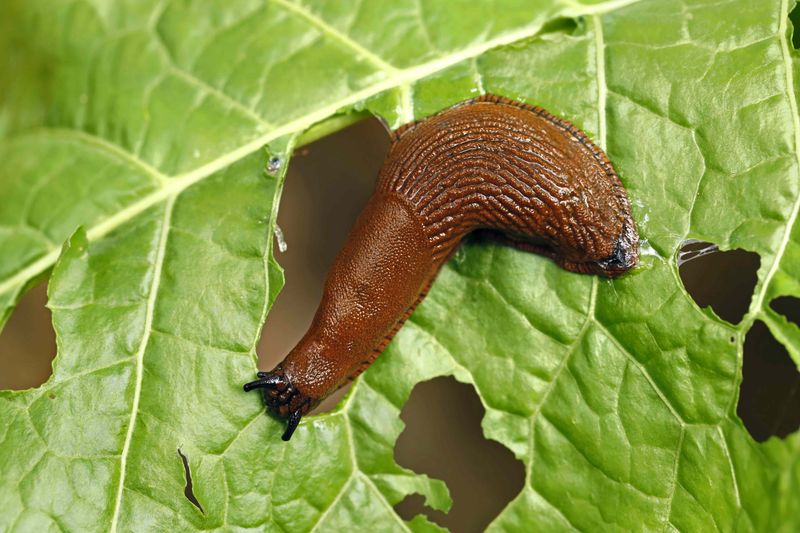
Knowing a snake can eat a slug is a long way from knowing it will save your hostas. No source reviewed measured how much garter snakes reduce slug damage in home beds.
A snake may take a few slugs and still leave plenty behind.
Snails are a separate question. The slug findings from the state wildlife account and the coastal diet research are about slugs, so there is no basis here to assume garter snakes handle snails.
Diet differences between species make the point again. The San Francisco garter snake mainly eats frogs, not slugs.
Treat any snake sighting as a bonus of living near wildlife, not as the answer to chewed seedlings. Your slug and snail plan should work whether or not a snake ever visits.
Give an unidentified snake space
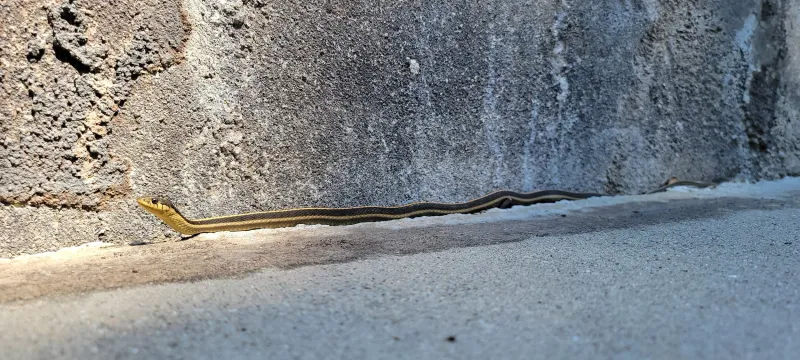
When you spot a snake and are not sure what it is, the safest move is the simplest one: leave it alone. Do not touch it, pick it up, try to move it, or kill it.
California Fish and Wildlife says in its snake conflict guidance that people should not touch or handle snakes.
The reason is practical. The department notes that most rattlesnake bites happen when a rattlesnake is handled or accidentally touched.
A closer look is never worth that risk.
Give it room. Step back, bring kids inside, and keep dogs on a leash or indoors until it leaves.
If you cannot identify the snake with confidence, or it stays put in a spot where people walk, call a local wildlife professional or your local authority. A zoomed photo taken from a distance can help them.
Most snakes move on by themselves once they feel undisturbed.
Check that slugs or snails are causing the damage
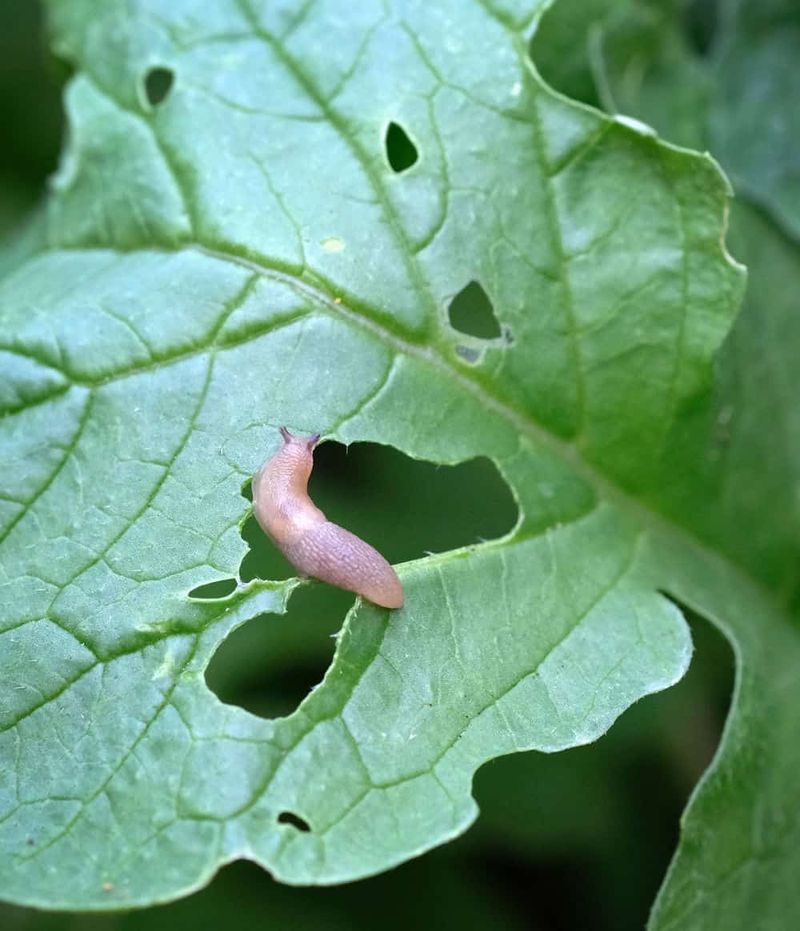
Before picking a fix, make sure you have the right culprit. Holes in leaves are not a signature.
UC IPM notes that slug and snail feeding can be confused with damage from other pests.
Slime trails are the clue to look for. Those shiny, dried streaks across leaves, soil, and patio stones point to mollusks.
Go out at dusk or early morning with a flashlight, when slugs and snails are most active. Check the undersides of leaves, the edges of pots, and spots under boards or dense groundcover.
If you find no slime and no slugs or snails, hold off on any treatment. Something else may be chewing, and the wrong control wastes effort.
Combine simple controls to limit mollusk damage
No single trick wipes out slugs and snails, so UC IPM recommends layering several. Each one trims numbers, and together they can limit damage.
Start with hiding places. Slugs and snails tuck away during the day, so cut back where practical the boards, debris, and dense low growth that give them shade.
Next, rethink watering. Drip irrigation keeps leaf surfaces and surrounding soil drier than sprinklers do.
If you must sprinkle, water near sunrise so things dry out before evening, which also suits California’s dry summers.
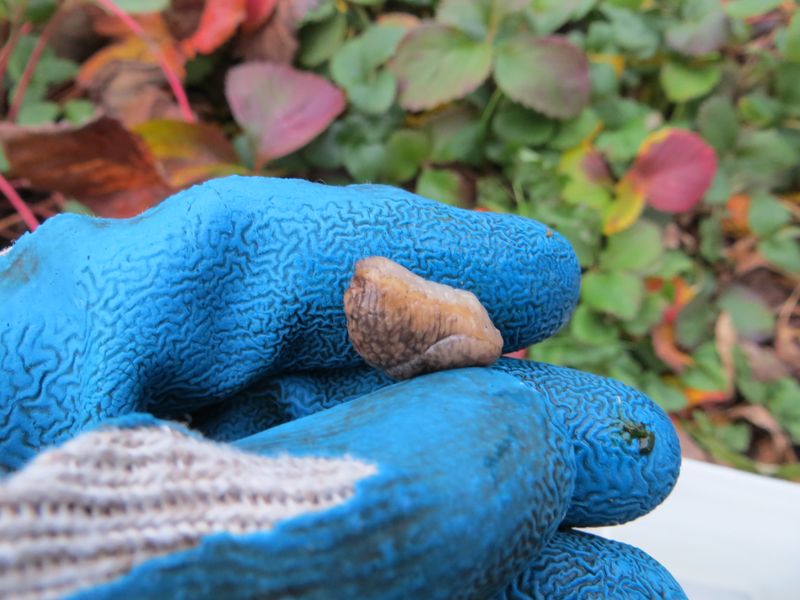
Then go hunting. Hand-picking after dark with a flashlight, or setting traps, removes mollusks directly.
Do it regularly, since new ones move in.
These steps put you in control of the problem. They do not depend on a snake showing up, and they never call for disturbing one.
Use bait cautiously and follow the label
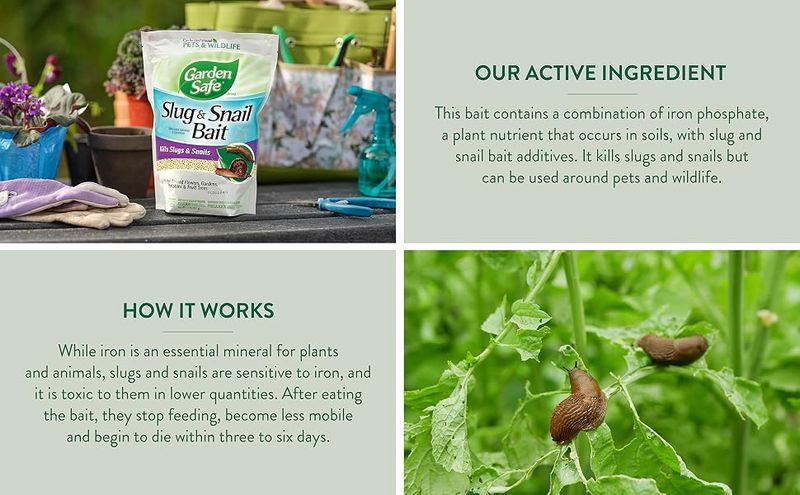
Bait can help, but it comes with trade-offs. Always follow the directions on the product label, including where and how much to use.
Type matters. UC IPM warns that metaldehyde baits can poison dogs and birds.
Iron-phosphate baits are safer for children, pets, and wildlife, though safer does not mean risk-free.
Keep pets in mind when you place it, and store the container where curious noses cannot reach it.
Bait also works best as one piece of the plan. On its own, it does not give long-term control, so pair it with the habitat, watering, and hand-picking steps above.
A slug-free bed is a moving target, but a yard that stays safe for pets and wildlife is a goal you can fully meet.