
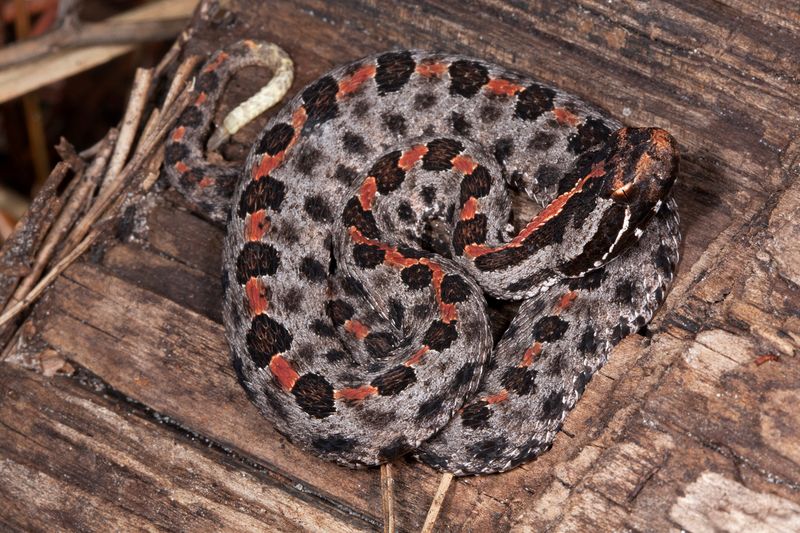
Florida has a small rattlesnake that is easy to miss on the ground. The dusky pygmy rattlesnake is venomous, well camouflaged, and found across the state.
Meeting one in your yard is not common, but a few simple habits make yard work safer. Here is what is known about this snake and how to work around groundcover and debris with care.
A small rattlesnake, not a palm-length one
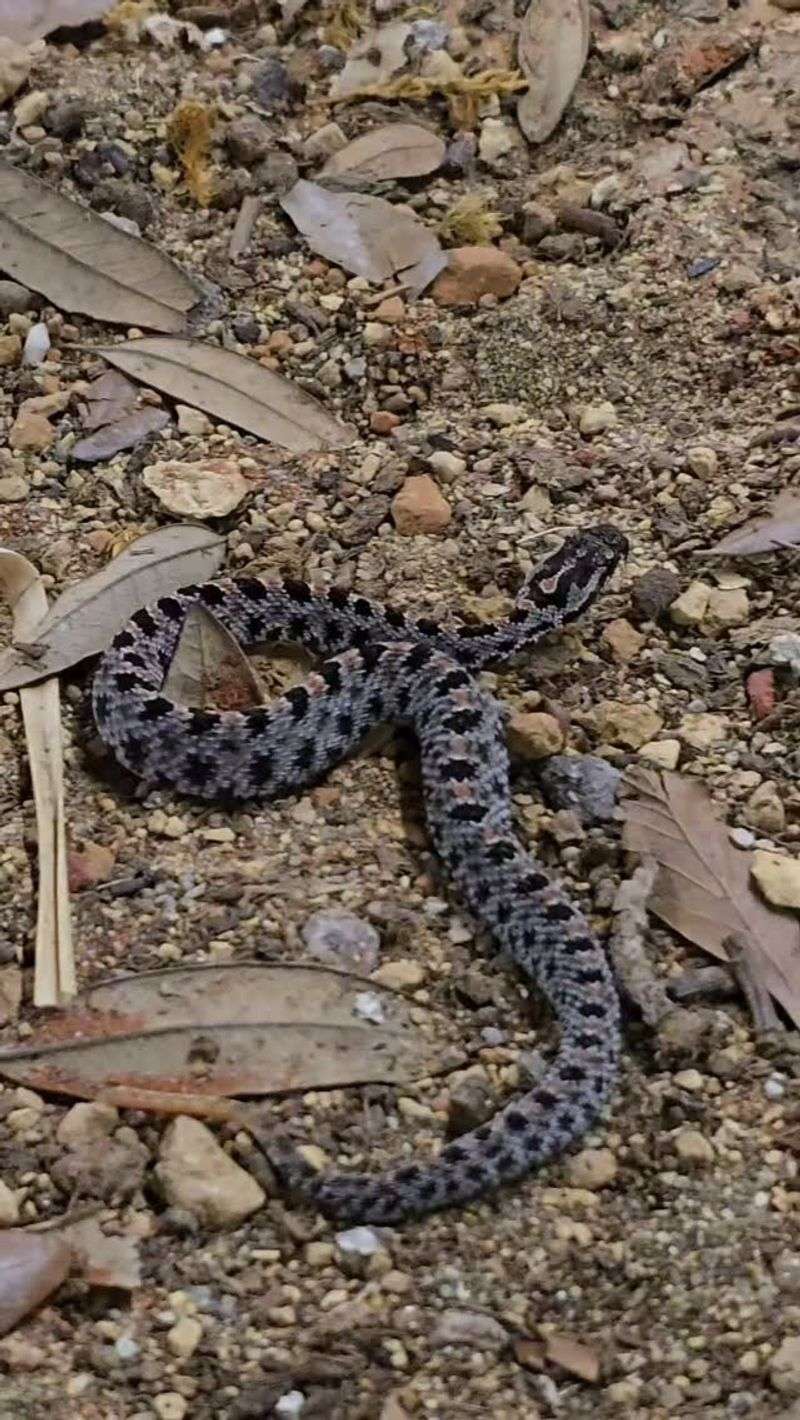
Florida’s smallest venomous snake is the dusky pygmy rattlesnake. According to the Florida Museum of Natural History, most adults measure about 12 to 24 inches long.
That is roughly one to two feet, so it is far bigger than something that fits in your palm.
The snake is small for a rattlesnake, but small does not mean harmless. It is venomous, and its bite needs real medical attention.
Its gray, blotchy pattern blends into leaf litter, soil, and low plants.
A resting pygmy rattlesnake often holds a compact posture. Combined with that camouflage, the coil can be easy to overlook.
Its rattle is also tiny, so you may not hear a warning at all.
None of this means you will bump into one during routine gardening. Most Floridians go years without seeing a pygmy rattlesnake.
The point is simply that a snake this well hidden is worth keeping in mind before your hands go into thick cover.
The Museum describes these snakes as striking defensively, not aggressively. They are not known for chasing people.
A bite usually follows when a snake feels cornered, stepped on, or grabbed, which is why giving it room matters so much.
Pine-flatwoods habitat is not proof of a pine-straw refuge
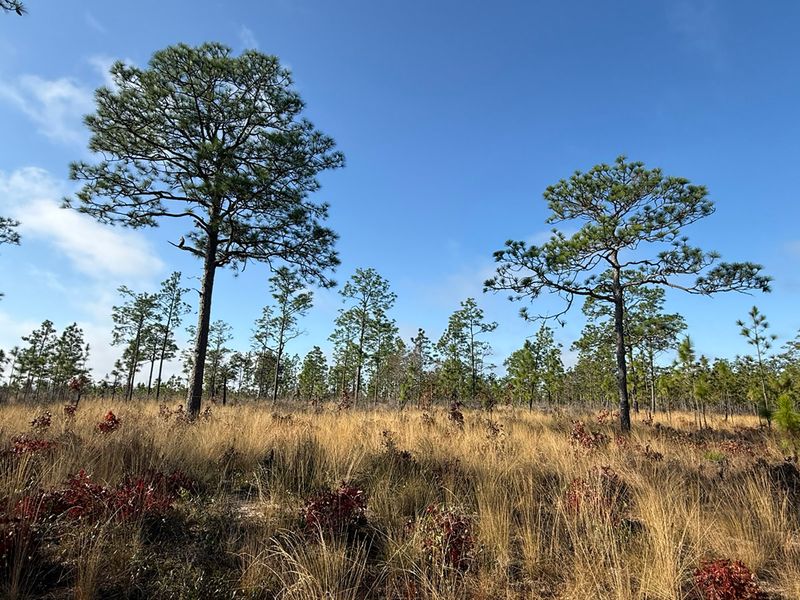
Natural pine flatwoods, prairies, and wetland edges are places where dusky pygmy rattlesnakes are documented, according to the Florida Museum. They also turn up in some suburban areas near suitable habitat.
A wild pine woodland, though, is a very different place from a mulched garden bed.
The sources reviewed do not show pine-straw mulch as a characteristic hiding place. So there is no reason to treat every pine-straw bed as a snake den.
Pine habitat and pine-straw mulch simply are not the same thing.
What the snake does do is rely on camouflage. It may stay perfectly still when frightened, hoping you walk past.
That stillness is why a snake can be right in front of you without being noticed.
For yards in general, UF/IFAS Extension lists tall grass, overgrown shrubs, brush, debris, and wood piles as places snakes of any kind may use for cover. That is advice about snakes as a group, not a claim that pygmy rattlesnakes favor these spots in home landscapes.
The practical takeaway is to notice where cover builds up. A tidy edge, a brush pile kept away from the house and play areas, and a quick look before you work all lower the odds of a surprise.
You do not need to strip your yard of plants to do it.
What bite statistics can—and cannot—tell gardeners
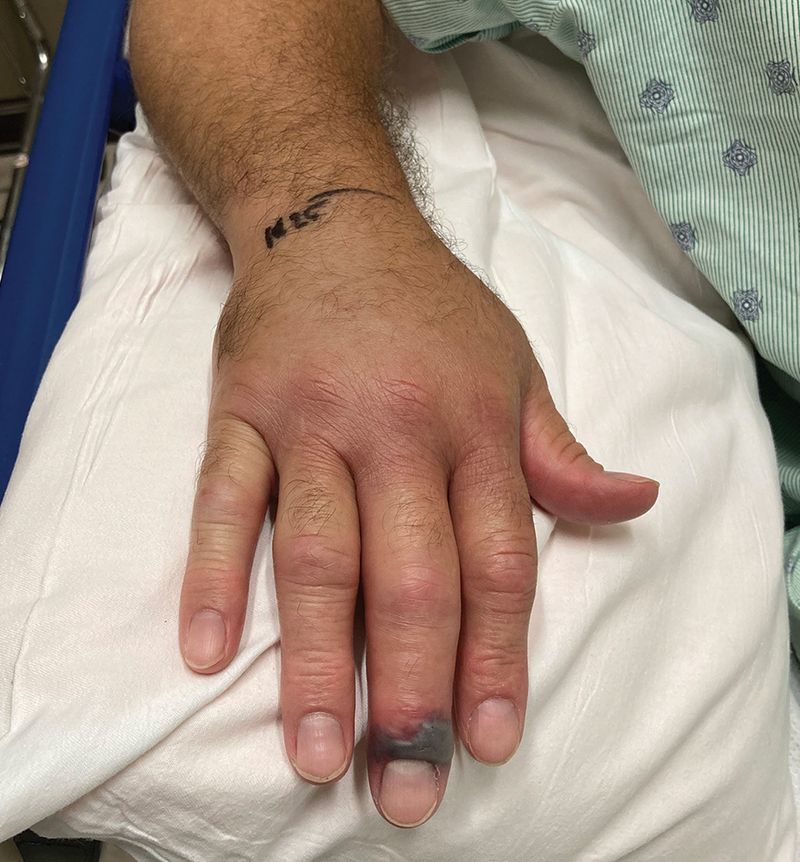
Numbers can sound scarier than they are, so context matters. A single-center review looked at 546 confirmed venomous snakebites treated at one Florida academic medical center from 2002 through 2022.
Pygmy rattlesnakes accounted for 27.8% of those cases, and 62.7% of all bites were to the hand or fingers.
That hand-and-finger figure is a good reason to avoid reaching blindly into cover. It does not tell us what the patients were doing, though.
Bite location alone cannot show that gardening caused the bite.
The same review found that the largest recorded circumstance was intentional handling of wild snakes, at 33.5%. More than 14% of circumstances were not specified at all.
And because the data came from one medical center, it is not a count of every bite in Florida or a measure of any one gardener’s risk.
What about fall cleanup? The sources reviewed do not show a statewide rise in pygmy rattlesnake bites in fall, or a pattern of bites during fall garden work.
A UF/IFAS Escambia County article describes fall movement among pit vipers in the western Panhandle, but it does not link that to pygmy rattlesnake bites.
Another UF/IFAS publication says snakes are generally most active in spring and summer. The safest approach is to use the same care in every season, wherever your hands are headed into cover you cannot see.
Make garden cleanup visible before reaching in
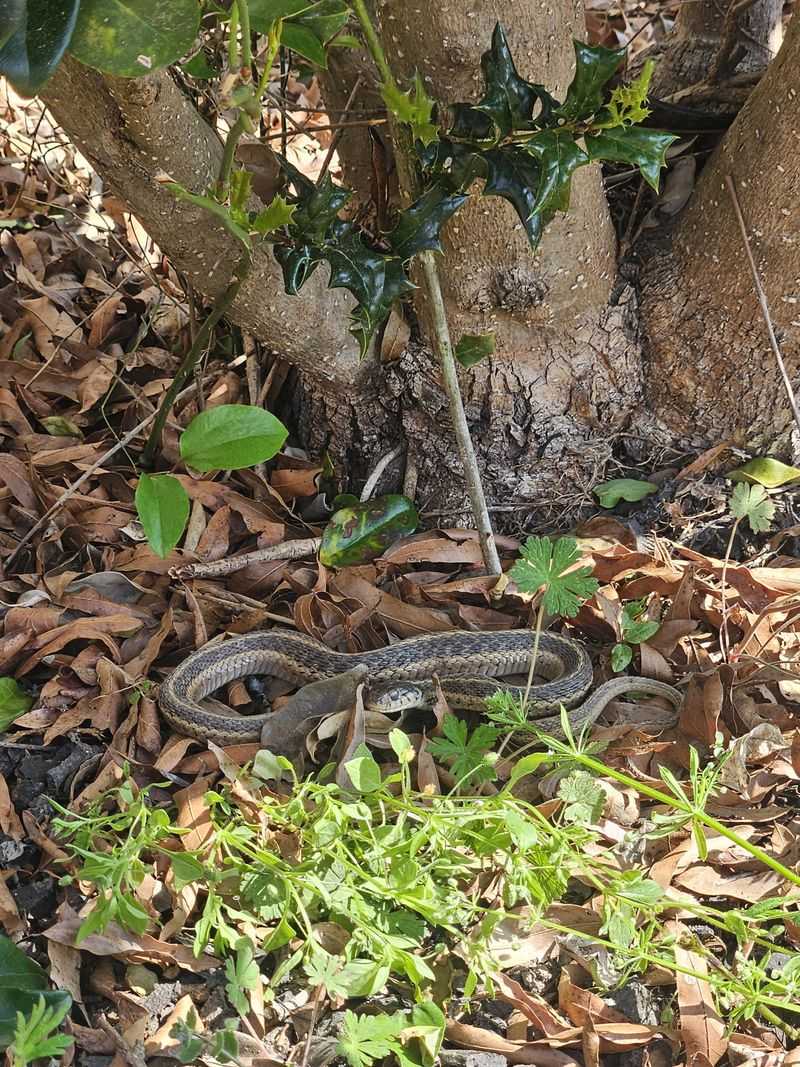
Good cleanup habits come down to one idea: see before you touch. CDC/NIOSH guidance recommends avoiding places you cannot visually inspect and using gloves and tools to move debris.
Start by walking the bed and looking at the ground in good light. Check under the edges of thick groundcover, around the base of shrubs, and beside piles of leaves, branches, or boards.
If you cannot see into a spot, do not put a bare hand there.
Next, let a tool do the first move. A rake, hoe, or long-handled pitchfork can lift and turn debris from a short distance away.
Pull material toward you rather than reaching under it.
Wear sturdy closed shoes or boots, plus leather gloves when you handle brush. Gloves are a precaution, not a guarantee, and a snake could still bite through a gap or a thin spot.
They work best alongside looking first and using tools.
You do not have to clear out every plant to stay safe. UF/IFAS suggests keeping brush piles away from buildings and play areas, not wiping out all vegetation and wildlife habitat.
Trim overgrown spots, stack wood off the ground and away from the house, and keep paths clear.
If you are tackling a large, tangled area, work in daylight and take your time. Slow, deliberate raking beats a rushed grab every time.
Give a spotted snake space
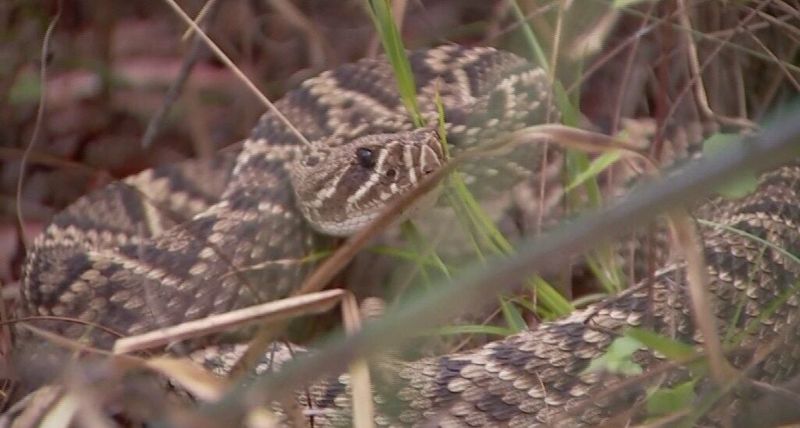
Seeing a snake can make your heart jump, but the best response is a calm retreat. Step back, keep children and pets away, and let the animal be.
The Florida Fish and Wildlife Conservation Commission notes that snakes usually bite in self-defense when molested, and it recommends watching from a distance.
Do not try to catch, kill, or move the snake. Handling is exactly how many bites happen, and it puts you at far more risk than leaving the snake alone.
Most snakes will move along on their own if nobody crowds them.
Resist the urge to lean in for a closer look. If you want a record, take a photo from a safe distance, using zoom.
Close inspection is never needed to decide what to do next.
When the snake might be venomous, or you simply cannot tell what it is, call a qualified professional. UF/IFAS Extension advises against handling snakes and points homeowners toward trained help for removal.
A licensed wildlife or snake removal service can identify and relocate it safely.
In the meantime, bring dogs inside and keep an eye on the spot from a window. Then pause the yard work in that area until the snake is gone or the professional has dealt with it.
A suspected bite needs emergency care
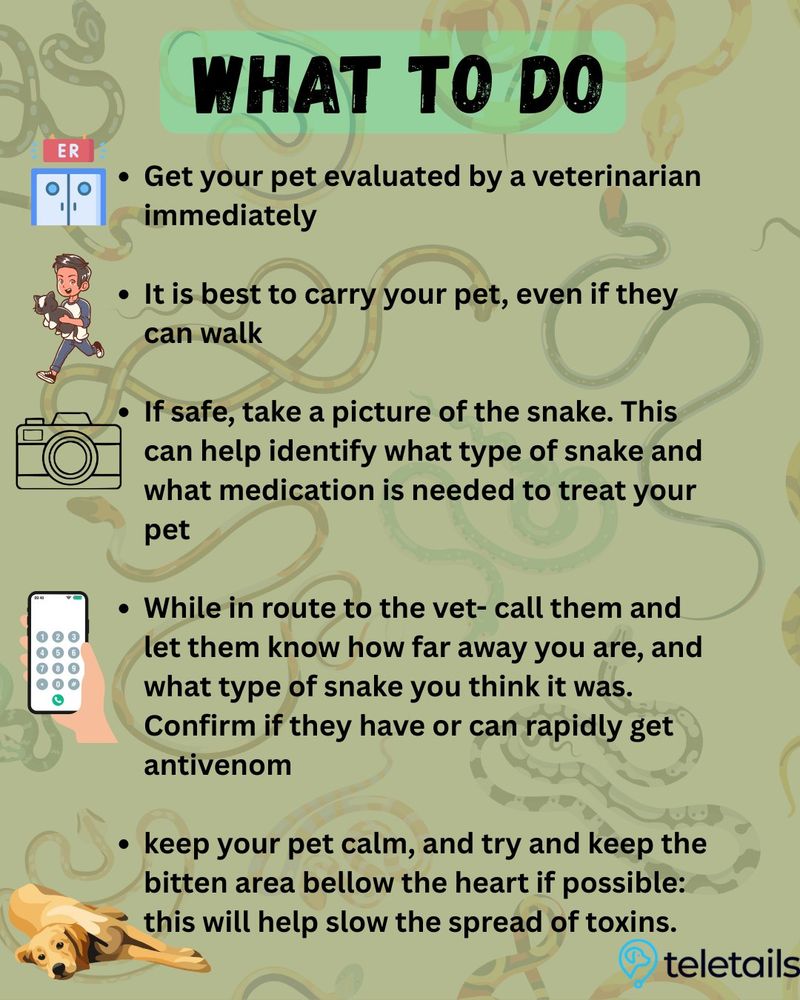
Any suspected pygmy rattlesnake bite needs prompt emergency medical care. The Florida Museum says these bites are generally not considered life-threatening to people or pets.
It also says they can be more serious for children and small pets, and a bite is still a medical emergency.
Current CDC/NIOSH guidance is clear on the first steps. Call 911 or get emergency care right away, and avoid driving yourself if you can.
Move away from the snake, then stay as still as possible.
Take off rings, watches, and other tight items before swelling begins. If it will not delay care, you can wash the bite and cover it with a clean dry dressing.
Care comes first, so skip this step if help is waiting.
Just as important is what not to do. Do not put ice on the bite, and do not use a tourniquet.
Do not cut the wound, and do not try to suck out venom. Do not chase or capture the snake either, since a second bite helps no one.
If the snake is still in view and you can do so safely, remember its size and color to tell the medical team. A photo from a distance is fine, but only if it costs no time.
Home remedies and wait-and-see plans are not options here. A little snake can still call for a big response.