
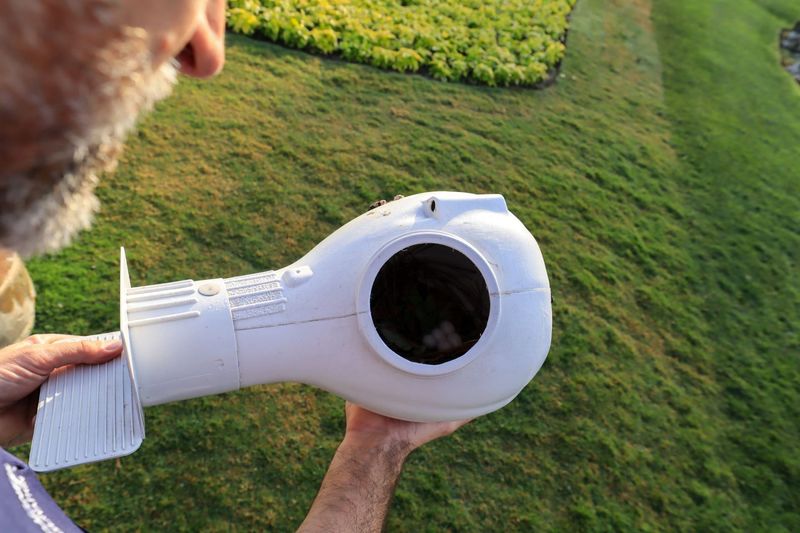
Purple martins can turn a Florida yard into a busy spring birdwatching spot. They catch flying insects, including some mosquitoes, while raising their young.
The trick is giving these birds a safe place to nest and enough open air to hunt. These seven changes can make your yard more inviting, though martins are not a substitute for mosquito control.
1. Make Room for an Open Flight Path
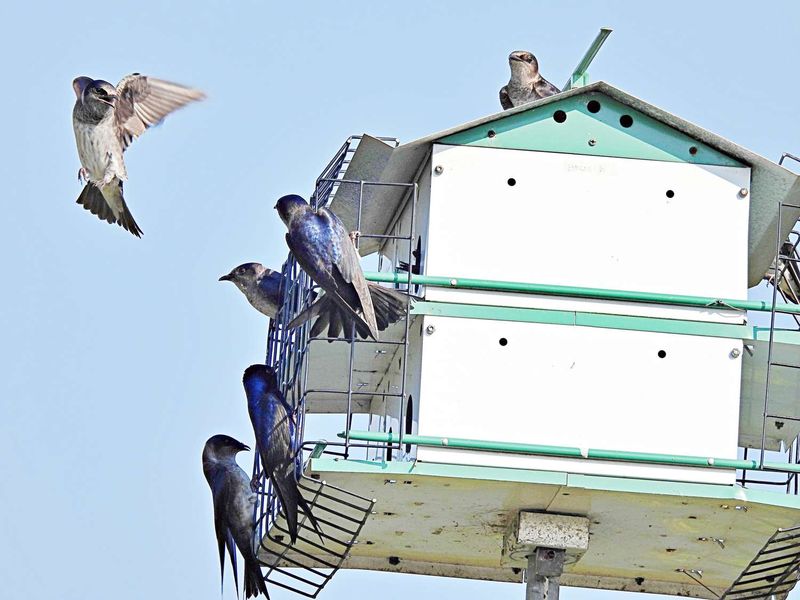
A beautiful birdhouse can sit empty if a martin has to dodge branches to reach it. Purple martins hunt in open air and prefer clear approaches to their nests.
Before putting up housing, look at your yard from every direction a bird might fly in. A broad lawn, pasture edge, or open space near a pond is usually more promising than a wooded backyard.
Choose a spot with plenty of open area around the housing. Keep it well away from tall trees and buildings when your lot allows.
In a small Florida yard, that might mean using the sunniest, most open part of the property rather than the shadiest corner. Watch for fast-growing palms and trees that could close the flight path in a few years.
Do not remove healthy shade trees just to make room for a martin house. If your property is heavily wooded, you may have better luck helping other insect-eating birds instead.
For an open yard, though, clearing the approach can be the change that makes every later step worthwhile.
2. Put Up Housing You Can Lower and Clean
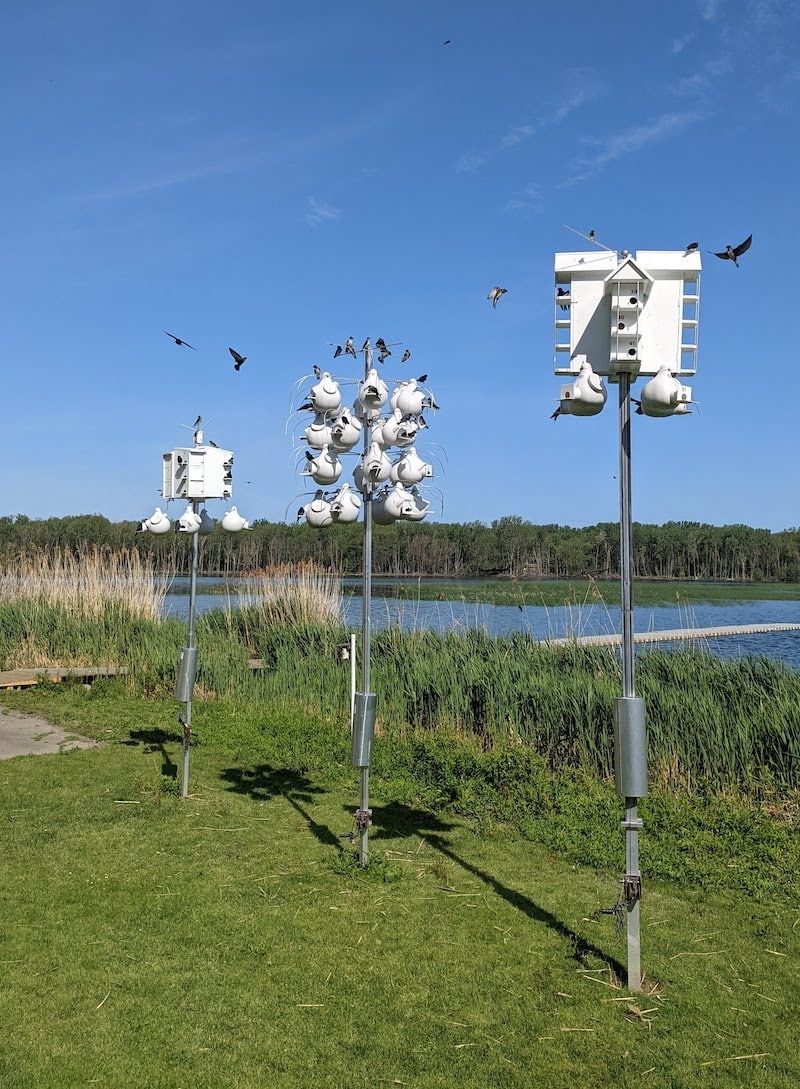
Think of a martin house as a small apartment building that needs a caretaker. In much of eastern North America, including Florida, purple martins depend on people for nesting sites.
A multi-compartment house or a rack of nesting gourds gives them places to raise young, but only if you can reach those places for checks and cleaning.
Mount the housing on a sturdy pole with a system that lets you lower it. Follow the manufacturer’s height guidance, commonly around 10 to 20 feet above the ground.
Choose compartments roomy enough for martins, with drainage and ventilation suited to Florida’s warm, rainy weather. A light-colored exterior helps limit heat buildup in full sun.
Before nesting starts, make sure doors open easily and the pole moves safely. Empty old nests after the breeding season and inspect the housing for damage before birds return.
Florida storms make sturdy installation especially valuable: check the pole, anchors, and nearby hazards after severe weather. Housing that is easy to maintain is more useful than an impressive model you cannot safely inspect.
3. Add a Predator Guard to the Pole
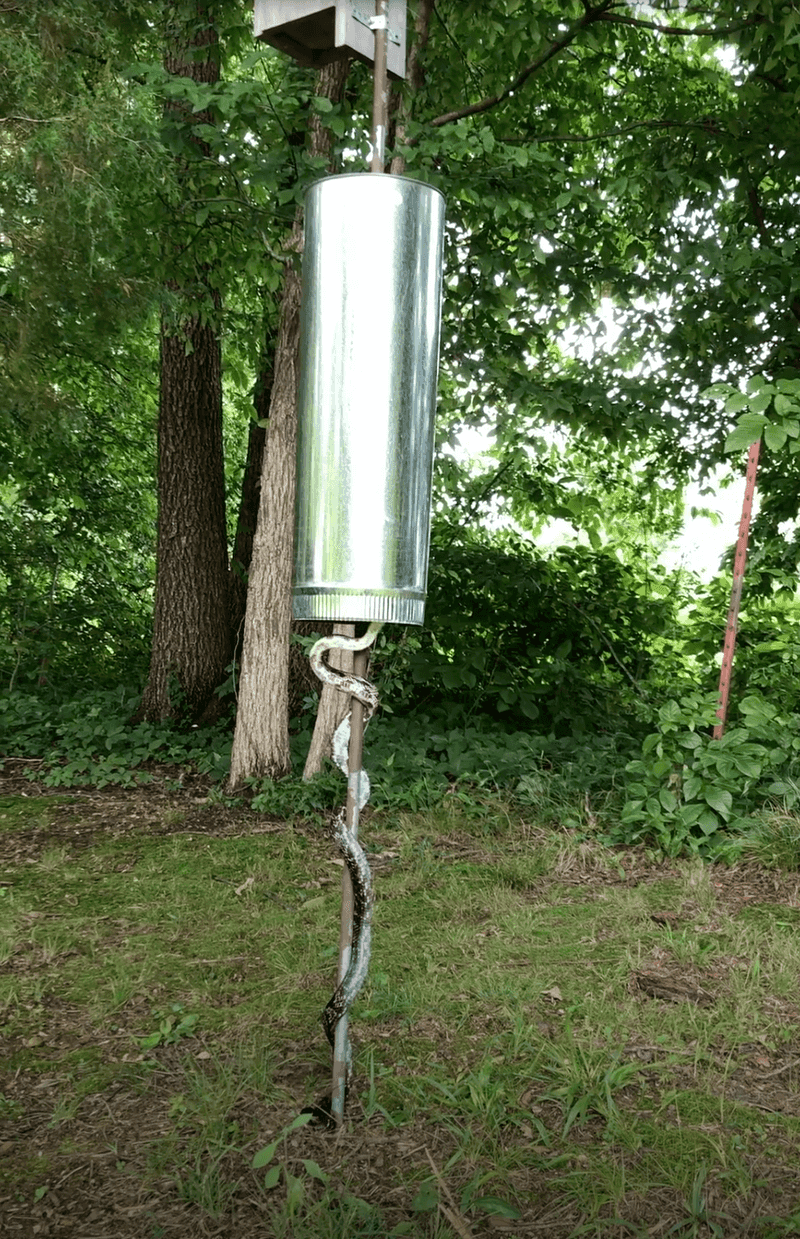
For a climbing snake or raccoon, an unprotected pole can be a ladder to a nest. A predator guard blocks that route and helps protect eggs and chicks.
It is one of the simplest upgrades to make while you install the housing, rather than after birds have moved in.
Use a smooth, properly fitted baffle made for your pole and place it according to the manufacturer’s directions. Check that a predator cannot bypass it from a nearby fence, roof, or tree limb.
Florida homeowners should pay special attention to snakes, which can climb surprisingly well. A guard does not solve every risk, but it closes an obvious path to the nests.
Keep the area around the pole tidy enough to spot fallen parts, damage, or new climbing routes. After strong wind or a storm, check that the baffle has not shifted and the pole remains secure.
Avoid coating the pole with sticky products that could harm wildlife. A solid barrier, checked now and then, is the safer long-term approach.
4. Get Ready Before Florida’s Martins Arrive
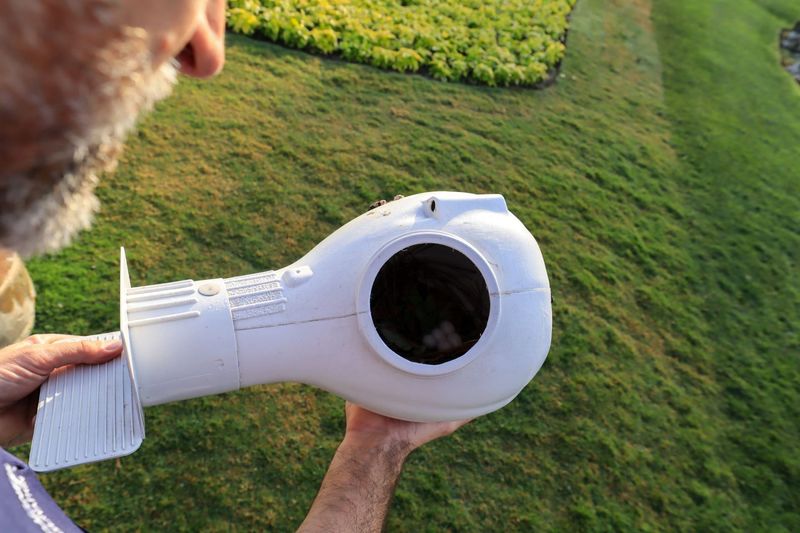
Florida’s first returning martins can show up while many gardeners still think it is winter. Arrival varies by year and location, with birds often appearing earlier in South Florida than farther north.
Clean, repaired housing should be ready before your local birds begin looking for nest sites.
Check recent arrival reports from a purple martin group or local birders instead of relying on one statewide date. If you already have a colony, prepare its housing ahead of the expected return.
A new site may take longer to attract birds, especially because younger birds looking for a first nest can arrive after older, experienced birds. Do not assume an empty house on the first warm day has failed.
Once birds begin nesting, learn how to make brief, careful nest checks using established purple martin guidance. Monitor for house sparrows and European starlings, which can take over cavities, and follow current wildlife rules and safe management advice before acting.
Watching the house regularly also helps you notice loose doors, wet compartments, or storm damage while there is still time to fix them.
5. Plant Native Flowers Beyond the Flight Zone
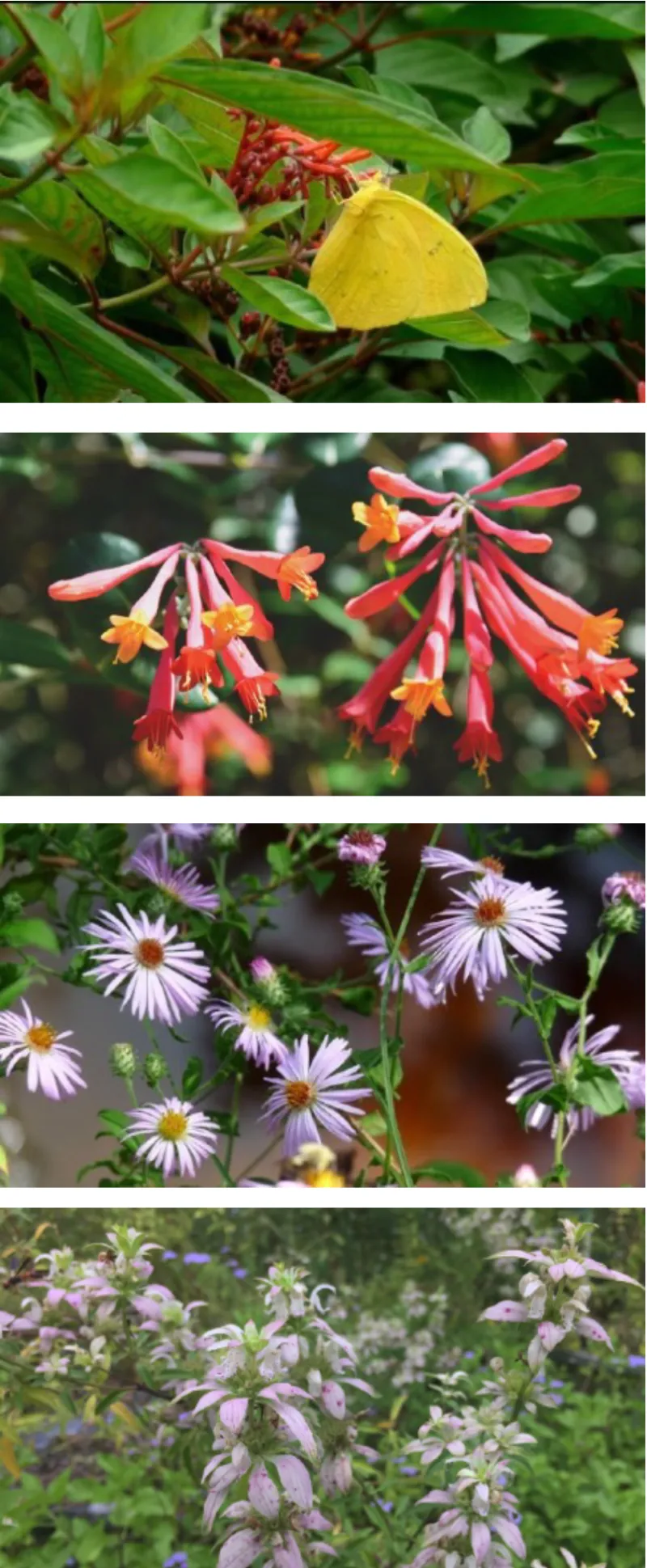
A neat lawn leaves little for insects to visit. A border of Florida-native flowers can add color and support the wider food web that insect-eating birds use.
Keep those plants to the edges of the yard so the martin house still has a clear approach.
For a sunny spot, consider Florida-friendly native choices such as blanketflower and native coreopsis suited to your part of the state. Choose plants for your actual site, including its sun, drainage, and salt exposure.
Florida’s sandy soil dries quickly, so water new plants while roots establish, then group species by their moisture needs. Check UF/IFAS or a local native plant society for choices appropriate to your county.
Flowers do not guarantee a martin colony, and martins catch many kinds of flying insects rather than feeding at flower beds. The payoff is a yard that supports more insect life without crowding the birds’ airspace.
Let some plants bloom in succession through spring, leave a little leaf litter in suitable beds, and enjoy a border that looks lively even on days when no martins visit.
6. Skip Routine Yard-Wide Insect Sprays
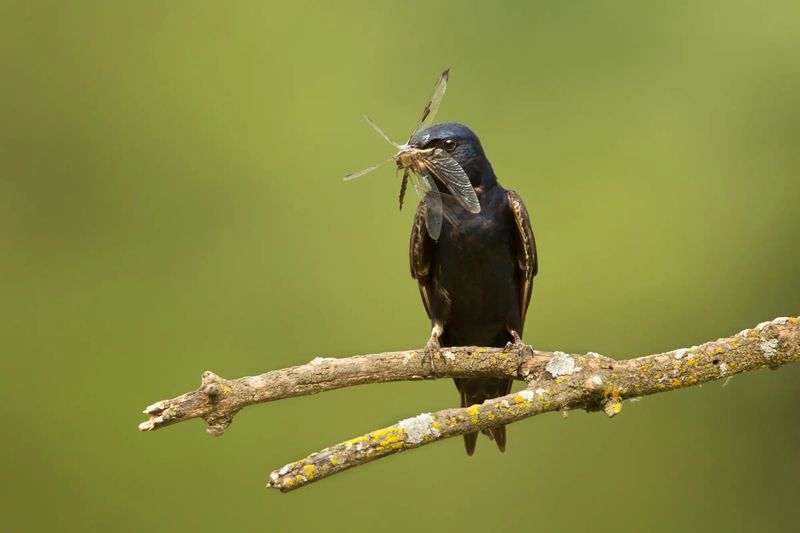
A yard sprayed on a schedule may have fewer of the flying insects martins need. These birds eat a mix of airborne prey, so protecting their food supply means being selective about pest treatment.
You do not have to let garden problems run wild to make a bird-friendly change.
Start by identifying the pest and checking whether it is causing real damage. Hand removal, plant care changes, or a carefully chosen spot treatment may solve a small problem without treating the whole yard.
If a pesticide is needed, follow its label exactly and avoid spraying near active nests. Your county UF/IFAS Extension office can help you sort out Florida pests and suitable options.
Mosquito control needs the same practical balance. Purple martins do eat mosquitoes, but studies of their diet do not support relying on them to clear a yard of bites.
They feed during daylight, while many troublesome mosquitoes are most active around dawn, dusk, or at night. Keep using proven steps such as removing standing water and protecting yourself with screens or repellent when needed.
The goal is a healthier habitat, not a promise that one bird will handle every pest.
7. Offer Clean Water Without Breeding Mosquitoes
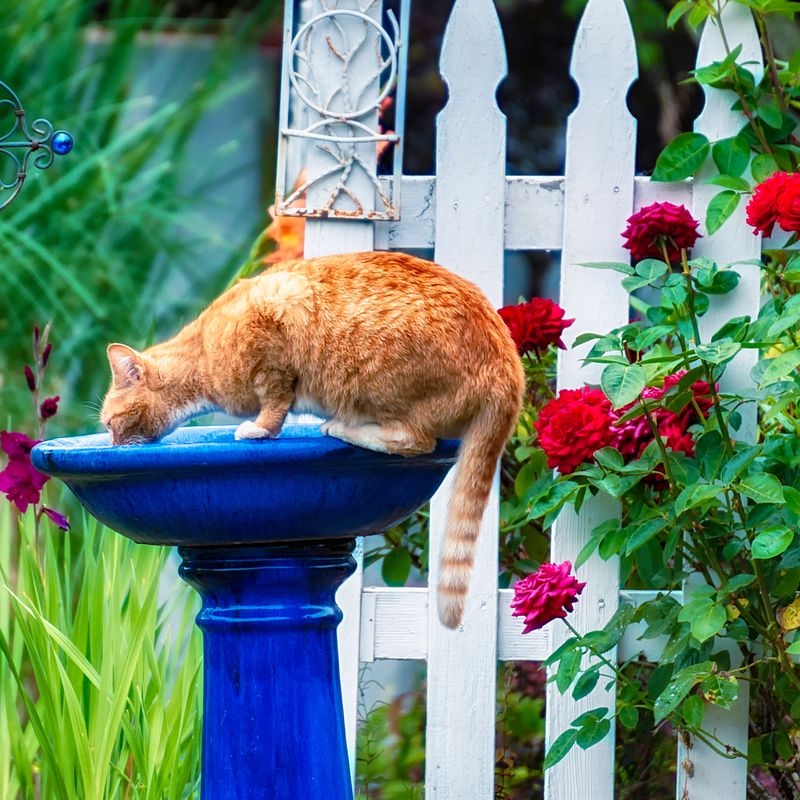
Water makes a yard feel welcoming to wildlife, but a forgotten bucket can make mosquito trouble worse. If you add a birdbath or other small water feature, plan for its upkeep first.
Put it where you can see and clean it easily, without placing a tall structure in the martins’ flight path.
Empty, scrub, and refill a birdbath regularly, at least every few days during warm weather. For a fountain or pond, keep the water moving and maintain it as designed.
Walk the yard after rain to tip out plant saucers, toys, and containers that hold water. Check gutters and tarps, too, since Florida showers can refill hidden pockets quickly.
Martins often favor open areas near larger bodies of water, where they can drink and find flying insects. A birdbath alone will not bring them to a wooded yard or replace good nesting housing.
Still, clean water can be a useful part of a wildlife-friendly space. Paired with quick checks for standing water, it lets you welcome birds without giving mosquitoes an easy place to breed.