
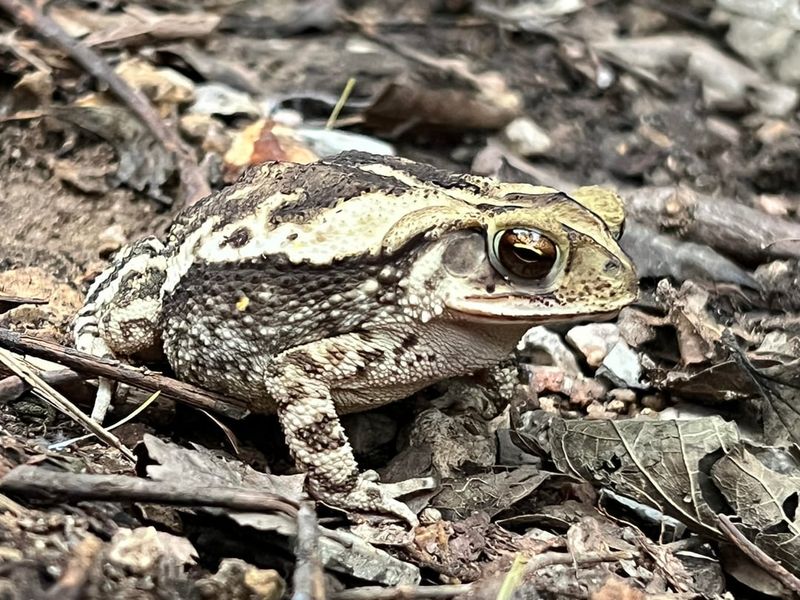
Step onto a Texas porch on a fall evening and you may find toads hopping across the bricks or sitting beside your flower beds. It is tempting to read that as a grade on your garden.
The truth is more modest, and it is more useful. Here is what those toads can and cannot tell you, and what you can do to keep your yard welcoming for them.
One busy night is a snapshot, not a soil test
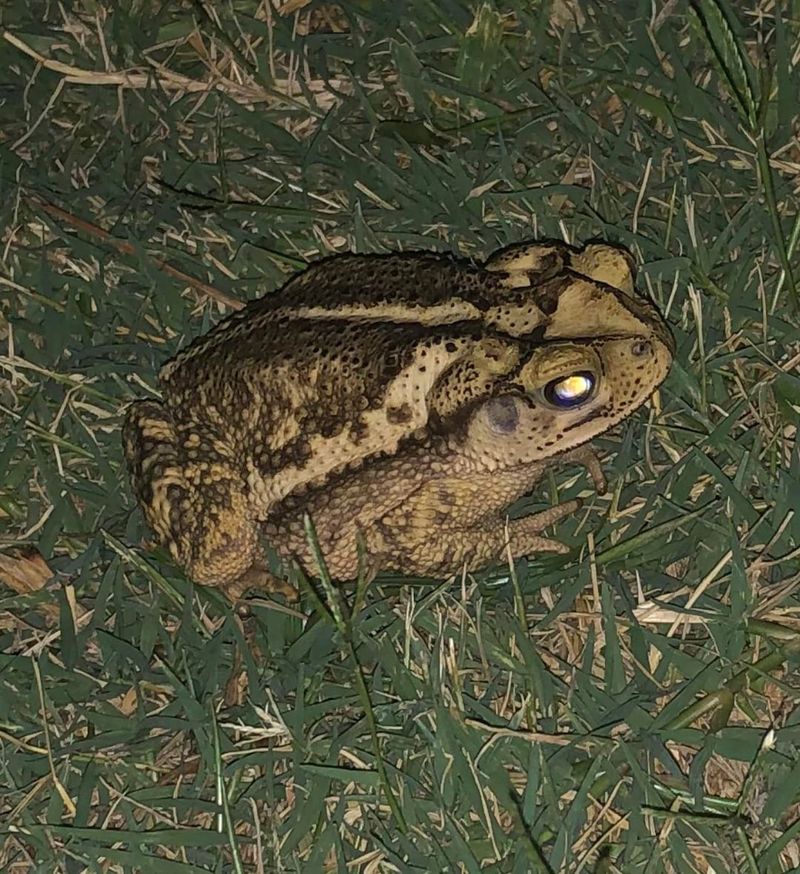
Count a dozen toads in your flower beds after dark, and the safest conclusion is simple: toads are using your yard right now. That is all one busy night can prove.
It does not show that your soil is healthy, that your garden is perfectly balanced, or that you have a pest problem.
Gulf Coast toads are native to Texas and are comfortable in cities and suburbs. National Park Service monitoring in San Antonio lists the species as a regular native resident and a habitat generalist.
A toad that gets by in many kinds of places is not a picky measuring stick for any one yard.
You may have heard that amphibians are indicators of environmental health. That idea comes from long-term population studies, not from a single evening on one patio.
The same NPS monitoring explains that researchers need consistent data collected over many seasons, plus information about rainfall and other conditions, to tell a real trend from normal ups and downs. A related Frontiers in Ecology and Evolution review looks at how this toad responds to human-caused stressors, which shows how complicated the picture can be.
So treat a crowd of toads as a clue worth noticing. Jot down the date, the weather, and where they were sitting.
Over a few seasons, those notes will tell you far more than one dramatic night ever could.
Habitat, rain, and what a fall sighting cannot prove
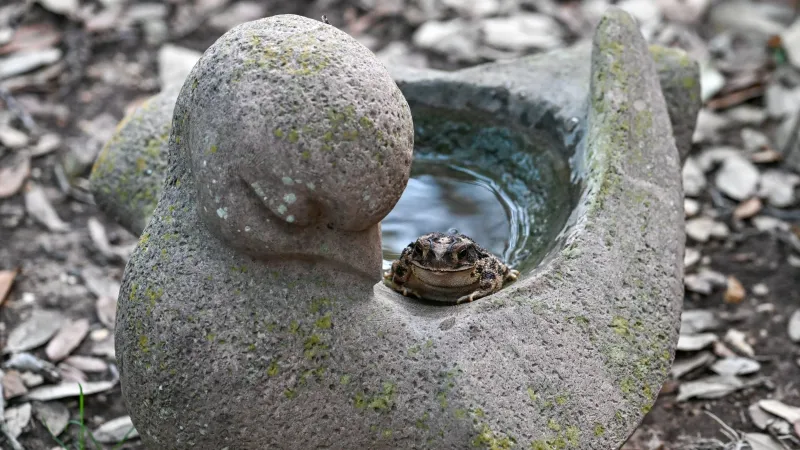
Rain is a common reason toads suddenly show up. The National Park Service notes that amphibian numbers naturally rise and fall with rainfall and other environmental cues.
A soggy week may well bring more toads into view, though not every yard or every toad will respond the same way.
Longer-term features matter too. According to NatureServe, Gulf Coast toads are nocturnal and live in a range of habitats, including suburban areas.
Places to tuck away during the day, such as dense groundcover, leaf litter, a stack of flowerpots, or a shady corner by the foundation, may help explain why toads choose one yard over another.
That does not mean you need a swampy lawn. These toads are adaptable, and a Texas yard that dries out between storms can still work if it offers cover and a bit of damp shelter.
Think of moisture as something that helps, not something you must keep constant.
One more caution: a toad in October does not mean breeding is underway. NatureServe places egg laying in spring or summer, with tadpoles developing in pools, including roadside and irrigation ditches.
A fall toad is most likely just a toad out foraging or moving around.
At porch lights, nearby prey is a possibility—not a toad-specific rule
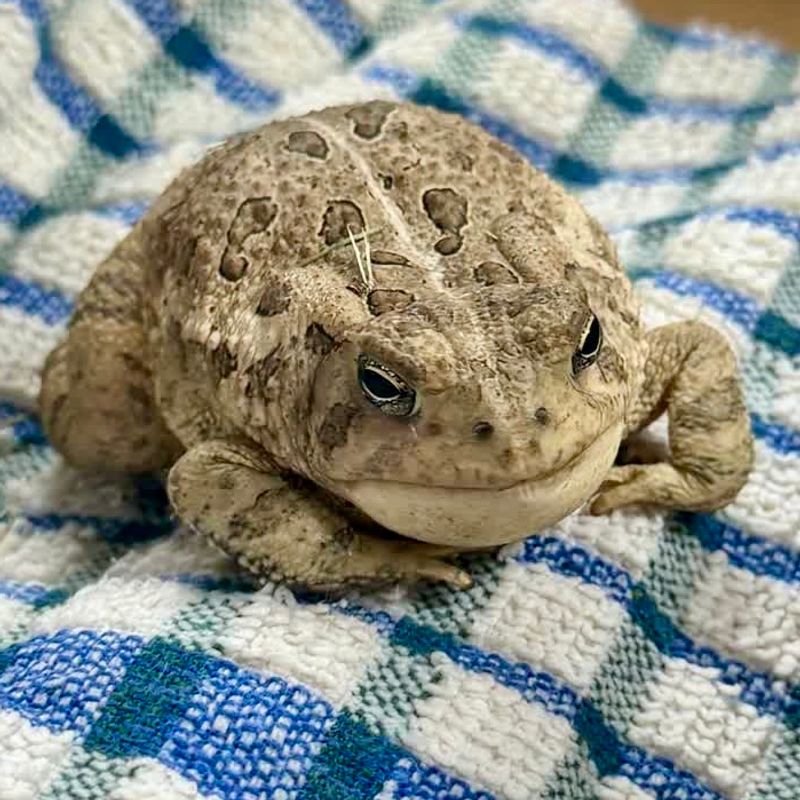
A toad parked under the porch light looks like it came for the glow. A likelier story involves the bugs.
Research shows that artificial light draws in some insects, and a toad sitting nearby may simply be taking advantage of an easy meal.
A study on streetlights attracting a wide variety of beetles shows how many insects can gather around lamps. Another paper in Nature Communications explains why flying insects gather at artificial light.
Neither one is about Gulf Coast toads, so the link to toads is a reasonable guess, not a proven behavior.
That is also why light-side toads make a poor bug counter. A toad by the door does not tell you how many insects live in your yard, and an empty porch does not mean the bugs are gone.
Weather, cover nearby, and the toad’s own schedule all play a part.
If you enjoy watching, try a simple experiment. Note which nights toads appear and whether the light is on, then compare with rainy and dry nights.
Patterns like that are more informative than any single sighting.
Toads eat small arthropods, but they are not a pest-control plan
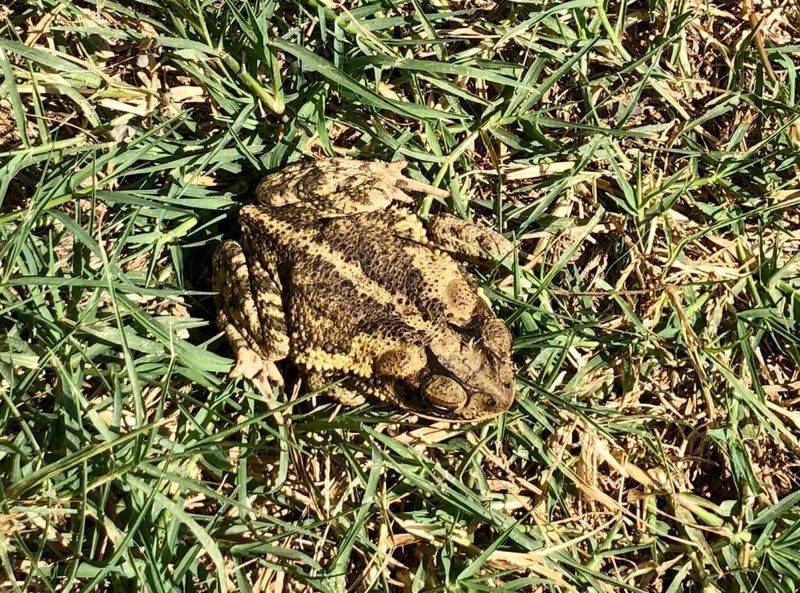
Adult Gulf Coast toads eat small terrestrial arthropods, according to NatureServe. That means beetles, ants, and other small crawling creatures can end up on the menu.
It is a fun thing to picture on a quiet evening in the garden.
Still, eating insects is not the same as protecting your plants. The sources reviewed do not show that Gulf Coast toads reduce garden pests at any dependable level.
A toad does not know which bug is a pest and which is harmless, and it only eats what it happens to find.
The same goes for the reverse question. Seeing several toads does not mean you have a pest outbreak.
They may be there for shelter, damp ground, or just because the weather was right.
If chinch bugs, scorpions, or caterpillars are damaging your landscape, look at them directly. Check the plants, identify the culprit, and choose a response that fits.
Think of toads as a pleasant bonus in the yard, not a replacement for scouting and good plant care.
Keep useful cover and reduce avoidable pesticide exposure
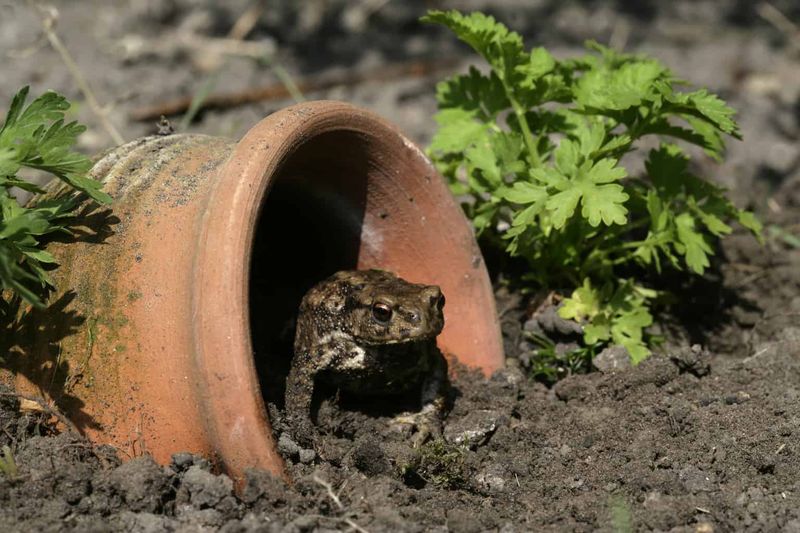
Good news for busy gardeners: helping toads mostly means doing a little less. Leave a few sheltered, undisturbed spots, such as a leafy corner, a rock pile, thick groundcover, or a log at the edge of a bed.
The National Park Service points to habitat features and reduced pesticide use as simple ways to support amphibians.
You do not need to keep the yard soaking wet. Gulf Coast toads are adaptable, and a Texas garden with shade, mulch, and cover can work fine even through dry spells.
Water your plants the way they need, within local restrictions.
Amphibians have thin, absorbent skin, which makes pesticides a particular concern. Start by asking whether you need a treatment at all.
When you do, follow the product label exactly, keep spray from drifting, and prevent runoff into drains or ditches.
Never apply pesticides right before heavy rain, since the storm can wash them off your plants and into other areas. The EPA’s guidance on frogs and pesticide hazards also recommends integrated pest management where possible.
That means scouting first, using the least risky options that work, and treating only the problem spot.
Observe the pattern without handling the toads
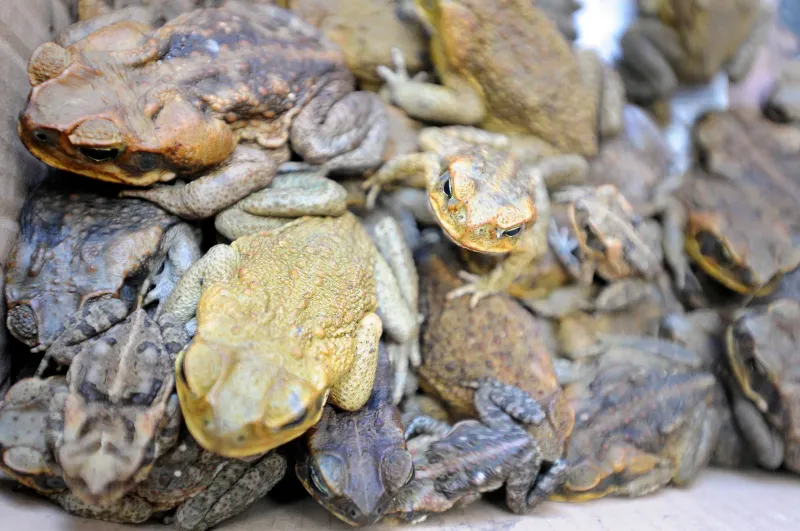
The best way to enjoy toads is from a few feet away. Bring a flashlight, watch quietly, and write down where and when they show up.
Capturing wild animals in Texas requires a license or permit, and Texas Parks and Wildlife rules on frogging advise returning observed animals where you found them. Skip collecting, buying, releasing, or moving toads.
Be careful with names, too. Texas is home to many frogs and toads, and TPWD’s list of Texas frogs and toads shows how many there are.
Location alone is not enough to say every toad in your yard is a Gulf Coast toad.
Pets need protection from wild toads. Keep dogs and cats from mouthing them, since any toad may be risky, and call a veterinarian promptly if a pet does and becomes ill.
The Texas Veterinary Medical Foundation explains the concern in its toad toxicity article.
Your notes will help you spot patterns tied to cover, moisture, weather, and nearby prey, which is all a sighting can really offer. As the National Park Service stresses, long-term records are what turn observations into meaning.
A toad on your porch is an invitation to look closer, not a report card for your garden.