
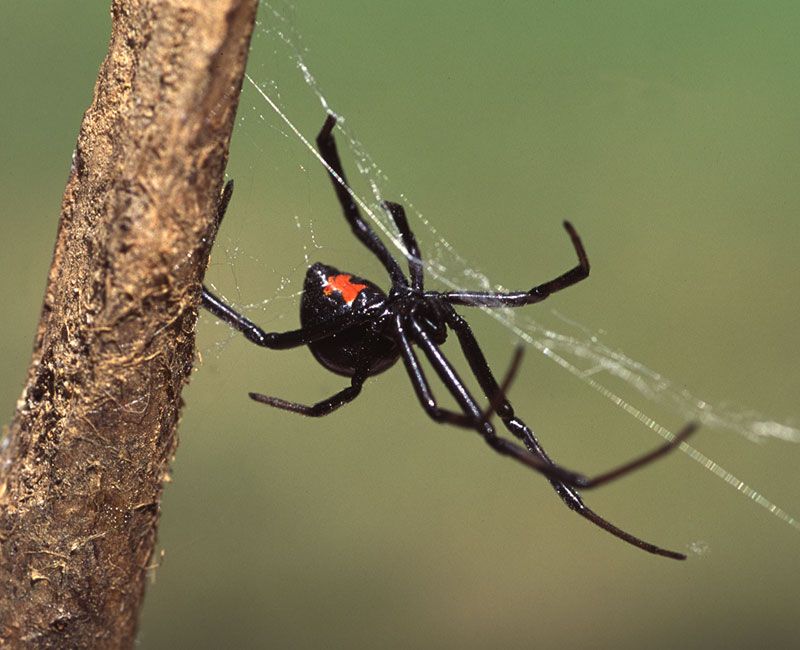
You reach under a pot or into a pile of leaves, and a sharp sting stops you cold. In North Carolina yards, black widows hide in just those quiet, shaded spots.
Knowing the first few steps can keep you calm and help you get the right help fast. Here is a simple plan for the minutes after a suspected bite.
Stop gardening, get clear, and check for danger
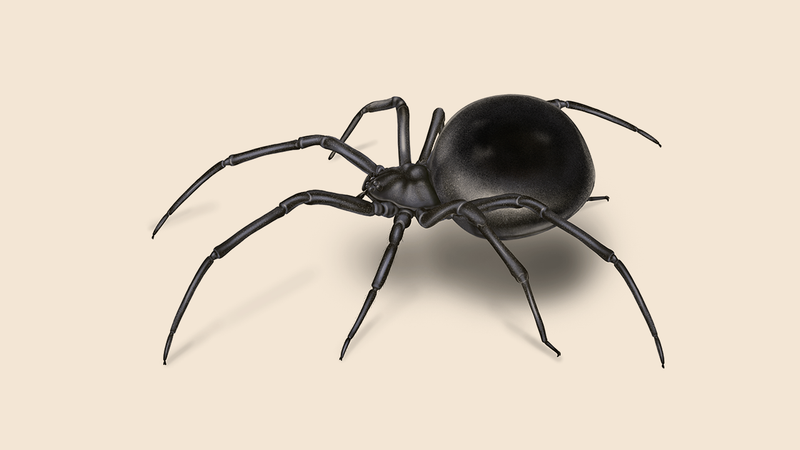
Put the trowel down and step away from the spot where you were working. Black widows tend to hide in dark, tucked-away places like woodpiles, meter boxes, and the undersides of pots, so do not reach back in to look for the spider.
Do not try to catch it, poke at it, or flip it over to check for markings.
Next, check yourself for emergency signs. MedlinePlus guidance on black widow bites lists trouble breathing, fainting or profound weakness, a seizure, severe chest or belly pain, and painful or widespread muscle cramps as reasons to get emergency care.
If any of these show up, call 911 or go to the ER right away.
If none of those are happening, you can move on to simple first aid and a call for advice. NC Poison Control advises moving away from the spider and contacting poison control promptly for case-specific instructions.
Do not wait to see how you feel first.
Do not try to work out whether it was truly a black widow from the marks on your skin. Two small dots or a sore spot cannot confirm it.
If the spider is still in view and you can stay at a safe distance, a quick photo may help later, but only if it does not mean getting closer.
Wash and protect the bite
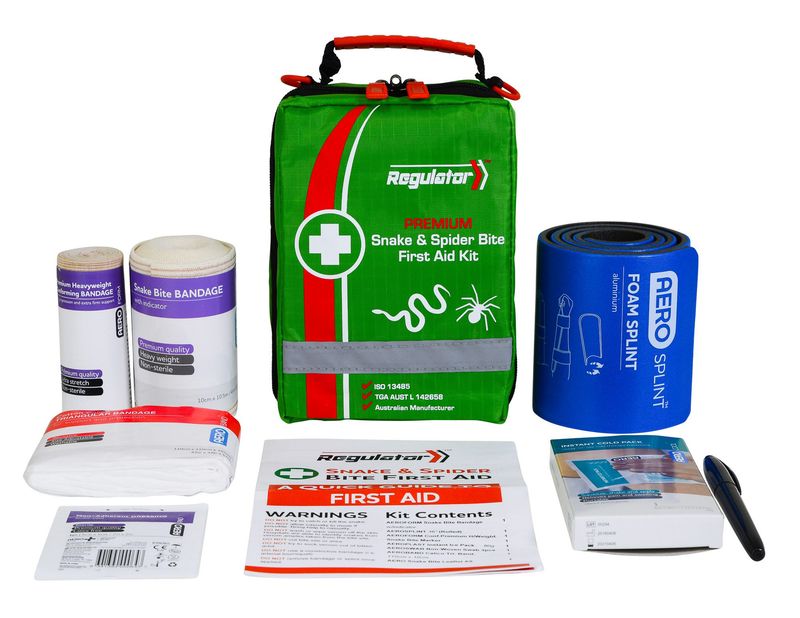
Once you are away from the spider, head to a sink or hose and wash the bite gently with soap and water. Keep it simple and avoid scrubbing hard.
Clean skin is a good start while you arrange advice or care.
For swelling or discomfort, MedlinePlus first aid advice suggests a cold, damp cloth or ice wrapped in a cloth placed on the area. Never put ice directly on bare skin.
If you can, raise the bitten arm or leg to help with swelling.
Take off rings, bracelets, watches, or anything snug near the bite. Swelling can make tight jewelry hard to remove later, so do this early.
A bitten finger or wrist is a common case for gardeners.
Be clear about what these steps do. They are comfort and support measures.
They do not pull out venom, and they do not replace advice from poison control or a clinician. Think of them as something you do while you make the call, not instead of making it.
Jot down the time of the bite and exactly where on your body it happened. Those two details can help the people guiding your care.
Call NC Poison Control without waiting for symptoms
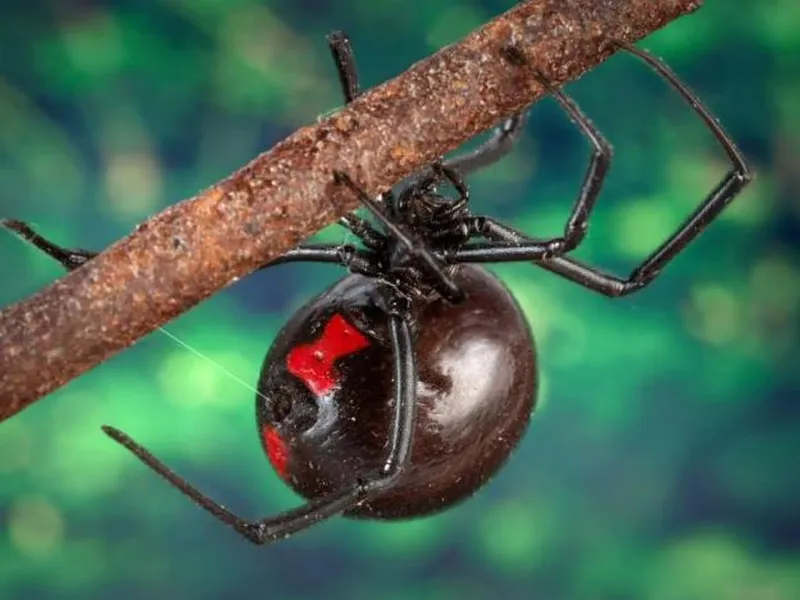
Dial 1-800-222-1222. That is the NC Poison Control line, and it is the same national Poison Help number.
Call even if you feel fine, because NC Poison Control advises seeking guidance promptly rather than waiting for symptoms.
The specialist on the line will ask about your age, health, where the bite is, and when it happened. Based on your answers, they can help decide what should happen next.
That might mean watching at home with clear instructions, or it might mean being seen in person.
Prompt medical assessment matters even more for children, pregnant people, and people in poor health. If you are in one of those groups, say so right at the start of the call.
Adult decisions are not one-size-fits-all. Poison Control’s black widow article says an ER visit is appropriate when pain is not controlled by oral medicine, and many bites are milder than people fear.
Still, that is not a reason to skip the call or to simply wait at home and hope.
Keep your phone nearby and stay somewhere you can sit down. If a red flag shows up while you are on the line or afterward, stop and call 911.
Know which symptoms make this an emergency
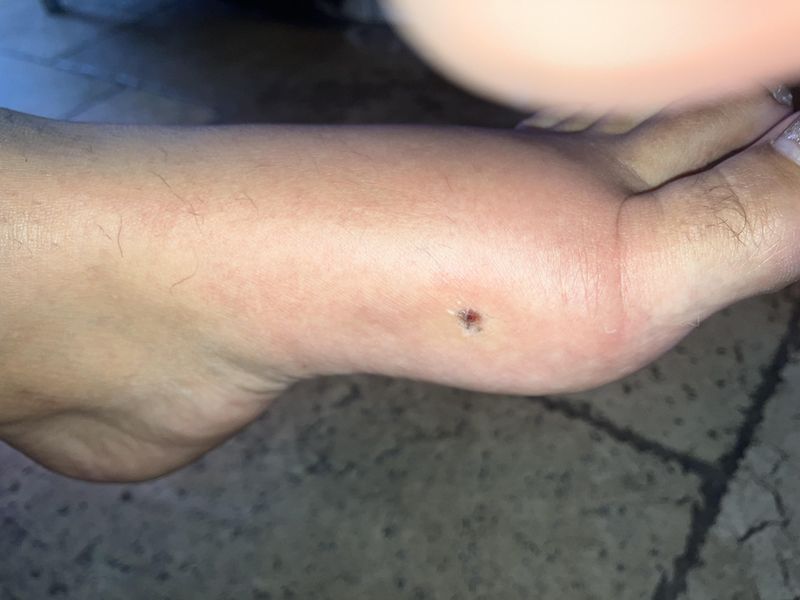
Some signs mean you should not wait for a callback. Call 911 or go to the ER for any of these: difficulty breathing, fainting or profound weakness, a seizure, severe chest or abdominal pain, or painful or widespread muscle cramps.
MedlinePlus lists these as emergency warning signs after a black widow bite.
If you are alone and feel faint, do not drive yourself. Call 911 and, if you can, unlock the door and sit down.
Children are a separate case. A child with a suspected black or brown widow bite should be taken to the ER, consistent with American Academy of Pediatrics symptom guidance.
Go even if the child seems okay right now.
Other changes, such as spreading pain from the bite, sweating, or nausea, call for a prompt call to poison control if you have not already made one. They are not a reason to sit and watch.
Severe or worsening problems move you into the emergency category above.
When you arrive or call, tell the team it may be a widow bite, when it happened, and where on the body. Do not bring the spider itself.
Symptoms can develop quickly, but timing varies
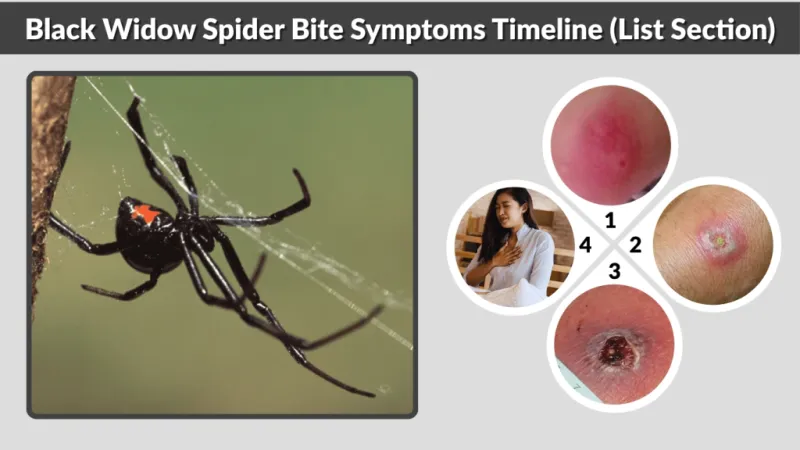
A black widow bite can feel like a pinch or sting, or you might barely notice it. Pain can then spread outward from the bite area.
According to NC State News, black widows live in North Carolina, and a bite can cause muscle cramps or spasms, sweating, nausea or vomiting, and sometimes high blood pressure.
Symptoms may begin within about 15 to 60 minutes. Timing and severity vary a lot from person to person, so a quiet first hour does not mean you are in the clear.
It also does not mean trouble is certain.
Reported outcomes can sound reassuring. Poison Control cites a review of more than 15,000 poison-center exposures with no deaths and hospital admission in about 10 percent.
Those numbers describe a large group of reports. They cannot tell you what will happen with your own bite, and rare deaths are no reason to brush off serious symptoms.
Treat this list as a guide for what to tell the poison control specialist, not a reason to hold off calling. If you have already called, report any new symptoms as they appear.
If breathing, chest, or belly problems start, move to 911 or the ER.
Avoid improvised treatment and let clinicians guide further care
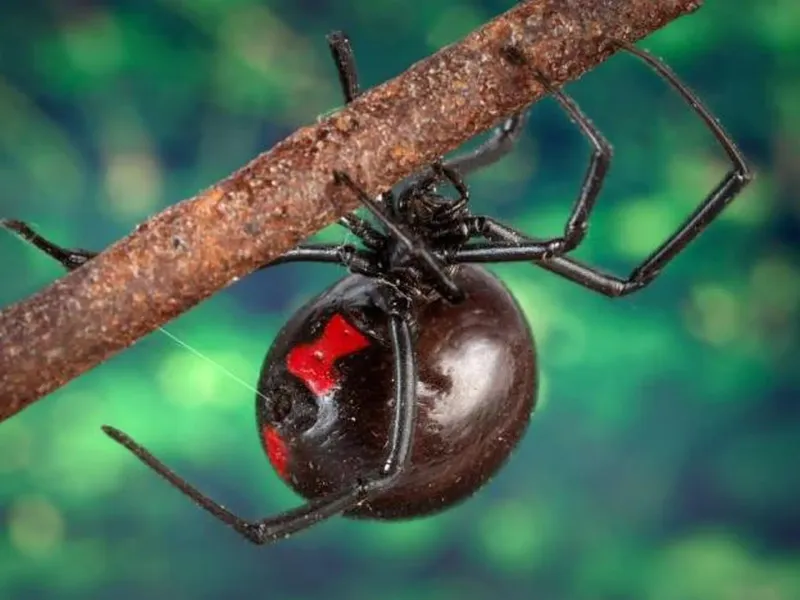
Skip the dramatic home remedies. Do not cut the bite, suck on it, or put on a tourniquet.
CDC travel guidance on envenomations does not recommend these practices, and you should not try to remove venom.
Snakebite advice does not carry over to spiders. Steps that apply to a snakebite should not be copied for a suspected widow bite.
Stick with washing, a cold wrapped compress, elevation, and removing tight jewelry, then follow what poison control tells you.
A clinician may ask about your tetanus shots. CDC wound guidance bases booster decisions on the type of wound and your vaccination history.
A booster is not automatic for every suspected spider bite.
Antivenom is also a clinician’s call. Poison Control notes it is for selected serious or hard-to-control cases and can cause serious allergic reactions.
It is never a home treatment, and not every bite needs it.
If you are seen in person, bring your questions and your vaccine records if you can find them. The care team can decide what fits your situation.
See MedlinePlus for more on what treatment can involve.
Keep the next step simple
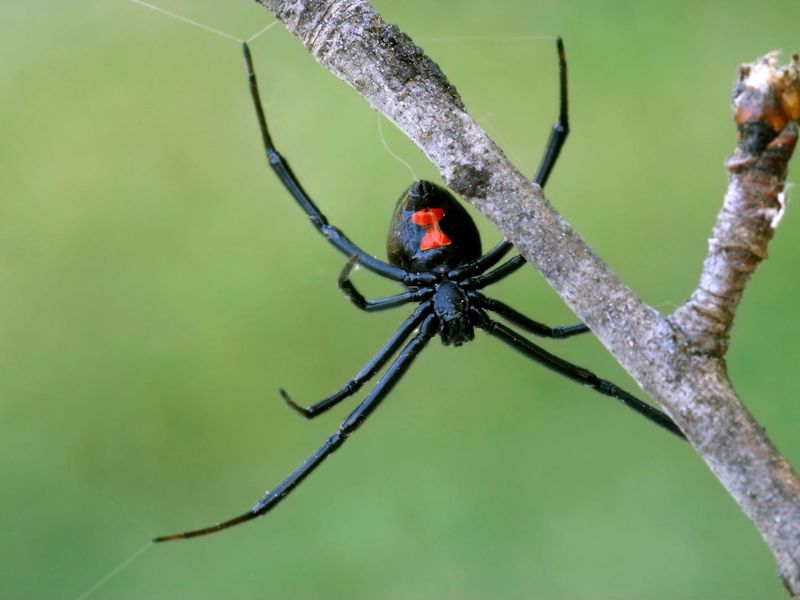
Get away from the spider, use 911 or the ER for red flags, and take a child with a suspected widow bite to the ER, as AAP guidance advises. Then call NC Poison Control at 1-800-222-1222 for advice built around you.
The weeds can wait.