
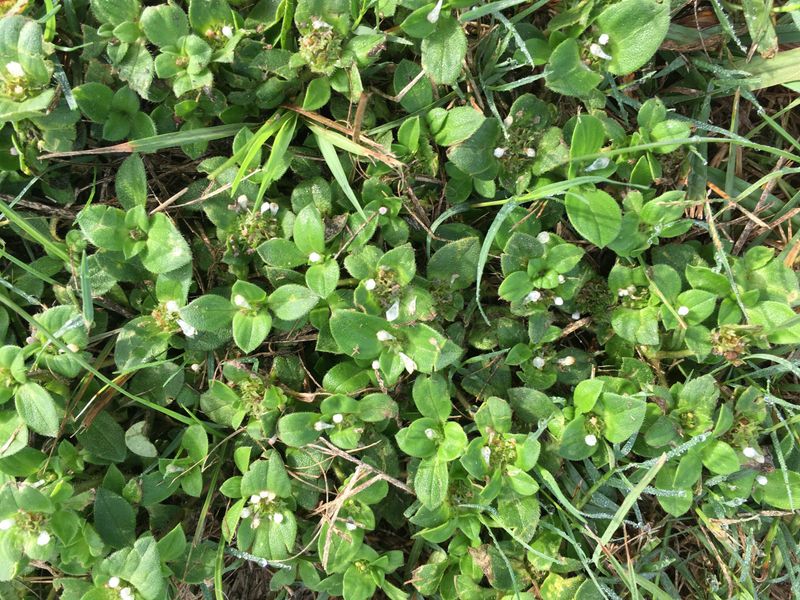
That green carpet of chickweed in late winter did not appear overnight. In many Southern lawns, the seeds start sprouting back in fall, when the grass still looks clean and nothing seems wrong.
Knowing how this weed behaves can help you pick the right move at the right time. A little planning now may save you a lot of pulling and spraying later.
Identify the chickweed before choosing a treatment
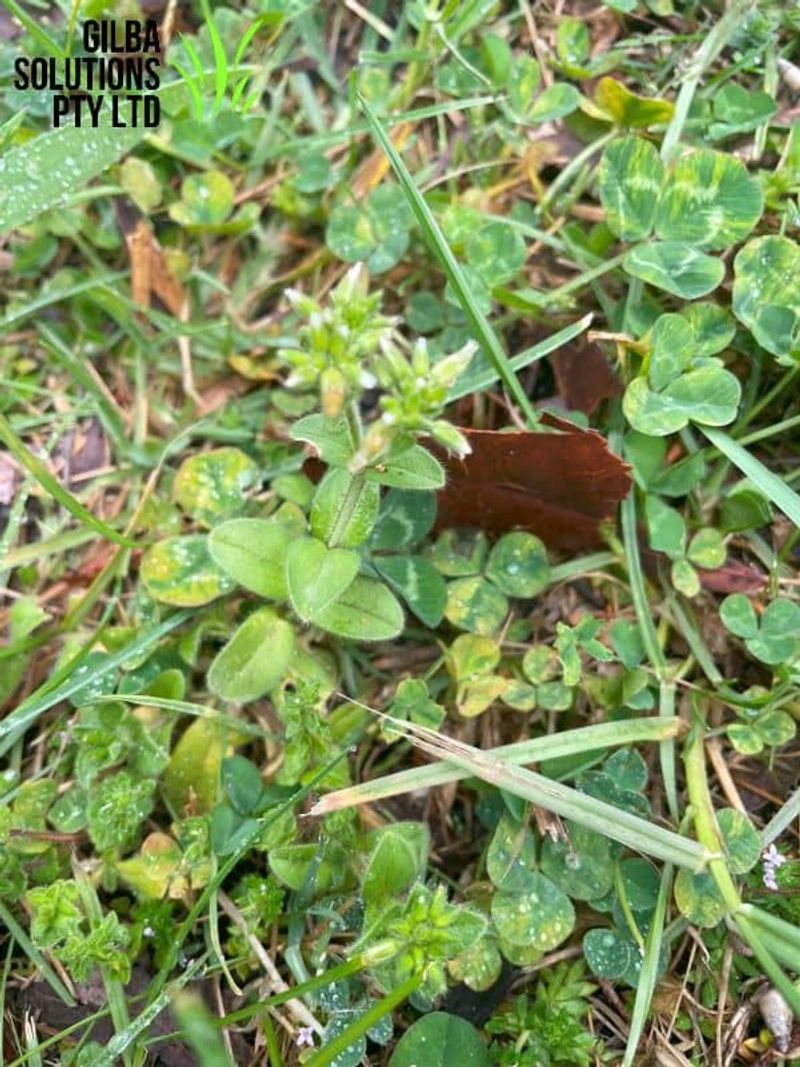
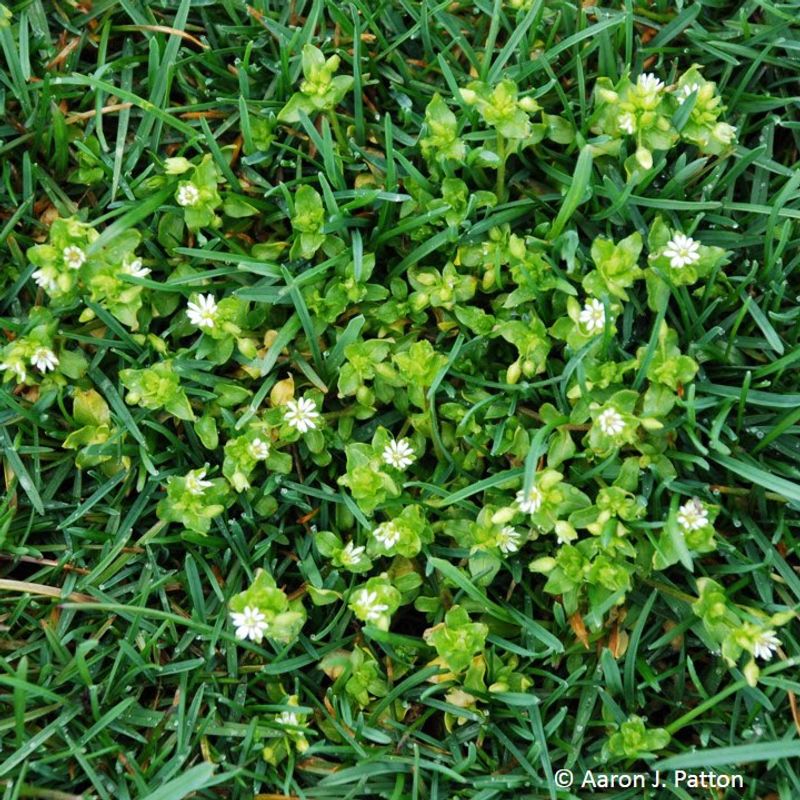
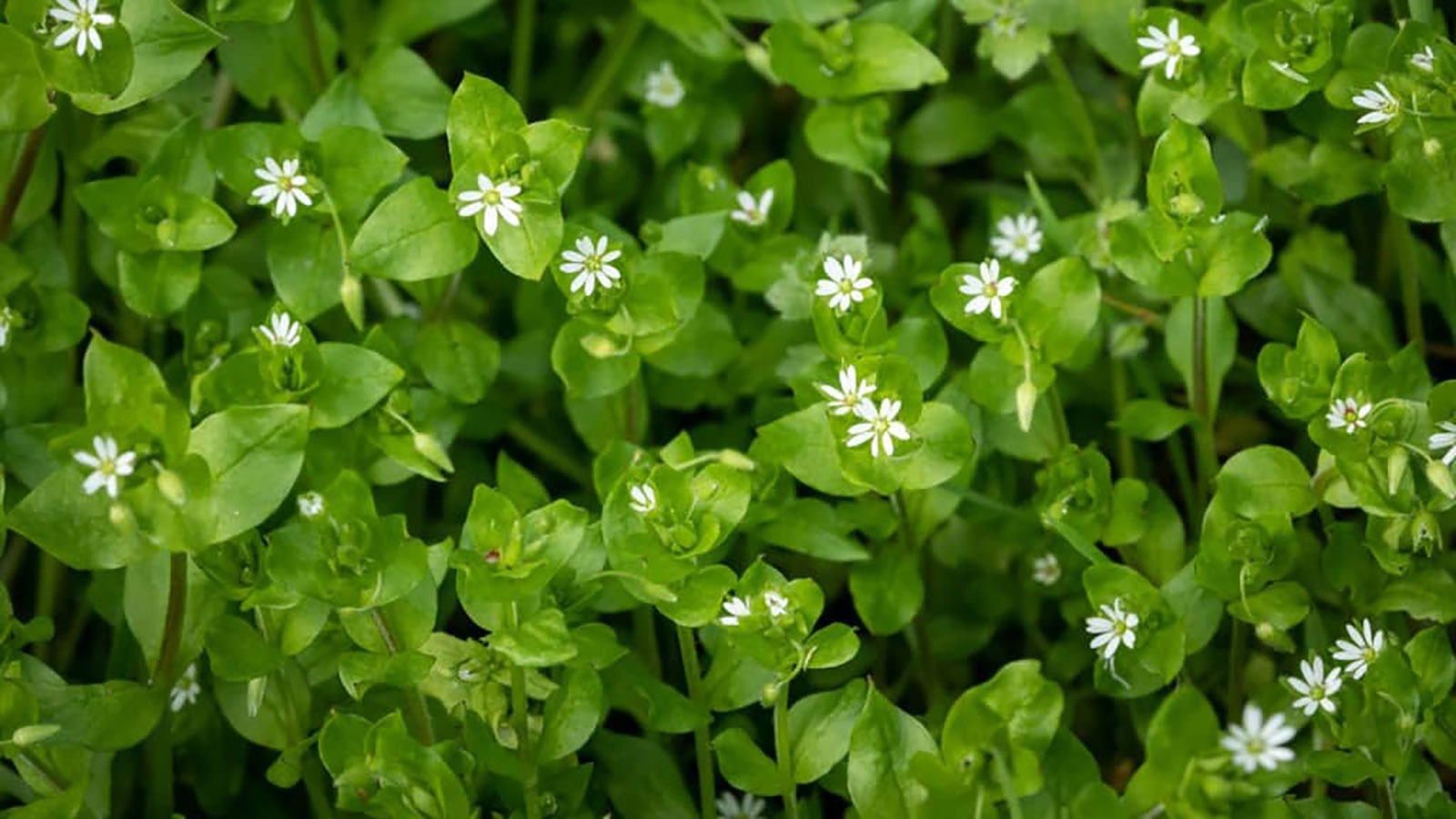
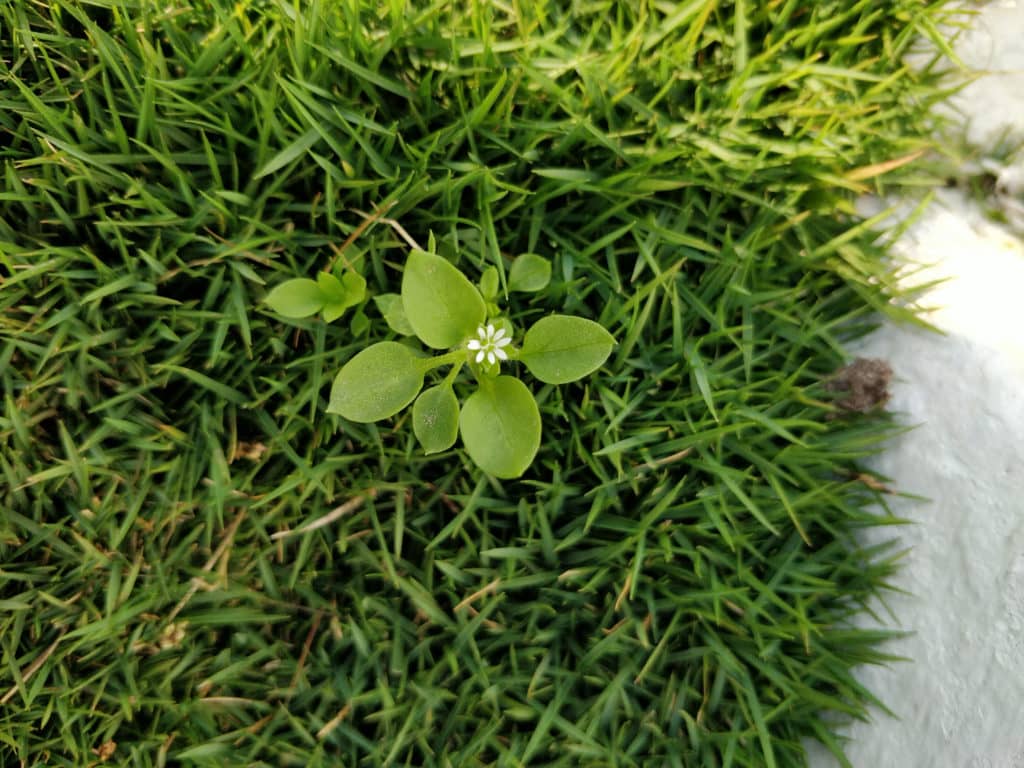
Plenty of plants get called chickweed, and the right fix depends on which one you have. Common chickweed (Stellaria media) forms low, spreading mats of small, oval, bright green leaves on thin, branching stems.
In cool weather it often produces tiny white flowers with petals so deeply notched they look like ten instead of five.
The big look-alike is mouse-ear chickweed. Maryland Extension describes it as a perennial with hairy leaves and stems, while common chickweed is a winter annual.
Run a leaf between your fingers. Fuzzy and hairy points toward mouse-ear, and the life-cycle advice in this article may not fit it.
Also take a minute to name your turfgrass, whether that is St. Augustinegrass, bermudagrass, zoysiagrass, or something else. Texas A&M’s AggieTurf page also treats common chickweed as a winter annual.
Once you know the weed and the grass, you can choose advice that actually applies.
Fall germination can lead to chickweed that shows up later
Picture a lawn in October. The grass looks fine, and tiny chickweed seedlings are barely visible at the soil surface.
By late winter, those seedlings have had months of cool weather to spread into patches you can’t miss.
That is the sneaky part of a winter annual. Maryland Extension notes that seeds typically germinate in fall, and UF/IFAS reports a preference for moderate temperatures, around 54 to 68°F, for sprouting.
Plants in Florida are mostly seen from fall through early spring.
Fall is common, but it is not the only time. Cornell’s weed profile points to emergence in fall and spring, and seeds can sprout at other times when conditions suit them.
Moisture, temperature, turf thickness, and location all change what you see.
So not every spring patch started in fall. Still, if you only react once the carpet is obvious, you are dealing with established plants instead of seedlings.
Use local conditions, not a South-wide date, to time prevention
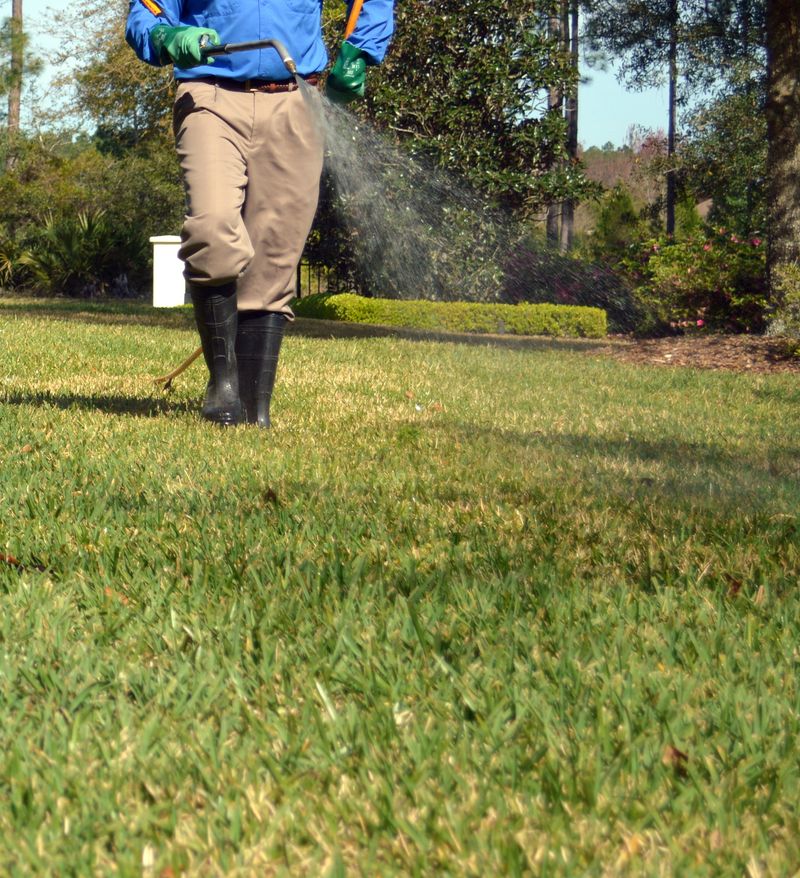
No single calendar date works from the Texas Panhandle to the Florida Keys. Soil temperature, rainfall, and the weather that year all shift the timing.
A date that suits one yard may be weeks too early or too late for another.
In Texas, Texas A&M’s pre-emergence guide suggests a fall application for winter annual weeds when soil temperatures drop to about 70°F for several days. That is general winter-weed guidance, not a chickweed-specific threshold, and it stresses that timing varies by region and year.
Florida lawns are a different picture. UF/IFAS’s lawn weed guide gives fall timing examples built around other winter weeds such as annual bluegrass, so treat them as clues rather than a chickweed schedule.
Check with your local extension office for your area.
One more caution: the 54 to 68°F range reported by Cornell describes where seeds germinate best. It is not a signal to spread product on your lawn.
A correctly timed pre-emergent may help prevent new seedlings
A pre-emergent works like a barrier, not a cure. A correctly timed, appropriately labeled product may help prevent new chickweed seedlings, but it will not kill plants that are already up, and it cannot guarantee control.
UF/IFAS says pre-emergents applied after weeds have emerged have little or no effect.
Before you buy anything, identify your turfgrass. Products differ in which grasses they are labeled for, the rates allowed, and the timing.
The current label for your site is the final word, and no single ingredient suits every Southern lawn.
Overseeding and new sod need extra care. Texas A&M warns that pre-emergents may harm newly established or overseeded turf, and they can keep desirable grass seed from sprouting too.
Do not assume a pre-emergent fits a renovation plan.
If chickweed is already visible, set the pre-emergent aside for those plants. They need a different response, covered next.
For visible chickweed, consider labeled post-emergence control
Seeing a patch is no reason to panic. Young plants are generally easier to control, so acting early helps.
Maryland Extension recommends early-spring spot treatment with a selective broadleaf product labeled for the lawn.
Start with your turfgrass species, because tolerance varies a lot. UC IPM notes that triclopyr can injure warm-season grasses such as bermudagrass.
Sensitivity can also be a concern for St. Augustinegrass, so read UF/IFAS’s St. Augustinegrass guide and the label before you spray.
Pick a product whose label lists your grass, the site, the rate, and the timing, and follow it exactly. No one product is right for every Southern lawn.
Local extension offices can point you to options that fit your area, and UF/IFAS’s lawn weed guide is a good Florida starting point.
Skip nonselective products such as glyphosate for routine treatment. They can injure or kill the grass you want to keep.
For a few small patches, pulling by hand is a safe option.
Dense turf and early removal can help limit future spread
Thick grass leaves less bare soil for seeds to claim. UF/IFAS treats turf health as a primary part of lawn weed management, and Maryland Extension also recommends keeping turf dense.
Mowing at the right height for your grass, watering sensibly, and fixing thin spots all help, though none of it guarantees a chickweed-free yard.
Seeds are the next piece. Every plant that sets seed can leave more behind for the next season, so pulling or treating patches before they go to seed may reduce future spread.
Bag what you pull rather than tossing it in a corner of the yard.
UF/IFAS says chickweed can flower four to six weeks after germination. That comes from a discussion of ornamental production, so it is not a universal lawn schedule.
Your own plants may move faster or slower, so check patches often.
Pair these habits with the right prevention or treatment for your weed, grass, and location. Chickweed likes a quiet start, so the best answer to it is a yard that stays one step ahead.